BLOG
How to Make the Most of a Winery Visit: What Winemakers Wish You'd Ask
Julien Camus
Insights and Opinions
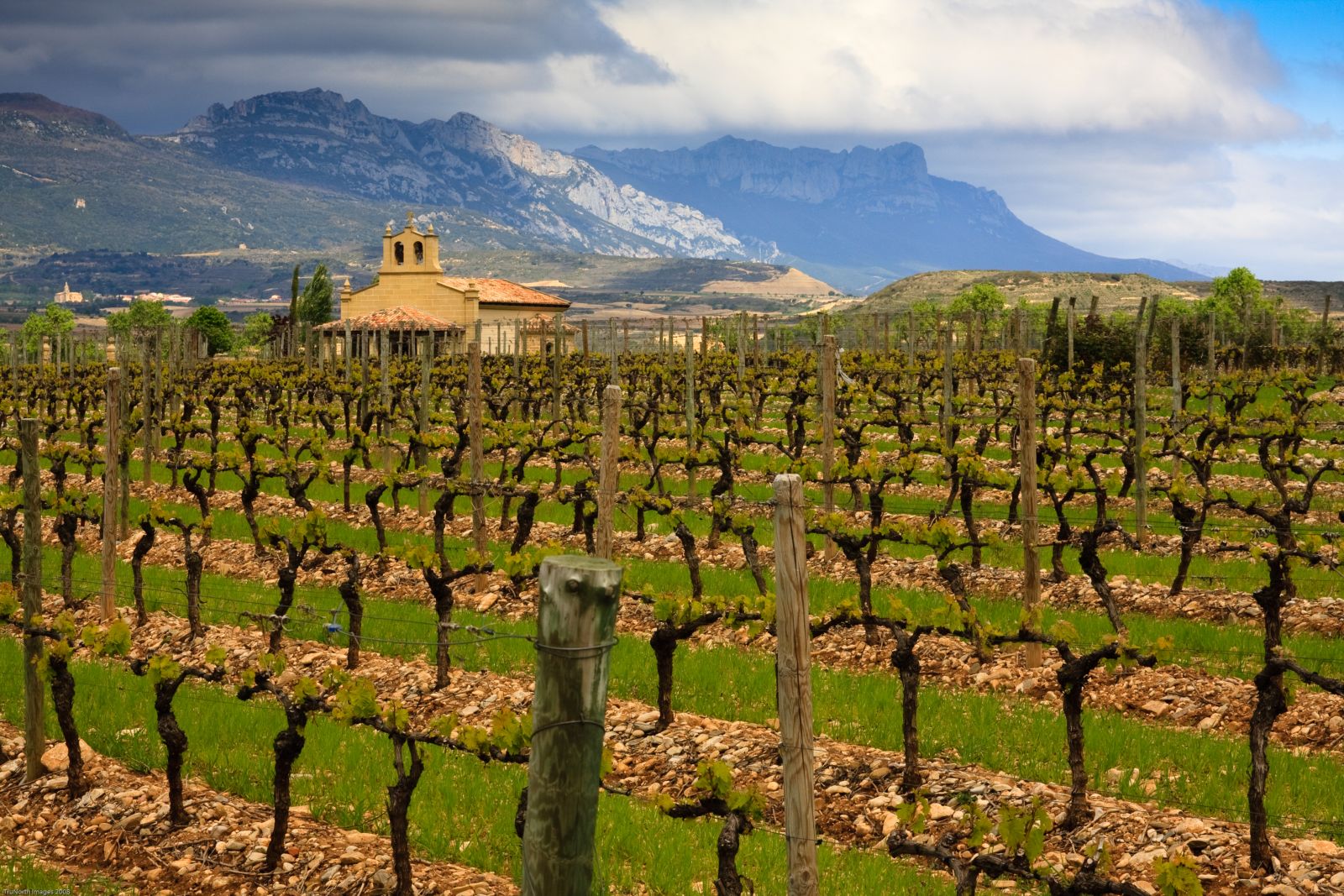
Take a moment and think about the best winery visit you've ever had. Chances are, it wasn't the grandeur of the tasting room, the prestige of the appellation, or even the exceptional wine that made it memorable. It was a human connection, an encounter that opened a door and left you seeing wine, place, people — possibly even yourself — differently.
Now recall the less inspiring visits you've had. The guided tour that felt like a scripted performance — a host reciting well-worn lines, visitors dutifully playing the part of audience. The tasting that moved through the range but never really landed anywhere. The visit, guided by formulaic questions and answers, generated little actual insight or authentic connection.
What makes the difference between a meaningful winery visit and a forgettable one? We decided to ask the hosts themselves. This summer, we invited producers in the WSG network to tell us what meaningful encounters look like from their side of the counter. We asked them what questions they wish visitors asked more often, what wears them down, and what makes a visit enriching for both hosts and guests. From Alsace to Campania to Vancouver Island, their responses changed how we think about the encounter and might change how you approach your next winery visit.
More Why, Less How
One finding stood out above all the others, because producer after producer arrived at it independently, across numerous regions and countries.
Asked what kinds of questions they wished visitors posed more often, Gian Luca Colombo, who farms in Roddi, in Piemonte, replied: "I wish more visitors would ask me why I make certain decisions, rather than how I make them. Technique is important, but what really fascinates me is explaining the reasoning behind every choice. Every decision reflects a vision of wine, agriculture and the territory."
Paola Riccio of ALE.P.A. in Campania said much the same: visitors rarely ask about her intentions or motivations — why she made certain choices in the vineyard or cellar, or why she turned toward natural winemaking. In Champagne, the team at Champagne Moussé named the same question — "Why did you choose to work this way?" — noting that each decision reflects years of thought, experimentation and adaptation that visitors almost never ask about.
In Savennières, Florence Laureau of Domaine Laureau, writing on the first morning of harvest, named the simple question she wishes people asked: "What are you trying to bring out in your wines?" Then she added, with a winemaker's practicality: but if they don't ask it, we tell them anyway.
A few weeks later, when we spoke with Antonin Coulon of Domaine de Beaurenard by phone, mid-harvest in Châteauneuf-du-Pape, he named the same missing question without hesitation: "What do you want to express through your vineyard and your philosophy of life and vine growing? That's our entire job — the purpose, the message we want to share." Technique, he added, matters — "but it's less important and less relevant than why.”
Standard wine education trains us well in many respects. But one thing it reliably produces is a set of default questions: How long in oak? What percentage of new barrels? What's the residual sugar? These questions have their place, and the producers were emphatic that no question asked in genuine curiosity is a bad one. But the numbers alone tell you almost nothing. As Aura Meyer of Meyer-Fonné in Alsace told us, it is very reductive to describe a wine solely according to its analysis. "The interesting encounters," she added, "are those where there is the human element, and not only the technical." Facts matter, but they are only the beginning. What turns a winery visit into a meaningful encounter isn't the factual question itself, but what lies behind it: intention.
More Than the Question: What You Do With the Answer
Olivier Humbrecht MW of Domaine Zind-Humbrecht in Alsace refined the point further. Technical questions themselves aren't the problem, he told us. What matters is what happens next. Visitors ask about a wine's composition, note down the alcohol and acidity, and move on. It's less a dialogue than a tick-box exercise. But when someone pauses and asks: how do you achieve such a delicate balance in the context of climate change, without any character of underripeness? — "There," he says, "we can start talking for hours." The follow-up question comes only from those listening to the answer. Listening, in other words, is a form of asking.
The Encounter Is Co-Created
When it comes to who is responsible for making the encounter come alive, the producers began, productively, to disagree.
Louis Barruol of Château de Saint Cosme in Gigondas was direct. In his view, visitors don't realize the extent to which it is they who make the visit interesting. "It is the quality of the questions that makes a visit." From the other side of the Atlantic, Dan Wright of Unsworth Vineyards on Vancouver Island — himself a WSG alumnus several times over — pushed back in the other direction: the onus of getting guests to engage falls mostly on the host. The worst kind of host, he says, is the one reciting a memorized script, and talking at you rather than probing for what you're interested in. On his walking tours, he's noticed that shy guests who won't ask questions in front of a group will ask them quietly while walking — and a good host uses those questions to shape what comes next. Wright also named a subtler failure: questions asked for "an audience — real or imagined" rather than from genuine curiosity. The problem is not knowledge, but performance.
Who's right? Possibly Jean-Marc Grussaute of Camin Larredya in Jurançon, who answered the question of his most memorable visits with a simple yet profound observation: "Neither party was playing a role." That, it seems, is taking us closer to the truth. A winery visit is not a show to attend or a service to be consumed. It's co-created, and both sides have to rise to the occasion. Sonja Geoffray of Château Thivin in Beaujolais put the visitor's half of the bargain plainly: guests who open with "tell us everything!" are, she admits, somewhat exhausting. Arrive with nothing, and you're asking your host to carry the entire encounter alone.
A Curious Mindset
Does that mean you need to be armed with expertise to be welcome? Not at all — and on this the producers were nearly unanimous. "Visitors don't need to be wine experts," Colombo told us. "I much prefer someone who asks an honest question than someone who arrives convinced they already know all the answers." At Castell'in Villa in Chianti Classico, the most rewarding visitor is "simply a curious one... There are no right or wrong questions." At Champagne Moussé: "It's enough that they want to understand and to exchange."
Antonin Coulon put a name to the quality everyone described: empathy — "the ability to feel, or try to understand, how the people in front of you feel" — paired with “a curiosity that is positive and respectful."
Sarah Hwang of Domaine Huet in Vouvray goes further, questioning whether expertise can sometimes get in the way. Visitors with formal wine training, she notes, often ask for a wine's residual sugar before tasting it — and knowing the number shapes what they then perceive. Some of her guests understand the wines best when the discussion becomes less technical: "The analytical mind takes a step back, allowing the wines to tell their story and the palate to lead." There is as much value, she says, in simply tasting and asking: Do I like this? Why or why not? Sometimes the simplest questions can be the most revealing. Nicholas Thomson of Domaine William Fèvre applies the same principle from the host's side: technical explanations come only after tasting, because "you shouldn't influence visitors before they have tasted a wine."
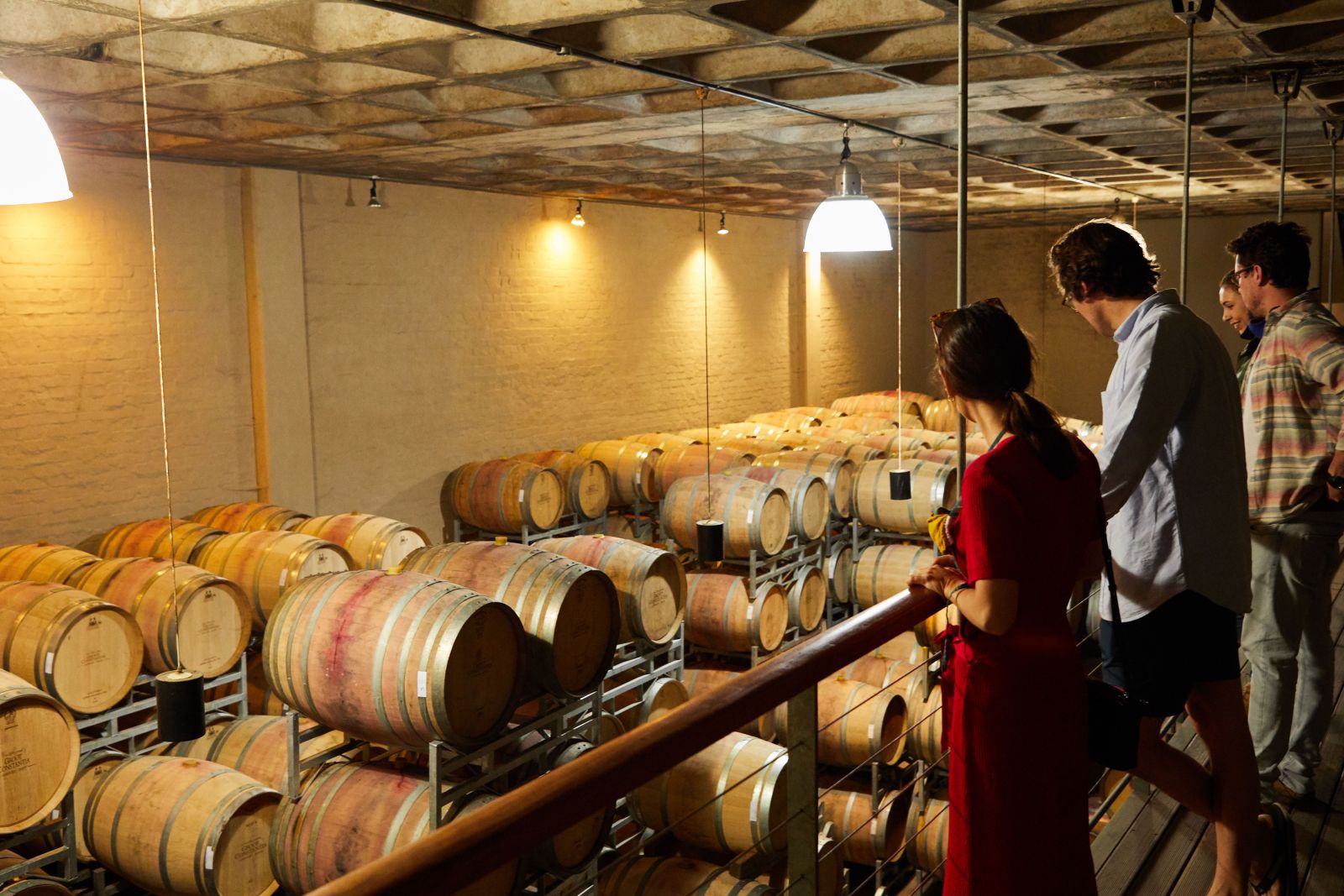
The danger, several producers suggested, is not ignorance but certainty: arriving with categories so fixed that the wine, the place or the person in front of you has little room to complicate them.
What separates a real encounter from a routine tasting isn't knowledge — it's preparation of a different kind. Colombo's most unforgettable guest was a young wine bar owner from Shanghai who spent the morning walking the vineyards alone before their meeting. "His questions came from what he had personally experienced rather than from what he had read. That made our conversation incredibly meaningful." He hadn't necessarily studied harder than other visitors. He had simply paid attention.
Several producers also reminded us that the setting itself changes the conversation. Hanna Shaps of Maison Shaps found that moving beyond the tasting room — into the winery and then to her favorite parcel, Pommard "Les Vignots" — helped visitors connect the family operation, the geography of the appellation and the wines themselves. In Jurançon, Grussaute named the landscape itself as the place he most enjoys sharing, because it is "the foundation of the identity" of his wines. The point is simple but easy to forget: some questions only become possible when you are standing in the place that gives rise to them. Being there, in other words.
A Winery Is Not a Showroom
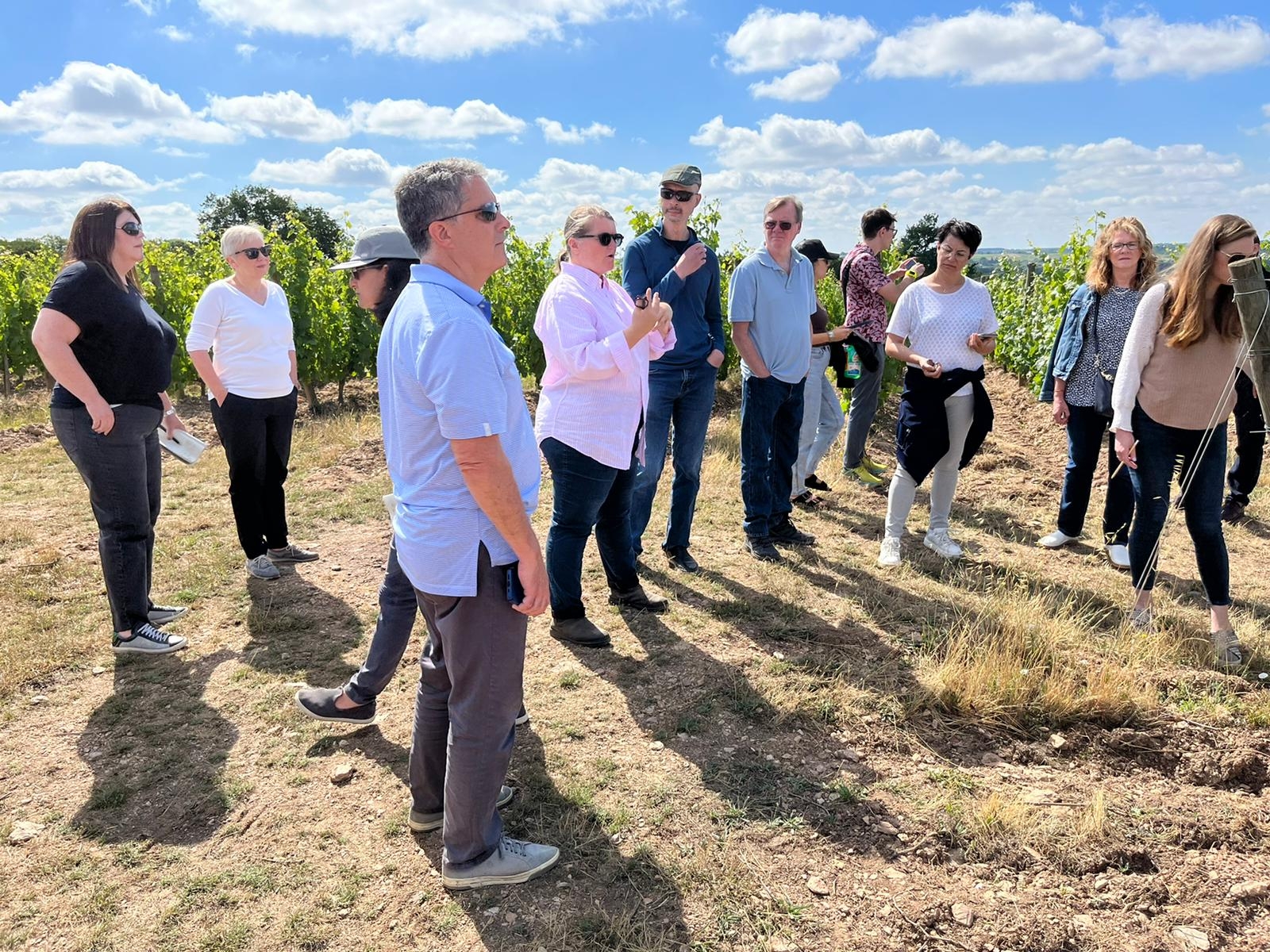
A winery is often someone's home, literally or figuratively, and always their life's work — and arriving with that awareness changes everything. On a recent WSG tour in Alsace, a downpour forced Jean Boxler to lead our group into the room where he keeps his foudres. A few days later, he confided that he almost never does this: for him, it had felt like taking a group of strangers into his bedroom. Not every producer guards their cellar so closely, but the principle holds. Being let in is a privilege, not a service.
Humbrecht told us a story from August 1992 that he has never forgotten. The domaine was mid-move from Wintzenheim to Turckheim; he was sleeping three hours a night, bottling the 1991s while bracing for an early harvest. The domaine was closed when a VW camper pulled into the courtyard. Two young Swedish visitors knocked on the door. Humbrecht could have turned them away, but decided to stop what he was doing, and the three spent the whole afternoon tasting and talking. They left with a significant order despite a tight budget. A few years later, Sweden opened its market to private wine importers — and those two young men founded an import company, Vinunic, that remains Zind-Humbrecht's Swedish importer to this day.
The story is not an argument for arriving unannounced; Humbrecht and others are clear that appointments matter. Rather, it shows how unpredictable a visit can become when genuine curiosity, generosity and timing align. Wine, at its best, is reciprocal: you come to give as much as to receive. But reciprocity has conditions. Producers are not always available, and arriving unannounced then showing frustration is, as Humbrecht puts it, hard to bear. Respect for a producer's time is the first signal of whether a real exchange is possible.
The Encounter Is the Point
The difference between a memorable winery visit and a forgettable one is rarely the quality of the wines. It's the quality of shared presence both sides bring: curiosity, preparation, a willingness to be surprised, and a refusal to play the expected roles of "wine tourist" and "good vigneron."
So before your next visit, do a little homework — not to perform knowledge, but to arrive with the seeds of real questions about specific people, places and wines. And rather than chasing only the region's most famous estate, look for the producer whose passions overlap with yours: the local historian of the appellation if history is your thing, the geology obsessive if you collect rocks, the vigneron who cooks seriously, rides horses or fills the cellar with art. A little online searching, an AI query or a good local contact can usually find them — and a shared passion opens doors that a famous name rarely does.
Once there, ask only what genuinely interests you: the family story, the farming, the special parcel or cuvée, or what your hosts are trying to achieve and why. When an answer intrigues you, follow it. And if you can't find words for what you're tasting, say so; "can you help me understand?" may be the most generative question of all. Don't feel a need to fill the silence with technical questions that don't actually matter to you. Just listen, taste and be present.
The producers who generously opened their doors to our questions this summer, on the eve of harvest, reminded us that wine is a dialogue among growers, tasters and the land itself. The more openly and inquisitively you enter that dialogue, the more it gives back.
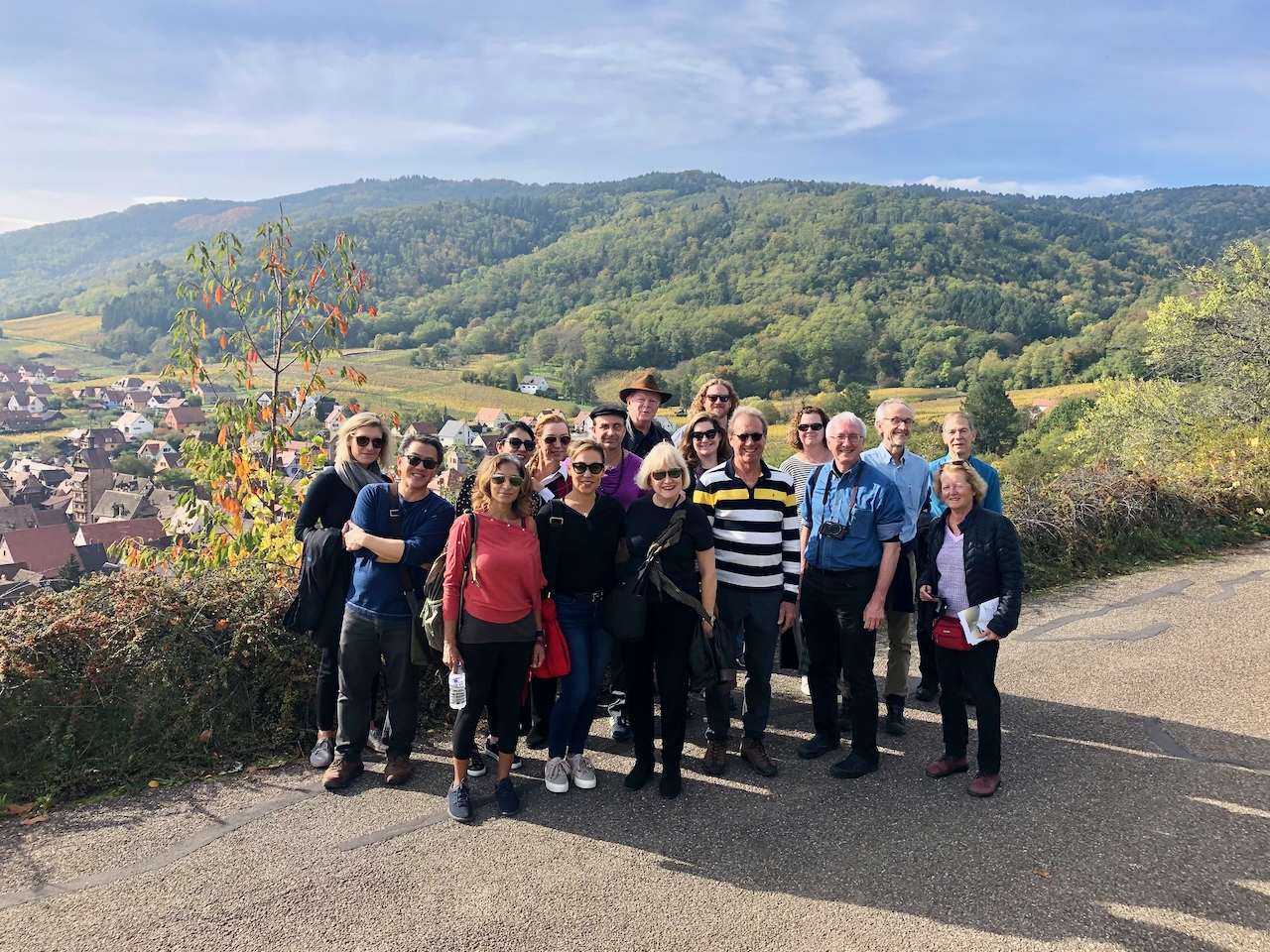
This is also the spirit behind WSG's study trips: small-group encounters designed not simply to show participants a region, but to help them enter into conversation with the people and places that bring its wines to life. Our 2027 study trips are now open, and we hope you'll join us in carrying these questions into the field.
With warm thanks to the producers who shared their reflections for this article: Domaine Zind-Humbrecht (Alsace), Meyer-Fonné (Alsace), Château Thivin (Beaujolais), Domaine de Beaurenard (Châteauneuf-du-Pape), Domaine William Fèvre (Chablis), Maison Shaps (Burgundy), Domaine Huet (Vouvray), Domaine Laureau (Savennières), Camin Larredya (Jurançon), Château de Saint Cosme (Gigondas), Champagne Moussé (Champagne), ALE.P.A. (Campania), Azienda Agricola Gian Luca Colombo (Piemonte), Castell'in Villa (Chianti Classico), and Unsworth Vineyards (Vancouver Island, Canada).
By Julien Camus, co-written with Chris Howard