BLOG
Five Things You Need to Know About the Rheinhessen’s Roter Hang
Wine Scholar Guild
Wine Fundamentals
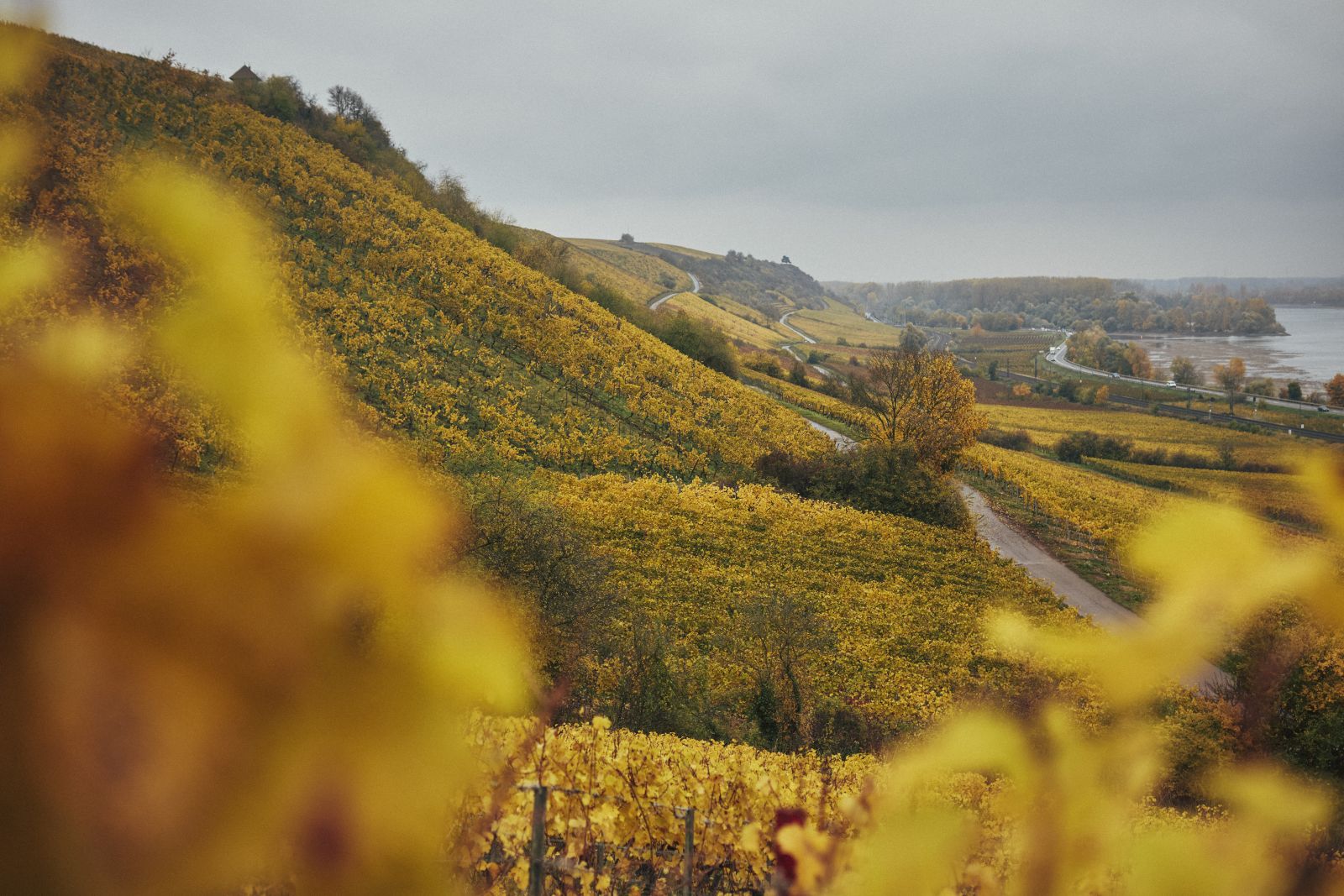
The Rheinhessen is Germany’s largest wine region and it has something of a chequered history. Today, however, it creates some of the country’s most exciting wines. There is a stretch of vineyards close to the Rhine River known as the Roter Hang (red slope) that makes particularly fine Rieslings. What is it that makes this site so special?
1. It’s an ancient geological formation composed of red rock
Johannes Hasselbach, owner and sixth generation winemaker of Gunderloch, describes it succinctly: “All of a sudden, out of the Rhine rises this red slate.”
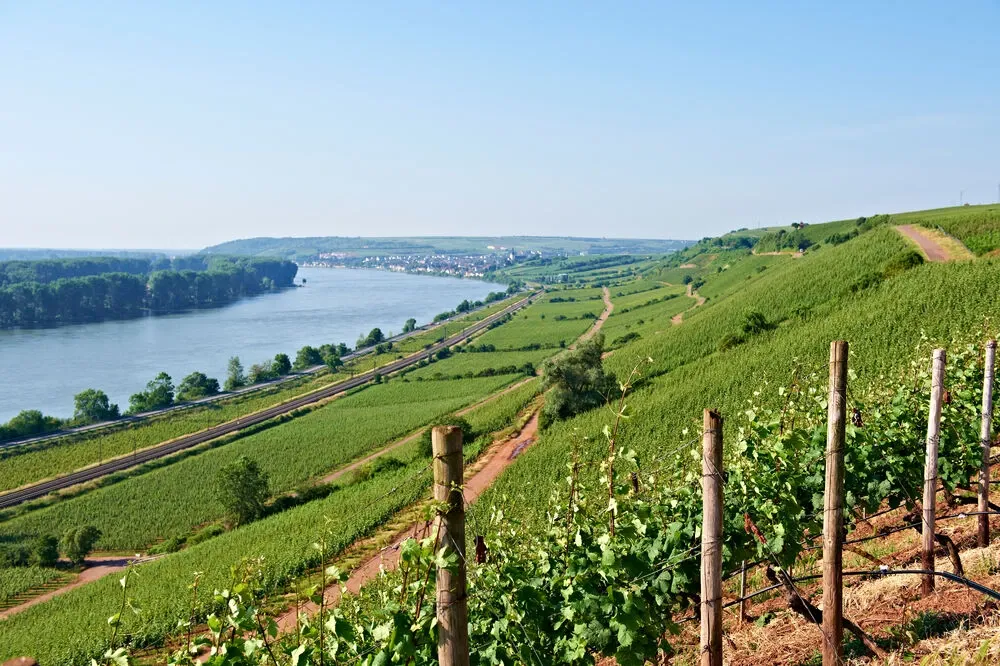
The Roter Hang is a 5 km/3 mi stretch of sloping vineyard land overlooking the Rhine located between Nackenheim and Nierstein. Its name derives from the “Rotliengendes” a thick layer of red sandstone and mudstone with streaks of limestone that formed 280 million years ago. It takes its red color from an iron compound called hematite, from the Greek word aematites, meaning blood-like.
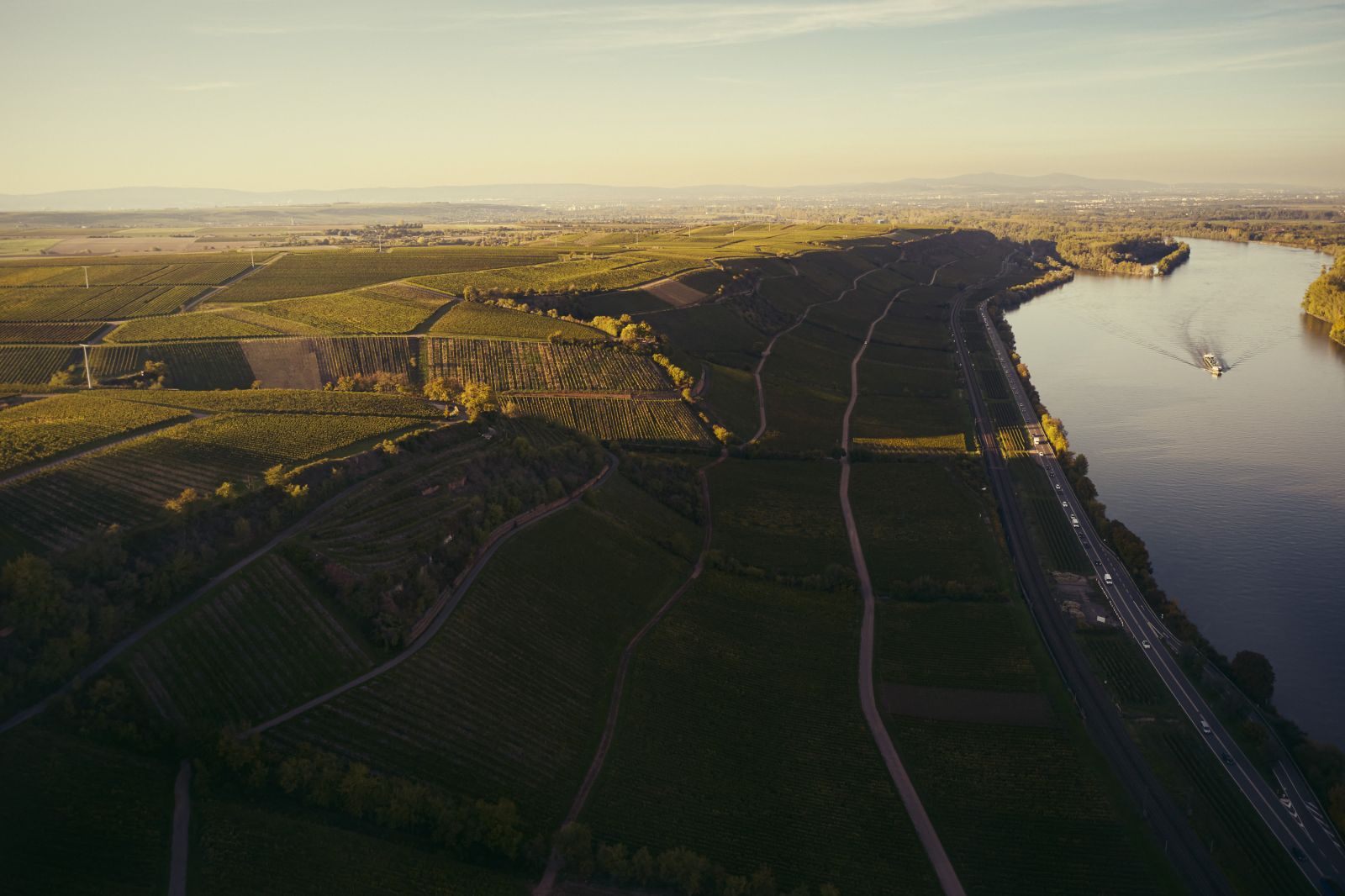
The Roter Hang, Peter Bender
This formation rises to just 174 m/570 ft above sea level but visually the effect is dramatic. Near Nackenheim the slope drops steeply eastward towards the Rhine; as the river flows south, just before the formation reaches Nierstein, it curves inland, creating a southeast- and south-facing hillside. The combination of steepness, exposure and reflected sunlight from the river creates a unique microclimate, with warmth being stored by the soil long into the autumn.
2. It’s home to some legendary vineyard sites
The Roter Hang is home to around 180 ha/445 ac of vineyards and it produces many of the Rheinhessen’s greatest Rieslings. Carolin Spanier-Gillot owns two wineries in the Rheinhessen: Battenfeld-Spanier with mostly limestone vineyards and Kühling-Gillot with vineyards on the Roter Hang.
She says the difference between the two is always clear, with the Roter Hang vineyards typically producing Rieslings with “flinty, herbal, white pepper notes” that aren’t overly full-bodied, but “creamy, with nice ripe acidity and a long finish”.
There are a number of celebrated Grosse Lagen here, each with their own particular character. To the north is Rothenberg, which gives “very deep, very dark” Rieslings according to Spanier-Gilot. Immediately south is Pettenthal, which gives a more elegant expression.
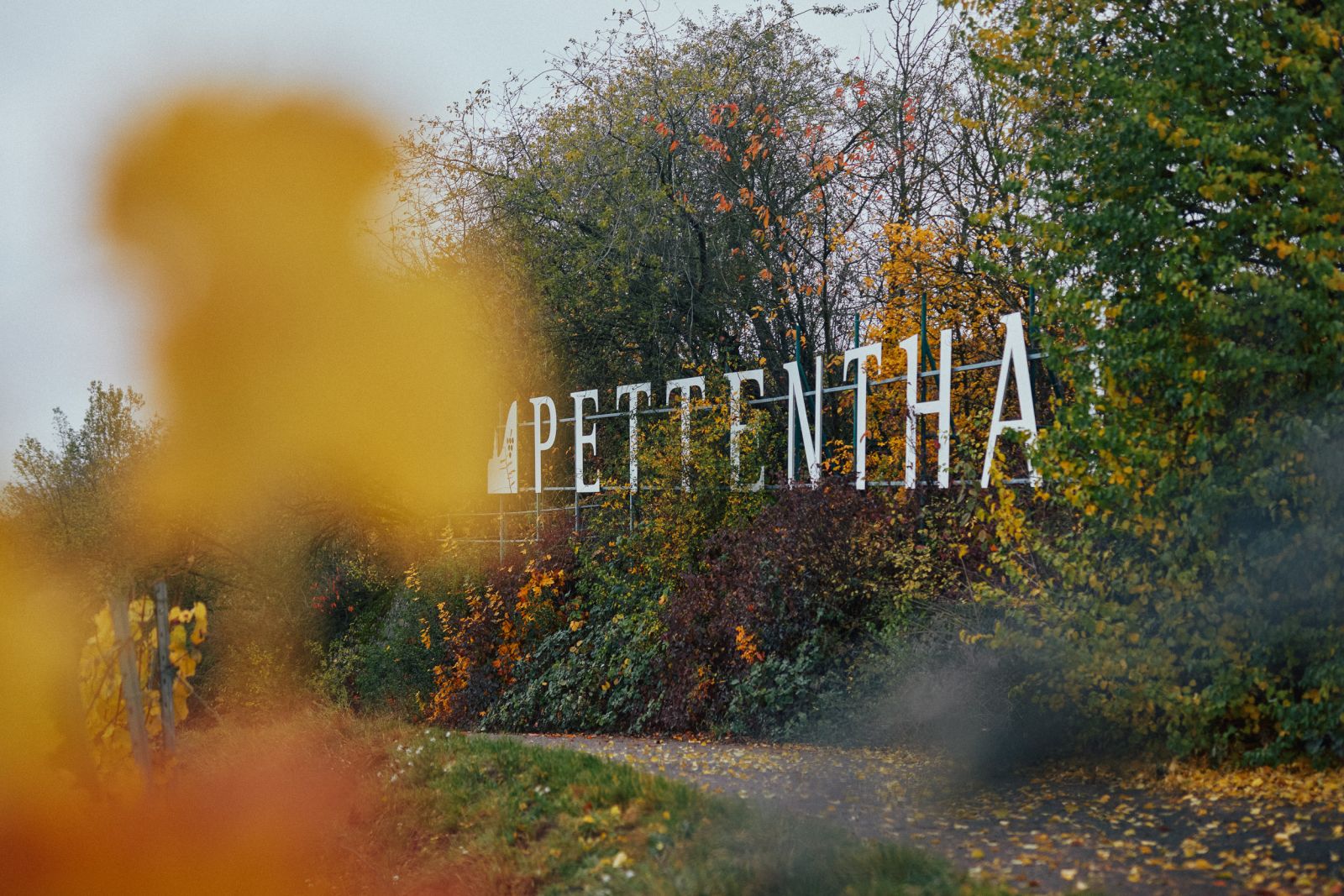
Further south is Hipping, which according to Hasselbach is “more classical… the fruit gets a bit more prominent, more approachable,” due to its higher proportion of limestone. Other Grosse Lagen of note include Brudersberg, Orbel and Ölberg.
3. It has a colorful history and continues to evolve
The Rheinhessen and the Roter Hang have a rich history. The Grosse Lage of Glöck, at the southern end of the Roter Hang, is often referred to as the oldest documented vineyard site in Germany, dating back to 742.
More recently, in the 1960s to 1990s, the Rheinhessen was known for making large quantities of Liebfraumilch and Niersteiner Gutes Domtal, with plantings of Müller-Thurgau spreading throughout the region. Partly as a result of these lesser quality wines, the Rheinhessen and Roter Hang fell out of fashion.
In 1988, Spanier-Gillot’s family bought some land in Pettenthal for the equivalent of €5,000 per hectare. Today she estimates it would be worth €1.2m per hectare, but “now nobody would sell the best plots” on the Roter Hang.
Its renaissance has been down to the work of a number of quality-minded producers who have turned the region around by concentrating mainly on Riesling. But even the style of Riesling here has been rapidly evolving. “Look back 20 years ago and the wine was mainly sweet,” says Hasselbach, when they would pick in October. Now the style is primarily dry, with picking typically in early September.
4. New tech in the vineyards, old school in the cellars
One factor that has accelerated the Roter Hang’s quality renaissance is the way in which producers are willing to work together: “we share knowledge, we share machinery,” says Hasselbach.
One example of this is the Roter Hang’s drone project. Working organically here can require frequent spraying of copper and sulfur, which is particularly challenging on steep slopes if done by hand. Hasselbach thought that spraying with drones would be much more efficient, so in 2022, he collaborated with four neighboring estates (Keller, Schätzel, Kühling-Gillot and Rappenhof) to develop the idea.
In the first year, their drone crashed. In the second year, it had limited success. But this year it worked brilliantly. The next step will be to spray the whole of the Roter Hang, as “it doesn’t make sense to stop at your colleagues’ vineyards,” says Hasselbach. He’s optimistic about its uses, and they are now using it for biodynamic treatments too. “This will be a game-changer for farming steep slopes,” he says.
As for work in the cellar, work is increasingly hands-off. Spanier-Gillot, for example, opts for spontaneous fermentation, avoids oenological additions and ferments in large, old barrels that date back as far as 1893.
5. It offers endless entertainment for wine lovers
Hasselbach says there’s another natural benefit produced by these elevated vineyards; the Roter Hang is also famed for its “breathtaking scenery”. From the top of the Roter Hang you can see for miles, as the surrounding land is relatively flat. There are easy signposted walks to follow, or an 8 km/5 mi circular route if you’re feeling more energetic, starting at St Kilian’s Church in Nackenheim.
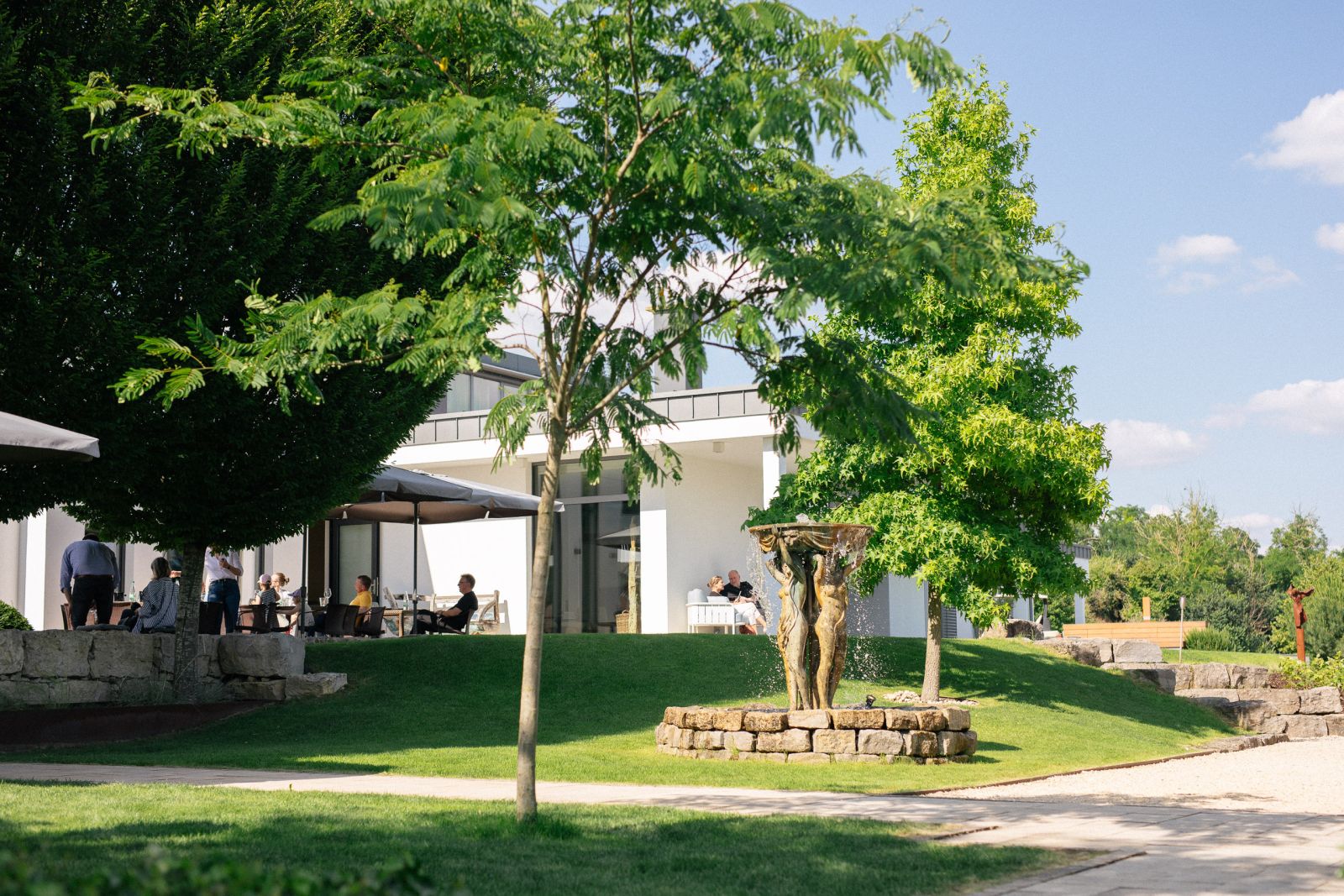
Events based around food and drink are hosted almost every weekend over the course of the year by Roter Hang wineries, including the Nierstein Wine Festival in early August. And the city of Mainz is just 15 km/9 mi away, with its burgeoning culinary scene.
“The most beautiful time to come is spring,” according to Spanier-Gillot, and she also recommends coming in September and October to experience the energy and atmosphere of harvest time. Over the past thirty years, the Rheinhessen has evolved at a rapid pace and is now one of the most innovative and exciting regions in Germany. Even if you can’t visit in person, you can taste it in the wines.