
BLOG
Champagne
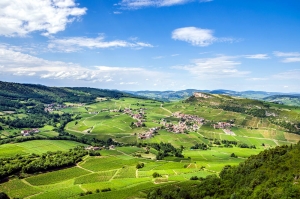
The white wines of France offer unrivaled perfection. With few exceptions, every vineyard growing white grapes is so planted not because reds won’t grow well there, but because whites will flourish. France’s white wines are not an afterthought or a consolation prize. These are vinous treasures worth exploring.

Most wine lovers live to eat, so at best wine tourism is also a gastrotourism. The restaurant scene is Champagne is not quite as bubbly as the name suggests, but thanks to champagne houses’ entertaining and champagne tourism, the region has many fine restaurants: L’Assiette Champenois with three Michelin stars, Les Crayères and Racine with two stars and a handful of one-star places. Outside the top restaurants, the local cuisine is rather traditional, so do not expect gastronomic triumphs all around. It is worthwhile getting to know the best places in advance. Here are my 10 favourite addresses around Reims and Epernay.
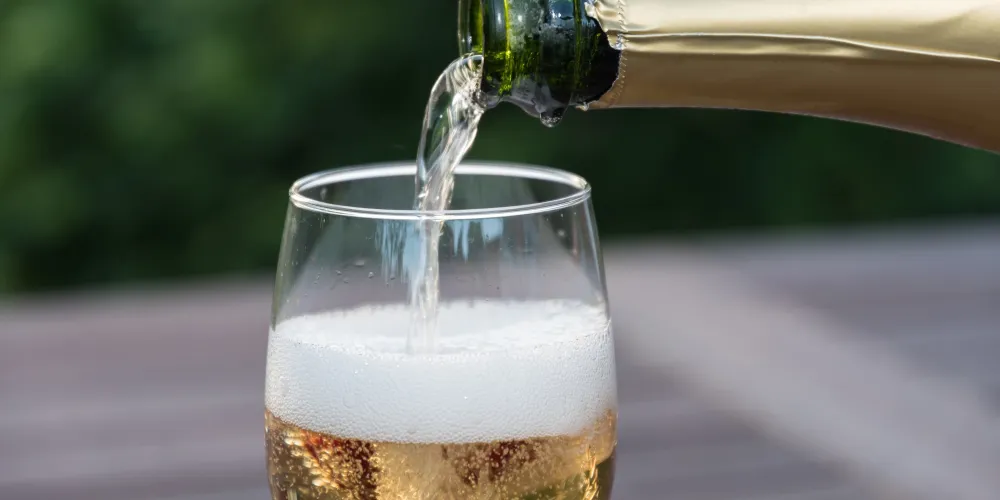
Champagne, Fizz, Bubbles, Traditional Method or Cap Classique… all these names are synonymous with one thing, great tasting sparkling wines made in the traditional way.
A BIT OF WINE CHEMISTRY: Lessons from Champagne
Day one of the Champagne study trip initiated a discussion which continued throughout the week of factors impacting aromas and flavors in champagne. Broadly, aromas can be categorized into the impacts of grape variety, terroir, vinification, and post-production events (influencing individual bottles versus entire “batches”).
This article will focus upon the biochemistry of sulfur, nitrogen, oxygen, and sugars in an acidic environment (esters arising from acidification of alcohol); the intent is not intended to be comprehensive. For purposes of this essay, the use of the word aroma will include the complex notes of aging characterized as “bouquet.”
“Although many efforts have been made to characterize the quality and flavor of the compounds in wine… tasting remains the single universal test used… This is because the taste of a molecule, or blend of molecules, is constructed within the brain of a taster.” F. Brochet and D. Dubourdieu, 2001
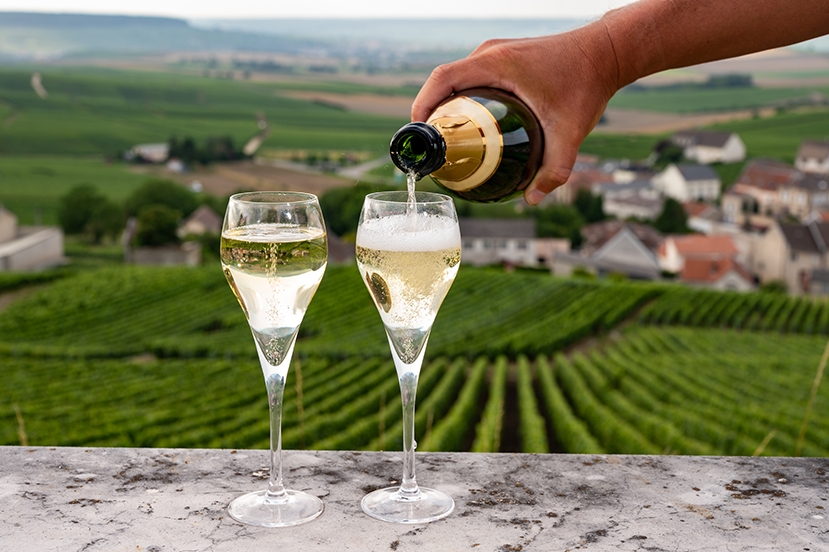
North vs. south
For over a century, the unanimity of the Champagne region has been called into question. Separated by departmental lines (départements being administrative regions in France), the Côte des Bar in the southern Aube department was often considered as that distant cousin who always embarrasses themselves at parties. The big houses of “mainland” Champagne in the northern Marne department did indeed buy loads of grapes from
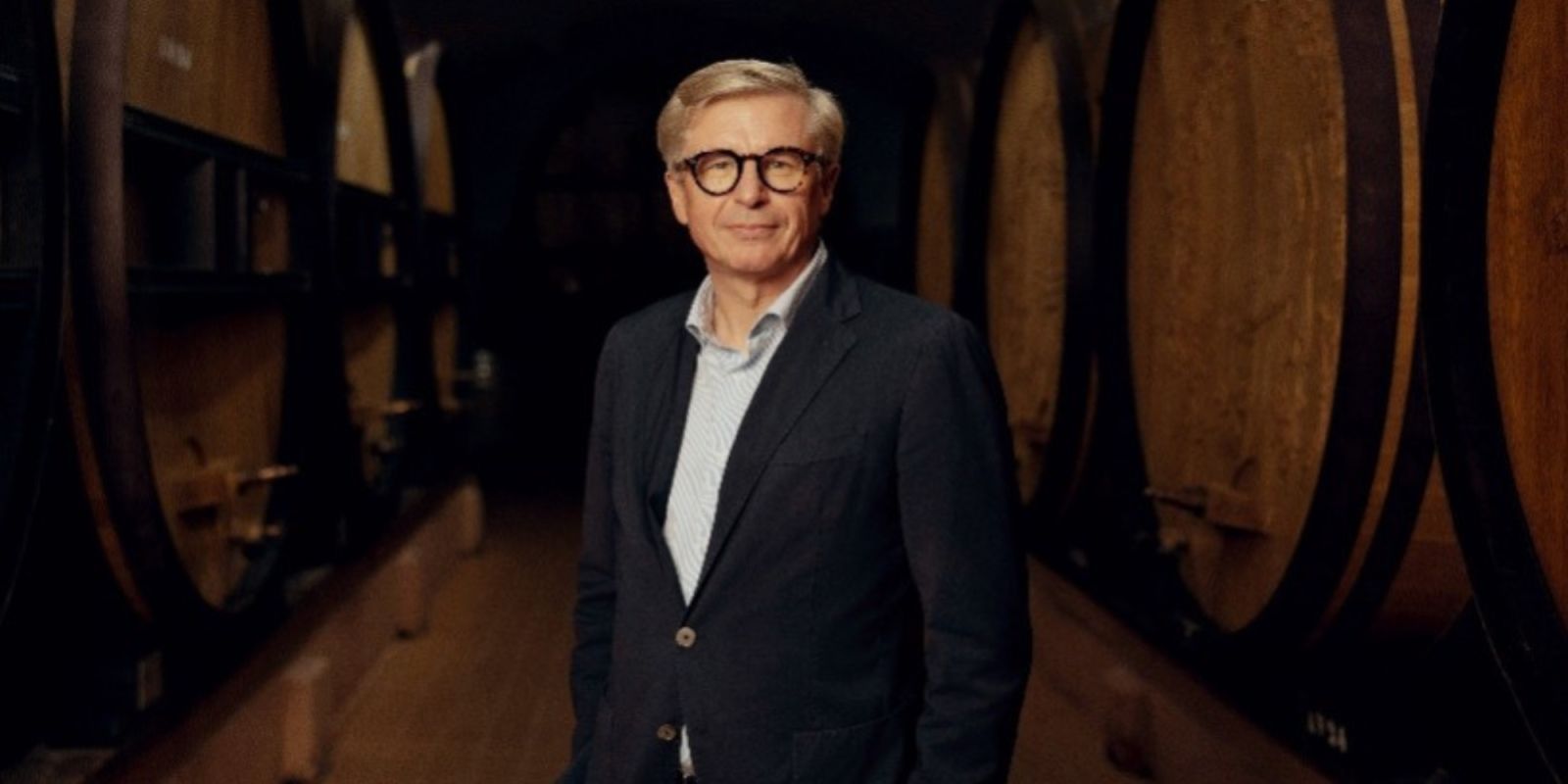
The loud pop, the lively bubbles; no wonder Champagne has long been associated with festivities. If the overarching brand could be reduced to one word, it would surely be this: celebration. This simple proposition, so easy to understand, has brought it huge success and popularity.
Peter Liem talks with us about the progressive movement in Champagne. As we’ll discover in this conversation, there’s more to the terroir story than the chalk soils and the weather.
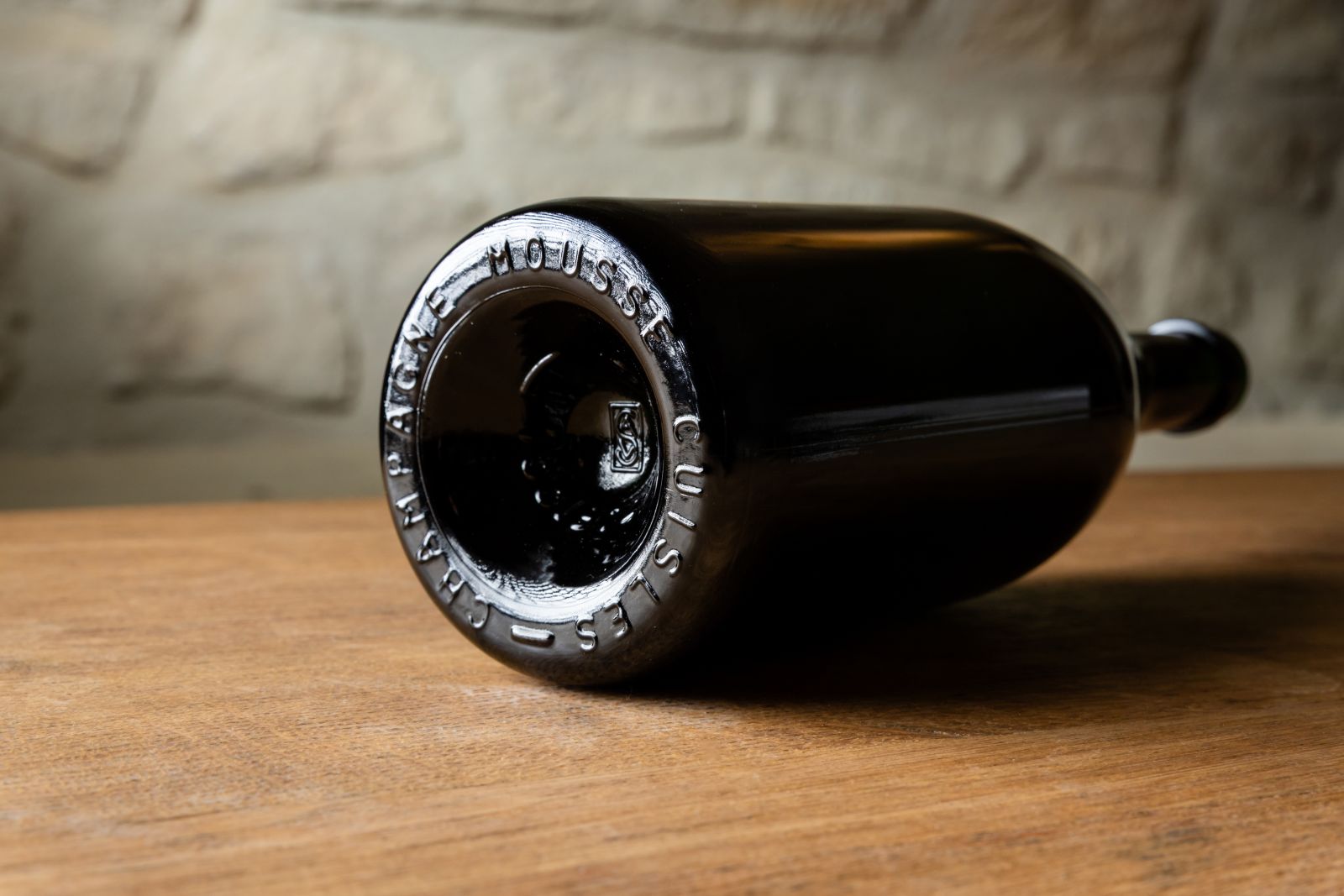
Ask a Champagne lover whether they'd prefer a bottle or a magnum, and watch what happens to their face. The eyes light up. The answer, invariably, is magnum — even among those who couldn't tell you exactly why. It turns out that instinct is correct. The magnum effect is not romantic mythology. It is physics. But what if a standard 75cl bottle could outperform a magnum? Until recently, the question was purely hypothetical. Now, it is not.

Autumn in Champagne is a spectacular time to explore the region. The countryside and vineyards are abounding in rich palettes of color and the intoxicating fall fragrance instills a unique sensorial experience. Champagne is like laughter as it fills my senses with joy, especially when the cork pops and the bubbles burst with song!
The educational experience created by the Wine Scholar Guild is a first class escapade! The inception of our tour and taste of Champagne, guided by Master of Wine, Essi Avellan, brought us full circle through the entire region with a sprinkling of the styles between Houses, Growers and Coopératives. Our adventure began with an introduction to the infamous Champagne Houses of Ruinart and Roederer.

France’s white wines can be counted among the best in the world. Whether you are looking for the best sparkling wines, chiseled white wines, decadent dessert wines, rich Rieslings or ageable Chardonnays—France has it all.
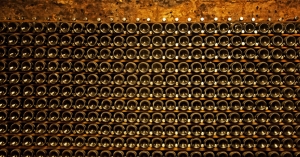
As an accomplished wine writer Andrew Jefford has decades of experience watching the French wine industry evolve. Here, he takes a look at the wine trends that are shaping the Champagne region, its landscape, its climate, the industry and ultimately, how winemakers are adapting in the cellar.

Do you know your Prosecco from your Pet Nat? And what is the transfer method in relation to traditional method? There are many kinds of sparkling wine. Check out our guide to understanding the most common styles of bubbly wines.
The way those bubbles got there, along with the aromas and flavors displayed, is what sets one sparkling wine style from another.