
BLOG
Italian wine education
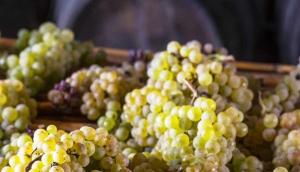
Grapes for Vin Santo Drying in the Vinsantaia
One of the most characteristic wines of Toscana is Vin Santo. This passito is an ancient and traditional specialty produced throughout the entire region. Its origin dates back to the Middle Ages, but the prototype for this style of wine can be traced back to the Greeks and the Romans.
Most Vin Santo is made from white grapes, typically Trebbiano Toscano and Malvasia Bianca Lunga. It can be made from just one of these grapes but is more commonly a blend of the two. Trebbiano provides acidity while Malvasia provides body, texture and perfume. A rare, pink Vin Santo called Vin Santo Occhio di Pernice (“partridge eye”) is made from red grapes, usually Sangiovese. Only a few producers make this pink version.
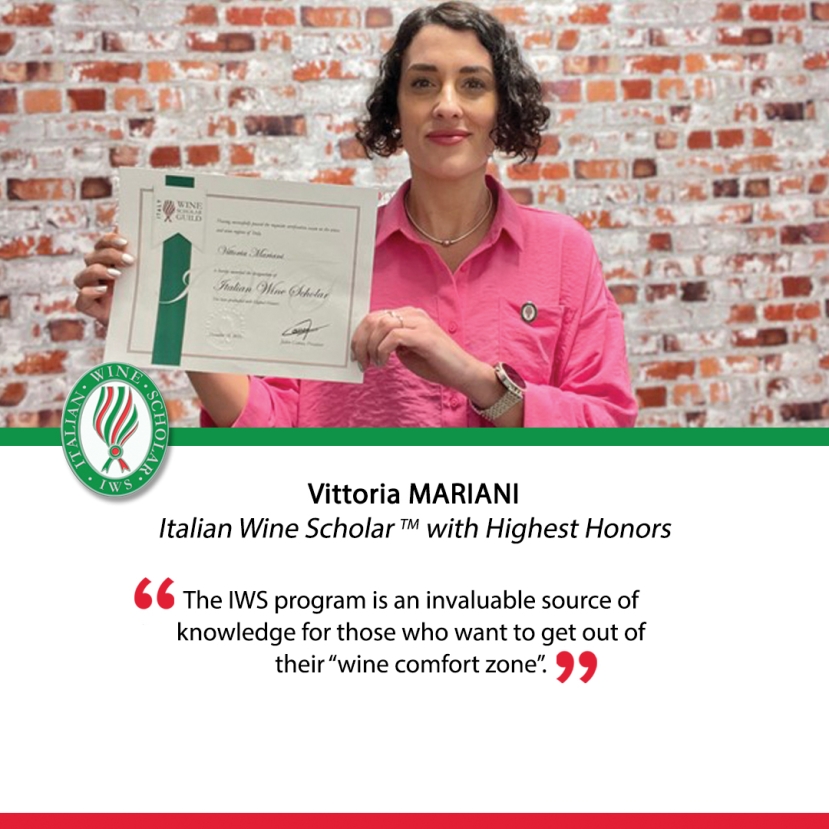
Congratulations to Vittoria Mariani, IWS, for passing the Italian Wine Scholar exam with highest honors!
About Vittoria:
Born and raised in Napoli, in the sunny southwest coast of Italy, Vittoria moved to Amsterdam 9 years ago to complete her

Learning Italian wine inside and out can be a thrilling experience, but it can also be confounding. The wrinkles in Italian wine law are numerous, and staying on top of the latest modifications to DOC and DOCG regulations can feel as time consuming as the slow train from Naples to Sorrento.
Fortunately, we have Maurizio Broggi on our side. As Education Director for the Italian Wine Scholar® program, he stays in close contact with Italy’s innumerable consorzi to learn about trends in the vineyards and wineries, as well as changes to their regulations — all so he can keep our education materials up-to-date.
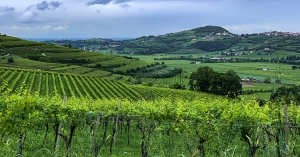
The wines of Valpolicella dance across the tongue with the same lift and loveliness as the name itself. Ideal with humble pastas as well as lighter red meats and game birds, it is well-suited to the table. As the more modest bottling of the Valpolicella region, it is largely (and unfairly) overlooked among Italian reds these days.
Valpolicella is the so-called “everyday” red wine of the eponymous production zone that is situated just north of the city of Verona, and extends west and east of the city. Other reds here include the iconic Amarone della Valpolicella as well as Ripasso, a wine made via a method of refermentation and remaceration, in which a Valpolicella is “repassed” over the skins of grapes used for Amarone.