
BLOG
Italian Wine Regions
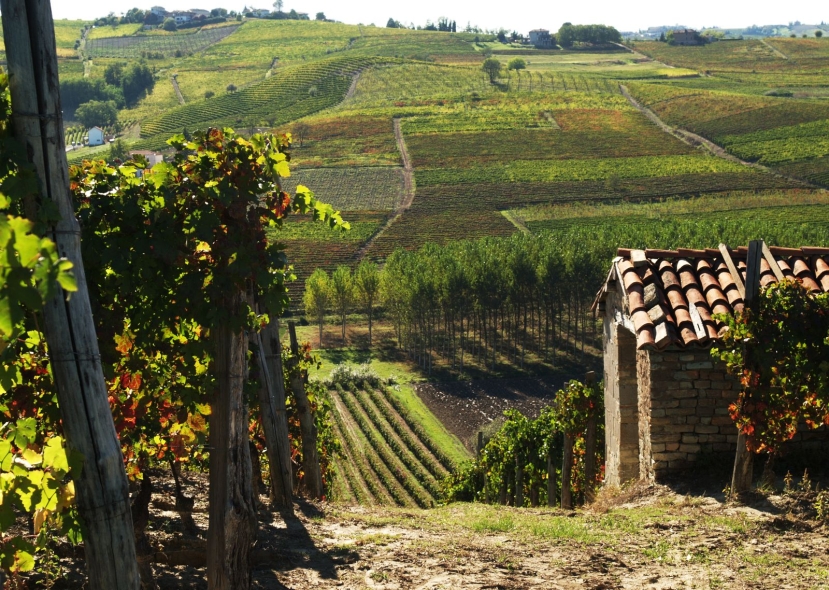
The Etruscans were the first to produce wine in northern Italy; beginning with wild varieties, they cultivated vines in Piedmont centuries before the Romans arrived. Nevertheless, it was the Romans who advanced commercial winemaking, significantly increasing the area under vine and using props, trellises and ‘Greek presses’ to dependably supply the empire’s domestic and trading needs.

On June 25th, London played host to a prestigious gathering of Italy's top wine producers, unveiling their flagship wines to the UK trade and press.

Sicily captivates wine enthusiasts and travellers around the world, an island that in recent years has become famous not just as a holiday destination (White Lotus fans can attest) but also for the growing production of high-quality wines.

Not all geographical indications (GIs) are created equal. Small ones are often associated with higher-quality wines, while broader, region-wide designations are generally reserved for more regular bottlings. Take Veneto, for instance. Names like Amarone della Valpolicella Classico, Soave Classico, and Conegliano Valdobbiadene Prosecco Superiore are more often than not found on more prestigious labels than the region-wide Veneto IGT, generally destined for more unassuming liquids.

Taurasi, Southern Italy’s greatest red wine, has enjoyed a spectacular and highly distinctive history. The wine is capable of extremely lengthy cellaring, as examples from the 1940s and 1950s prove even today; in fact versions from the 1928 and 1934 vintages are still

This short article is a follow up to my webinar for WSG of 7th June, 2022. It is primarily a reference piece which aims to give more detailed information than the power point format allows. It includes full listings of the Rive sub-zones, terroir areas identified in studies of the Conegliano Valdobbiadene denomination and lists of producers currently bottling Rive wines.

I returned to Campania recently for the first time in three years and as with most Italian regions, discovered that not much had changed, at least as far as appearances are concerned. I did meet a few producers I hadn’t visited before, with one of them – Petilia – being a great new discovery for me. More on that below, but overall what impressed me most was the consistency of the wines, white and red.

In a country famous for red wine, Italy’s white wines are often overlooked. Although the country has gone global with a range of crisp, well-priced and crowd-pleasing whites, there’s plenty of seriously impressive Italian white wine waiting to be discovered.
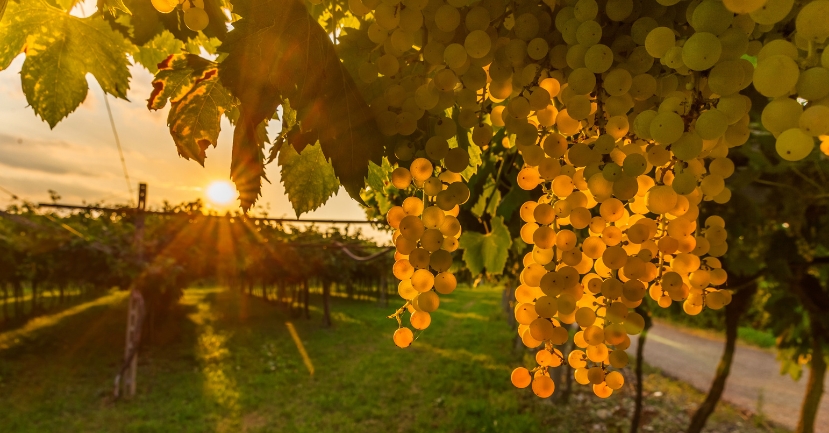
When you think of Italy’s vast array of wine grapes, which one comes to mind as the most difficult to study? Maybe Nebbiolo, for its seemingly endless site-specific details? Or Sangiovese, simply because there is so much of it, in so many different forms? I would posit that Trebbiano is perhaps the most perplexing. For one, Trebbiano grapes appear in vineyards across the Italian peninsula. In the case of Trebbiano Toscano and Trebbiano Romagnolo, they are among the most widely planted white wine grapes in Italy. The potential for variability is astounding.

The Romans arrived in Piedmont during the 2nd century BC, establishing colonies in Eporedia, Derthona, and Augusta Taurinorum (Ivrea, Tortona, and Turin, respectively). These territories were strategically important—their locality to the Alps helped the Romans control northerly invaders. As was customary, the Romans settled and built roads, aqueducts, amphitheatres, bridges, and established towns and cities. They also planted vines but were not the first to do so here...

Learning Italian wine inside and out can be a thrilling experience, but it can also be confounding. The wrinkles in Italian wine law are numerous, and staying on top of the latest modifications to DOC and DOCG regulations can feel as time consuming as the slow train from Naples to Sorrento.
Fortunately, we have Maurizio Broggi on our side. As Education Director for the Italian Wine Scholar® program, he stays in close contact with Italy’s innumerable consorzi to learn about trends in the vineyards and wineries, as well as changes to their regulations — all so he can keep our education materials up-to-date.

The wines of Valpolicella dance across the tongue with the same lift and loveliness as the name itself. Ideal with humble pastas as well as lighter red meats and game birds, it is well-suited to the table. As the more modest bottling of the Valpolicella region, it is largely (and unfairly) overlooked among Italian reds these days.
Valpolicella is the so-called “everyday” red wine of the eponymous production zone that is situated just north of the city of Verona, and extends west and east of the city. Other reds here include the iconic Amarone della Valpolicella as well as Ripasso, a wine made via a method of refermentation and remaceration, in which a Valpolicella is “repassed” over the skins of grapes used for Amarone.