
BLOG
Piemonte
This article has been published in partnership with World of Fine Wine and Wine Scholar Guild.
A topsy-turvy 2019 Barolo growing season set many challenges for growers who produced wines that are classical in structure, with firm tannins and high acidity but less of the density and richness of recent warmer years, says Andrew Jefford, who was joined by Bruno Besa and Michael Palij MW.
Any wine student or lover of Italian wines can name the country’s most famous red wines, such as Barolo, Brunello di Montalcino or Amarone della Valpolicella. But given the variety of Italian wines and grape types, it stands to reason that there are many more examples produced throughout the country. This article is the first in a series about a few of the lesser known red wines of Italy; we begin with Piemonte.
While there are three famous red varieties in Piemonte – Nebbiolo, Barbera and Dolcetto – there are several others that produce very expressive wines.
In the previous post, we considered lesser known red grape varieties and wines from Piemonte. For this article, we will examine similar wines and grapes from Trentino, Friuli Venezia Giulia and Sicily.
Thanks to a string of successful vintages, there has been a great deal of recent publicity regarding Barolo and Barbaresco wines.
Produced entirely from Nebbiolo, these two iconic wines have changed in style over the past 20-30 years; where once, the wines were reserved upon release, today, the wines are riper and more forward. This is largely due to climate change, as warmer temperatures throughout the growing season have necessitated Nebbiolo harvests some two to three weeks earlier these days than in the 1980s, ‘70s and prior; while late October to early November was normal for a Nebbiolo harvest thirty and forty years ago, today, harvest is more typically in early-mid October.
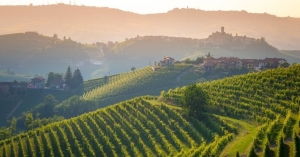
Apart from the Côte d’Or in Burgundy, perhaps no other wine territory has been dissected in greater detail than the Barolo zone. This makes perfect sense, as these are arguably the two most ideal representations of the concept of terroir; just as Pinot Noir from one village in Burgundy reveals different flavors than that of another nearby hamlet, so too offerings of Barolo from various communes often display diverse characteristics, despite the fact that every wine here is made exclusively from Nebbiolo.
There are 11 approved communes in the Barolo production zone. For this article, we will deal primarily with the five largest: La Morra, Serralunga d’Alba, Monforte d’Alba, Castiglione Falletto and Barolo itself. The remaining six are Cherasco, Diano d’Alba (interestingly, planted more to Dolcetto than Nebbiolo), Grinzane Cavour, Roddi, Verduno and Novello; these last two are home to two of the most in-demand vineyards in the entire zone: Monvigliero in Verduno and Ravera in Novello.
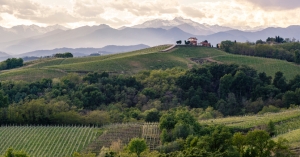
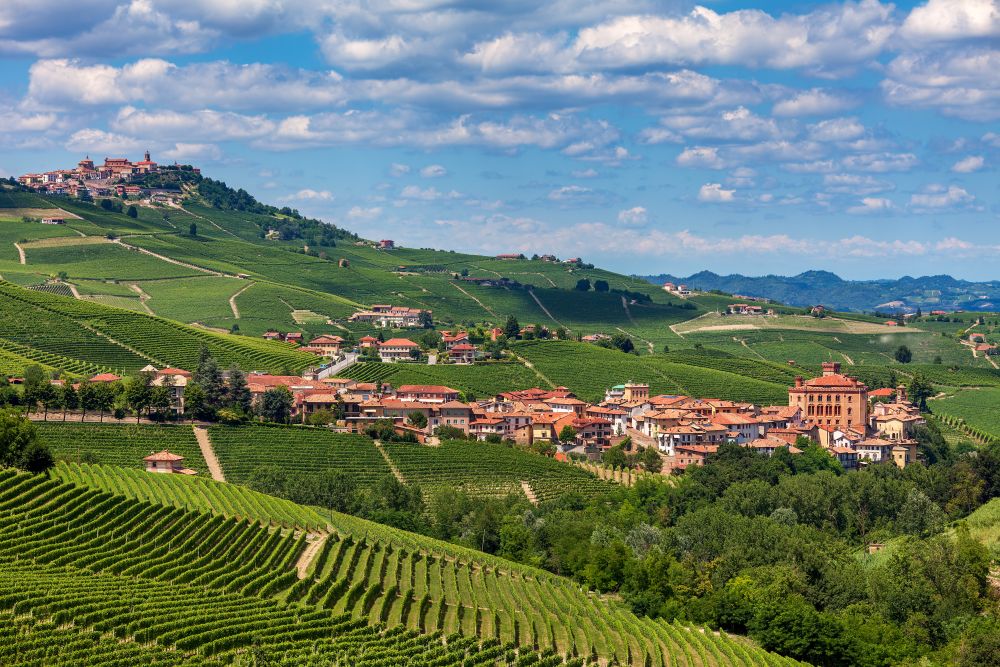
The best-known wines of Piemonte, such as Barolo, Barbaresco, Roero Arneis and Moscato d’Asti are produced from grapes grown in the southern sector of the region; this includes the province of Cuneo and Asti, in districts such as the Langhe and Roero. But farther north, Alto Piemonte is a territory that is home to some of the region’s most complex, yet least understood wines. Gattinara, Boca and Ghemme are a few of these selections, and these days, greater attention is being paid to these wines and this relatively unknown viticultural outpost.
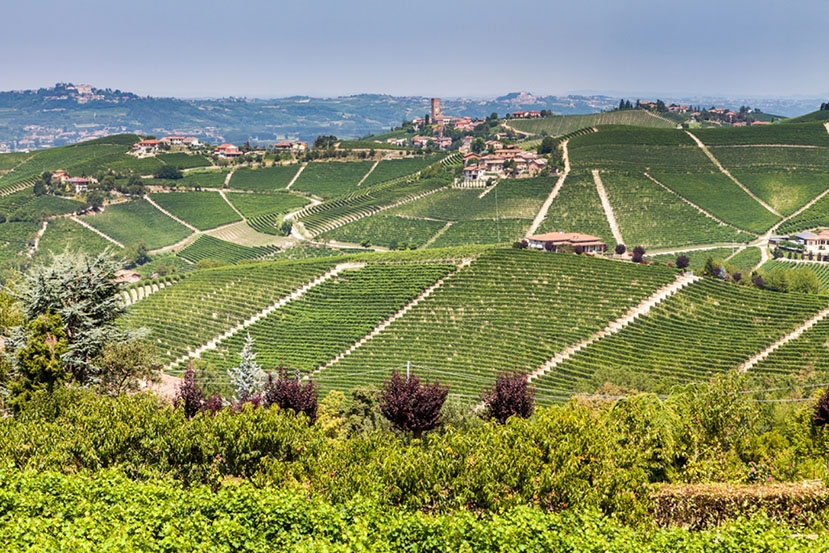
Post–World War II, global wine production underwent a rapid and profound transformation. New developments in wine science from Montpellier, Geisenheim, and Bordeaux helped clean up wine,
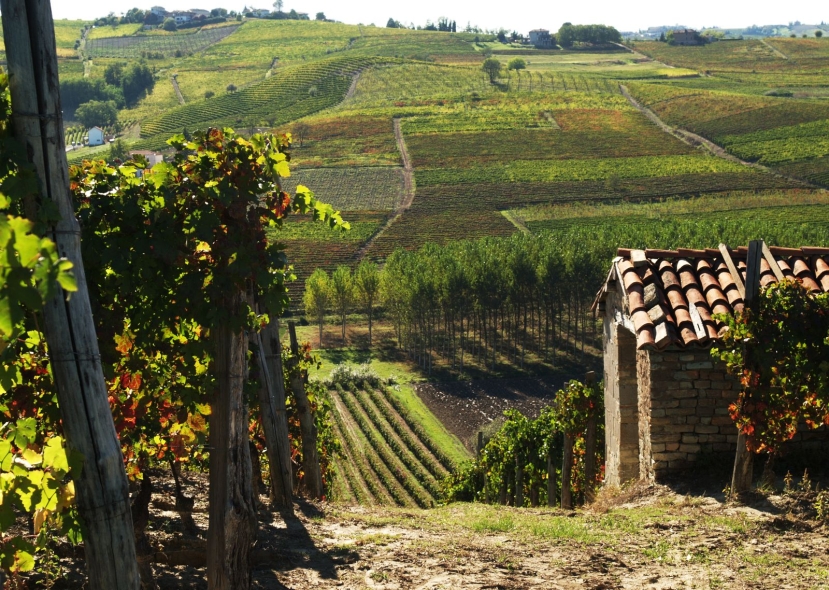
The Etruscans were the first to produce wine in northern Italy; beginning with wild varieties, they cultivated vines in Piedmont centuries before the Romans arrived. Nevertheless, it was the Romans who advanced commercial winemaking, significantly increasing the area under vine and using props, trellises and ‘Greek presses’ to dependably supply the empire’s domestic and trading needs.

The Romans arrived in Piedmont during the 2nd century BC, establishing colonies in Eporedia, Derthona, and Augusta Taurinorum (Ivrea, Tortona, and Turin, respectively). These territories were strategically important—their locality to the Alps helped the Romans control northerly invaders. As was customary, the Romans settled and built roads, aqueducts, amphitheatres, bridges, and established towns and cities. They also planted vines but were not the first to do so here...

Today, Veneto represents Italy’s most productive wine region and accounts for 25% of Italy’s total DOC/G wine production.