
BLOG
terroir wine
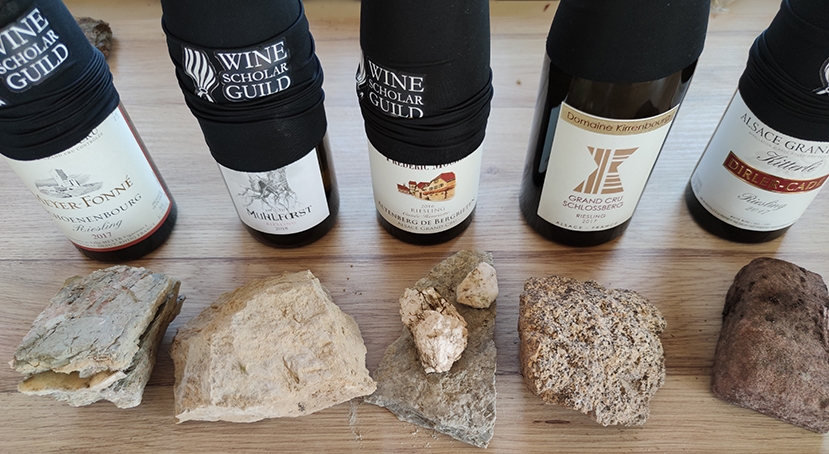
Is a wine horizontal or vertical? Square or round? Hollow or dense? Relaxed or tensed? Grainy or smooth? This is a small sample of GeoSensorial Tasting vocabulary — a method that seeks to empower the taster to feel, interpret and give voice to wines of place.
By focusing on mouthfeel and assessment criteria such as energy, salivation, geometry, texture and consistency, this methodology helps you to better understand the nuances that a specific terroir, among other factors, brings to wine and helps you to express those nuances. It puts light on how, for example, Chenin Blanc wines from the schist soils of Savennières, the tuffeau of Saumur and the flint-clay and limestone-clay of Vouvray differ from one another. Quite an ambitious undertaking!
This article is the first of an upcoming series by French neuroscientist Gabriel Lepousez. Gabriel is part of the Scientific Committee formed by WSG in the context of its "Architecture of Taste Research Project". He has also presented a fascinating segment on "The Neuroscience of Wine Tasting" as part of The Science of Wine Tasting Webinar Series which will resume with new episodes in the Spring of 2022.
The wine tasting paradox
There is a real paradox in the experience of tasting a product like wine. Tasting is such a familiar, instinctive, and seemingly obvious act; something that we take for granted. At the same time, wine is a one of the most complex sensory objects that we put into our mouths.
Indeed, wine is one of the rare sensory objects of our daily life which solicits all at the same time:
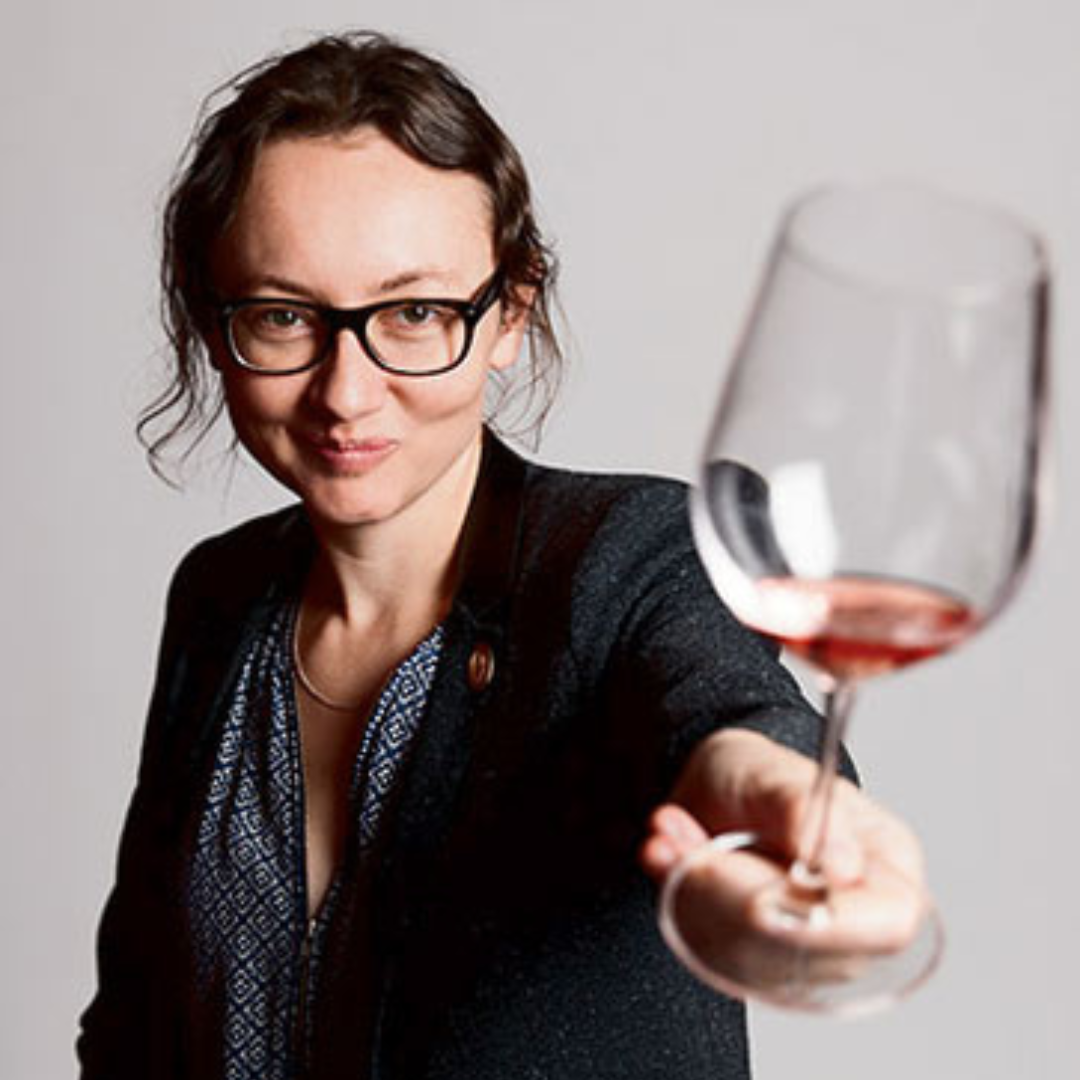
Pascaline Lepeltier is one of the world’s most respected and modern sommeliers and restaurateurs. Her list of accolades and professional achievements is endless. In 2018, she was the first woman ever to obtain the Meilleure Ouvrière de France in sommellerie (this is a very prestigious award that loosely translates to "best tradesperson of France") and the same year, she was named Best Sommelier of France. 2018 was action-packed for Pascaline as she also featured in popular wine-themed movie Somm 3.
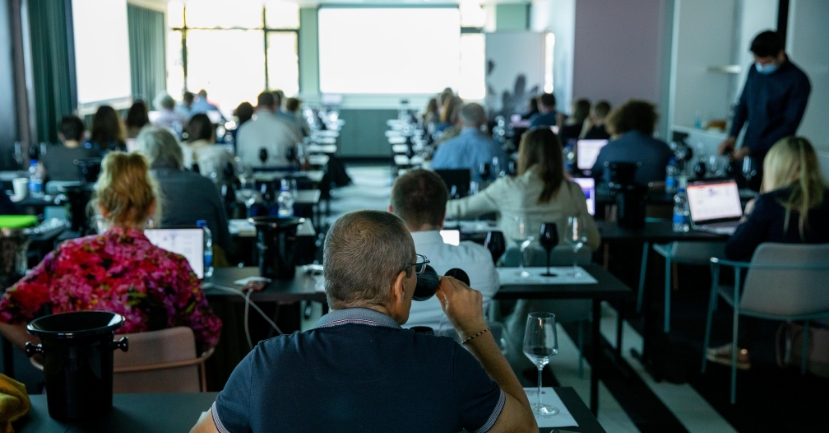
On the 6th of September 2021, Wine Scholar Guild hosted the first large-scale blind-tasting panel as part of its recently announced The Architecture of Taste Research Project.
Hosted at the Bristol Hotel in Colmar, Alsace, this panel tasting launched WSG’s research on the tactile and geosensorial tasting approach it developed over the past year.
The tasting was designed specifically to assess the experimental and innovative tasting grid that had been developed as part of the Architecture of Taste Research Project. Its eventual aim is a tactile and geosensorial tasting method which focuses on a wine’s energy, induced salivation, geometry/shape, texture, and consistency.
Such a tasting method would provide students of wine with an enriched and universal lexicon that not only assesses the qualities of a wine but also dives into the nature of a wine’s personality and, perhaps, its corresponding terroir signature.
The panel of tasters included owners or representatives of twenty top Alsace estates such as Albert Boxler, Weinbach, Marcel Deiss and Albert Mann. They were joined by a dozen wine professionals, including Pascaline Lepeltier MOF, a member of the ATRP Scientific Committee, as well as a dozen serious wine lovers. All in all, over 45 panelists participated in the tasting.

The WSG Tasting Diploma is a bold, multidisciplinary program designed to break free from the technical and soulless tasting methods that are most commonly taught. It's a complete reimagining of how to taste wine.
This revolutionary course will allow students to take their critical tasting skills to the next level and gain deeper understanding of expression of place and terroir in wine. The course delves deeply into neuroscience and a qualitative approach to wine tasting, with an emphasis on texture and mouthfeel. We consider many elements that are neglected in traditional tasting methodologies, such as energy, vitality, salivation and digestibility. In this article, Simon J. Woolf asks what makes the difference between mass produced commodity wine and artisanal wine that reflects its origins.