
BLOG
WSG tasting lab

The WSG Tasting Diploma is a bold, multidisciplinary program designed to break free from the technical and soulless tasting methods that are most commonly taught. It's a complete reimagining of how to taste wine.
This revolutionary course will allow students to take their critical tasting skills to the next level and gain deeper understanding of expression of place and terroir in wine. The course delves deeply into neuroscience and a qualitative approach to wine tasting, with an emphasis on texture and mouthfeel. We consider many elements that are neglected in traditional tasting methodologies, such as energy, vitality, salivation and digestibility. In this article, Simon J. Woolf asks what makes the difference between mass produced commodity wine and artisanal wine that reflects its origins.
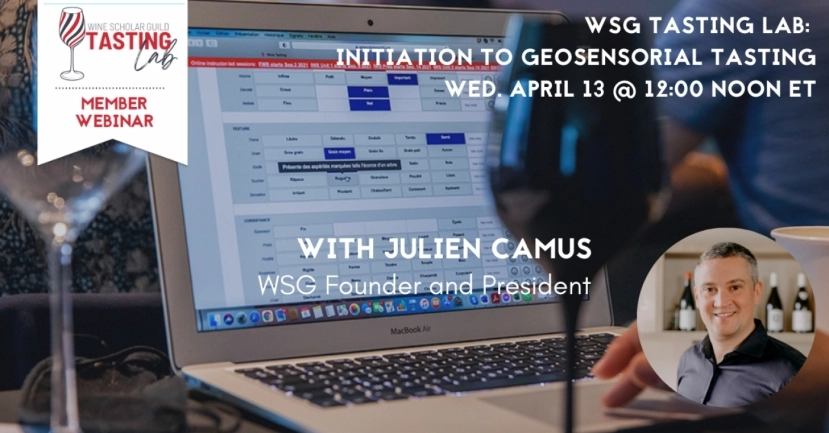
On April 13, WSG members, alumni and school network had the chance to discover WSG Tasting Lab®. This revolutionary way of tasting wine uses two distinct tasting grids and a lexicon created by WSG and wine industry experts that focus on a wine’s mouthfeel, texture and shape and how these elements might relate to the wines’ terroir signature.
The following two wines were tasted during this exciting webinar:
Domaine Marcel Deiss Grasberg 2016
Domaine Marcel

This wine has high acidity, medium alcohol with medium body, and aromas of lemon, lime, and wet stones. Sound familiar? Wine tasting notes can appear strikingly similar on paper, especially when tasting a suite of comparable wines. But, as a taster, how can you differentiate them? Do we learn anything about their terroirs or production methods from this tasting note?
WSG's Tasting Lab® allows you to take your