BLOG
How to Choose Better Wine: Follow the Producer, Not Just the Appellation
Julien Camus
Insights and Opinions
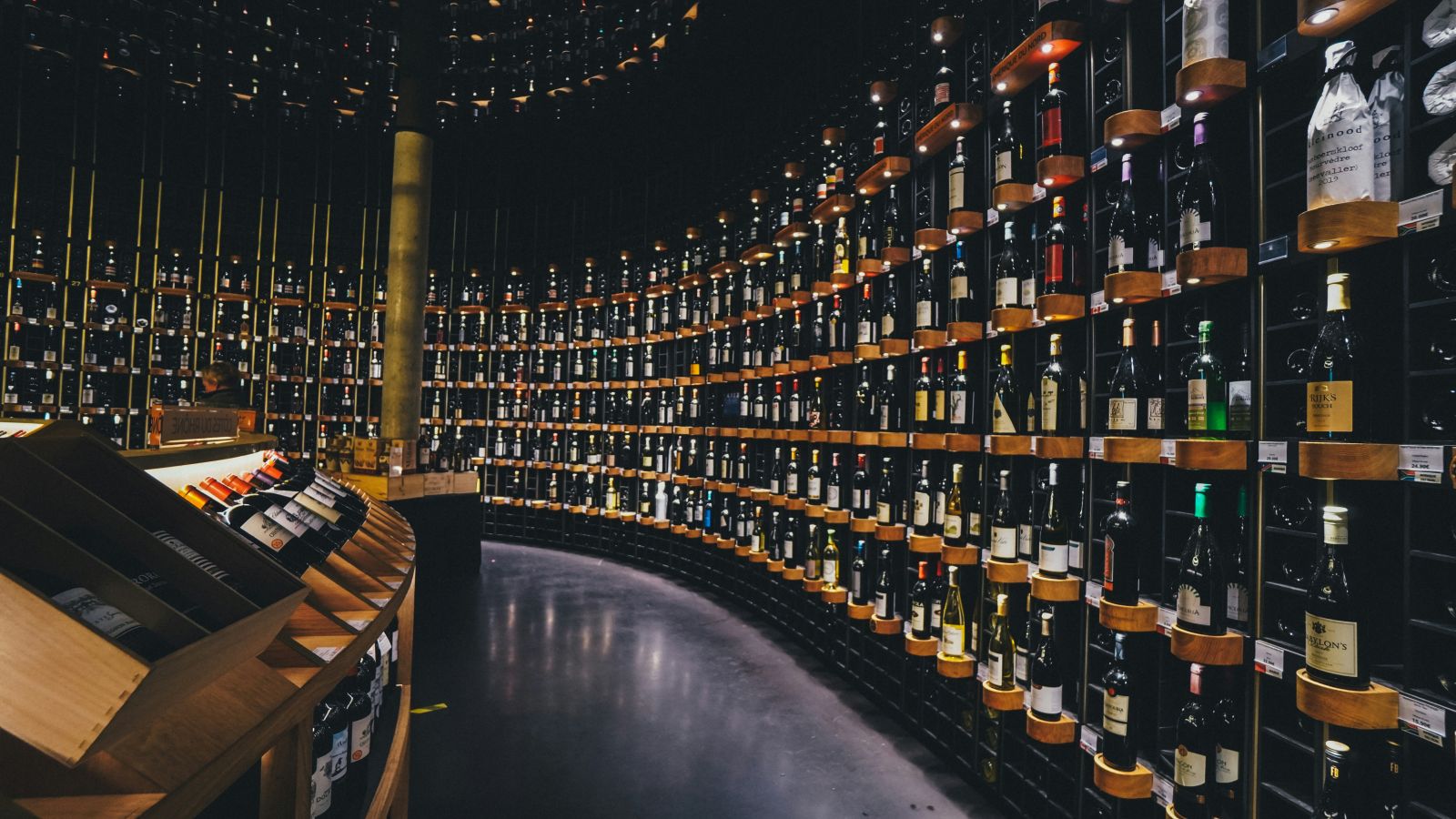
Appellations can orient us, but the producer ultimately determines what reaches the glass.
The wine list is placed in your hands. Flipping back and forth, you settle on an appellation, which then presents another decision: should you go for a Chablis Grand Cru from a domaine you've never heard of, or a village Chablis from Dauvissat?
Here's a confession from our side: when we open a wine list, we no longer start with appellations at all. The eye moves past the famous names and searches for something else — the producers we know and love, wherever they may be.
Appellations and classifications can orient you; that is what maps are for. They can point you toward the possibility of good, even great wine. But maps, at least in their current form, cannot tell you who is interpreting the place — how they farm it, why they do what they do, or how their choices and philosophy find expression in the glass.
How Appellations Get Famous
Reputation in wine is built from many things, and not all of them are in the bottle. Sancerre is one of the most recognized white wine appellations on earth, and it has earned much of that recognition. But part of its fame rests on other factors: it is a large appellation, easy to pronounce in many languages, gathered around a picturesque hilltop village, and relatively close to Paris — historically France's largest and most influential wine market. Proximity to money and markets has always mattered in wine; ask Bordeaux, or Porto. Sancerre is widely distributed in export markets and, if newsfeeds are to be believed, stocked in Taylor Swift's fridge. Fame, however, is not the same as quality. Quincy and Reuilly, Sancerre’s western neighbors, can also produce Sauvignon Blanc of real quality, sometimes with striking finesse, often at lower prices. These adjacent appellations are simply less famous, less exported, and easier to overlook.
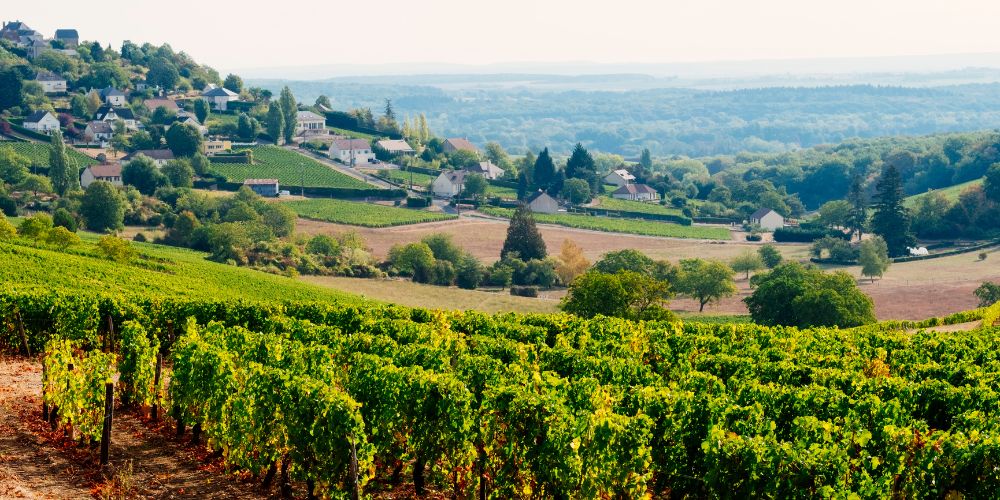
The pattern repeats elsewhere. Châteauneuf-du-Pape carries the weight of history: the papal legacy, its legendary galets roulés, the embossed bottle. Gigondas and Vacqueyras, working nearby landscapes with many of the same grapes, rarely command the same global attention — or prices. To be fair, fame can work in a region’s favor: a famous name sells more easily, and easier sales can mean more to invest in the vines and the winery. But fame also permits the opposite — a producer can rest on a reputation the appellation earned long ago. Prestige guarantees a high price. It does not guarantee the effort to match.
Even the classifications themselves, honest as they can be about terroir's potential, cannot tell you the thing that matters most: the people farming that land, and how. Armand Rousseau's village-level Gevrey-Chambertin can outclass Grand Cru bottlings from less committed hands — a matter of effort and ethos. In Alsace, Albert Boxler's village Riesling can carry much of the care and character of his Grand Cru bottling, at a far lower price. And Domaine Mayard’s Côtes du Rhône comes remarkably close to the quality of the domaine's Châteauneuf-du-Pape, for a third of the price. Knowing Rousseau, Boxler and Mayard tells you more than knowing the classification alone ever will.
The Producer Argument
The most useful question to ask of any bottle is not "Which appellation?" but "Who made this?"
Some of the most compelling evidence comes from producers who have stepped outside the system entirely — and taken the market with them. In Tuscany, as Andrea Eby, WSG's Italian Programs Director, points out, Montevertine and Isole e Olena still bottle their greatest wines — Le Pergole Torte and Cepparello — as humble Toscana IGT, and both are more sought after than most Chianti Classico Gran Selezione, the region's official summit.
The Gaja story makes the deeper argument. In 1996, Angelo Gaja pulled his celebrated single-vineyard wines out of Barbaresco DOCG and sold them for nearly two decades as Langhe DOC — and nobody treated it as a downgrade. From the 2013 vintage, his daughter Gaia brought them back into the appellation, wanting them to be pure Nebbiolo rather than carry the touch of Barbera her father preferred. He chose to leave the appellation; his daughter chose to return. As Eby puts it, the story is about a producer choosing the appellation on their own terms — in both directions. The classification serves the producer's vision, not the other way round.
Sometimes the inversion is even starker — not a great producer's village wine beating someone else's grand cru, but a great producer's entry-level wine outranking an entire prestige category. Giuseppe Quintarelli's everyday Valpolicella Classico is more prized than most producers' Amarone, the region's supposed pinnacle.
In France, some of the country's most hunted wines hide under its humblest designations. Emmanuel Reynaud — of Château Rayas fame — makes Château des Tours Côtes du Rhône and Domaine des Tours Vin de Pays de Vaucluse: everyday designations with cult followings, chased by collectors more than many a cru classé. In the Languedoc, Grange des Pères sells as simple IGP Pays d'Hérault and remains one of southern France's most sought-after bottles. And in Provence, Domaine de Trévallon accepted declassification rather than bend its celebrated Cabernet–Syrah blend to the appellation's limits — its wines now command prices far beyond their modest designation. These are not always rebels making a point. Often, they are producers whose ambitions simply exceed what the rules accommodate.
Rules, like wine, are always made by people situated in a particular time and place. Also like wine, some rules age well, and others do not withstand the passing of time.
Let us be clear about what we are saying. This is not an argument against appellations. In Burgundy and beyond, the maps were drawn from terroir itself — centuries of observation, parcel by parcel — and often drawn remarkably well. At their best, they preserve memory, protect origin and continue to offer wine lovers a useful guide. But even the most accurate map of a vineyard tells you nothing about the hands and feet that move through it, the people who live from this place. Appellations are beginnings, not ends in themselves. The first and last question is always the simplest one: is the wine delicious? Does it move you? The classification can help predict the answer. But knowing the producer takes you far closer.
The Map Is Continuously Redrawn
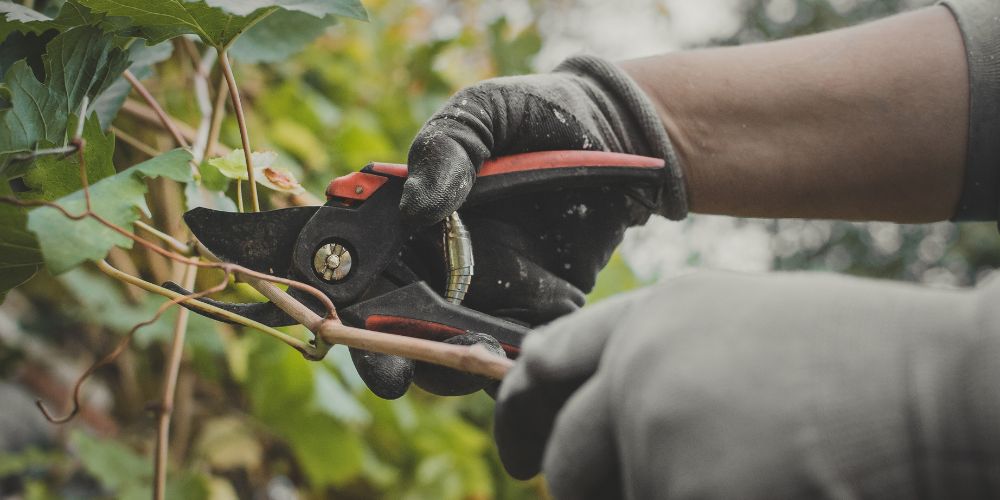
Another reason not to memorize the hierarchy is that it doesn't stay still. Nowhere is that clearer right now than Germany, which is building its first national classification of premier and grand cru vineyards, writing into law what the VDP's private classification pioneered over decades, with the VDP itself now helping to set the criteria. "It feels like all the cards of German wine are being reshuffled," says Valerie Kathawala, lead of WSG's German Wine Scholar program. With the cards still in the air, reputations are being made the old-fashioned way — by what’s in the glass — and a generation of growers is earning recognition that owes nothing to any official stamp. “A surge of confidence, open-mindedness, pragmatism, cooperation, skill and talent is rewriting the rules of what constitutes greatness in German wine,” says Kathawala.
A case in point is Lukas Hammelmann in the Pfalz, who in a single decade has lifted the village of Zeiskam from total obscurity to serious attention — through a feel for its untapped limestone and sandstone soils, small-scale organic farming, a tight focus on Riesling, Chardonnay and Spätburgunder (Pinot Noir), and a light hand in the cellar. No classification told anyone Zeiskam mattered. A producer demonstrated it. As Kathawala puts it, Hammelmann shows "how much the human factor matters to our understanding of terroir."
The same renewal is happening grape by grape — and, tellingly, it is always producers doing the reviving. In Burgundy, Aligoté spent decades dismissed as the “other” white grape, until growers like Sylvain Pataille in Marsannay and Aubert de Villaine in Bouzeron — who helped win the variety its own appellation — proved how serious it could be. In Chile, Louis-Antoine Luyt and a generation of like-minded growers turned old-vine País, long relegated to bulk wine, into some of the country’s most alive and original bottles. In South Africa, old-vine Cinsault was a blender’s afterthought until producers such as Duncan Savage and Eben Sadie showed what it could do. In every case, the grape didn’t rescue itself. Somebody believed in it.
Smarter Paths In
Building producer knowledge takes time — there is no way around that. Ask an AI for the best producers in a region and you'll get a reasonable list in seconds: largely the names already written about most, which is reputation again by another route. What it can't tell you is which of those wines you like, or who the newcomer is that nobody has written up yet. That comes from tasting, and from time spent with the people who make the wine — and there are smarter ways to build it than buying blind and hoping for the best.
Start with importers. Good independent importers taste for a living, and their portfolios reflect years of accumulated choices. A producer's presence on a list you trust is a useful signal — never a guarantee, since importing is a business like any other, but a good place to begin.
Go to fairs — at every scale. Wine fairs are the most efficient tasting opportunities you will find. The big international shows contain multitudes: there is great wine to be found at Wine Paris, ProWein and Vinitaly, for those willing to walk the aisles. And some smaller gatherings self-select in useful ways — at La Dive Bouteille or Les Greniers Saint-Jean in Angers, much of Europe's organic and artisan vanguard pours in one place. No fair confers greatness, and no fair excludes it. But a day spent tasting across producers will teach you more than a shelf of guides.
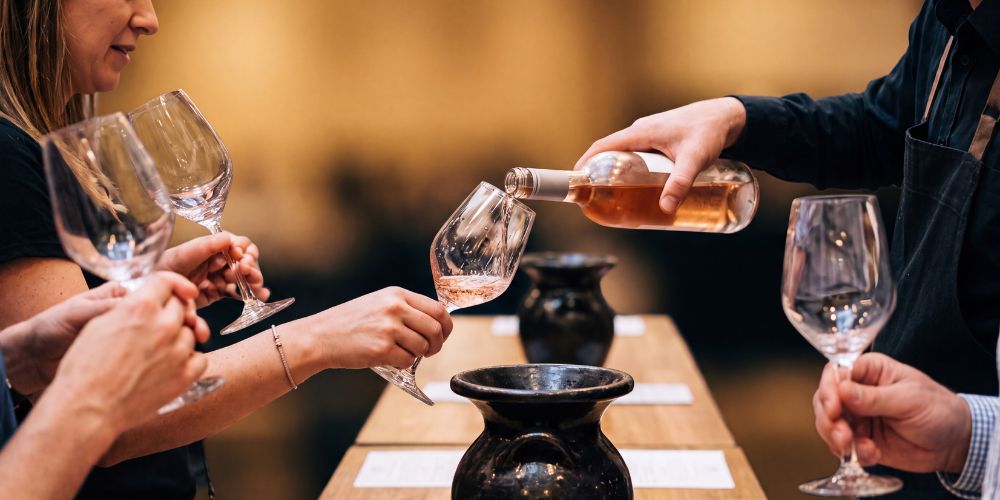
Taste actively. Join a tasting group, or start one; taste a region across several producers side by side, and the diversity the stereotypes hide becomes obvious in an evening. And now and then, conceal the two things most likely to sway you — the producer and the price. The wine in the glass doesn't know what it cost or where it ranks; knowing the grape and region is fine, but covering the label for an evening tells you how much producer and price had been deciding for you.
Above all, go deep rather than wide. An afternoon with two or three producers in one appellation — one famous, one less so — can teach you more than a month of reading about it.
Wine Is a Territory, Not a Hierarchy
Wine is not a map to be memorized. It is a territory to be explored — living, shifting, and far richer than any classification of it. None of this asks you to reject tradition or chase obscurity for its own sake. It asks for a more active mode of attention: to the people behind the wines, to the choices they make, and to your own palate's verdict, which no label can overrule. Use the appellation for orientation, but trust the producer for the wine itself.
That spirit of engaged, curious, non-dogmatic discovery is what we try to teach at WSG — and it starts with simple changes in habit and mindset. The next time a wine moves you, mind more than the appellation and the technical details. Find out who made it and what they stand for. Then find out — and taste — what else they make. You've just begun to draw a better map: your own.
By Julien Camus, co-written with Chris Howard