
BLOG
Terroir
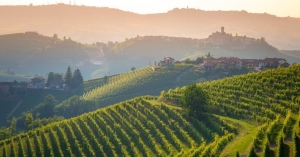
Apart from the Côte d’Or in Burgundy, perhaps no other wine territory has been dissected in greater detail than the Barolo zone. This makes perfect sense, as these are arguably the two most ideal representations of the concept of terroir; just as Pinot Noir from one village in Burgundy reveals different flavors than that of another nearby hamlet, so too offerings of Barolo from various communes often display diverse characteristics, despite the fact that every wine here is made exclusively from Nebbiolo.
There are 11 approved communes in the Barolo production zone. For this article, we will deal primarily with the five largest: La Morra, Serralunga d’Alba, Monforte d’Alba, Castiglione Falletto and Barolo itself. The remaining six are Cherasco, Diano d’Alba (interestingly, planted more to Dolcetto than Nebbiolo), Grinzane Cavour, Roddi, Verduno and Novello; these last two are home to two of the most in-demand vineyards in the entire zone: Monvigliero in Verduno and Ravera in Novello.
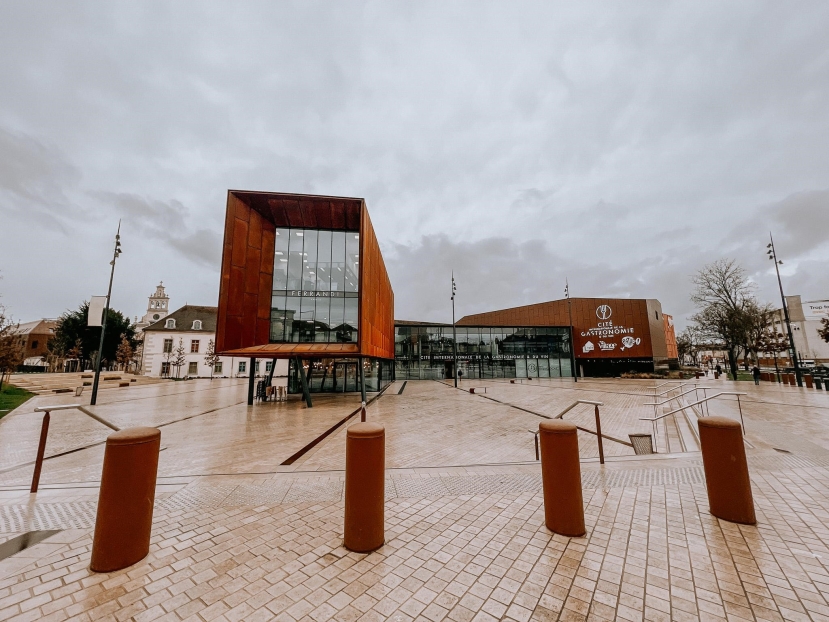
Uncovering the Secrets of Burgundy's Winemaking Tradition through Immersive Exhibitions, Workshops and Tastings...
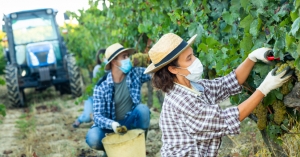
Where are we headed? This is a question which all of us have probably asked ourselves at some point during 2020, as a global pandemic unfolds chaotically across a planet experiencing runaway climate change. Both challenges have directly affected French wine growers, with trade tariffs imposed by the USA on European winegrowers forming a third stress-inducing headwind.
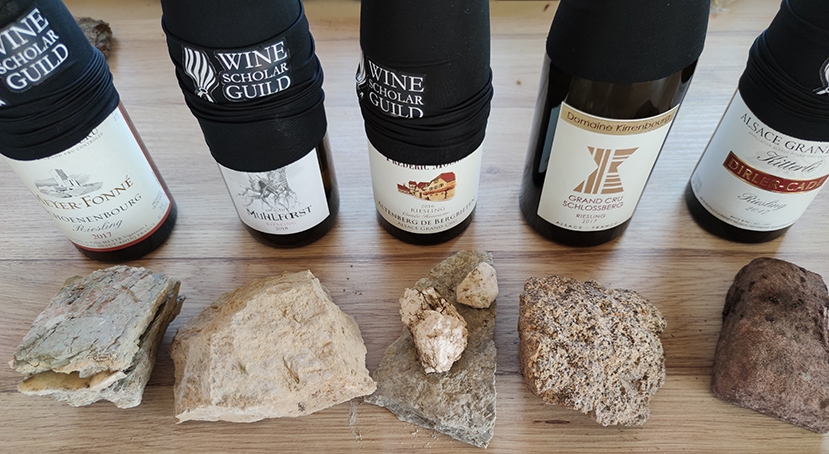
Is a wine horizontal or vertical? Square or round? Hollow or dense? Relaxed or tensed? Grainy or smooth? This is a small sample of GeoSensorial Tasting vocabulary — a method that seeks to empower the taster to feel, interpret and give voice to wines of place.
By focusing on mouthfeel and assessment criteria such as energy, salivation, geometry, texture and consistency, this methodology helps you to better understand the nuances that a specific terroir, among other factors, brings to wine and helps you to express those nuances. It puts light on how, for example, Chenin Blanc wines from the schist soils of Savennières, the tuffeau of Saumur and the flint-clay and limestone-clay of Vouvray differ from one another. Quite an ambitious undertaking!
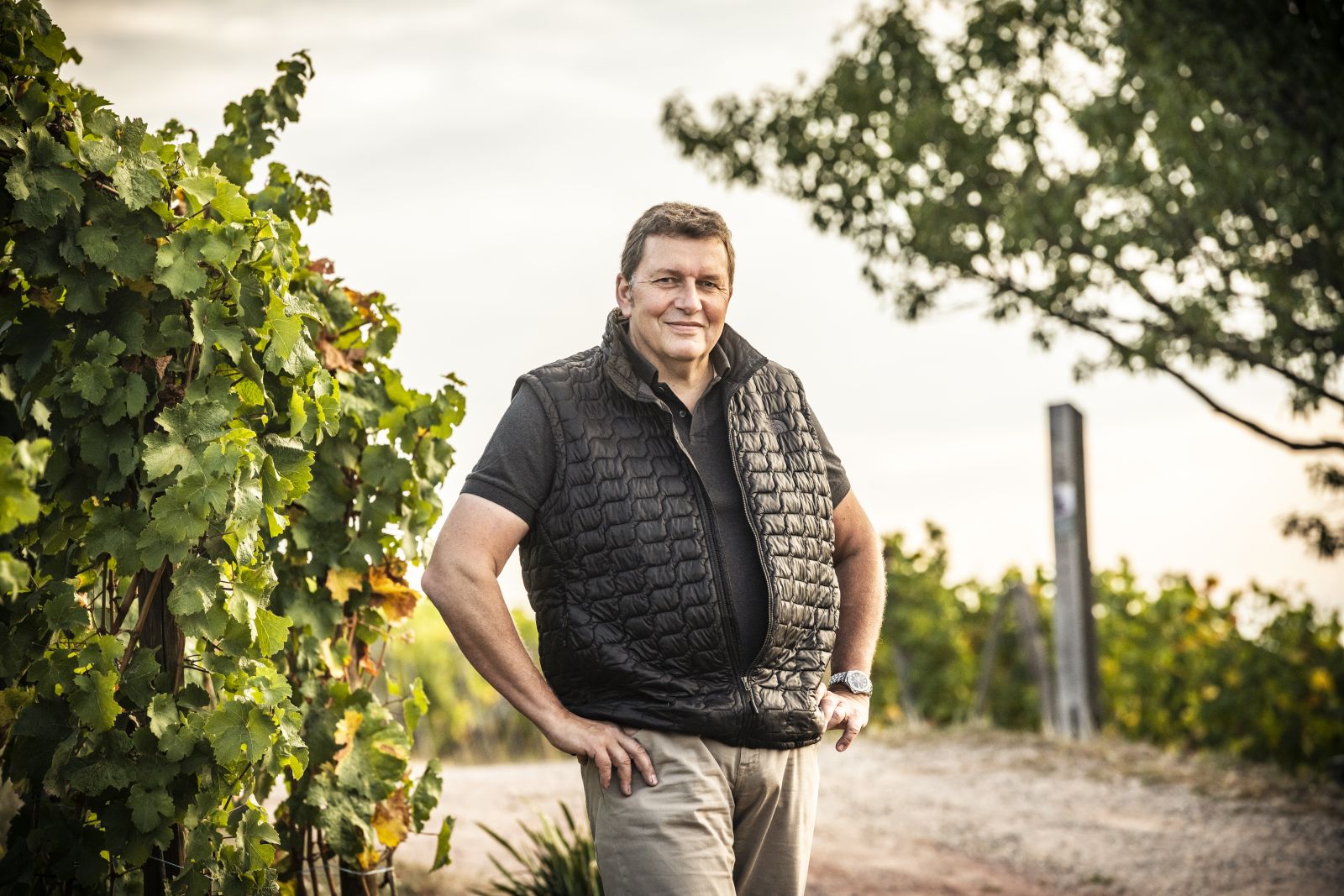
Olivier Humbrecht MW is one of the most influential winemakers of Alsace. Matt Walls speaks to him about his journey so far, taking in changing styles, biodynamics and the future of the region.
We would like to thank Peter Weygandt, one of the most highly respected importer of French wine in the USA, for taking the time to carefully review the French Wine Scholar® study manual and write us such beautiful words of testimonial.
PETER'S FULL TESTIMONIAL ABOUT THE FRENCH WINE SCHOLAR® MANUAL
"To anyone for whom knowledge of the subject of French wine is important, I would

Vineyards on the shores of Lake Garda
Did someone say Lake Garda? You had me at Lake! Those were my first thoughts when asked to visit the area close to Italy’s largest lake and home of the Lugana DOC.
Every wine appellation in France has a cahier des charges, a set of regulations that delineates the production zone and specifies viticultural practices and production standards.
In many instances, a single cahier des charges references one zone of production and multiple wine styles within it (e.g. Lirac red, white, and rosé; Rasteau dry red, plus red, white and rosé Vins Doux Naturels). Some single cahiers also incorporate complementary geographic denominations or dénominations géographiques complémentaires (DGCs) such as Languedoc Montpeyroux or Bourgogne Hautes Côte de Nuits. Other times, very different wines can be grouped under one single cahier as is the case for Beaujolais, Beaujolais Supérieur, Beaujolais + Named Commune, and Beaujolais-Villages.
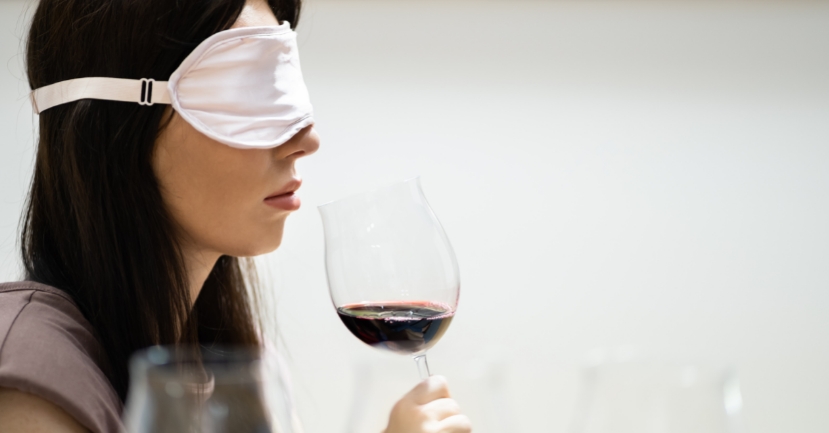
This article is the first of an upcoming series by French neuroscientist Gabriel Lepousez. Gabriel is part of the Scientific Committee formed by WSG in the context of its "Architecture of Taste Research Project". He has also presented a fascinating segment on "The Neuroscience of Wine Tasting" as part of The Science of Wine Tasting Webinar Series which will resume with new episodes in the Spring of 2022.
The wine tasting paradox
There is a real paradox in the experience of tasting a product like wine. Tasting is such a familiar, instinctive, and seemingly obvious act; something that we take for granted. At the same time, wine is a one of the most complex sensory objects that we put into our mouths.
Indeed, wine is one of the rare sensory objects of our daily life which solicits all at the same time:
Decanter’s Andrew Jefford talks with us about Burgundy’s “Terroir Dreamland” or the Côte d’Or.
Peter Liem talks with us about the progressive movement in Champagne. As we’ll discover in this conversation, there’s more to the terroir story than the chalk soils and the weather.
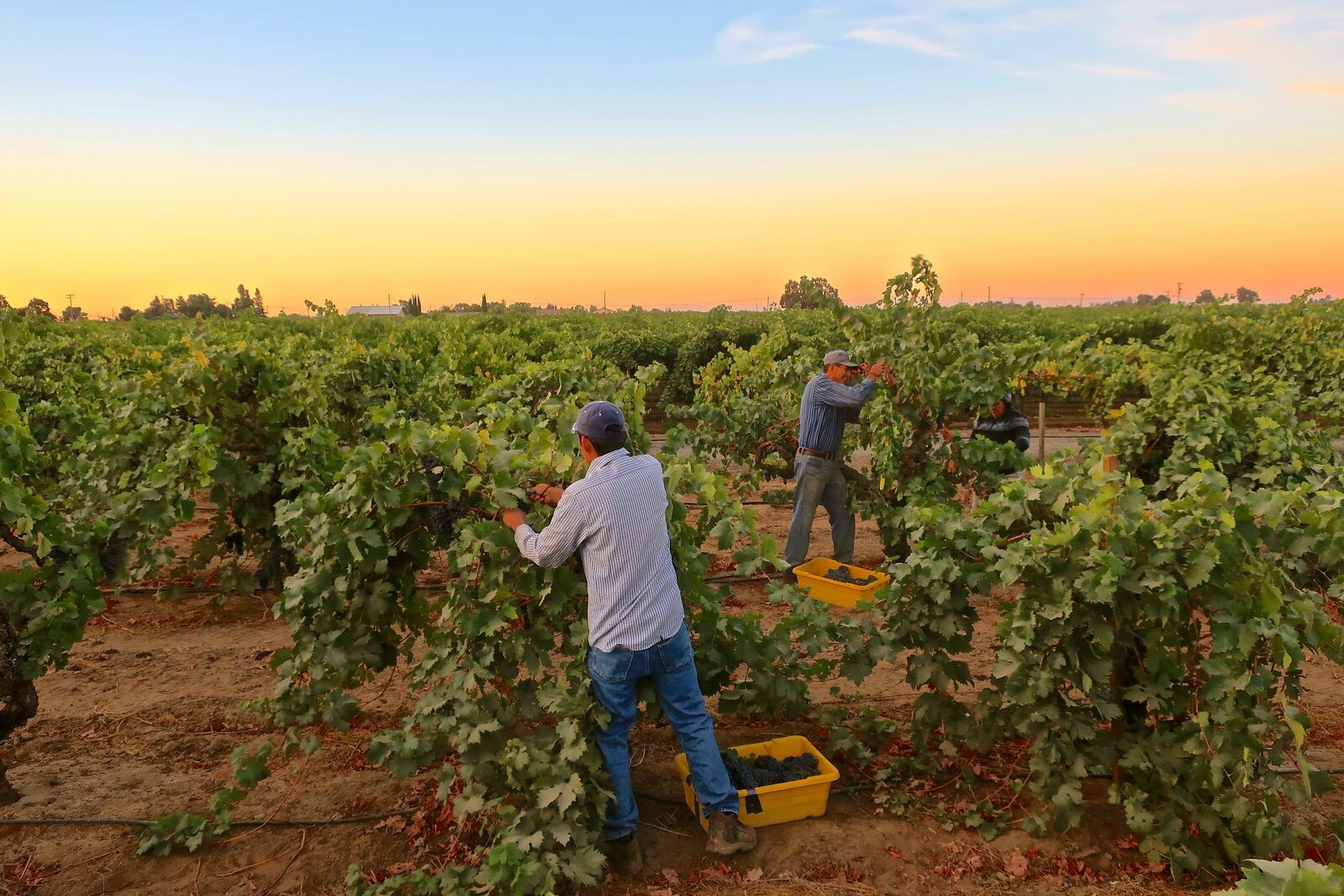
WSG is proud be the first Educational Partner of The Old Vine Conference. Read more to find out how this dynamic non-profit organization is actively creating a global network of old-vine disciples while raising awareness through education.
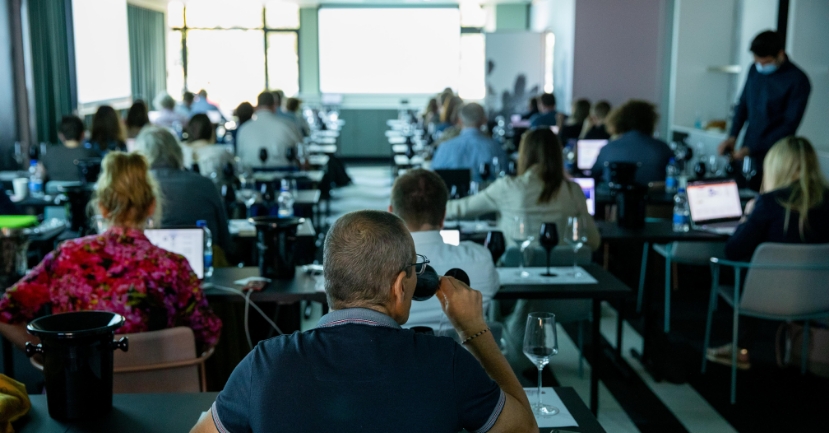
On the 6th of September 2021, Wine Scholar Guild hosted the first large-scale blind-tasting panel as part of its recently announced The Architecture of Taste Research Project.
Hosted at the Bristol Hotel in Colmar, Alsace, this panel tasting launched WSG’s research on the tactile and geosensorial tasting approach it developed over the past year.
The tasting was designed specifically to assess the experimental and innovative tasting grid that had been developed as part of the Architecture of Taste Research Project. Its eventual aim is a tactile and geosensorial tasting method which focuses on a wine’s energy, induced salivation, geometry/shape, texture, and consistency.
Such a tasting method would provide students of wine with an enriched and universal lexicon that not only assesses the qualities of a wine but also dives into the nature of a wine’s personality and, perhaps, its corresponding terroir signature.
The panel of tasters included owners or representatives of twenty top Alsace estates such as Albert Boxler, Weinbach, Marcel Deiss and Albert Mann. They were joined by a dozen wine professionals, including Pascaline Lepeltier MOF, a member of the ATRP Scientific Committee, as well as a dozen serious wine lovers. All in all, over 45 panelists participated in the tasting.
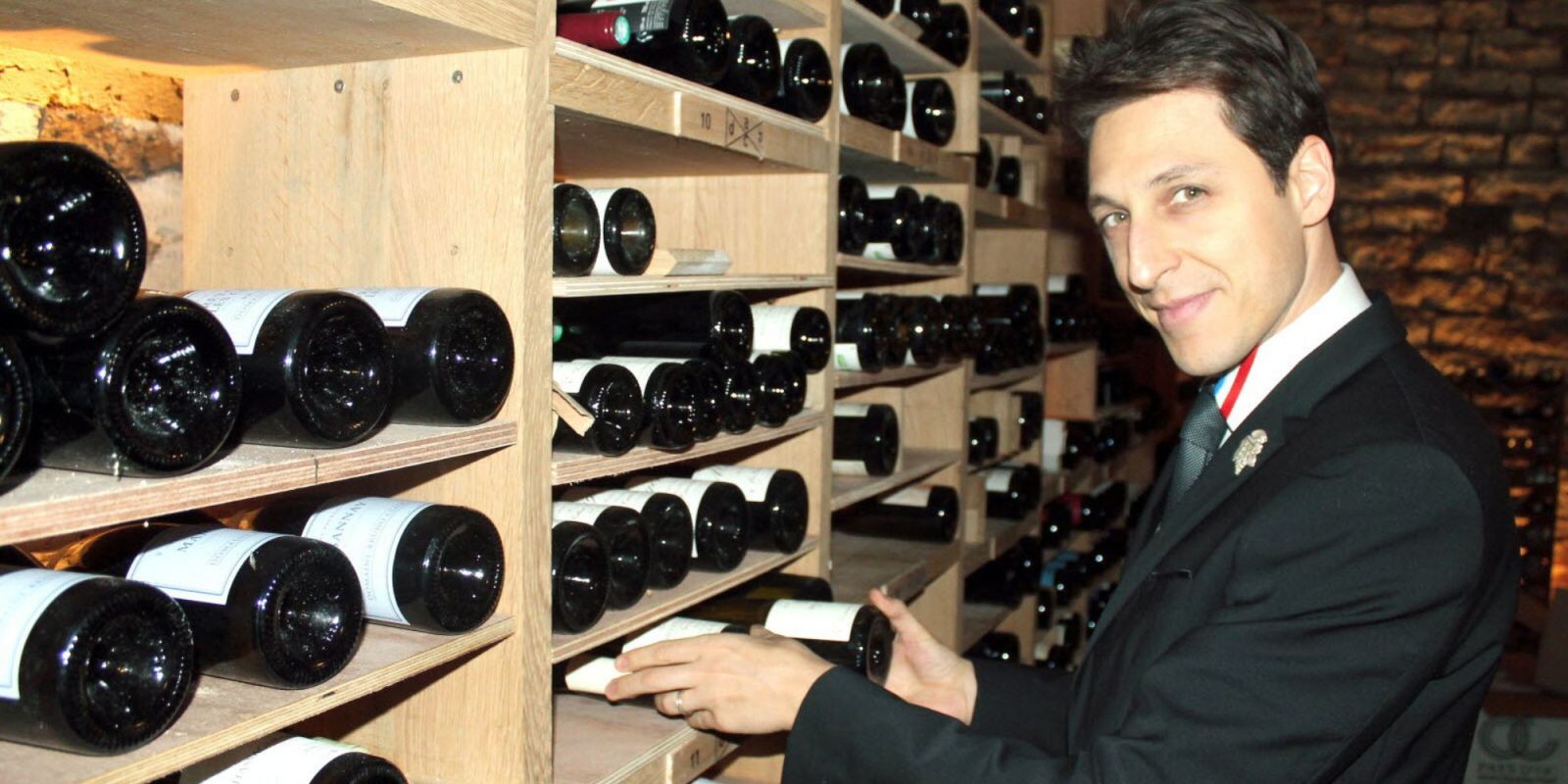
In the world of wine, the sommelier holds a position of both reverence and responsibility. More than just a connoisseur, a sommelier is an interpreter of terroir, a storyteller of vintages and above all a master of human connection. Philippe, a world-renowned sommelier from France's Jura region, spoke with WSG’s Founder and President Julien Camus recently, with rare authenticity about what defines excellence in this noble craft.
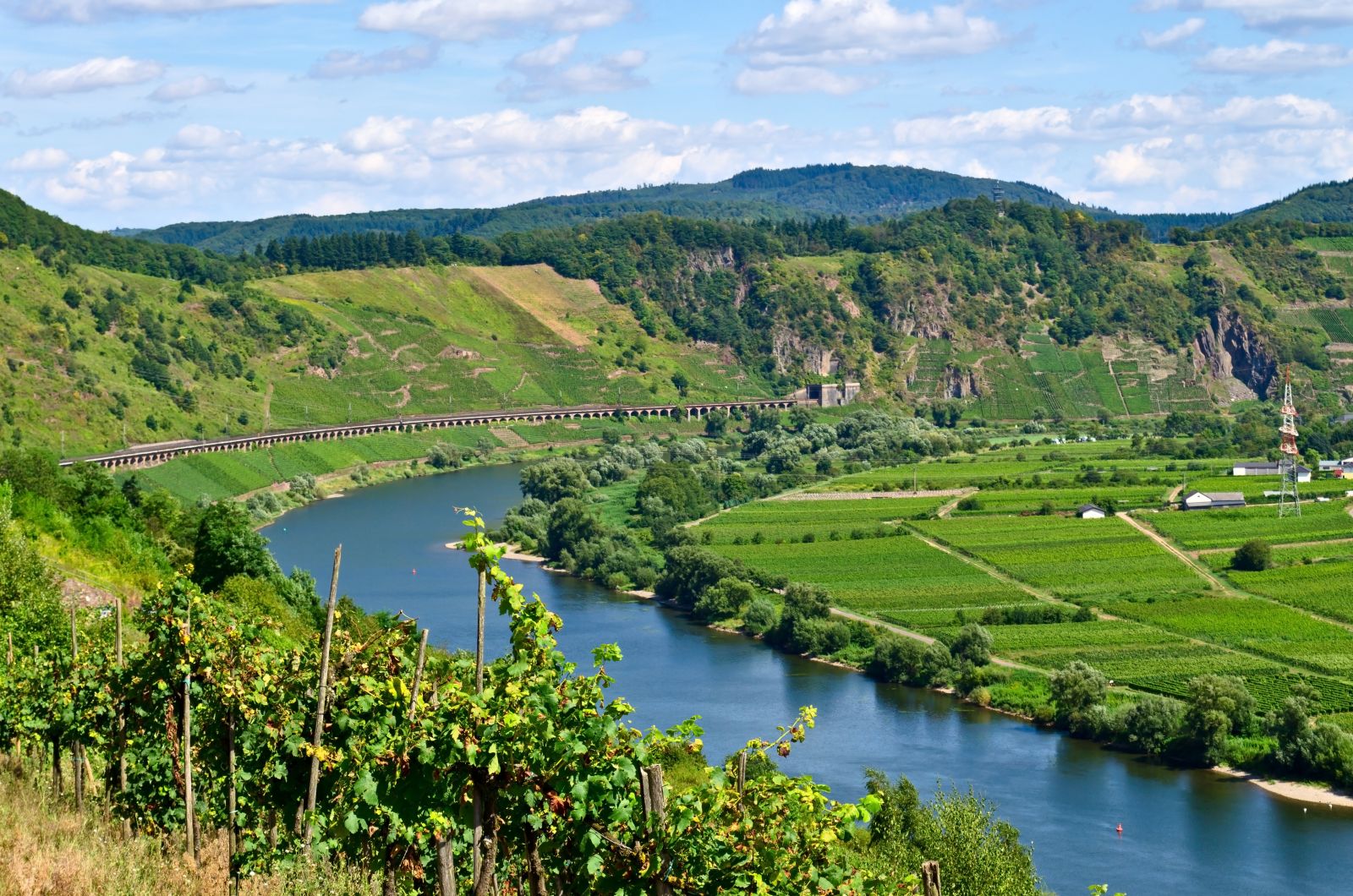
Germany’s most mythic and misunderstood wine region has always balanced on a knife’s edge. Today is no different. Only the elemental forces have changed. To understand the Mosel requires an appreciation of what animates — and challenges — it. There is a sense of urgency to preserve what has long felt timeless and immutable, but is proving all too susceptible to market and climate shifts. Overall, the current dynamic is one of pressured if positive convergence. There are peerless steep slopes where growers set global benchmarks for Riesling. There are forgotten side valleys. There is virtuosic skill honed over generations. There is raw, fresh talent. For decades, these existed in a hierarchy of tested value. Today, the deck is shuffled. Wines from a 14th-century estate may be as coveted as those of a start-up. In some cases, the ancient winery and the start-up are one in the same.
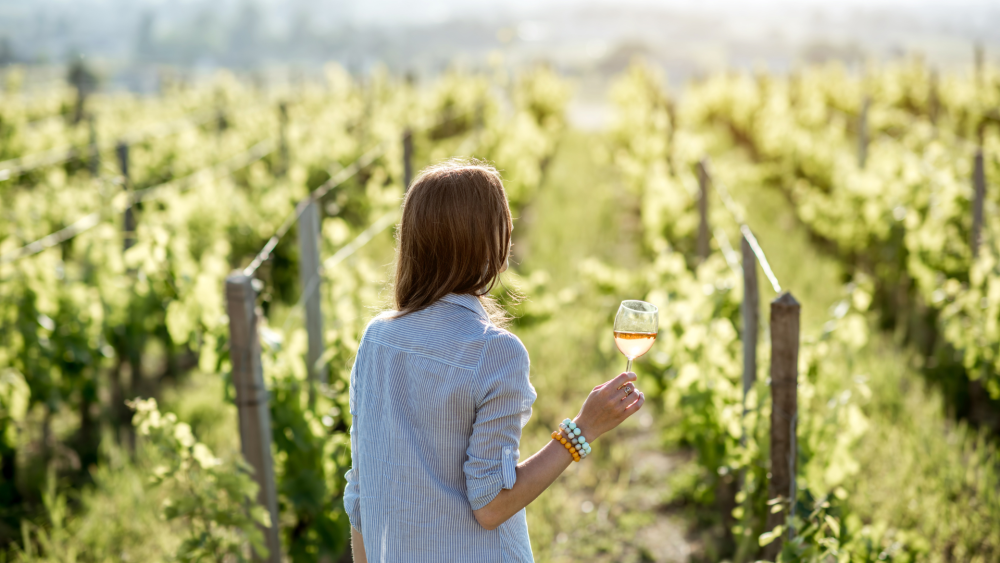
In a world where wine has evolved from a drink to a culture, understanding what’s in your glass goes beyond mere taste—it’s about appreciating the stories, landscapes and craftsmanship behind each label.
WSG is proud be the first Educational Partner of The Old Vine Conference. Read more to find out how this dynamic non-profit organization is actively creating a global network of old-vine disciples while raising awareness through education.
The economic and social relevance of old vines is real, but the structure of the global wine industry stacks the odds against the regenerative commercial viability of old vines. The result is that healthy old vineyards of cultural resonance and unique qualitative potential are lost because they can’t be made to pay.
The Old Vine Conference is a non-profit organisation whose aim is to bring together a global network to create a new category for wine from heritage vineyards. The Old Vine Conference works to safeguard old vines of cultural and ecological value by connecting, educating and inspiring the global wine industry through conferences, research, partnerships, tastings and fieldtrips.
Old vines are officially a thing.