
BLOG

Mosel Riesling: Kabinett gains

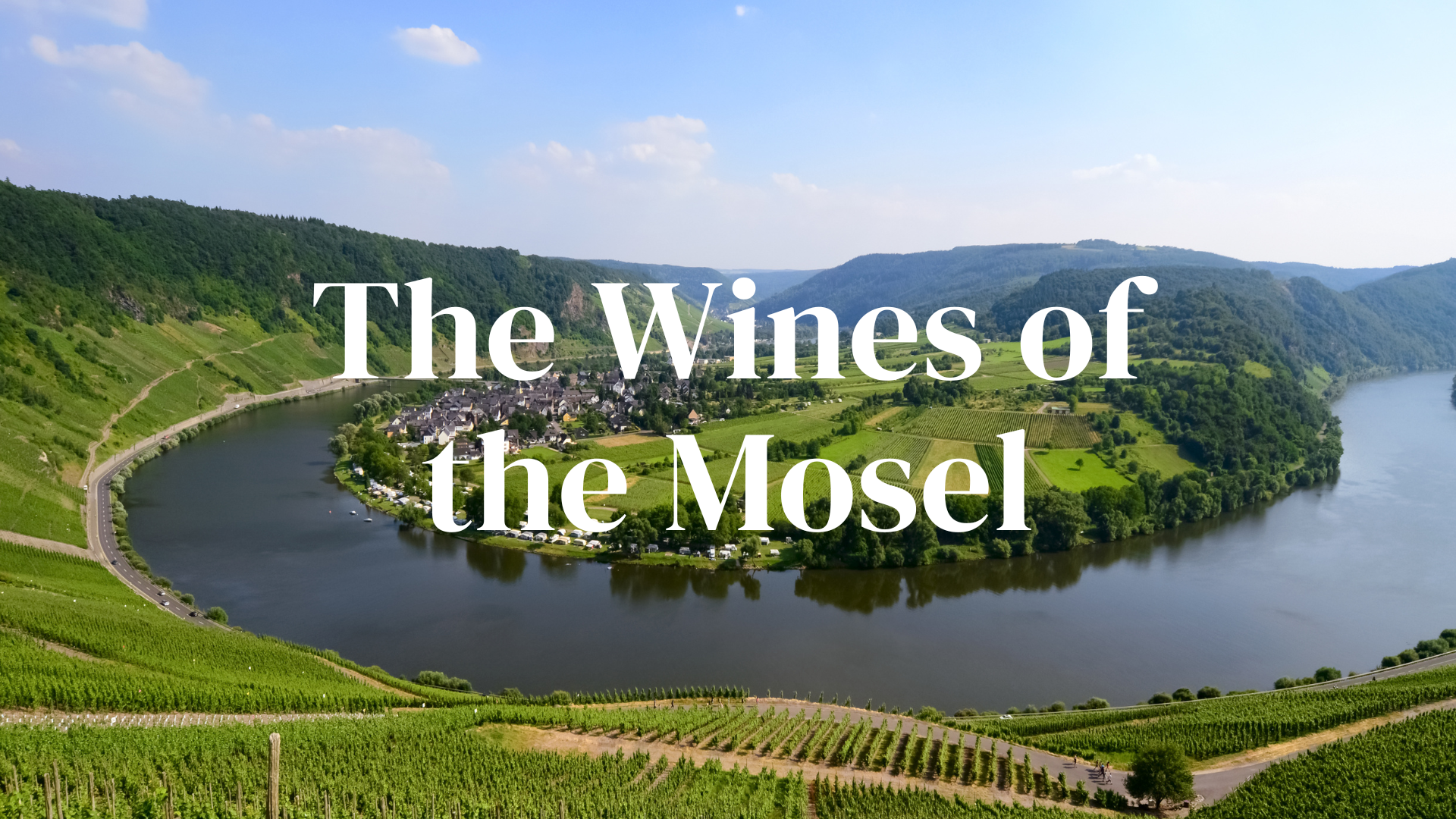
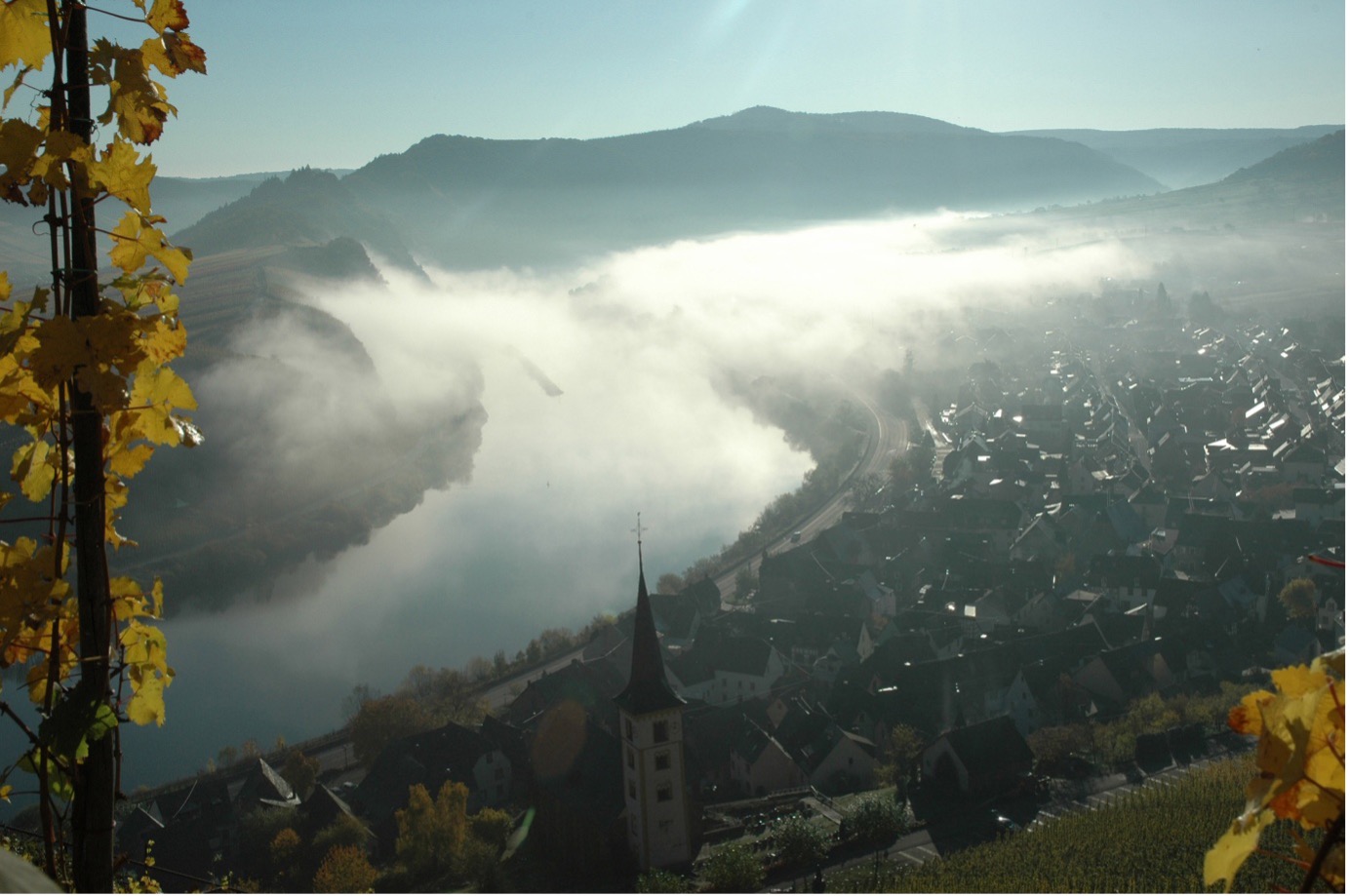
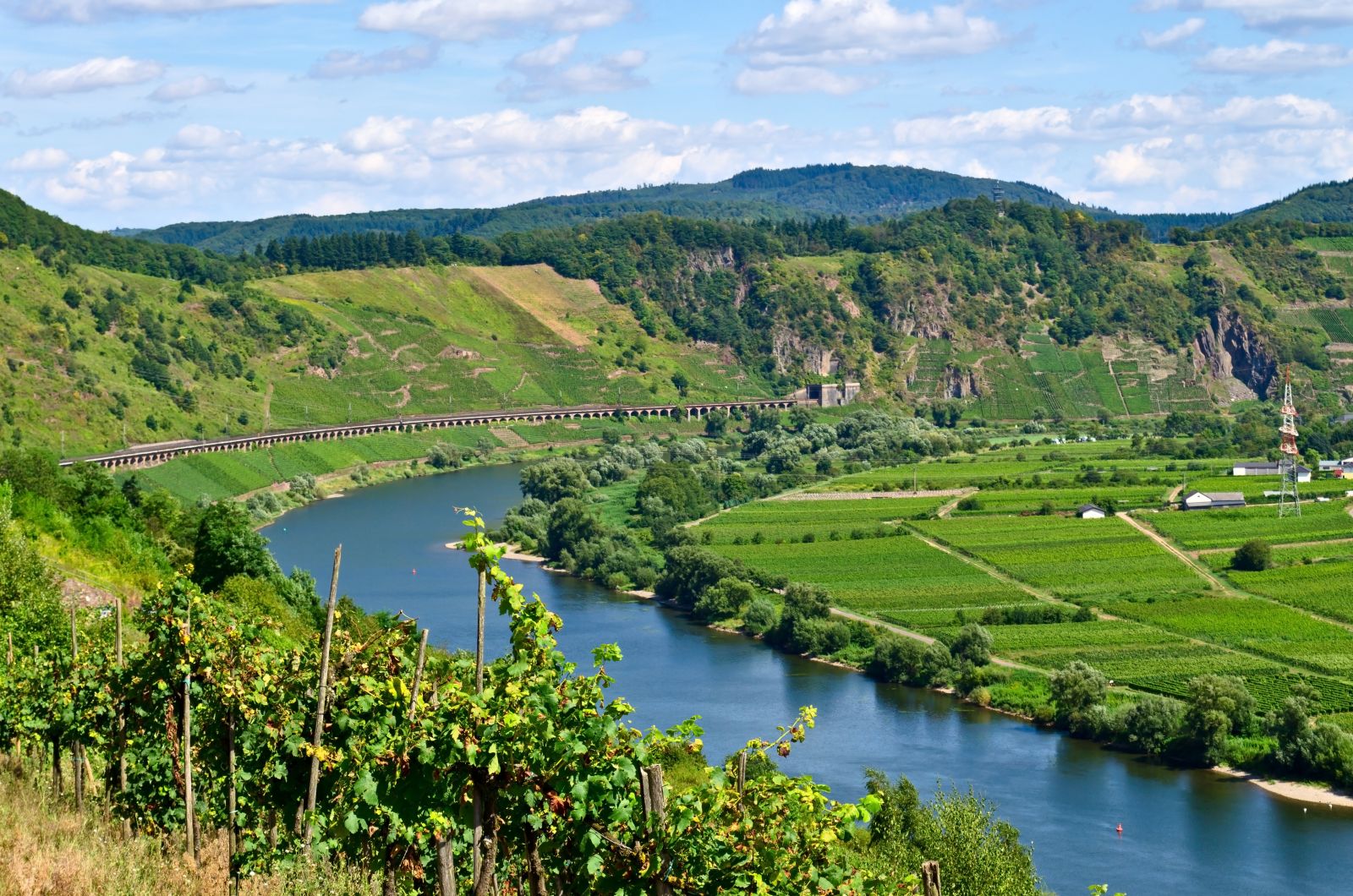
Steep Mosel vineyard overlooking the river near Bremm, with Riesling vines on slate slopes in morning mist
Bremm on the Mosel © www.deutscheweine.de

In his latest piece for WSG, Matt Walls considers whether the recent renaissance of Mosel Riesling has a modern trend to thank.

If you want to find the best value wines on the planet, here’s a tip: choose a style with a long history that’s currently unfashionable. You can pick up wonderful bottles of sherry and Sauternes right now at indecently low prices simply because, through no fault of their own, they’re no longer in vogue. German wines have also seen huge swings in popularity over the years, particularly off-dry and sweet Rieslings.

Today, German producers are reporting a renewal in interest in some of these styles. Many wine lovers are no doubt attracted by their natural brilliance; they are and have always been, among the finest white wines in the world. But their resurgence is also in part thanks to their naturally low alcohol levels. Is the modern trend for lower-alcohol wines giving this ancient region an unexpected boost?

Low alcohol, naturally

Though other regions of Germany make lower-alcohol wines, such as the Rheingau and the Nahe, so-called Kabinett styles are something of a specialty in the Mosel. According to Thomas Haag of Weingut Schloss Lieser, it’s thanks to “a specific combination of climate, soil and Riesling–it’s an absolutely unique package.”

The Mosel River (and its two main tributaries, the Saar and the Ruwer) runs from Trier to Koblenz in western Germany and this northerly location makes for unusually cool conditions for ripening Vitis vinifera. Less heat and sun exposure means grapes accumulate less sugar, which makes for wines with naturally low levels of alcohol.

Johannes Selbach of Weingut Selbach-Oster describes the region succinctly: “We are located in a privileged microclimate of a narrow river valley and the region is more or less on the 50th degree of latitude, which means we have four distinct seasons and we have a moderate, maritime climate, influenced by the Atlantic, rather than a more extreme continental climate further to the east.”

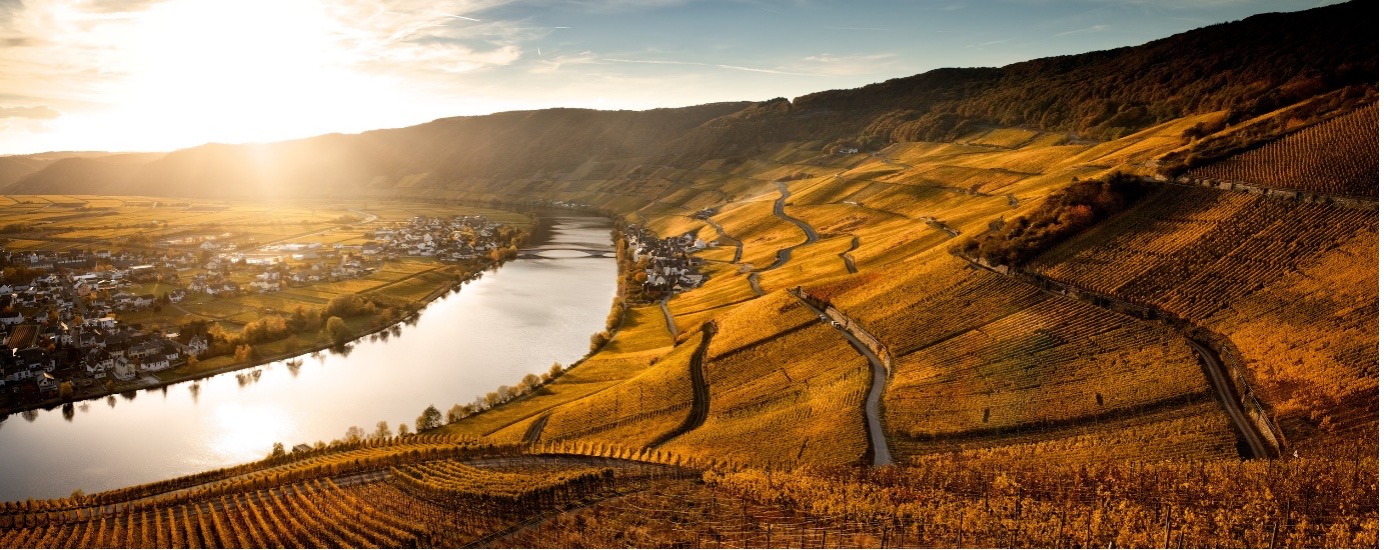
Piesport Goldtröpfchen vineyard on the Mosel, showcasing steep slate terraces planted with Riesling grapes
Piesport Goldtröpfchen © Weingut Schloss Lieser

Another reason that some wines are so light in alcohol is that winemakers may choose to stop the fermentation part-way through, leaving some unfermented grape sugars in the wine.

It’s a technique that works particularly well here thanks to Riesling’s naturally high acidity, accentuated by the cool climate, which balances any sweetness. It makes for a light, fresh style that local winemakers describe as ‘fruity’ rather than sweet (in the same way a piece of fresh fruit contains both natural sugars and acidity).

Haag adds that the slate soils in the Mosel add a mineral dimension and he finds that using native yeasts adds a ‘cool character’ to the wines. “Our wines never get heavyweight, we’re not competing with the creamy big boys from other regions,” he says. “Our goal is these fine, delicate, elegant, pure, precise wines, very refreshing and extremely balanced”.

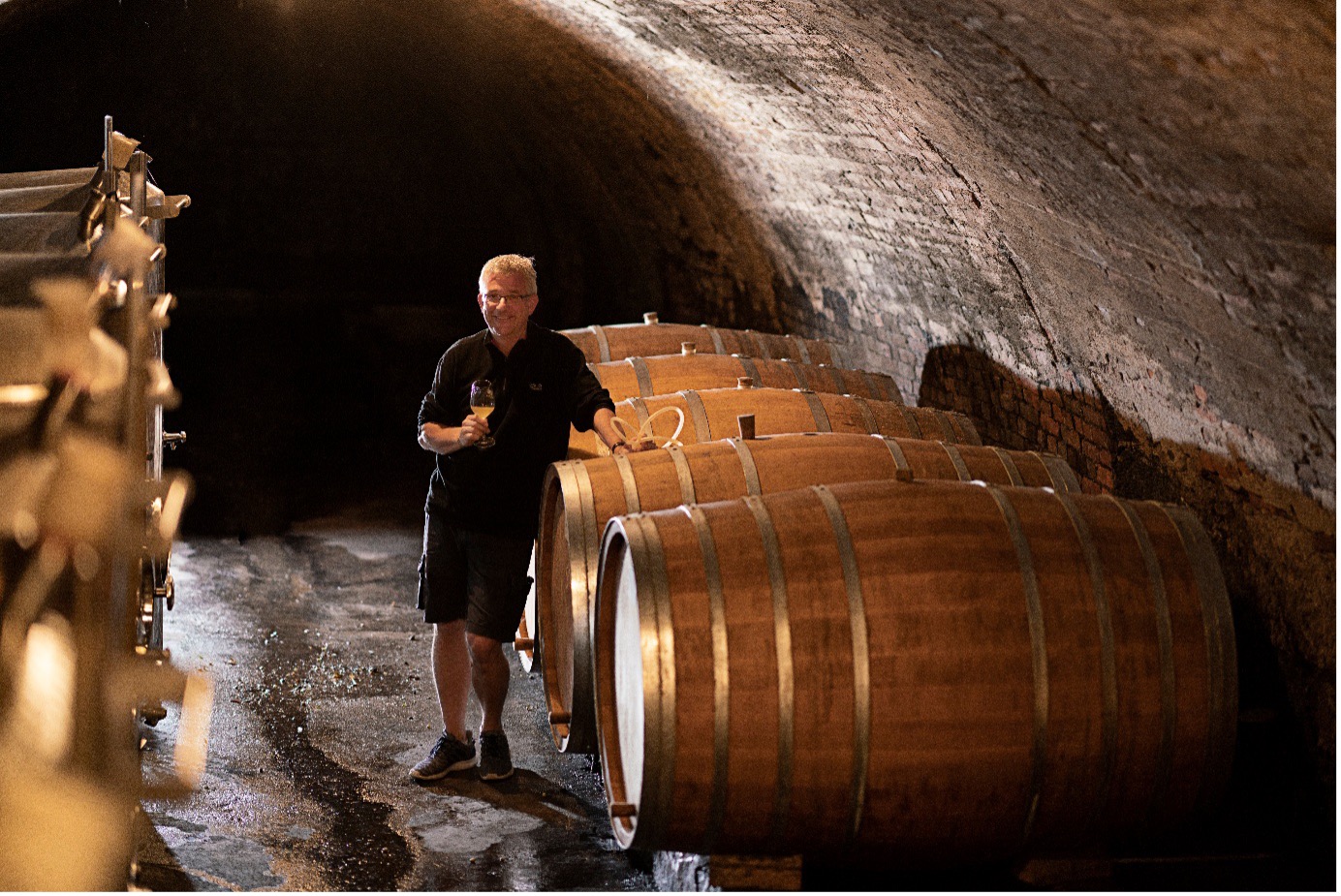
Thomas Haag of Weingut Schloss Lieser standing in a Mosel Riesling vineyard during the growing season

Thomas Haag of Weingut Schloss Lieser © Weingut Schloss Lieser

Even dry Mosel Rieslings often weigh in at just 12-12.5% abv; Dorothee Zilliken of Weingut Forstmeister Geltz-Zilliken says hers can be as low as 10.5% abv. Her lightly sweet styles are usually 7.5-8% abv, “so there is no need for me to use spinning cones,” or other methods of artificially removing alcohol, she says.

The renaissance of Kabinett

“In the last 10 years, more and more people are coming to Mosel-Saar-Ruwer wineries because they are looking in particular for wines that are light in alcohol,” says Zilliken. This broadly coincides with the growth in interest in lower-alcohol drinks. “We are benefitting from this demand,” she says.

She adds that her winery, established in 1742, has never chased trends; she hasn’t changed the way she works in order to court demand for lower-alcohol wines. Neither does she make any dealcoholized wines.

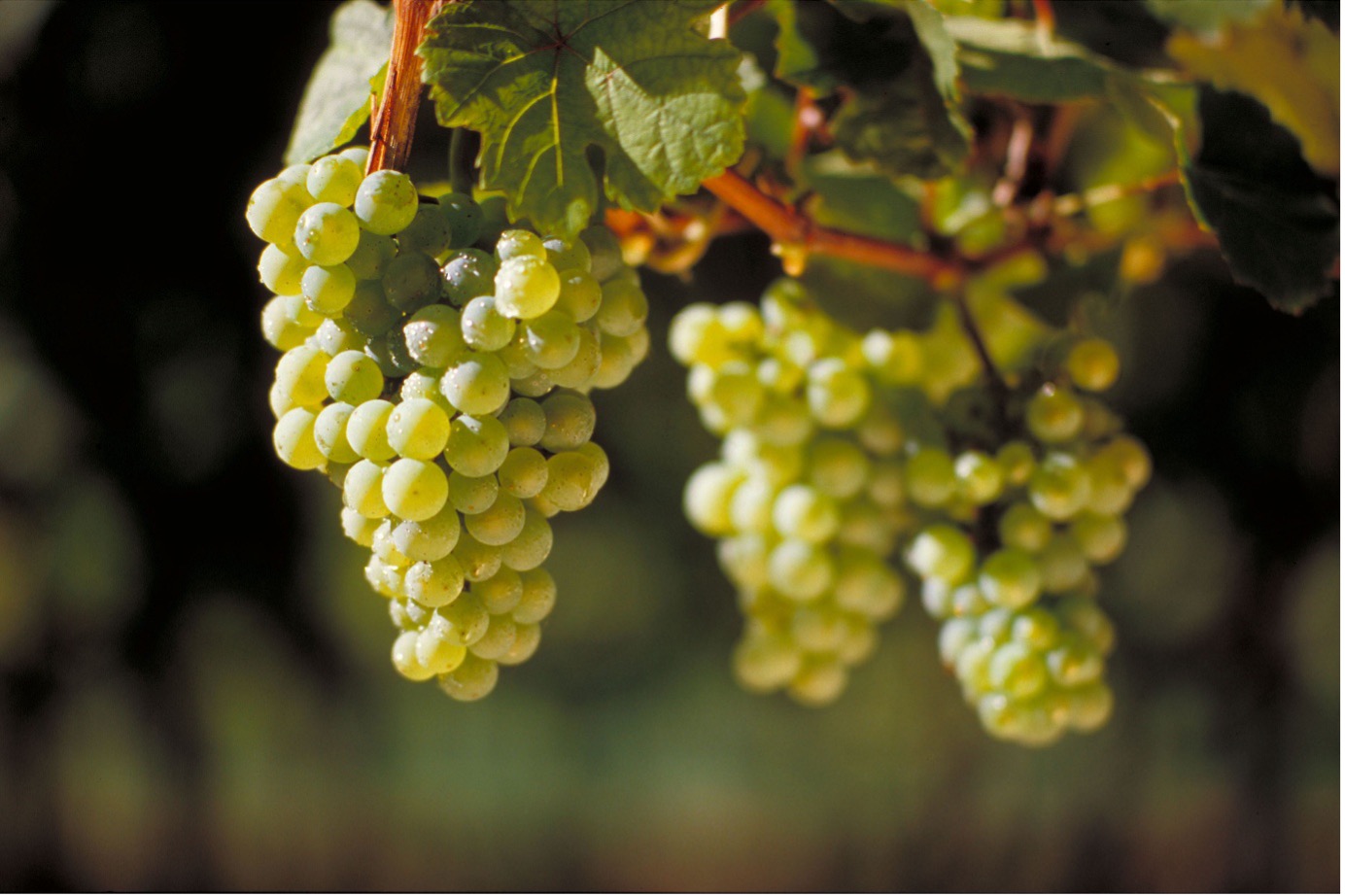
Close-up of ripe Riesling grapes in a Mosel vineyard, highlighting translucent skins and compact clusters
Riesling grapes © www.deutscheweine.de

Other Mosel estates such as Selbach-Oster are making the most of the new demand for NoLo products. But Johannes Selbach says he has also witnessed a renewed interest in long-established styles. “Our wines with less than 10% abv, i.e. the traditional Kabinett and Spätlese wines are selling worldwide, with a growing demand for the ‘lightest’ category–Kabinett–because those wines are naturally light and flavorful without human or technological intervention.”

But not everybody thinks this new trend towards lower-alcohol wines has made a big difference. “I would not say that we specifically benefit from this,” says Haag at Schloss Lieser. But he notes that “Kabinett is on fire, especially with young people. 

Changing times

The renaissance of lighter styles of fruity Mosel Riesling comes at a difficult moment, as they are becoming increasingly challenging to produce due to the warming climate. Haag says “the start of the harvest is four weeks earlier than 30 years ago,” and the harsh winters of the 1970s, 80s and early 90s, when temperatures could drop to minus 20°C/4°F are now a thing of the past. “It’s not getting easier,” he says.

Selbach counters that “we are still relatively ‘cool’ on an international scale,” and that there are ways that wineries can respond to the changing climate, such as replanting cooler sites that were abandoned in the 1980s, leaving more foliage in the canopy to shade grapes and harvesting earlier.

This region has been making wine since Roman times and has seen many highs and lows; no doubt it will weather this storm too. Journalists have been predicting a renaissance for traditional German Riesling for decades, but so far the wine-drinking public has proven curiously resistant and these wines have remained stubbornly unfashionable. Perhaps this global taste for lighter wines will trigger a reversal of fortune and these wines will once again receive the attention they so clearly deserve.

Matt Walls

Matt Walls is an award-winning freelance wine writer, author and consultant who contributes to various UK and international publications such as Club Oenologique and Decanter, where he is a contributing editor. He also judges wine and food competitions, develops wine apps and presents trade and consumer tastings. Matt is interested in all areas of wine, but specialises in the Rhône Valley – he is Regional Chair for the Rhône at the Decanter World Wine Awards.

Alongside his blog contributions, Matt brings his knowledge to the vineyard as a brilliant guide for WSG’s Educational Wine Tours.
Related Articles