
BLOG
A Little Less Love for Sangiovese
Andrea Eby
Regions and Producers
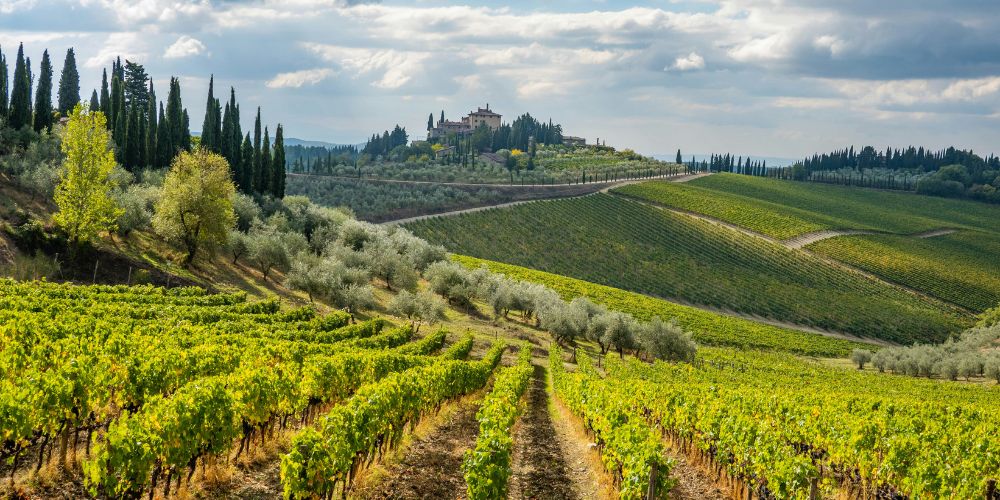
More than a century and a half after Barone Bettino Ricasoli set down the formula that elevated Sangiovese above its blending partners, Canaiolo and Malvasia, establishing it as the key to Chianti, the grape's once indisputable link to the wines of the Chianti DOCG has been weakened.
Wine law was slow to catch up with Ricasoli. The first Chianti DOC, in 1967, allowed as little as 50 per cent Sangiovese and made white grapes compulsory. DOCG status in 1984 raised the minimum to 75 per cent, but not until 1996 could a Chianti be made from Sangiovese alone. The minimum has since slipped to 70 per cent, and the production code published in June 2026 lowers it again, to 60. Sangiovese may still stand alone, but its guaranteed share has shrunk. Up to two-fifths of the blend may come from other grapes: Cabernet Sauvignon and Franc together to 15 per cent, white varieties to 10, and beyond them Merlot, Syrah and Canaiolo, the very partner Ricasoli once relegated to a supporting role. The consorzio presents this as freedom to adapt to changing conditions and tastes, though flexibility alone does not create demand.
Why think pink?
The changes also introduce a rosé category, which has captured the imagination of wine writers everywhere, though few have asked why the rules changed at all.
The pressures behind the reforms are, above all, economic. Chianti DOCG sells roughly 75 million bottles a year, many destined for supermarket shelves at modest prices. In July 2025 Giovanni Busi, the consorzio's president, put grape prices at €100–120 per quintal, against the roughly €140 needed to be sustainable. The consorzio cut permitted yields by up to 20 per cent in 2025, but that alone cannot counter falling red wine consumption, tariffs, climate change or recession in key markets such as Germany.
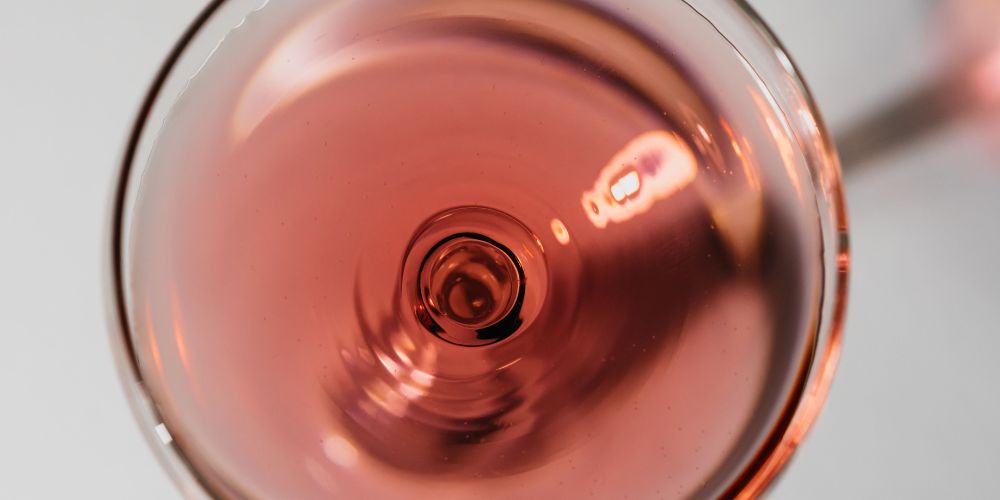
The rosé is a creative attempt to extend Chianti's reach beyond red wine. It must contain at least 60 per cent Sangiovese, the remainder drawn from an approved list of red and white varieties. Busi presents it as a path into the growing summer market for rosé, when sales of the DOCG's reds plummet, and as a home for surplus grapes. While importers in countries such as Germany, the USA and the UK have welcomed the newcomer, the risk is clear: should producers compete aggressively on price in a crowded market led by Provence, they could easily be dragged into a downward pricing spiral, an issue that has sometimes arisen within the regions red wines as well.
Fast fashion wine?
Producers I spoke to were skeptical of the changes. Several small-scale estates saw rosé as a wine of fashion, already well served by the Toscana IGT category. One stated: "When I make rosé, I feel free to put whatever I want in the bottle; the Toscana IGT works perfectly for this. I prefer to keep the Chianti name for the wines that have historically been associated with the region." Another producer felt that the category was largely introduced to ease the economic woes of the region's largest producers, who are struggling to sell their wines.
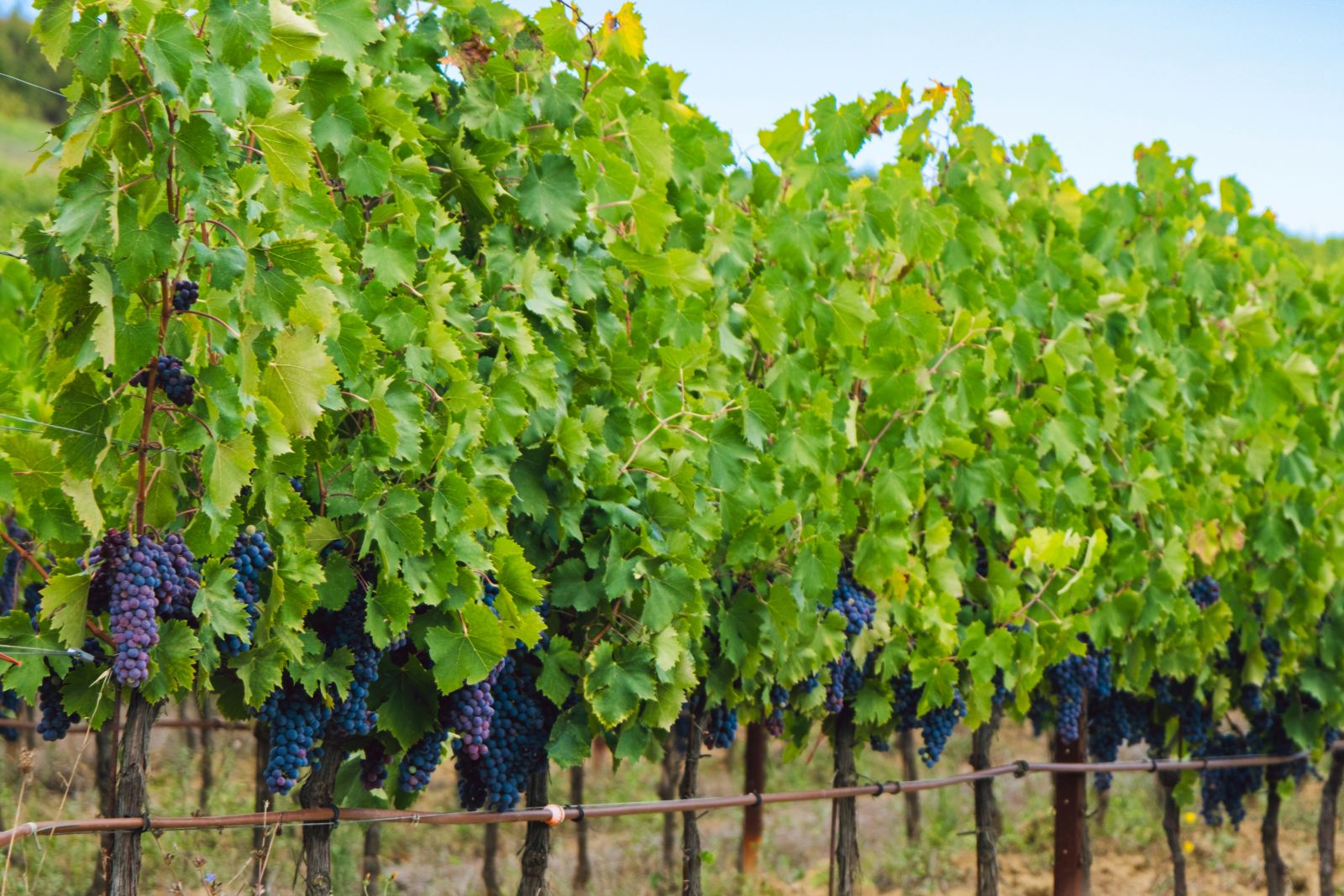
Yet it is the lower Sangiovese minimum that these producers found most controversial. The cut is sharpest in the Colli Senesi, where the minimum falls from 75 to 60 per cent. The consorzio calls the rules a balance of identity and innovation, and freedom need not mean lower quality. Much depends on which grapes fill the gap. Canaiolo would reflect the region's blending traditions and go a long way towards maintaining the Chianti brand, whereas varieties such as Merlot could push examples towards an international, anonymous style that threatens to erode the very thing that makes Chianti a quintessentially Tuscan wine. One grower accepts that blending has always been Tuscan practice but firmly believes that "Chianti has always been about Sangiovese. If you put less Sangiovese in the wines, you lose a little bit of the territory, the history, the identity." If a wine tastes as though it could come from anywhere, what inspires a consumer to keep choosing Chianti?
Win some, lose some
The map has changed as well. At the urging of local growers, Terre di Vinci joins the seven established subzones, from Rùfina to the Colli Senesi, as the first addition in almost thirty years. It gathers the hills of Vinci, Cerreto Guidi, Fucecchio and Capraia e Limite around Leonardo da Vinci's birthplace, creating a tangible link to the region’s history even as the blending rules move away from it.
The original revisions, proposed in 2019, also included the creation of a Chianti Gran Selezione category, something that met with much resistance from Chianti Classico producers and eventually shelved. With that route upwards into prestige on hold, the larger appellation has moved sideways, and Chianti and Chianti Classico have taken increasingly different paths.
Quality never goes out of style
Tension between quantity and prestige has run through Tuscan wine for hundreds of years. Chianti has faced it before: by the time pure Sangiovese was permitted in 1996, many of its most ambitious producers had already abandoned the appellation in favour of vino da tavola and, later, the more flexible Toscana IGT. The 2026 revisions reflect a desire to respond to a looming crisis, but in loosening the blend and losing the Gran Selezione, Chianti risks leaning once more towards abundance and away from distinctiveness. The fairest judgement will be made in the glass: a pure Sangiovese Rùfina beside a Chianti that uses its new latitude to the full, a 2026 Chianti Rosé beside Capezzana's Vin Ruspo. One producer put it simply: "We have to produce less wine, but better." A pink Chianti may ease the surplus, but only quality will pave the path to a more sustainable future.
Tagged Under
Related Articles

Justin Martindale MW

