BLOG
The Balearic Islands: Making Waves in the Mediterranean
Beth Willard
Regions and Producers
Arriving at the airport in Palma de Mallorca can be overwhelming. Crowds of holiday-makers swarm through long, narrow corridors to carousels where they scrummage to collect bags. Hungry children hassle tired parents and groups of young people loudly debate where to start the evening bar crawl. But just as quickly as bags and toddlers alike are stacked onto trolleys, the crowds disperse to very different parts of the island.
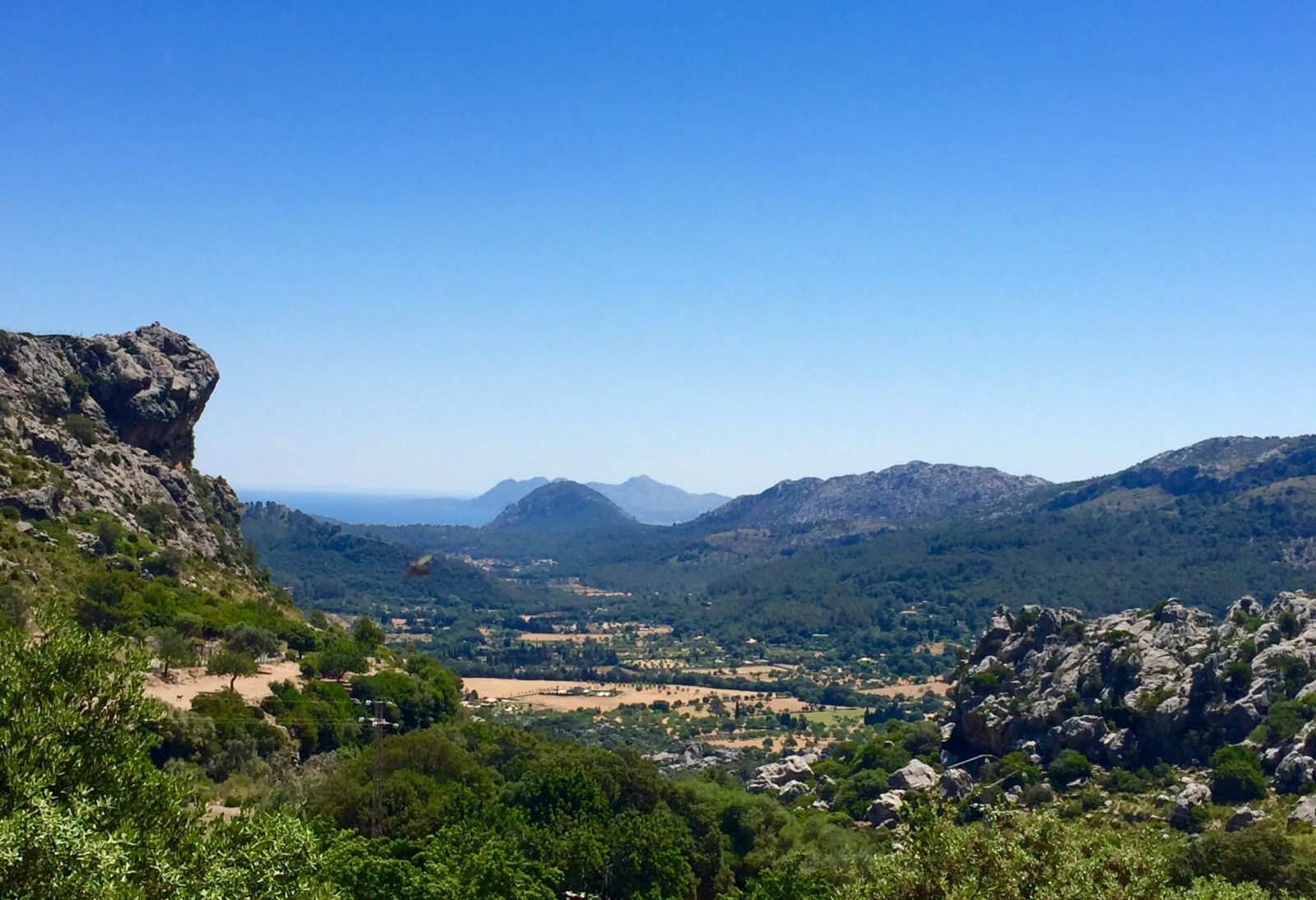
There are tourists who opt for the charm of the capital’s cobbled streets, its glittering waterfront, high-end shops and buzzing bars, while some race towards the coastal resorts to enjoy golden sands, warm waters and cold beer. But others head to enclaves in the island’s interior where small, independent restaurants pair eclectic local wines with the best Mallorcan produce.
Sun, Sea and … Vines
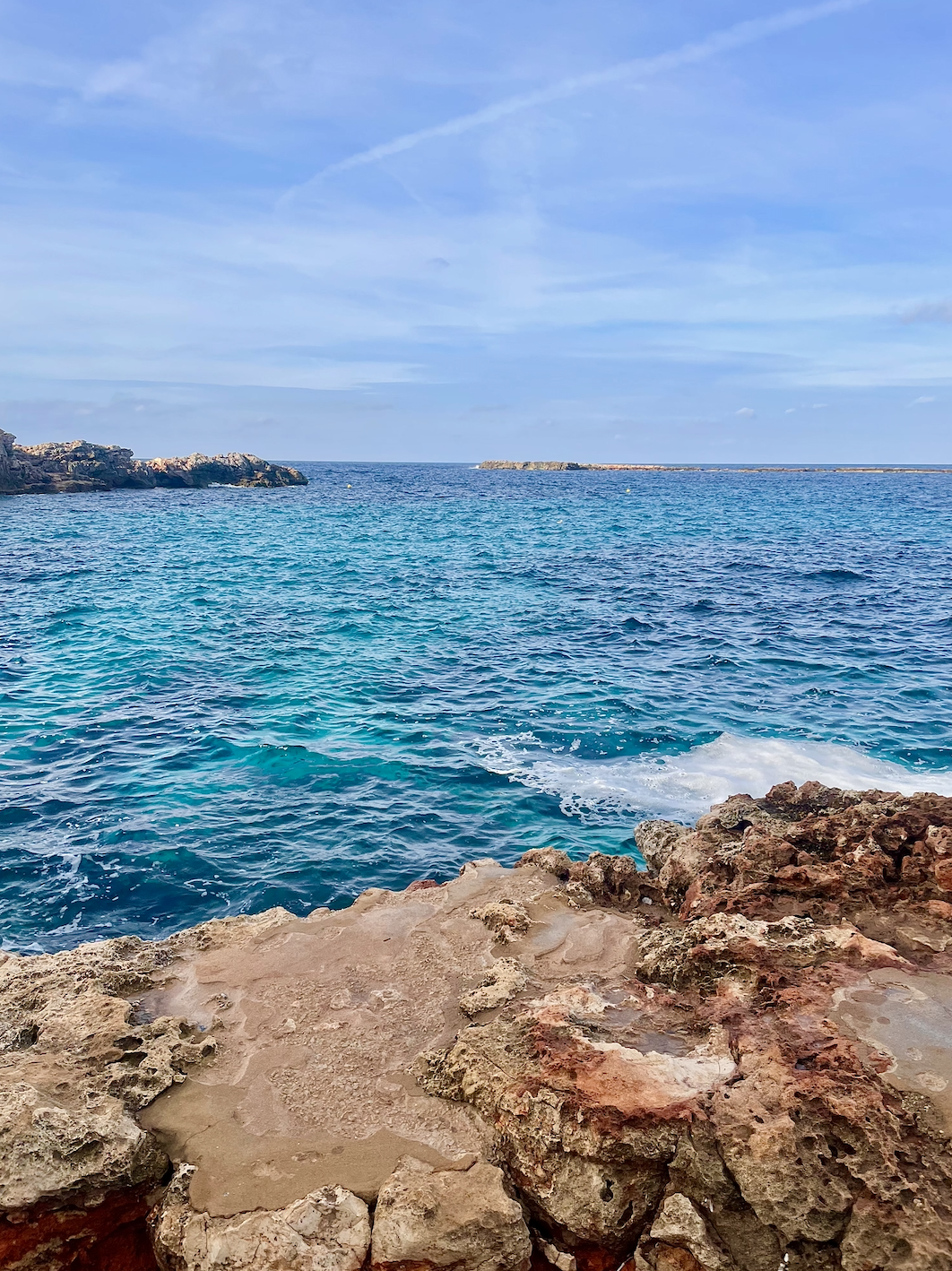
Let’s be honest, if you’re heading to the islands, you’re probably going for the sparkling blue water and long days in the sun. But increasingly, the vineyards of the Balearics are proving strong drawcards, particularly in Mallorca and neighbouring Menorca, and on a smaller scale, Ibiza.
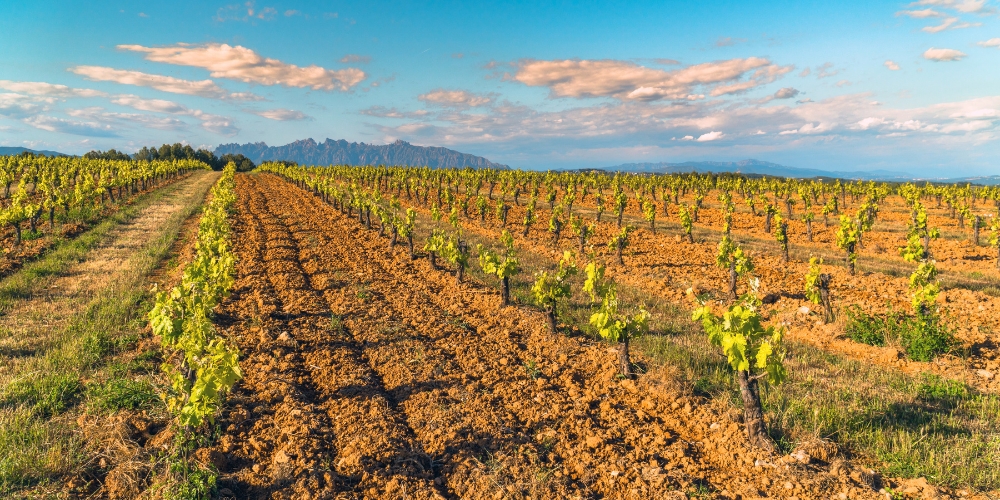
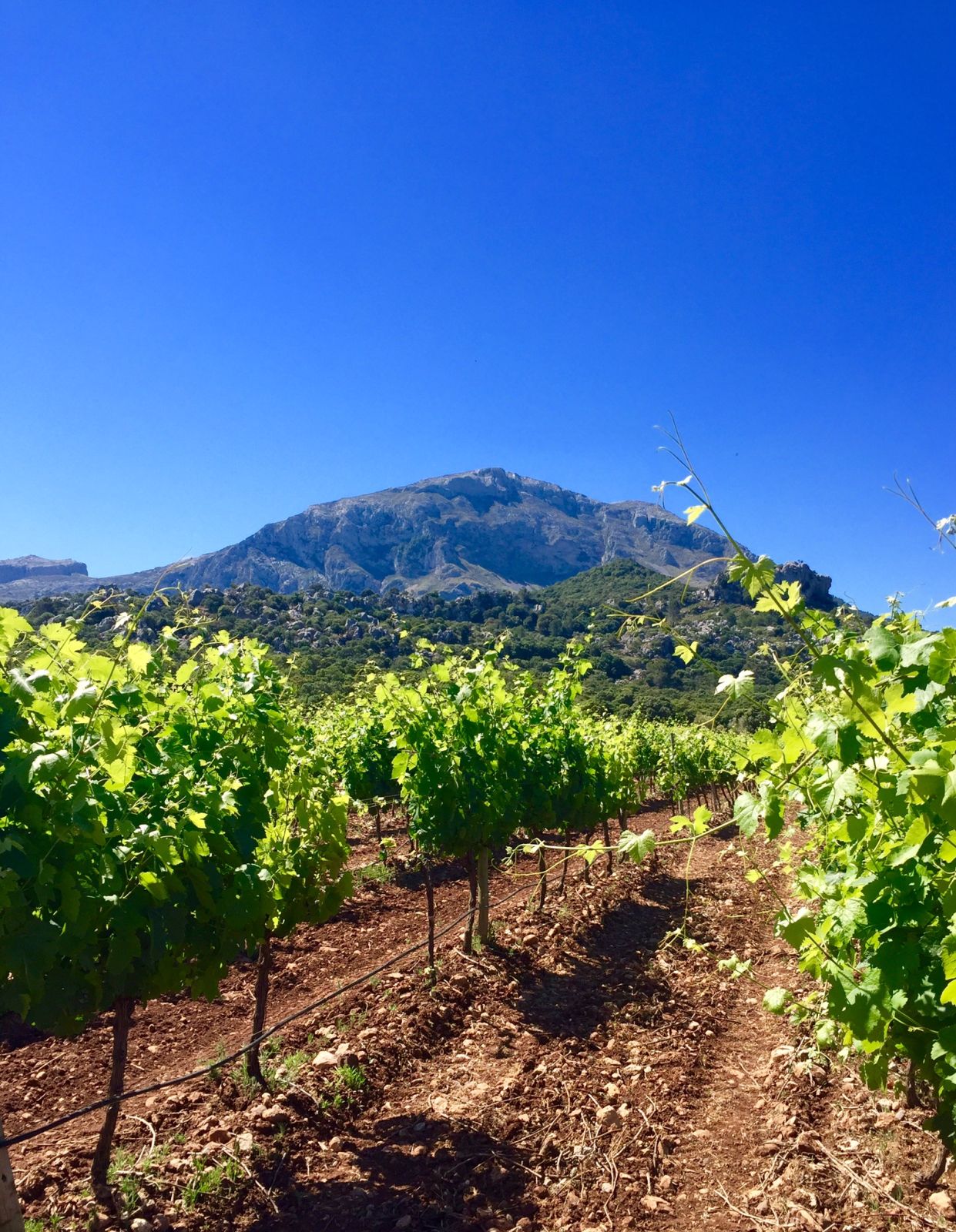
The Mediterranean is not only a strong pull for tourists, but it offers a moderating influence in its vineyards. Typical growing conditions for coastal Spain – low rainfall and hot summers – result in ripe and approachable wines with serious structure and freshness from limestone soils and iron-rich clay, “call vermell” in Mallorquin.
Sea breezes provide cool relief and keep the vines free from disease. Some vineyards in Menorca are particularly exposed to these winds but in Mallorca the Tramuntana and Llevant mountain ranges provide sanctuary, as well as surprising altitudes up to 400m/1300ft.
A New Generation Reshaping the Past
Over the past decade, a new wave of producers has made their mark on the wine scene, thanks to the recent recuperation of local varieties. If names like Gorgollasa and Callet don’t roll off your tongue, don’t worry! These are still relatively unknown to most wine lovers.
In Mallorca, Ca’n Verdura Viticultors is part of this local revival, producing deliciously drinkable, elegant wines from red varieties like Mantonegro, the most important local red grape on the island, and Escursac and Callet, both low in alcohol with bright, jammy fruit.
They also produce whites from the local grapes Giró Ros and Prensal, the most planted indigenous white variety. Bodegas Rossneu, a small family producer from Sineu in the middle of the island, also works with local varieties like Malvasía de Banyalbufar, a vibrant white as fresh as the sea breeze whose origins are linked to the Malvasia di Lipari family of grapes.
For the more adventurous, Pep Rodríguez of Soca-Rel produces blends with even rarer grapes like Esperó de Gall, Fogoneu, Mancés de Tibús and Vinater Blanc. The wines are much lighter in colour and body than most people would expect from Spain with refreshing acidity, lots of fruit and wonderfully ripe tannins.
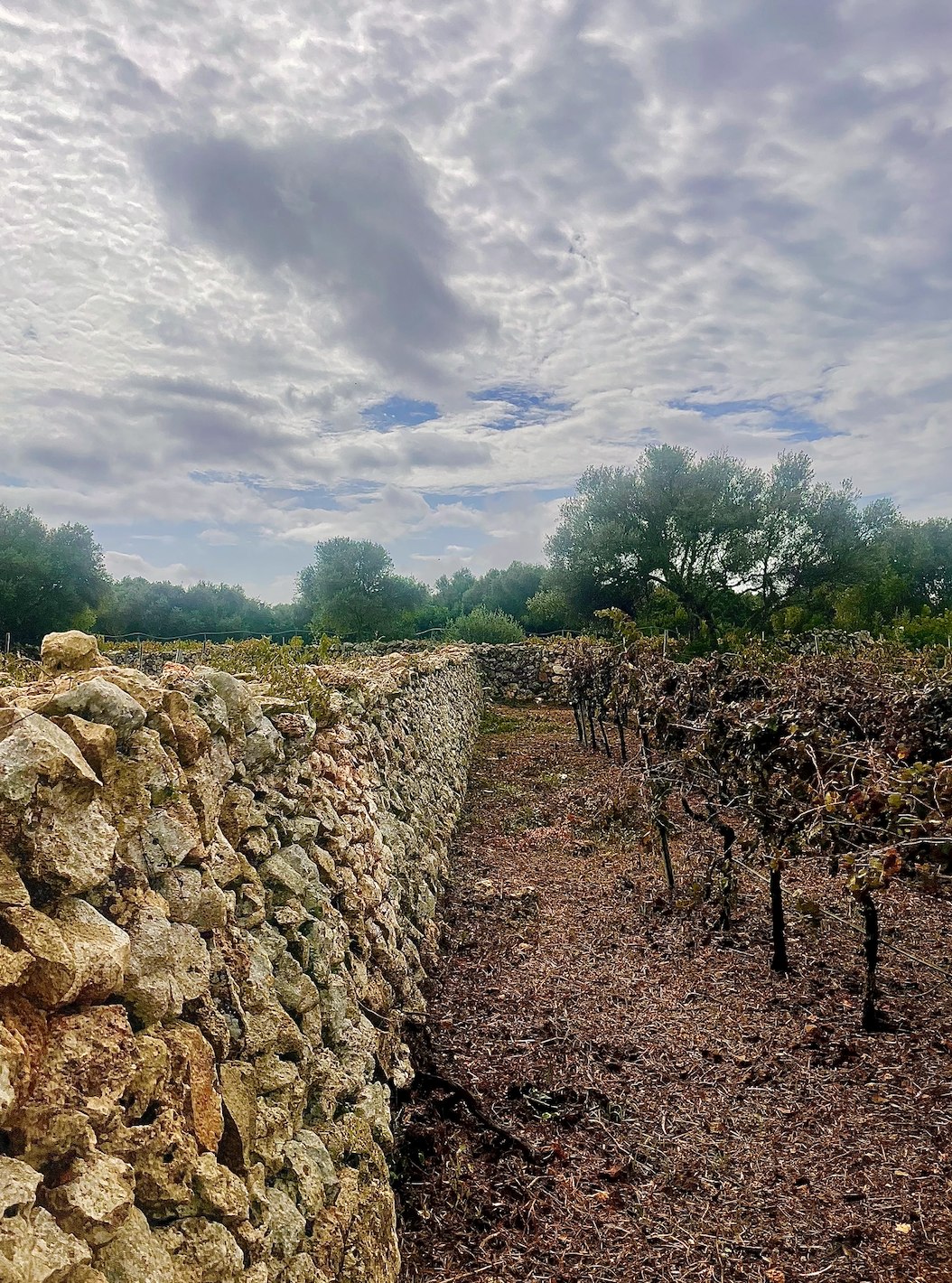
At first glance, Menorca’s wines may seem more conventional, or at the very least, the varieties are more recognizable. But the island has a long viticultural heritage, exploited by the Romans, and then in the 18thcentury by the British who took advantage of naval bases in Port Mahón to trade the island’s wines.
Following the arrival of phylloxera in the late 1800s, vineyards almost disappeared until the late 20th century when prevailing trends favoured the introduction of international varieties, like Chardonnay, Syrah and Merlot.
Binifet winery produces polished examples of these international varieties and experiments with form. Their Tanca No12 is a barrel fermented Chardonnay from their best plot which is elegant and refined, whereas their Pieles wine offers a unique interpretation of the variety, fermented on skins in clay jars. Torralbenc’s range of wines takes another shape, focusing on 4 styles of rosé, each incorporating different varieties and expressing individual character to appeal to Menorca’s sun-seeking visitors.
There may only be around a dozen commercial producers in Menorca, even fewer in Ibiza (who count six), but they are creative in their pursuit of quality. And there are new, emerging projects in development which speak to the potential of the islands.
Drink Well, Eat Well
Where can you find these wines? In Menorca, the answer is easy! Several producers, like Binifadet and Torralbenc, have beautifully designed tasting rooms and restaurants, and in the case of the latter, accommodation to boot. In Ibiza, wineries like Can Maymó, Ojo de Ibiza and Ibizkus are also open to visitors wanting to taste their wines.
But the most pleasurable way to sample the wines of the Balearics is certainly in one of the region’s outstanding restaurants. Mallorca’s traditional “cellers”, charmingly and rustically adorned, serve classic, hearty Mallorcan dishes of stews, roasted meat and local produce like sobrasada (soft, spicy pork sausage). One of the most famous, Es Veger is perched on top of the hills above Alaró on the northern side of the island and is well-known for its mouthwatering slow-cooked lamb. It’s worth the climb, and the walk down the steep slope is welcome after the rich, satisfying food.
In the Tramuntana mountains, the small village of Caimari is home to Ca Na Toneta, a somewhat legendary restaurant among foodies looking for locally sourced produce and a curated, original wine list. Established nearly 30 years ago by the Solivellas sisters, they are dedicated to preserving Mallorcan cuisine and a sense of seasonality. And there is good news! They have just opened (April 2026) Celler Tonet in Inca in the site of the former Ca’n Marron, one of the island’s most traditional “cellers”.
So next time you’re on holiday and grabbing some Mahón cheese in Sa Plaça, the Menorcan capital’s “El Mercat des Claustre” or Mallorca’s famous Botifarró sausage at the weekly market in Inca, go and buy some wine from a local producer. Not much leaves the island’s shores - producers have a captive tourist market, after all! - but it is a wine region on the move with plenty of energy and dynamism. Salud!