BLOG
The 2024 Vintage in Italy
Michaela Morris
Tasting and Trends
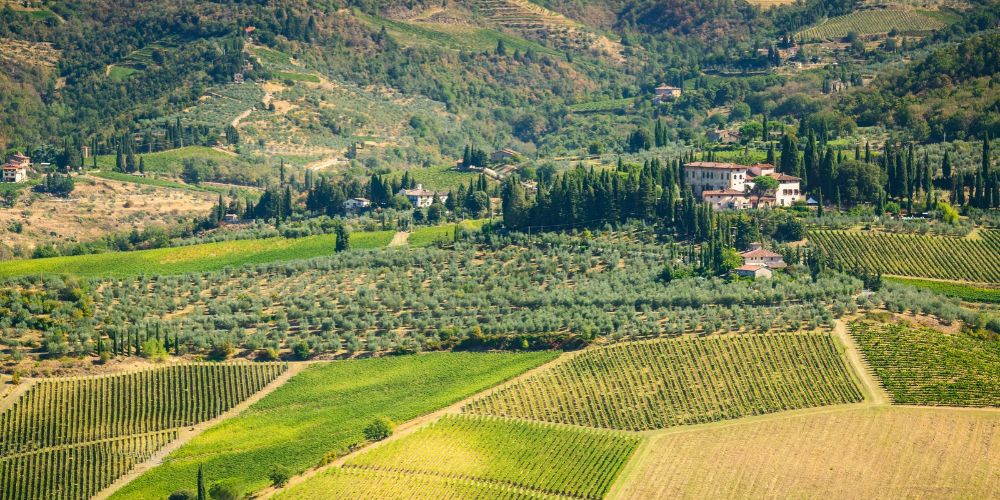
From deluge to drought, 2024 was a vintage of extremes for Italy with the excesses and deficits marking a divide between north and south. Irregular and erratic conditions made for heterogenous results both in quality and quantity. In terms of the former, location was crucial, with the vintage typically favouring the most privileged sites.
As for quantity, against the backdrop of a substantial shortfall in global wine production in 2024, Italy took the top spot with 44.1 million hl (OIV figures, published Sept 2025). While this represents an increase of 15% over 2023, it is still below the country’s 10-year average of 47.71 million hl. Furthermore, the blended average does not demonstrate the wide disparity from one region to the next.
Across Italy’s northern swath, abnormally high rainfall in spring was as welcome as it was challenging. Fungal disease pressure required constant attention. Though not as virulent as in 2023, Peronospora still managed to decimate Timorasso in Colli Tortonesi as well as the neighbouring denomination of Oltrepò Pavese in Lombardi. In other regions, such as Friuli-Venezia Giulia, rain at flowering seriously impacted yields. Spring frost and hail were less problematic, yet still reared their heads in isolated pockets, particularly in the northeast.
Above average temperatures persisted throughout July and August. While heat spikes were generally tempered, diurnal fluctuations were also less pronounced. Ample water reserves from the wet spring mostly offset the lack of rain. Alas, the combination of a soggy spring and hot, dry summer exacerbated Mal d’Esca especially in Valpolicella.
Rain returned in September bringing cool temperatures. Friuli-Venezia Giulia and Alto Adige boasted fresh, elegant whites – and Pinot Noir also shone in the latter. Overall, a complicated harvest meant picking between downpours. Challenges ranged from botrytis and sour rot to dilution and reaching full ripeness. Across the board, reds tend to be modest in structure and alcohol.
Moving down the boot, Tuscany experienced similar seasonal weather patterns. Fruit-laden vines required extensive thinning to achieve phenolic ripeness. Even so, yields were decidedly abundant. Most of the coast picked before the late-September torrent. Here, results are more consistent in quality and concentration than inland zones. Growers in both Montepulciano and Montalcino reported issues with heat stress and sunburn before the cool wet autumn led to a protracted harvest into mid-October. Early releases from Chianti Classico speak to variable results with Sangiovese – from harmoniously slender to lean and lacking.
Like 2023, 2024 was particularly challenging for organic viticulture and there are instances of estates abandoning certification from the Veneto to Tuscany.
With much less rain across the Apennines, Marche and Abruzzo faced extreme heat and drought. Due to hydric stress, yields were relatively low compared to recent averages. Whites were harvested early to preserve acidity. In Abruzzo, the compressed season compromised phenolic maturation for the Montepulciano grape. Puglia too saw a record shortage of rain though vines adapted from the start producing less but dense, flavourful wines.
The drought intensified in Sicily where a state of emergency was declared. Where possible, desperate growers improvised irrigation to save vines from dying. (Unsurprisingly, new vineyards are being established with irrigation structures.) The harvest was early by 15-20 days and production down by 20% on average. That said, grapes were healthy, and drought-resilient varieties like Grillo, Frappato and Nero d’Avola gave high quality. The situation in Sardinia was similar. Intense, structured wines with high alcohol reflect the relentless heat.
Back on the mainland, Campania and Basilicata did not escape the torrid conditions and water deficit. However, showers in September and October were sufficient to bring late ripening varieties to optimal maturity. Also benefiting from significant diurnal temperature differences, the mountainous zones of Irpinia and Vulture may be the vintage’s sweet spot - at least for reds.