
BLOG
Spanish wines
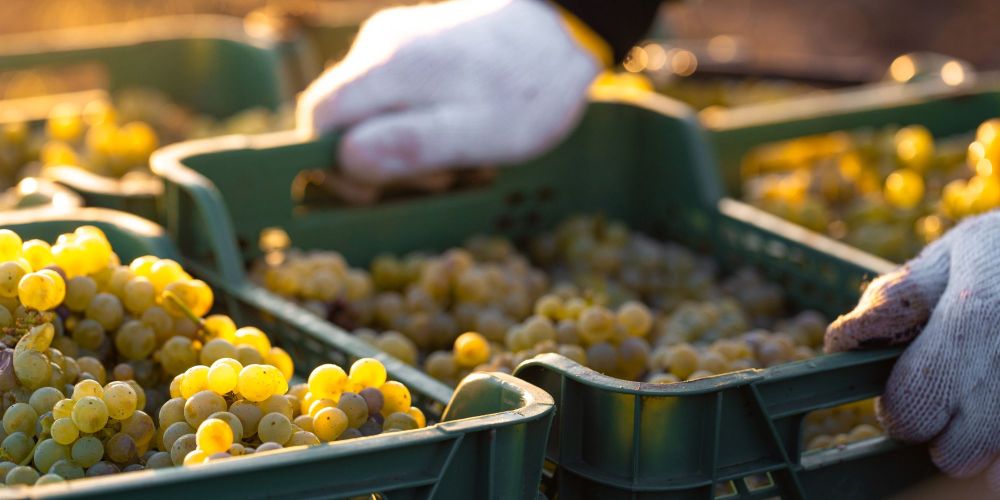
Galicia is one of Spain’s most exciting wine regions and wine lovers are spoiled with all the options available to them. Located in Spain’s Atlantic Northwest, Galician wines are known for their freshness, with lots of crisp acidity and citrus flavors in the white wines and crunchy red fruit and floral aromas in the reds. Here are ten names to look for on your next trip to the wine shop.
Cosecha. Joven. Viejo. And the list goes on. Many wine-producing countries use local-language wine-related terminology without realizing their consumers are unaware of their meaning. Even native language speakers are sometimes confused by these terms as they are technical and/or relate to wine law.
No need to worry! Below is your very own Spanish Wine Glossary (in alphabetical order) providing the top 25 wine terms you need-to-know to navigate Spanish wine.

After nearly two years of hard work, we are thrilled to present the Wine Scholar Guild’s latest certification course…
The Spanish Wine Scholar® (SWS) Program!
The program officially launches in October of 2019, but it is already garnering significant attention around the globe.
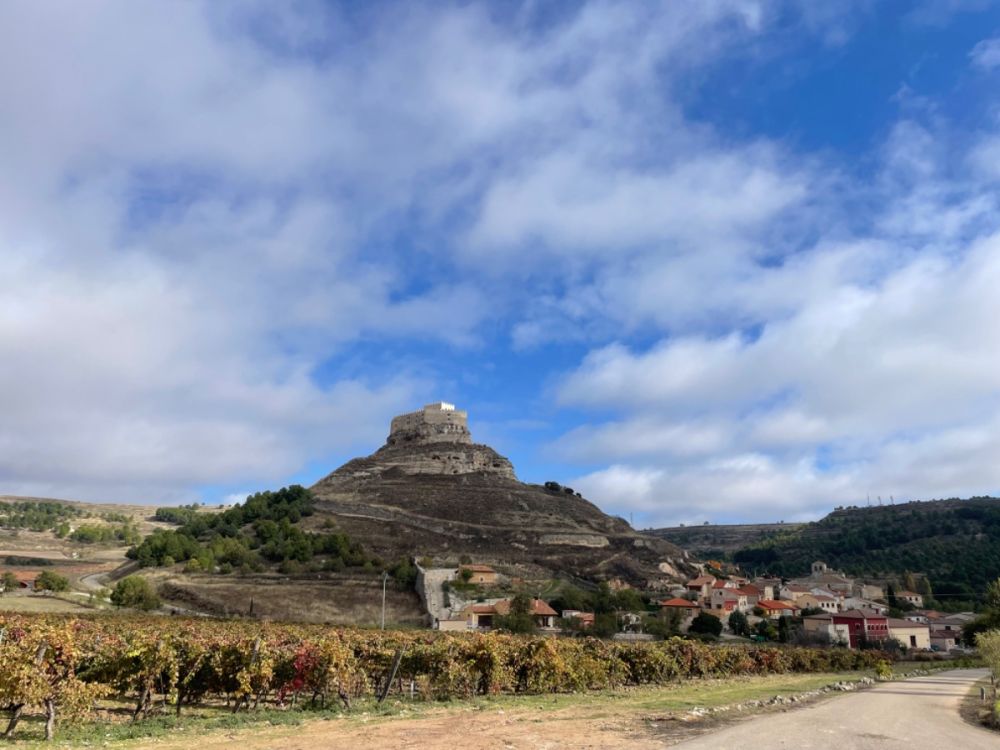
Over its 42-year existence as a Denominación de Origen (DO), Ribera del Duero has transformed from a relatively unknown region to one of Spain’s most prestigious wine-producing areas.

Rick Fisher, our Spanish Wine Scholar Program® Developer, recently returned from New York City where he was attending the 24th annual Spain’s Great Match, the nation's leading Spanish wine event organized by the Trade Commission of Spain in conjunction with Wines From Spain.
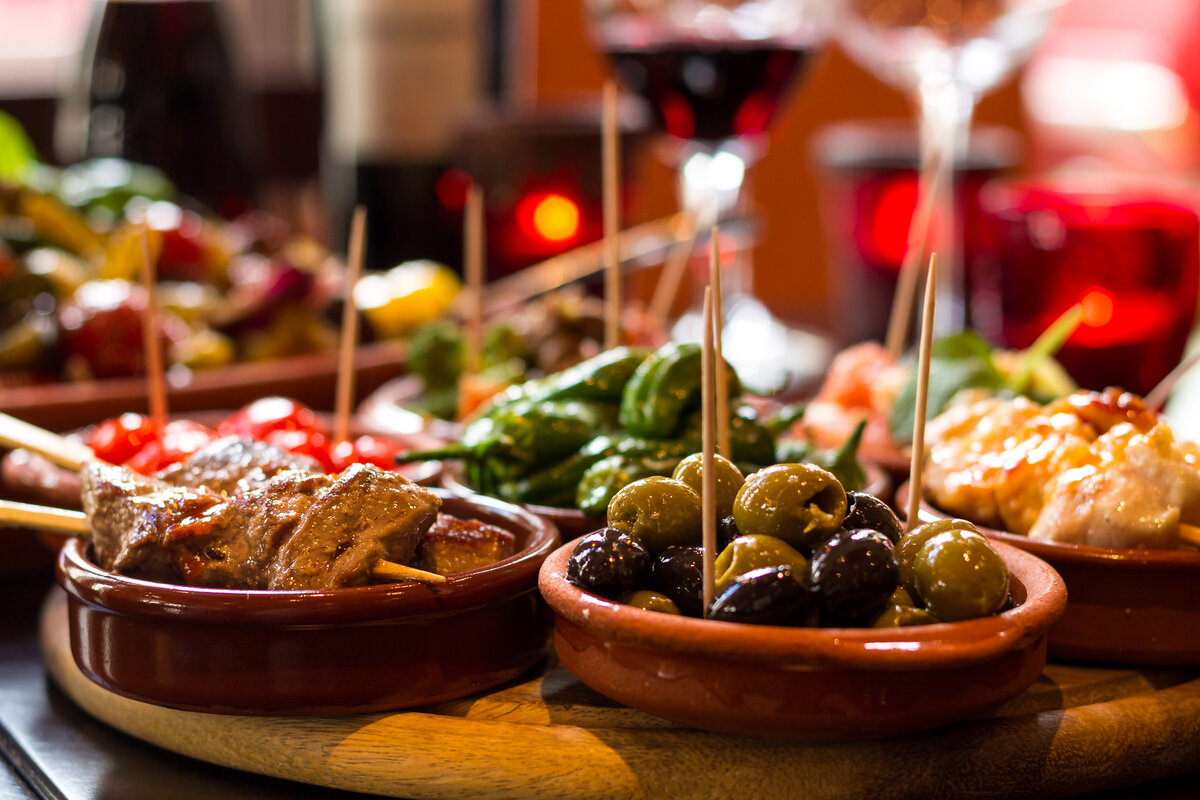
There is a man in Logroño’s Calle Laurel who makes garlic mushrooms. It’s the one and only thing on the menu, not that there is a menu. Griddled mushrooms, served on toast, drowning in garlic butter with a small slice of prawn on top. They are miraculous. I think about him and this bar often, as I lurch between life crises, as I think he may possibly have discovered the ultimate secret to a life of happiness and contentment. For me, this dish in this place is
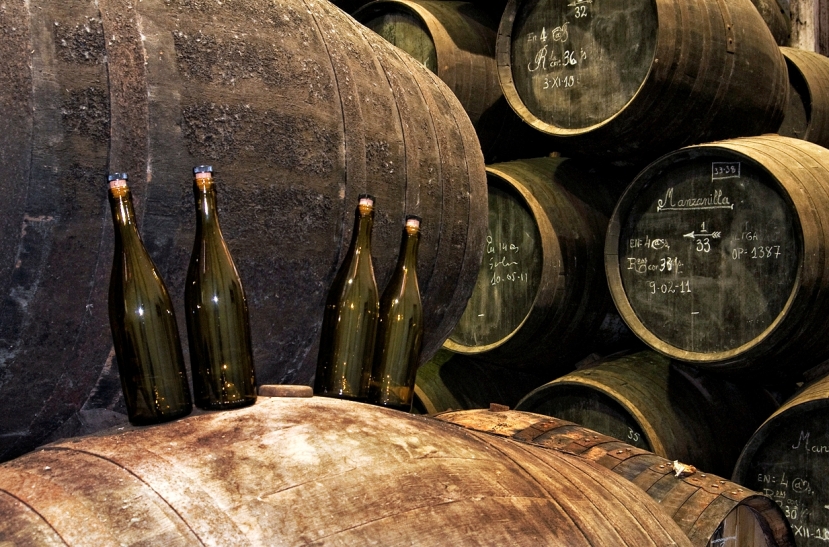
Sherry producers like to say they deal with two types of terroir.
“First,” says Fermin Hidalgo, owner of leading Sanlúcar de Barrameda-based Bodegas Hidalgo La Gitana, “the ‘classic’ terroir we all know: climate, soil, etc. The second terroir is the one related to the wineries… Biological ageing is part of our terroir.”

In this episode, we are chatting with Rick Fisher, Spanish Wine Scholar Education Director, about Sherry styles and getting a behind-the-scenes peek at the forthcoming Spanish Wine Scholar Program.
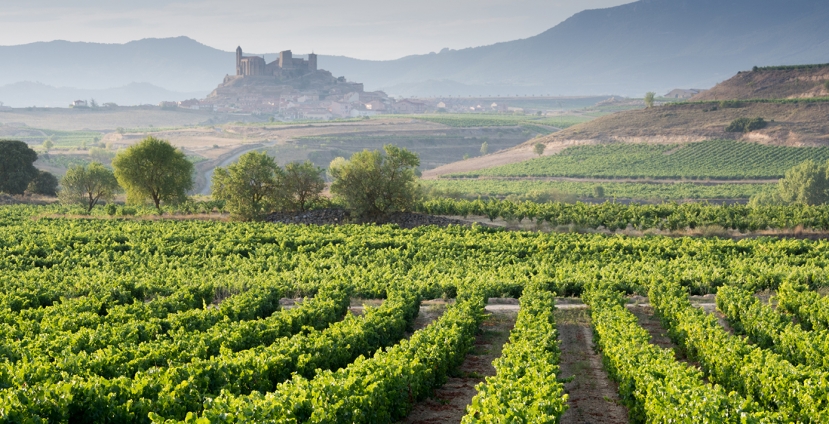
Bordeaux. Burgundy. Barolo. Rioja. Just the mere mention of any one of these wine regions conjures images of the world’s best wines all sharing the ability to age for decades. The wines of Rioja have earned their place amongst this elite group; and whilst consumer tastes may swing like a clock’s pendulum, the practice of aging wines in Rioja helps define its successful past, present, and future.
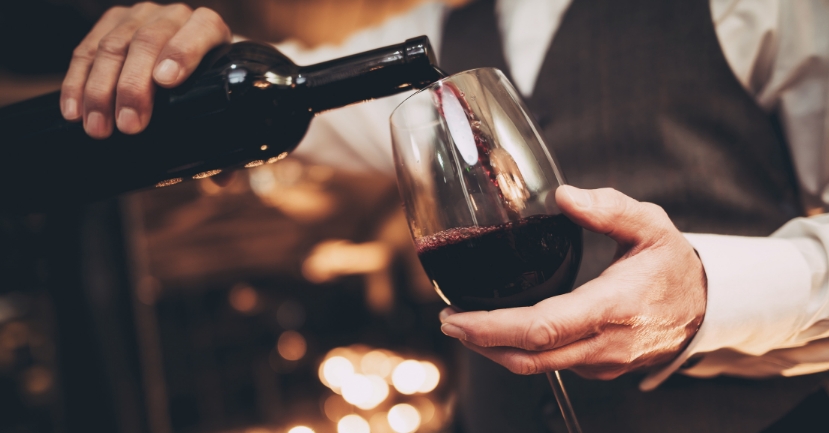
Spanish red wines get a lot of press for being good values, but shopping in the Spanish wine aisle can be as daunting if you aren’t sure what grows where within the world of Spanish wines.
Many of Spain’s best red wines are labeled with the name of the wine appellation, rarely by grape variety. At its most simplistic, Spain can be divided into three “bands” for red grape varieties and wines. The Tempranillo grape variety excels in wines from central and northern Spain, Garnacha (Tinta) in wines from northeastern Spain and Monastrell in southeastern Spanish wines.
If you’ve ever felt completely overwhelmed while browsing a Spanish wine section, knowing just a few key wine names will help keep your shopping trip focused and ensure that you have the perfect wine to drink at a moment’s notice.

As the global popularity of Spanish wine grows, more exciting options are becoming available in restaurants and wine shops. While many people are familiar with Spain's premium red wines from regions such as Rioja and Priorat, the country also produces stellar white wines. These wonderful – and often underappreciated selections – represent a great value with excellent variety and versatility.
Like its red wines, Spain's white wines are labeled with their appellation of origin – or Denomination of Origin (DO). This designation represents the grape's place of origin, and typically each DO will specialize in one or more different wine styles made from specific grapes. For those new to Spain, knowing what to expect can be challenging if you are unfamiliar with the region.
Below is a breakdown of some of Spain's most popular (and delicious) white wines. This list includes their region of origin as well as the primary grapes from which the wines are made. Use this as a guide to expand your understanding of Spanish wine.
Spain began linking wine to “place” early on. As far back as the beginning of the 20th century, the need for wine regulations became self-evident. The country was experiencing rampant wine fraud; quality wines were being diluted with bulk wine on a regular basis.
Rioja was a leader in the charge for legislation to guarantee wine origin. In 1902, a Royal Decree defined the origin of its wines by establishing a geographical link between the name of a product and the place where it is produced. Just a little over two decades later, in 1925, the first Consejo Regulador (Regulating Council) was created in Rioja. In the years that followed, Jerez and Málaga also gained regional protection.
Are you ready to dive into one of the world’s greatest wine-producing countries? If so, our next Spanish Wine Scholar Instructor-Led course is about to start, and we would love to have you join us! If you still aren’t sure, then take a look at these ten reasons why you should be studying Spanish wine.
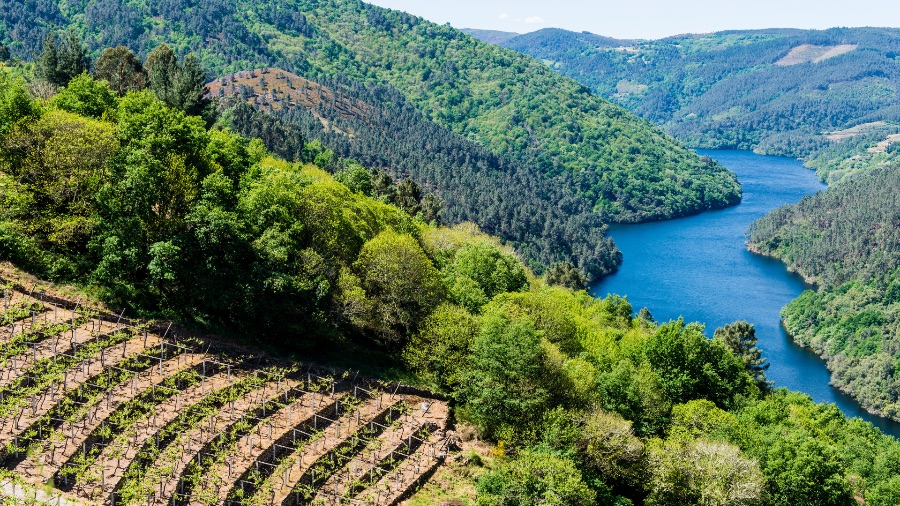
Galicia is magical for many reasons. Its rolling green hills and foggy river valleys make it more like its Celtic cousins Ireland and Scotland than Spain, and you’re more likely to hear bagpipes than flamenco guitar. Instead of packing sunscreen, you’d be wise to bring an umbrella. And then there’s the wine. From Albariño to Zamarrica, Galicia is home to some truly exciting grape varieties.
As part of a partnership between Wine Scholar Guild and Decanter, we are pleased to share with our readers this article pulled from Decanter Premium. WSG members enjoy a 20% discount on their Decanter Premium subscription! Get your coupon code HERE
Over-zealous planting and heavy-handed use of oak haven’t done its reputation any favours, but Spain’s most widespread variety can make excellent wines. Sarah Jane Evans MW highlights the regions and producers helping Tempranillo reach its full potential.
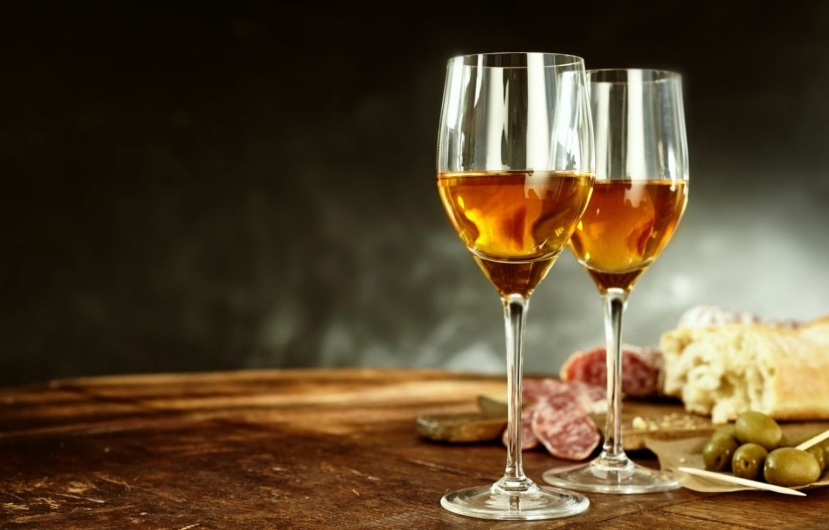
Of all the styles of sherry, palo cortado is the most ambiguous, and indeed, deliberately so. The Consejo Regulador, sherry’s governing body, defines every other style of sherry in relatively specific detail, yet when it comes to palo cortado, the rules describe it simply as a wine combining the delicacy and aromatic refinement of an amontillado with the structure and body of an oloroso. In addition, nothing is mentioned about its method of production, which further allows the definition of palo cortado to be left open to interpretation.