
BLOG
Barolo
This article has been published in partnership with World of Fine Wine and Wine Scholar Guild.
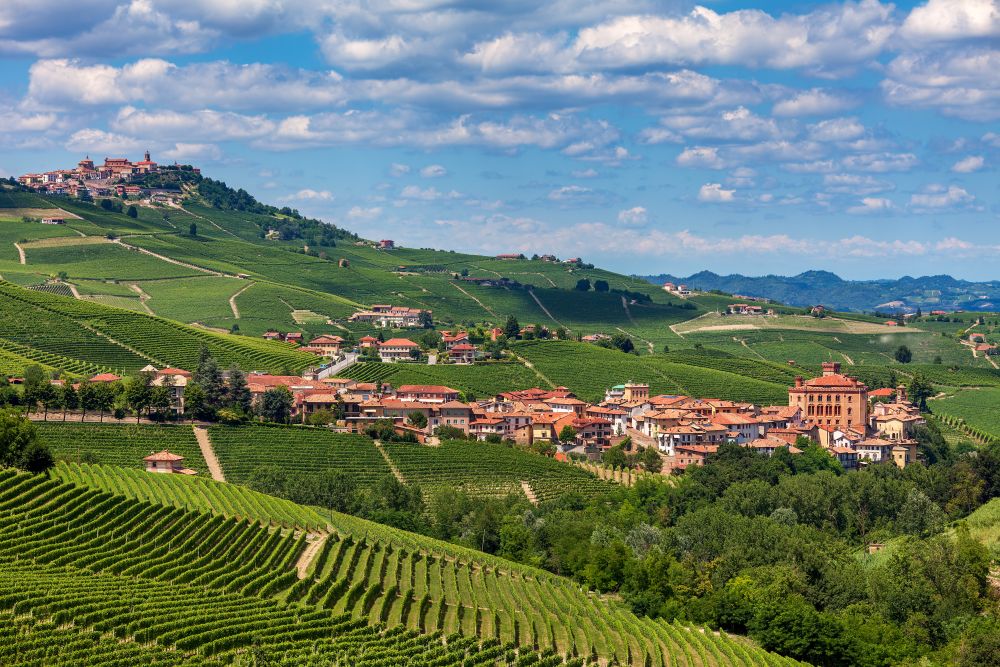
A topsy-turvy 2019 Barolo growing season set many challenges for growers who produced wines that are classical in structure, with firm tannins and high acidity but less of the density and richness of recent warmer years, says Andrew Jefford, who was joined by Bruno Besa and Michael Palij MW.
Thanks to a string of successful vintages, there has been a great deal of recent publicity regarding Barolo and Barbaresco wines.
Produced entirely from Nebbiolo, these two iconic wines have changed in style over the past 20-30 years; where once, the wines were reserved upon release, today, the wines are riper and more forward. This is largely due to climate change, as warmer temperatures throughout the growing season have necessitated Nebbiolo harvests some two to three weeks earlier these days than in the 1980s, ‘70s and prior; while late October to early November was normal for a Nebbiolo harvest thirty and forty years ago, today, harvest is more typically in early-mid October.
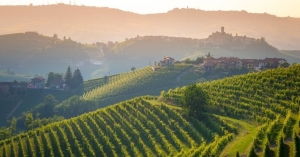
Apart from the Côte d’Or in Burgundy, perhaps no other wine territory has been dissected in greater detail than the Barolo zone. This makes perfect sense, as these are arguably the two most ideal representations of the concept of terroir; just as Pinot Noir from one village in Burgundy reveals different flavors than that of another nearby hamlet, so too offerings of Barolo from various communes often display diverse characteristics, despite the fact that every wine here is made exclusively from Nebbiolo.
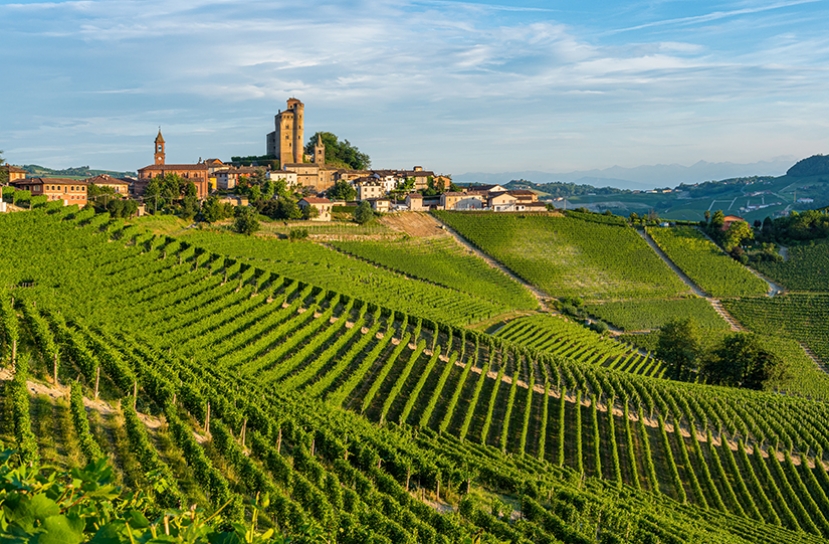
There are 11 approved communes in the Barolo production zone. For this article, we will deal primarily with the five largest: La Morra, Serralunga d’Alba, Monforte d’Alba, Castiglione Falletto and Barolo itself. The remaining six are Cherasco, Diano d’Alba (interestingly, planted more to Dolcetto than Nebbiolo), Grinzane Cavour, Roddi, Verduno and Novello; these last two are home to two of the most in-demand vineyards in the entire zone: Monvigliero in Verduno and Ravera in Novello.
Wine professionals and consumers share a similar aspiration when they visit a wine region; they want to enjoy the area’s best dining experiences so they can pair their favorite local wines with the territory’s typical food offerings.
While commonplace throughout Italy, this situation is nowhere more prominent than in Piedmont, especially in the region’s southern Langhe district. Lunch or dinner in the Barolo and Barbaresco production zones here is more than a simple pleasure; this is wine, and food pairing elevated to an art form.

The best way to make sense of Italian red wines is to simply start tasting them. Italy offers the perfect red wine for every occasion—from pizza on Monday to roast beef with the in-laws on Sunday.
Many of Italy's best red wines are labeled with the name of the wine appellation, often combined with the grape variety. If you've ever felt wholly overwhelmed while browsing an Italian wine section, knowing just a few key wine names will help keep your shopping trip focused and ensure that you have the perfect wine to drink at a moment's notice.

Italian reds have become famous all over the world, characterized by their intense structures, rich perfumes and distinctive personalities, often derived from the peninsula’s characterful native grape varieties.