
BLOG
Italian Wine
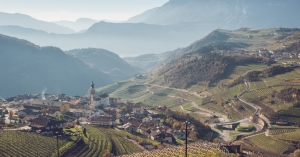
The story goes that a couple of years ago, at a high society charity event in Milan a noted British rock star was served a sparkling wine that impressed him so much that he asked to be introduced to its producer who happened to be present at the event, and to whom he is reported to have said “This is the greatest Prosecco I’ve ever tasted”. The wine was in fact a metodo classico riserva made by one of Franciacorta’s top producers. The anecdote may be apocryphal, but it could easily be true. The big wide world (and not only – the misconception is also becoming common in Italy) has started to perceive anything Italian with bubbles as Prosecco, without distinction of origin or refermentation method.
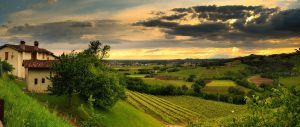
With a treasure trove of native white varieties, Friuli Venezia Giulia makes some of Italy’s most exciting white wines.Friuli Venezia Giulia is considered the birthplace of modern Italian white winemaking. In the late 1960s, a small group of inspired producers began crafting clean, fresh and fruity white wines—a monumental shift from the tired, oxidized versions that had been largely produced prior.
Walking along the path that leads to the summit of the Cartizze hill, the town of Santo Stefano gradually emerges in the distance, its bell tower and a few quaint houses standing as a punctuation mark amidst the harmonious mosaic of woodland patches and vineyards.
Like real-life topographic contour lines, the intricately arranged, labyrinthine rows of Glera vines ascend and wind through the characteristic, humpy “hogback” hills. Ciglioni – small, narrow cultivated terraced plots that have been utilised here since at least the 17th century – lend rigour and a sense of order to the vegetative profligacy of this landscape.
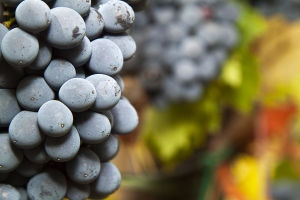
Matt Kirkland was an attendee of the WSG’s first Study Trip to Tuscany with Jane Hunt, MW. Here, he shares some of the insights he gleaned from the trip.
Quality in wine can be assessed based upon balance, length, intensity, and complexity (and typicity when not tasting blindly). As the workhorse grape of central Italy, Sangiovese had a checkered history relative to quality. It is a high acid grape, with relatively high tannins; and quality demands a balance of these structural components. The goal of this essay will be to discuss the acid/tannin balance, its impact upon quality, and the implications for “mouthfeel” of the resultant wines. The harmonious balance of quality can be achieved with pure Sangiovese (Brunello de Montalcino or some Chianti’s, or with blends as in Chianti or the “Super Tuscans”); the key is taming the interplay of tannin and acid on the palate. The journey through Tuscany is a delectable discovery of vinous diversity, unified by the grape.
“In the bad old days, Sangiovese tended to be overproduced which accentuated its tendency to exhibit high acid and unripe tannins… Sangiovese’s dominant viticultural characteristics are that it can vary as much as Pinot Noir in its sensitivity to place and that it ripens relatively late.” Jancis Robinson, www.jancisrobinson.com/learn/grape-varieties/red/sangiovese
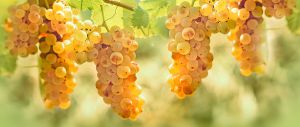
Italian red wines may get all the attention, but insiders know that Italian whites are as varied and interesting as the country’s reds. Italy’s multitude of mountains and hills ensures wines with bright acidity—the hallmark of Italian whites. Acidity is what makes a wine food friendly, and Italian white wines do not disappoint. From appetizers through dessert, there is a perfect Italian white for your table.
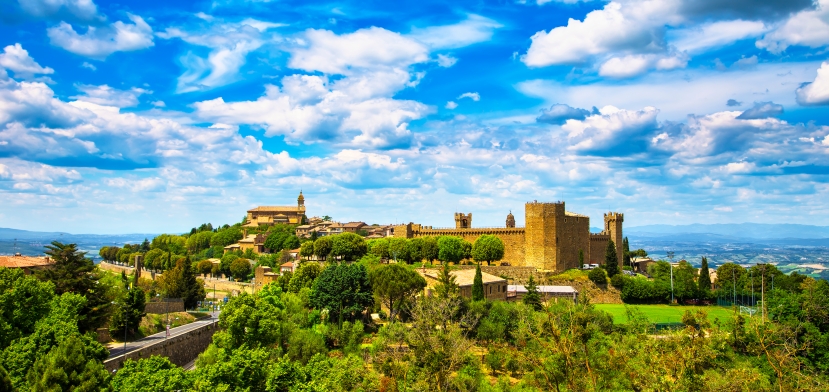
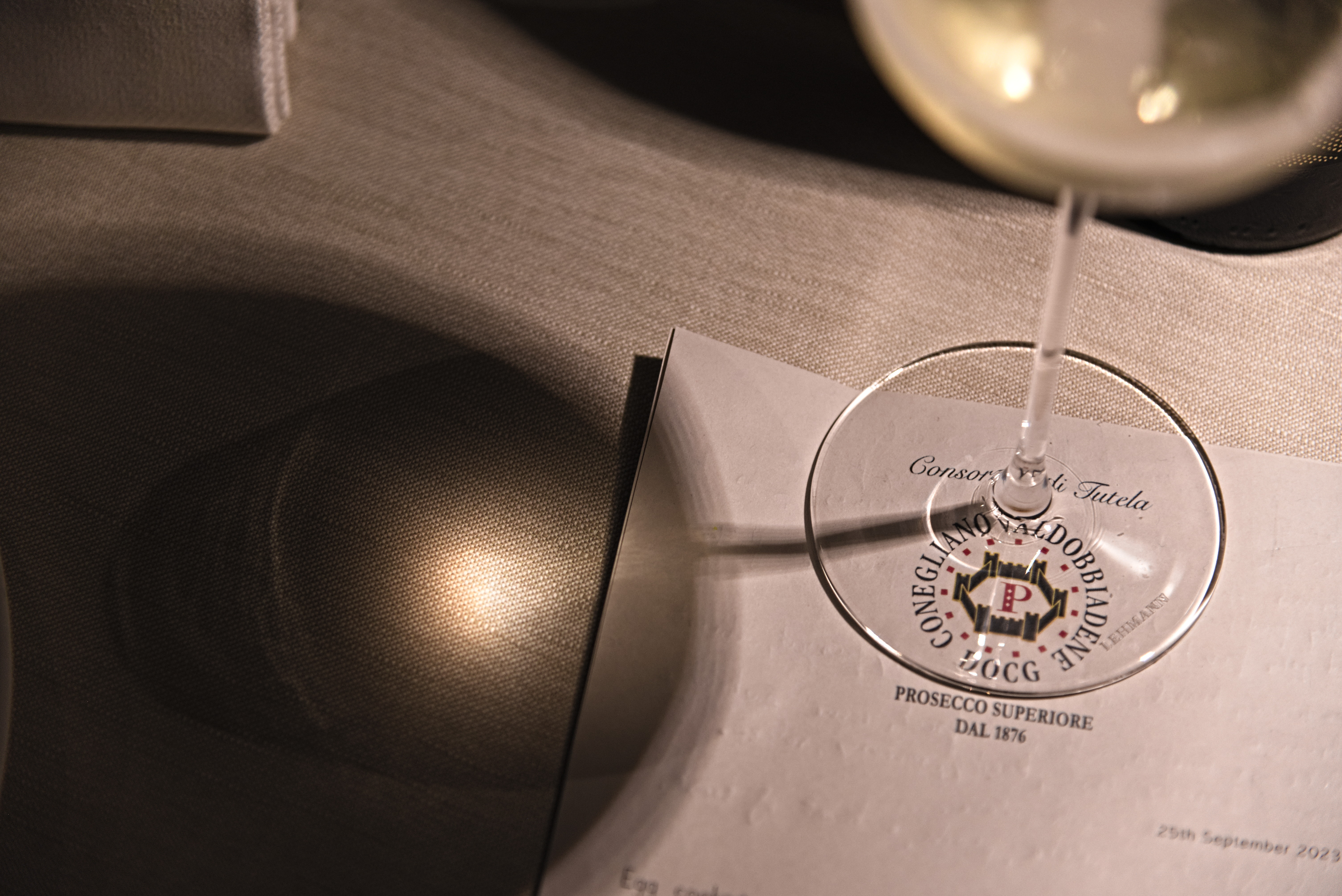
When the Consorzio Brunello di Montalcino was established in 1967, one year after the wine received DOC status (it became one of the initial DOCG wines in 1980), there were only twenty-five members. Today, there are more than two hundred Brunello producers; given the reputation of this wine for its ability to age for twenty-plus years in the finest vintages, this is hardly surprising.
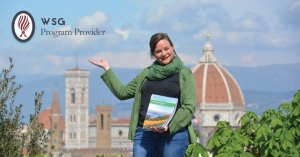
Meet Rebecca Christophersen, founder of the Italian Wine Institute in Florence, first wine school to offer the Italian Wine Scholar® program in Italy!
Their first IWS session is scheduled to begin March 3rd 2020 (Unit 1), more information and registration HERE.
Could you give us a bit of background on your personal and/or professional history in wine and what made you decide to move into wine education?
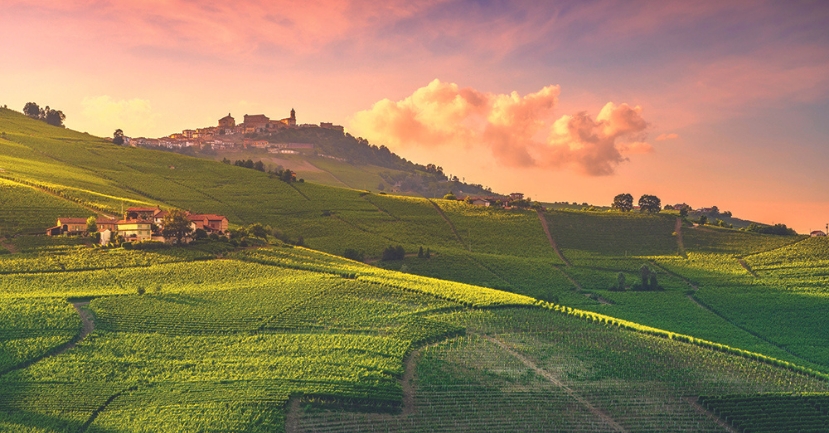
Wine Scholar Guild is pleased to provide its readers with vintage and harvest reports for some of Italy’s most famous regions, from 2010 onward. We felt it was time that we expand our assessment of vintages and harvest reports outside of France and Italy was first on our list. To compile this in-depth report, we reached out to Italian wine specialist Tom Hyland. Tom seemed like the perfect fit for this project, as he has been reporting on and promoting Italian wines for more than twenty years as a journalist, educator, and photographer. He has made more than 75 trips to wine regions throughout all of Italy from his home in Chicago. In that time, he has written for numerous publications, including Decanter, wine-searcher.com and most recently Wine Spectator. He has written two books on Italian wine: Beyond Barolo and Brunello (2013) and The Wines and Foods of Piemonte (2016). Tom has conducted seminars on Italian wine for the trade and public; over the past year, he has led more than two dozen webinars with Italian producers; among these were several for Wine Scholar Guild. He also served as US ambassador for Consorzio I Vini del Piemonte for five years. He is also an accomplished photographer, having been named Wine Photographer of the Year (Category: Places) in 2020 at the prestigious Pink Lady competition in England. Andrea Eby, Italian Programs Director, asked Tom to provide a short blog article describing how he went about compiling this fantastic resource. We hope you enjoy the article and find the vintage charts as useful as we do. As always, we look forward to your questions and comments!
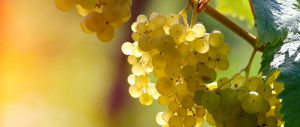
Emilia-Romagna’s Romagna Albana DOCG holds the claim to that distinction. This was Emilia-Romagna’s first DOCG, and more controversially, Italy’s first white DOCG.
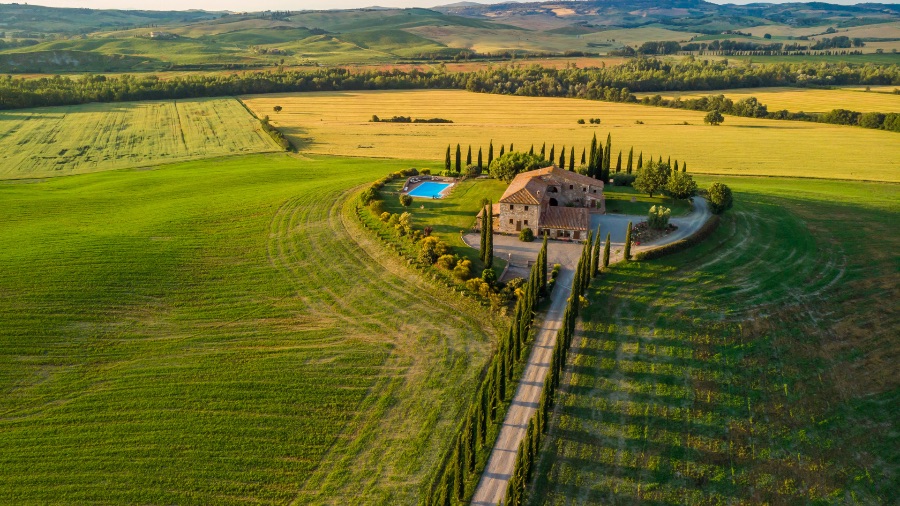
For as long as Italians have eaten good food, they have enjoyed good wine. The country is the world’s second-largest wine producer and besides a few hiccups after the fall of Rome, has been a consistent leader in viticulture for centuries.

Vineyards on the shores of Lake Garda
Did someone say Lake Garda? You had me at Lake! Those were my first thoughts when asked to visit the area close to Italy’s largest lake and home of the Lugana DOC.
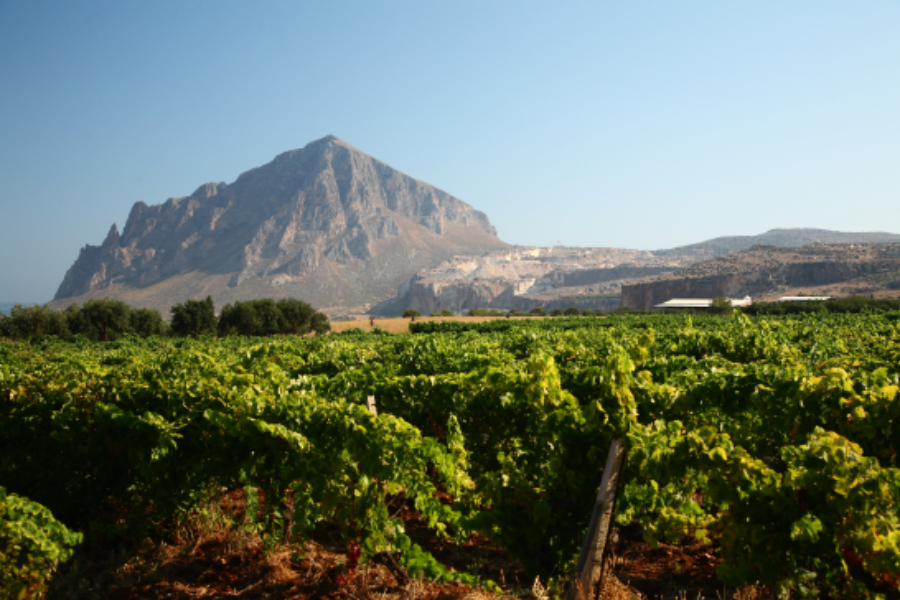
Vineyard landscape in Marsala
Marsala, the fortified wine hailing from the sun-soaked hills of Sicily. A wine that embodies the rich tapestry of history and culture of an Island just a stone’s throw from mainland Italy. Having recently returned from visiting the region here is a brief introduction and exploration of one of the world’s most underrated wines.

“Andreeeeea! There is no plane from Napoli to Ancona!” This was the incredulous cry that I heard from my Campanian friends when I told them how I was leaving their beautiful region to visit Marche. They were sure that when I arrived at the terminal, that what I thought was going to be a plane would, in fact, turn out to be a bus. They were so adamant that no such flight existed that even I began to doubt the authenticity of the travel itinerary I had received. My relief was therefore clearly visible when I was able to check in for my evening flight to Ancona.
A number of Friuli’s native varieties were rescued from the brink of disappearance. Let us introduce you to Vitovska and Pignolo.
Vitovska: The name of this white grape variety is of clear Slavic origin, but it is generally considered to be a native variety of both eastern Friuli and Slovenia, as it was historically only cultivated in Carso (in the province of Trieste) and in Slovenia.
Ciro Pirone is the Director of Italian Wines for Horizon Beverage Group and will be teaching the next online Italian Wine Scholar course beginning in February. In under 30 minutes Ciro gives us the fascinating history of Italian sparkling wine production, and discusses key points on the spumante wines of Alta Langa. We also learn about the main grapes and styles of Lambrusco, and learn important distinctions between Asti DOCG and Moscato d’Asti DOCG.
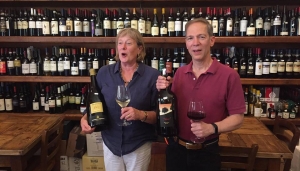
Master of Wine Jane Hunt is interviewed by Decanter Magazine’s Andrew Jefford about Tuscany and its wines. Jane has a long, distinguished career in various aspects of the wine trade. She leads the Wine Scholar Guild immersion tours through some of the legendary Tuscan wine estates.
Maurizio Broggi, DWS, FWS, is the Education Director for the Italian Wine Scholar (IWS) program. During an eight-day summer tour, he led a group of IWS educators through three of Italy’s northern wine producing regions, Trentino, Franciacorta and Lugana.
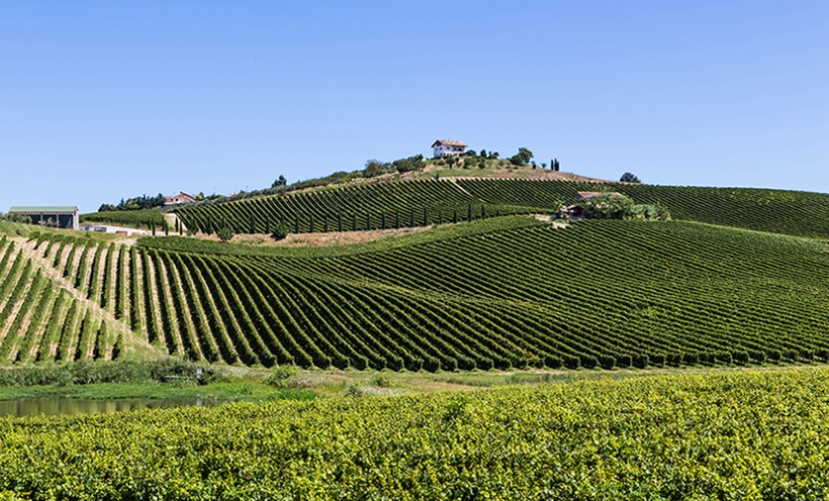
For much of the wine history of Abruzzo, large cooperatives established a perception that the region’s wines were pleasant and technically correct, but offered little in the way of excellence. Today, the image of Abruzzese wine has taken on a new light, as dozens of smaller producers are crafting more sophisticated offerings that not only display superior complexity, but also offer greater elegance and aging potential as compared with the typical wines of the past.
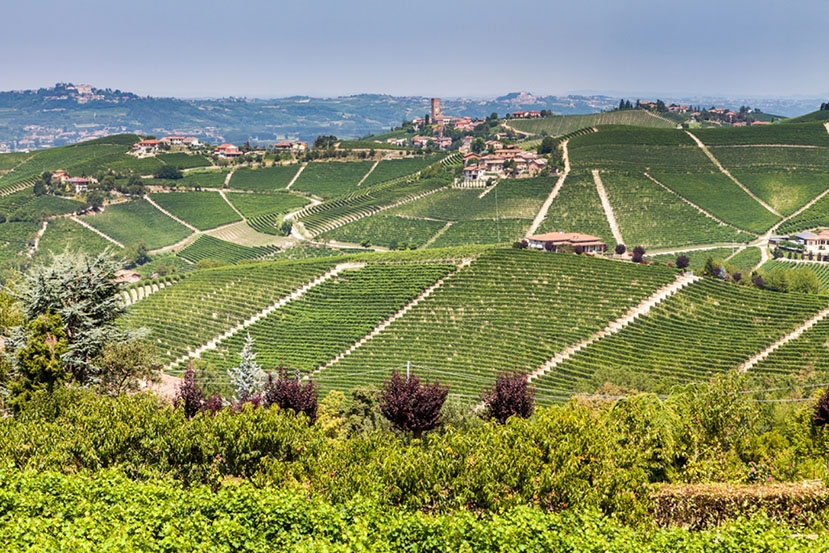
Post–World War II, global wine production underwent a rapid and profound transformation. New developments in wine science from Montpellier, Geisenheim, and Bordeaux helped clean up wine,
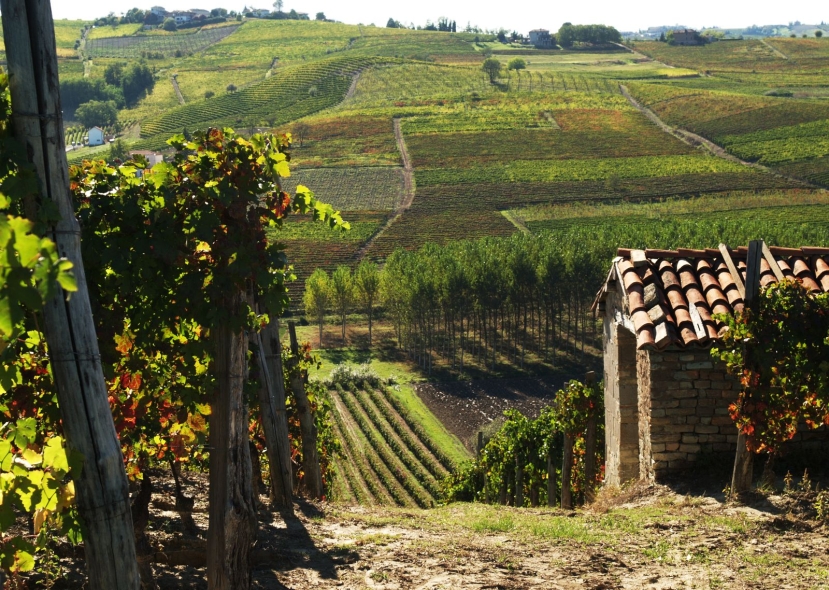
The Etruscans were the first to produce wine in northern Italy; beginning with wild varieties, they cultivated vines in Piedmont centuries before the Romans arrived. Nevertheless, it was the Romans who advanced commercial winemaking, significantly increasing the area under vine and using props, trellises and ‘Greek presses’ to dependably supply the empire’s domestic and trading needs.