
BLOG
Natural Wine
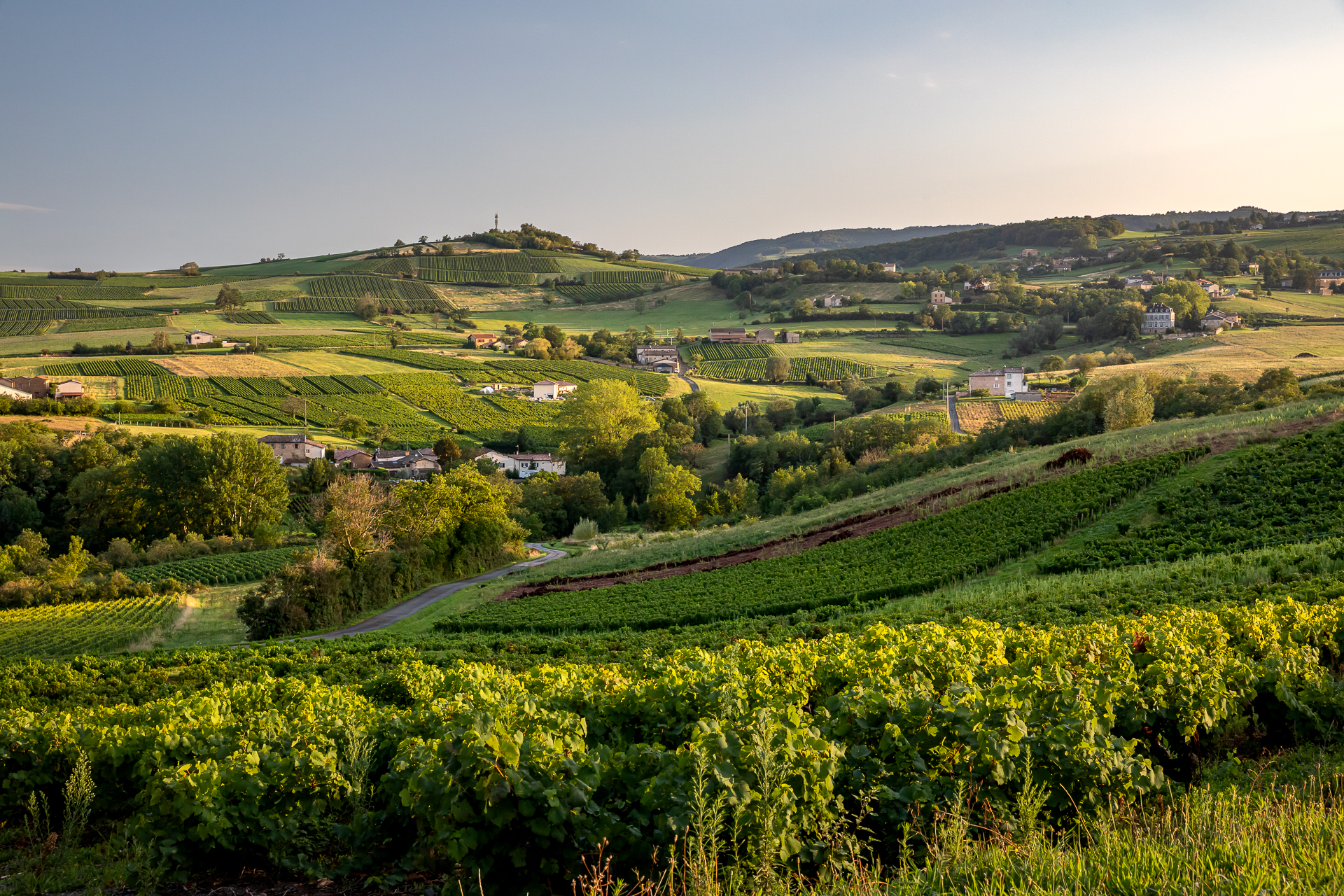
Kids in France grow up reading about the adventures of Asterix the Gaul.
Summary:
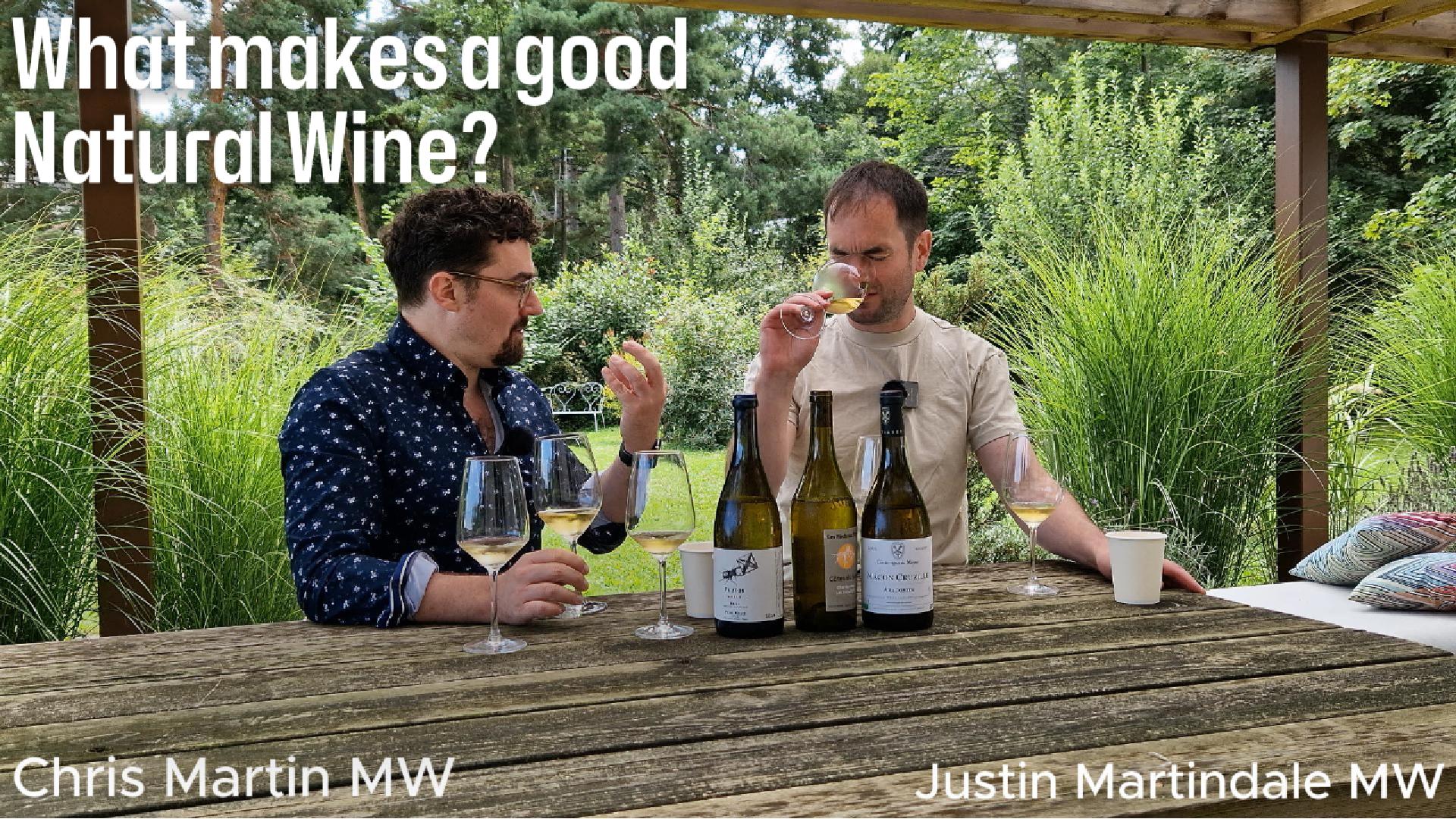
What is a 'natural wine' anyway? In the latest in our series of blind tasting videos, Justin is once again joined by Chris Martin MW, to discuss all things natural. They taste three outstanding low-intervention wines and talk about how you might recognise the signatures of naturalness, how to assess quality and finding the line between funk and faulty.
We'd love to hear your thoughts about natural wine, so please start a discussion in the comments!
Details

The term natural wine conjures a plethora of reactions. To some it symbolizes a cultural movement towards honest winemaking, to others it is merely a fad for funky wines. The term is as vague as it is vast.
There are some who believe natural should refer only to zero-zero wines (wines that have no added sulfites and apply a minimalist winemaking approach). However, the term is more generally understood as an umbrella status which encompasses any wine made with an attention to the ecosystem and biodiversity, low intervention vinification, and an authentic representation of terroir.

Wine is full of spirited debates, but few can argue that any subject matter generates more intensity these days than natural wine. Should sulphur be allowed or not? Do natural wines reveal terroir better than conventional wines? Has natural wine changed our notion of flaws?
Perhaps most controversial of all is the definition of natural wine in the first place.
These questions are constantly challenging everyone from wine critics and sommeliers to casual students of wine. We decided to bridge the topic with long-time columnist for Decanter and World of Fine Wine, Andrew Jefford, as well as Simon J Woolf, the noted natural-wine writer and author of Amber Revolution: How the World Learned to Love Orange Wine.