
BLOG
Rhône Valley
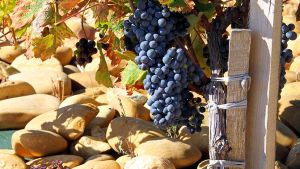
As autumn is drawing to a close and the wine presses have been washed and put away, the first wines tasted before being blended confirm what had been sensed: 2016 is going to be a fabulous vintage! And if some compare it to the magnificent 2010, some others do not hesitate to go as far as the famous star-vintage 1990… Either way, the evidence that we are witnessing the making of a great vintage is clear.

There have been moments in my career as a professional winophile where I’ve realized I haven’t retained a bit of information that perhaps I should have learned in grade school had I been paying attention. Everyone needs a refresher once in a while and this series of blog posts aims to fill in possible gaps of knowledge that your grade-school mind may not have realized you would use in your fabulous wine career.
As an American student, French geography was sadly lacking in my education. An examination of the Massif Central (ma-seef cen-trale) was not taught alongside the study of The Rocky Mountains.
Every wine appellation in France has a cahier des charges, a set of regulations that delineates the production zone and specifies viticultural practices and production standards.
In many instances, a single cahier des charges references one zone of production and multiple wine styles within it (e.g. Lirac red, white, and rosé; Rasteau dry red, plus red, white and rosé Vins Doux Naturels). Some single cahiers also incorporate complementary geographic denominations or dénominations géographiques complémentaires (DGCs) such as Languedoc Montpeyroux or Bourgogne Hautes Côte de Nuits. Other times, very different wines can be grouped under one single cahier as is the case for Beaujolais, Beaujolais Supérieur, Beaujolais + Named Commune, and Beaujolais-Villages.