
BLOG
tempranillo

Castilla y León is one of Spain’s most significant regions and the cradle of the Catholic Monarchs, Ferdinand and Isabel. It boasts more than 60 of Spain’s heritage sites including over 500 castles, 12 cathedrals and eight UNESCO World Heritage Sites. It is also home to Vega Sicilia, one of the world’s most iconic wine brands.
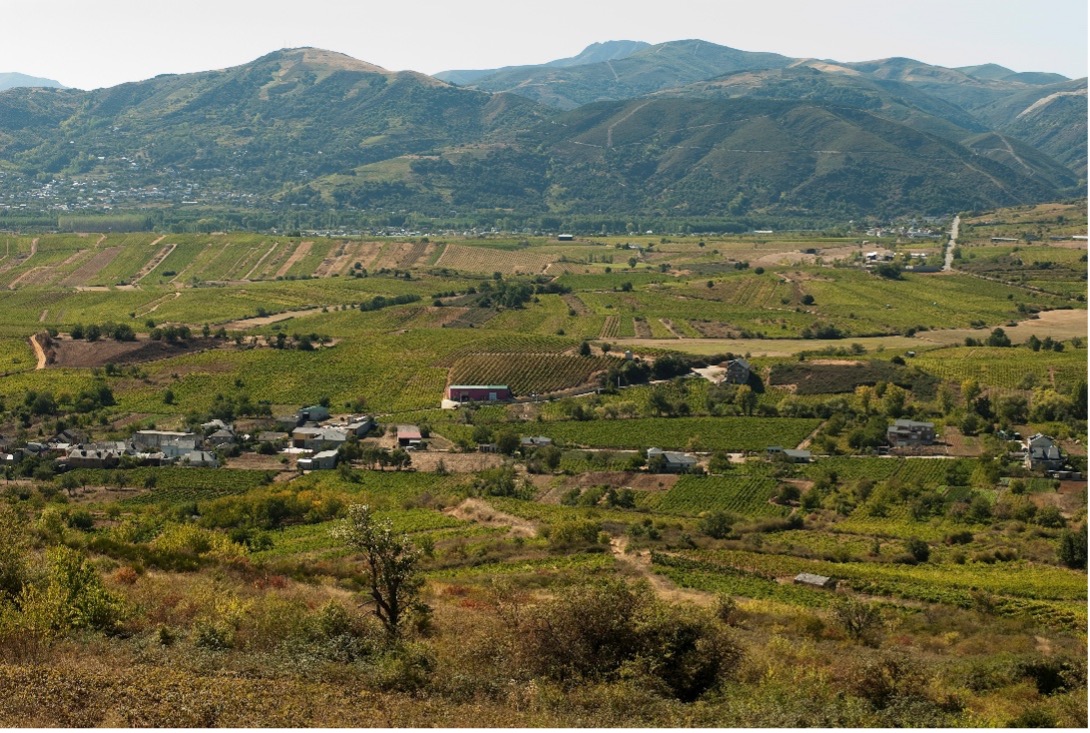
If there’s one thing that Spanish winemakers are brilliant at, it’s identifying a region that has been ignored, forgotten or underestimated–then fulfilling its potential. Obvious examples would be Ribera del Duero, Priorat or more recently the Sierra de Gredos.
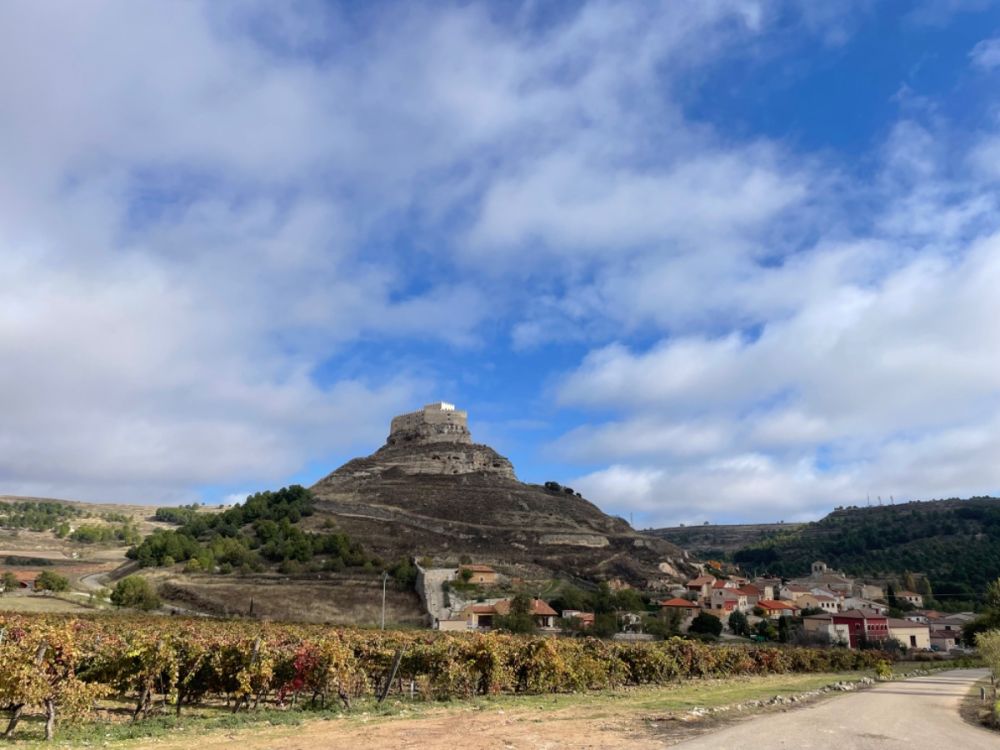
Over its 42-year existence as a Denominación de Origen (DO), Ribera del Duero has transformed from a relatively unknown region to one of Spain’s most prestigious wine-producing areas.
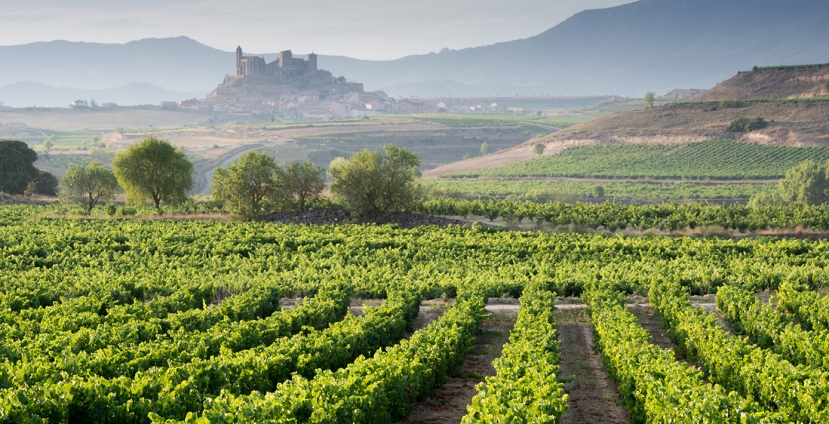
Bordeaux. Burgundy. Barolo. Rioja. Just the mere mention of any one of these wine regions conjures images of the world’s best wines all sharing the ability to age for decades. The wines of Rioja have earned their place amongst this elite group; and whilst consumer tastes may swing like a clock’s pendulum, the practice of aging wines in Rioja helps define its successful past, present, and future.
As part of a partnership between Wine Scholar Guild and Decanter, we are pleased to share with our readers this article pulled from Decanter Premium. WSG members enjoy a 20% discount on their Decanter Premium subscription! Get your coupon code HERE
Over-zealous planting and heavy-handed use of oak haven’t done its reputation any favours, but Spain’s most widespread variety can make excellent wines. Sarah Jane Evans MW highlights the regions and producers helping Tempranillo reach its full potential.