
BLOG
wine scholar guild

This article has been published in partnership with World of Fine Wine and Wine Scholar Guild.
A shocking red wine from the Jerezano new wave.
Andrew Jefford tastes 2020 Annius Atlántida Vino de la Tierra de Cádiz.

Water: the source of life
Since our return to Alsace ten years ago, my wife Céline, my daughter Zoé and I never tire of walking the countless hiking trails that crisscross the Vosges, often offering breathtaking panoramas of the mountains and the Alsace plain. On the days when the sky is at its purest, even the snow-covered summits of the Alps can be seen in the distance on the horizon.

Summary:
In this video, Justin and Chris explore ageabilty in rosé wines by tasting two vintages of the esteemed Clos Cibonne winery in Provence. They discuss ageabilty, quality, oak and how to spot aged characteristics in this style of wine.
About the Speakers:
Justin Martindale is the Wine Scholar Guild Membership Manager and one of our in-house Masters of Wine. Justin passed the notoriously challenging MW tasting exam with the Madame Bollinger Award,
Summary:
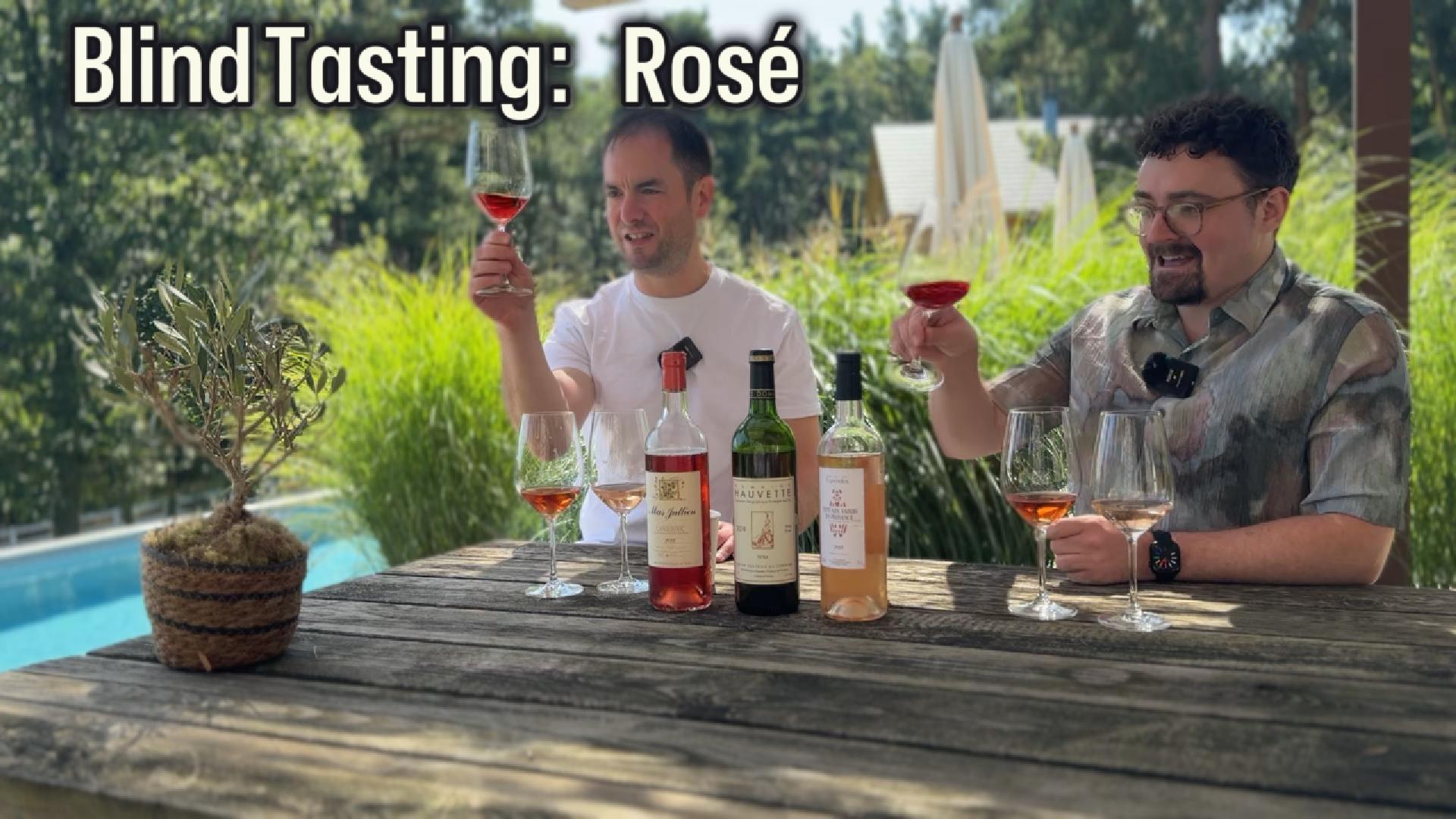
In this video Justin and Chris explore the world of Rosé, sharing tips and techniques around how to taste quality and starting to make arguments for logical regions of origin. We cover colour, winemaking signatures and what makes a great Rosé through a tasting of three very different wines from the south of France.
Full details of all the wines can be found in the pdf document above.
About the
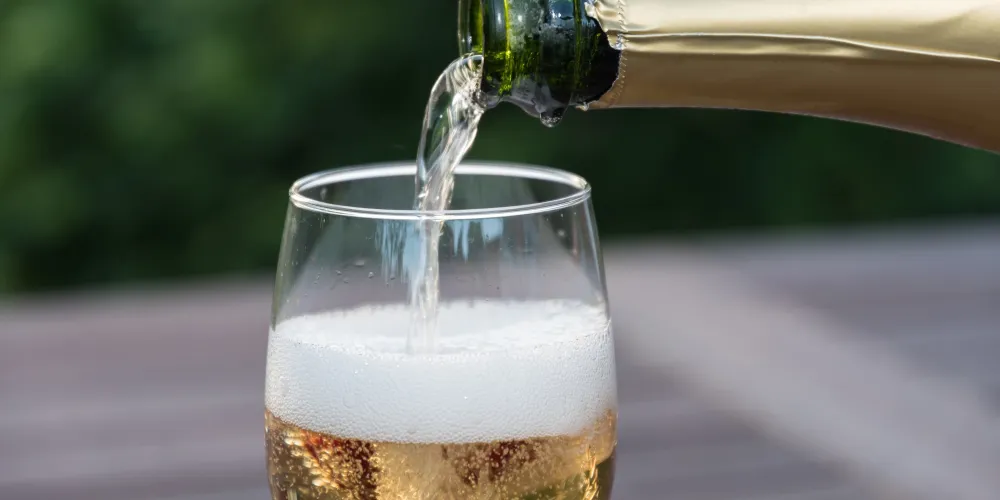
Champagne, Fizz, Bubbles, Traditional Method or Cap Classique… all these names are synonymous with one thing, great tasting sparkling wines made in the traditional way.
Meet Reto Thörig and Juan Lo Bello from Wein-Werkstatt in Basel, first wine school to offer the French Wine Scholar® program in Switzerland!
The first FWS sessions at Wein-Werkstatt are scheduled to begin March and June 2020, more information and registration HERE
You state on your website that you help students to “experience wine – understand wine – promote wine”. Could you please introduce all the activities offered by Wein Werkstatt, your wine school in Basel?

For the past 12 months, I have been hard at work bringing to life our new Producer Guide, the brainchild of our Founder and President, Julien Camus. As the project neared completion, I sat down with Julien to reflect on his motivations and vision for creating this groundbreaking initiative.
-Justin Martindale MW, WSG Membership & Community Manager

This month, the Wine Scholar Guild celebrates its 15th anniversary! Such a milestone gives pause for thought. I’d like to share with you—our students, members and supporters—some key moments, joys and stressors we’ve had on this extraordinary journey.

Sommeliers’ brains seem to fascinate scientists. Every few years, a new study pops up where somms are subjected to MRI scans whilst they blind taste and pontificate.
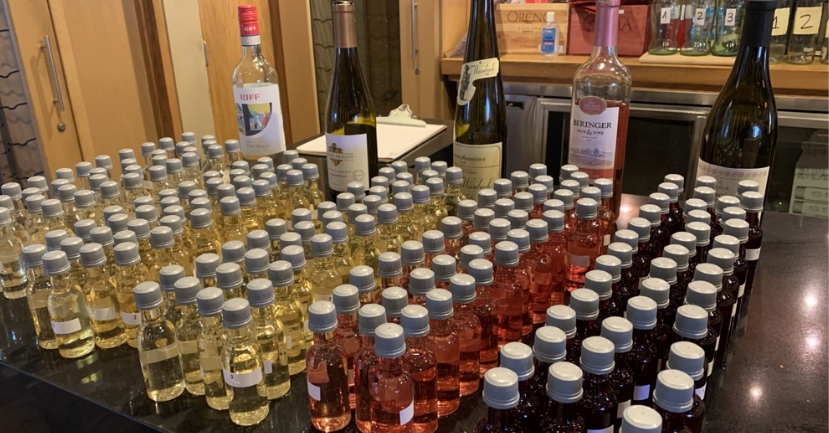
In many ways, wine education relies on face-to-face contact between educators and students. After all, wine is a drink to be shared and which — for centuries — has stimulated conversation among those partaking. So last March, when it became apparent that the global spread of COVID-19 was about to alter the nature of “face-to-face” contact across every aspect of our lives, many wine educators were faced with a daunting prospect: how to carry on with classes.
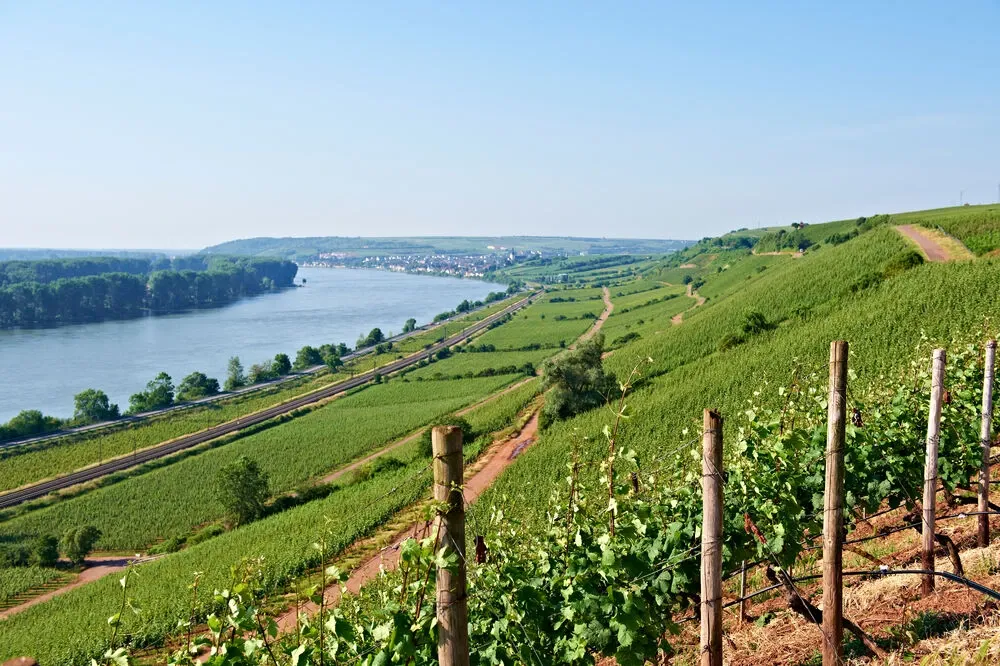
A new German wine law requires coming to grips with not one complex system, but three.
German wine classification is vexing: impeccably precise yet notoriously inscrutable — and bifurcated at that. The good news? Germany's national classification system was recently reformed to improve clarity and transparency. The bad? Those reforms do not take full effect until 2026. So, for now, students of German wine must master not one complex classification system, but three. With all this in mind, here is a short guide to the long story of how Germany classifies its wines. Strap in!
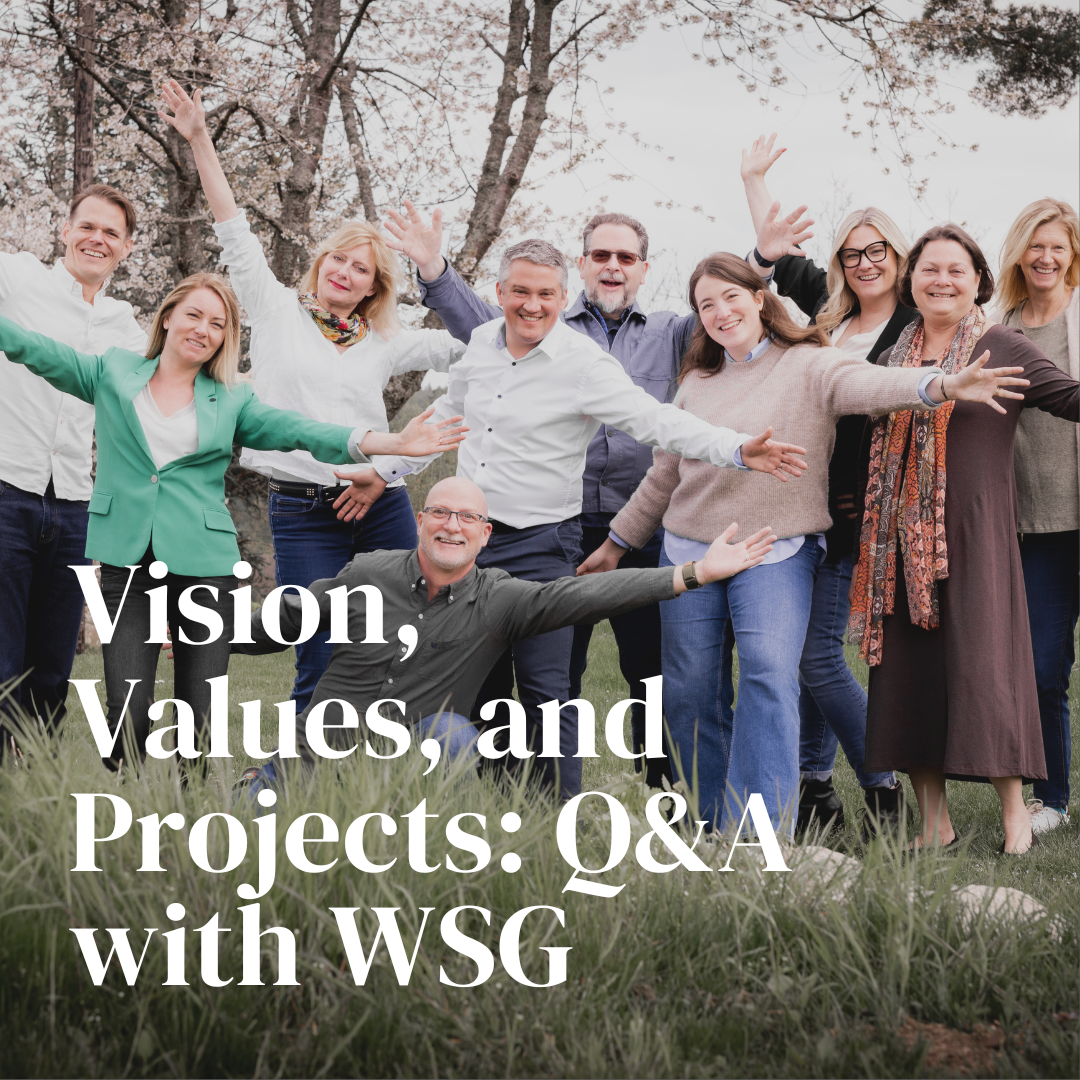
Earlier last month, I ran my first webinar for Wine Scholar Guild (WSG) — an overview of what it means to be a wine journalist and what it takes to turn this into a viable and successful career choice. Ahead of a series of stories I’m going to be regularly writing for the blog and a brand-new podcast due to launch later this year (more on this further down), the webinar’s topic was the ideal means to introduce myself to the WSG audience.
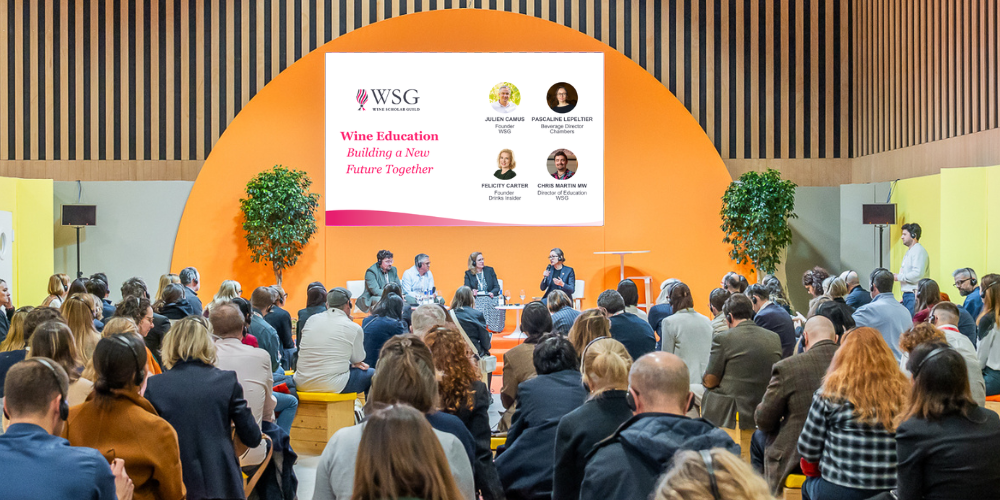
This article explores themes connected to the panel discussion led by WSG at Wine Paris on February 9, 2026.
Wine is one of the most culturally rich, emotionally resonant traditions in the world. It connects people and place like few earthly things can. Yet the wine industry finds itself on the edge of a precipice. Declining consumption, shifting demographics, climate chaos and fierce competition from spirits and non-alcoholic alternatives all call wine's future into question. External forces aren't the only culprits. Within the industry, wine education itself has unwittingly become part of the problem—actively contributing to the disconnect between wine and the people who might love it.

The Wine Scholar Guild is proud to announce that Julien Camus, WSG President, has received a “Future 50” award!
The Future 50 list, compiled by Wine & Spirit Education Trust (WSET) and the International Wine & Spirit Competition (IWSC), recognizes 50 talented and enterprising professionals representing the next generation of leaders within the global wine, spirit and sake industries. With over 600 nominees, Camus was selected for the award by an illustrious and international panel of judges in London in November of 2019.