BLOG
Cataluña 101: Diversity, defined
Wine Scholar Guild
Wine Fundamentals
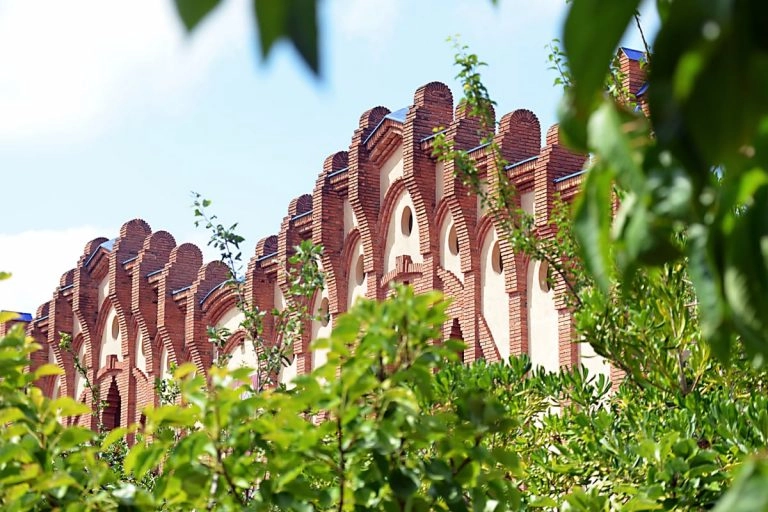
Some wine regions are easier to describe than others. If they have a tight stylistic range, it can be quite straightforward. But those that are defined by diversity and a broad offering are trickier to pin down. Cataluña, in the far northeast corner of Spain, is firmly in the second camp. It excels at both local and international varieties; it makes excellent red, white and rosé; it produces some of the country’s best still and sparkling wines.
This wide skill set is thanks to a number of factors, including its history, geography and culture. Let’s take a look at these elements and embark on a whistlestop tour of its 10 DOP (denominación de origen protegida) regions to get a taste of this restless, dynamic melting pot.
Proudly Catalan
Cataluña, one of the 17 autonomous regions of Spain, is located just south of the Pirineos mountain range (known in France as the Pyrenees). To the north, it’s bordered by France and Andorra; to the east is the Mediterranean Sea. It has a strong local identity; they speak Catalan here as well as Spanish, and many inhabitants would prefer Cataluña to be an independent nation rather than part of Spain.
The regional capital is Barcelona, the second largest city in Spain after Madrid and the fifth most populous city in the EU. Its thirsty citizens create an enthusiastic local market for Catalan wines.
Regional terroir
Given the region has 580 km/360 mi of coastline, it’s no surprise that Cataluña has a Mediterranean climate: hot, dry summers and cool winters. The DOPs close to the sea are primarily grown on clay, limestone and alluvial soils and enjoy the water’s moderating influences on temperatures. Those further inland, particularly at higher elevations, see more slate and granite soils and experience higher swings of temperatures: cold nights and hot days.
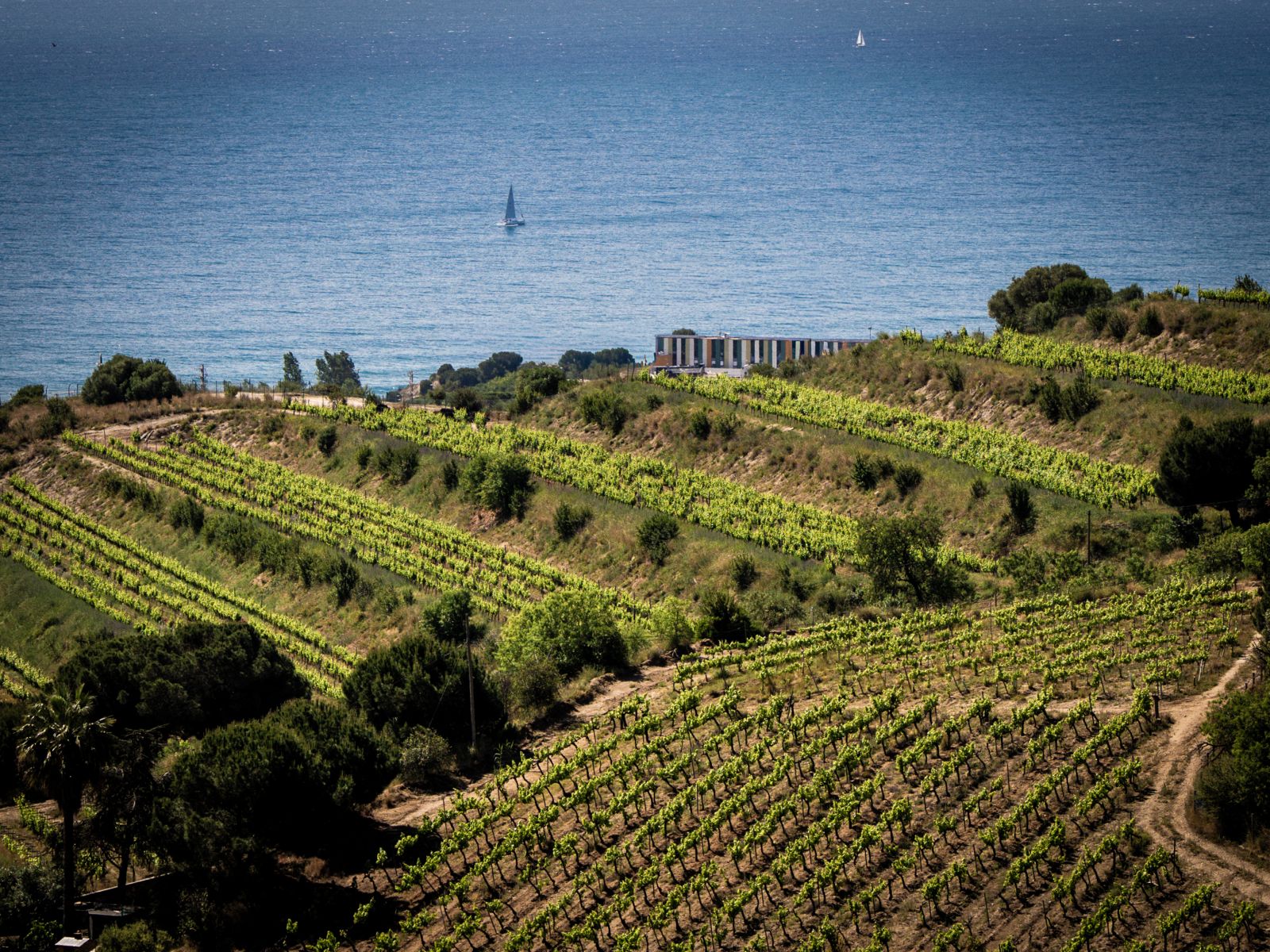
Thanks to its hot, dry summers, over 50% of Cataluña’s vineyards are now managed organically. But the lack of rain has been acute in recent years, and Cataluña has been battling historic droughts.
Two thousand years of winemaking
Greeks, Phoenicians then Carthaginians all influenced early viticulture in Cataluña, followed by the Romans. Christian monasteries were crucial in developing wine here in the Middle Ages, notably Carthusians and Cistercians, who used it for sacramental purposes. From the mid-18th century, viticulture was the primary source of income for the region.
A key moment came in 1872, when Josep Raventós Fatjó of Codorníu visited Champagne in France. He was deeply impressed and on his return started to produce Spain’s first sparkling wine, Champaña in Spanish or Xampany in Catalan, which changed its name in 1970 to Cava.
The birth of Cava
Raventós Fatjó’s trip to Champagne happened at a decisive moment. The devastating aphid plague of phylloxera arrived in Cataluña shortly after, decimating the vineyards. Instead of replanting with the same old red varieties, they replanted with white grapes more suited to sparkling: Macabeo, Parellada and Xarel·lo.
Since then, more grapes have been added to the list of permitted varieties: Chardonnay, Garnacha Tinta (a.k.a. Grenache Noir), Trepat, Pinot Noir, Subirat Parent and Monastrell (a.k.a Mourvèdre).
Unusually, DO Cava is not restricted to just one delimited area; it can be made in a number of regions across Spain. But 95% is made in Cataluña, which remains its spiritual home. Like Champagne, it is made using the traditional method, but it has a shorter minimum time on the lees of nine months before disgorgement.
It has proved popular; in 2025, 190m bottles of Cava were sold, 60% of which were exported to 100 different countries.
But not all Catalan producers were happy. In 2014, some stopped bottling under DO Cava, choosing instead the DO Penedès ‘Clàssic Penedès’ label, in order to signal a more specific regional origin.
And in 2019, a new group was formed called Corpinnat. Their members sign up to stricter rules of production, including organic farming, hand-picking, indigenous grapes and longer lees ageing. We’ll look at this important development in detail in our next blog post.
Catalan DOPs
Though much Cava is made in Cataluña, it doesn’t guarantee the wine has Catalan origins. There are 10 other DOPs (and a DOCa) that do. One, DOP Cataluña, is an umbrella appellation that allows producers to blend across the entire region. The 10 others cover more specific terroirs.
DOP Penedès
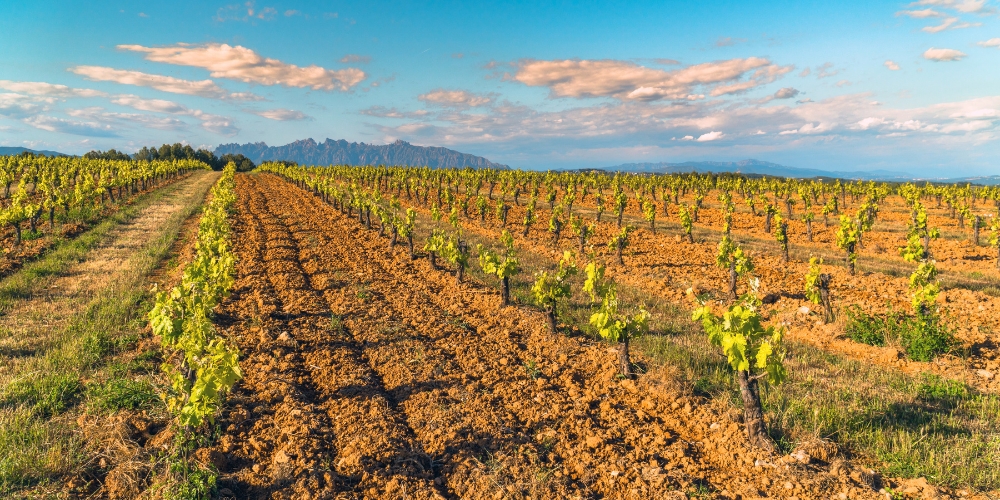
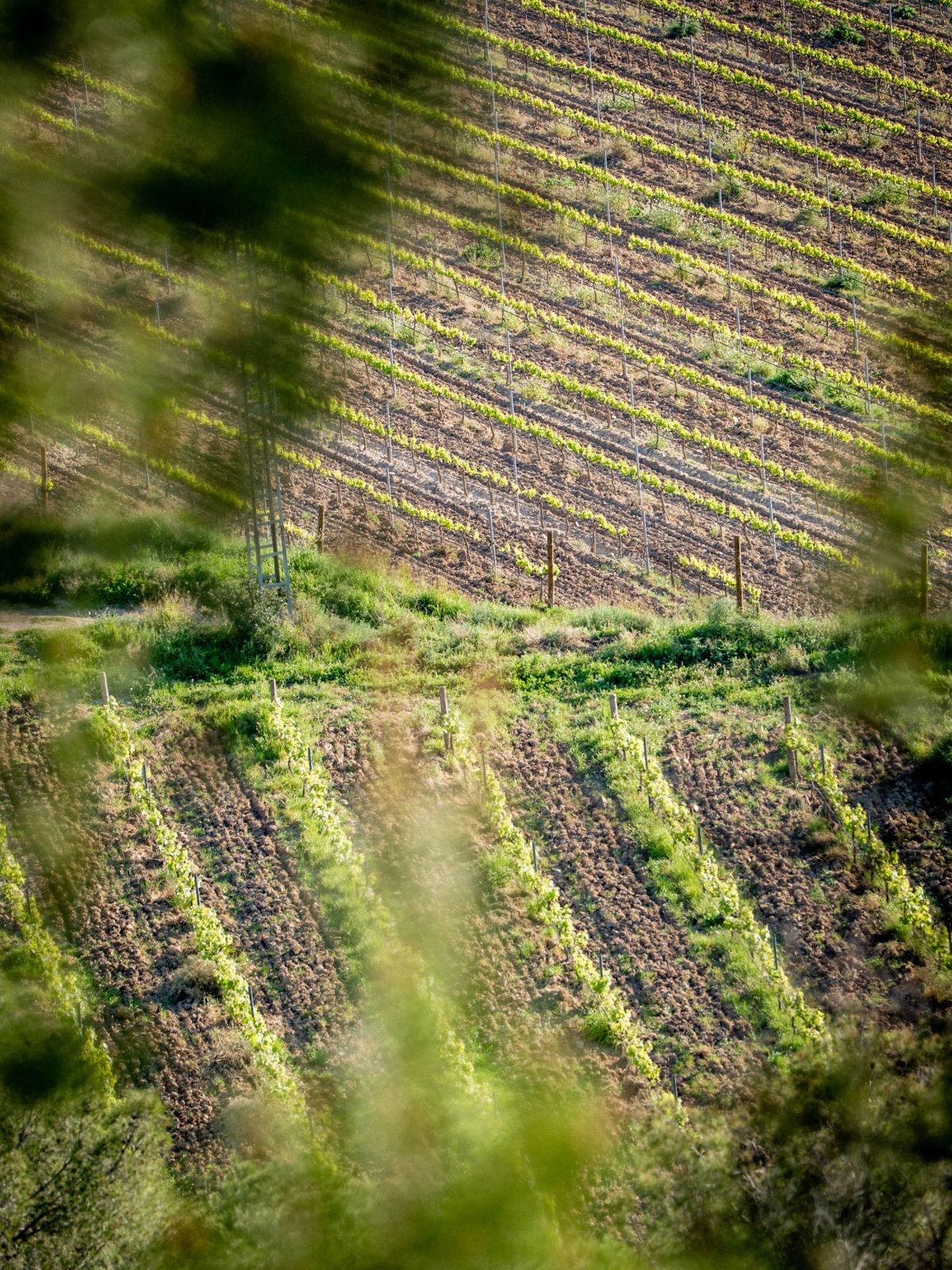
Directly west of Barcelona, Penedès is the largest and most important DOP in Cataluña. It’s had a colorful history, growing mostly red grapes for fortified wine production before switching to white grapes for Cava.
In the 1960s and 70s, the Torres family had a strong modernizing influence on winegrowing and winemaking here, and imported a raft of French varieties, including Cabernet Sauvignon, Chardonnay, Pinot Noir and Riesling, to international acclaim.
Today, it’s indigenous varieties that are seeing more focused interest. The appellation is particularly liberal, allowing for wines of all colors and diverse styles.
DOP Tarragona
The port of Tarragona, established over 2,000 years ago by the Romans, has long been important to the wine industry. Situated to the west of DOP Penedès, DOP Tarragona has a strong history of co-operative wineries. Until the 1960s, it produced mainly sweet, red, fortified wine and some good examples are still made. Since it was granted the DOP in 1945, it moved towards white wines, which dominate production today.
DOP Terra Alta
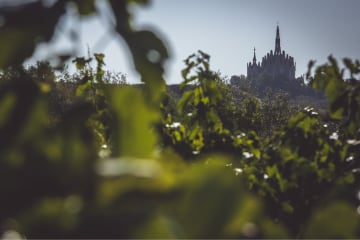
The most southerly DOP in Cataluña is Terra Alta, meaning ‘high land’, situated between the Ebro River and the border with Aragón. These dramatic limestone hills rise to nearly 500 m/1,630 ft above sea level and it’s a dry and windy site that’s perfect from Garnacha in all its forms. Though most of the production is red, based on Garnacha Tinta, a specialty is Garnacha Blanca (a.k.a Grenache Blanc): Terra Alta is home to one third of worldwide plantings of this variety.
DOCa Priorat
Despite the early promise shown by the modern reds of Penedès, today the highest praise is reserved for those of Priorat, one of only two DOCa-rated wines in Spain (the other being DOCa Rioja). Priorat is named after a priory, Scala Dei, established by Carthusian monks in the 12th century. The explosion in quality here really came about in the 1980s, which saw a succession of private estates spring up. Today there are over 100.
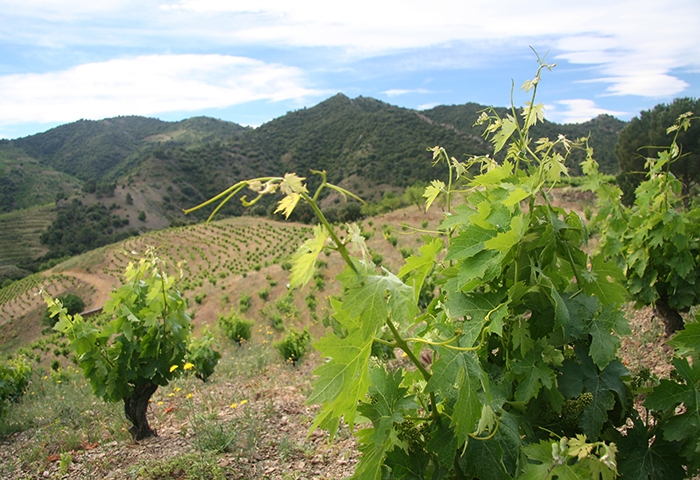
Most of the vineyard land is steeply sloping, making for a particularly difficult terrain to work. Soils are a mix of brown slate and quartz known locally as llicorella. The reds are made mainly from Garnacha Tinta and Cariñena (a.k.a. Carignan). Yields are tiny and prices are correspondingly high. A small amount of white wine is also produced, built around Garnacha Blanca.
DOP Montsant
DOP Montsant surrounds Priorat, covering a slightly smaller surface area. The terroir is similar, with many steep sloping vineyards that range from 50 m/163 ft to 700 m/2,297 ft elevation. The soils are more diverse too, with schist, granite and limestone. Grape varieties are very similar to Priorat and there is an analogous style, but prices tend to be lower.
DOP Conca de Barberà
To the north-east of Montsant is Conca de Barberà, around 30 km/19 mi inland from the Mediterranean. This limestone terroir has a harsh climate, with cold winters, hot summers and low rainfall. The specialty here is the Trepat grape, used for light, aromatic red wines and for still and sparkling rosado.
DOP Costers del Segre
Even further inland than Conca de Barberà is the fragmented appellation of Costers del Segre (the river Segre is a tributary of the Ebro). This is another DO with a severe climate. It’s split into seven zones over a large area, rising up to over 1,100 m/3,609 ft above sea level. One third of the DO land is owned by a single producer, Raimat.
DOP Pla de Bages
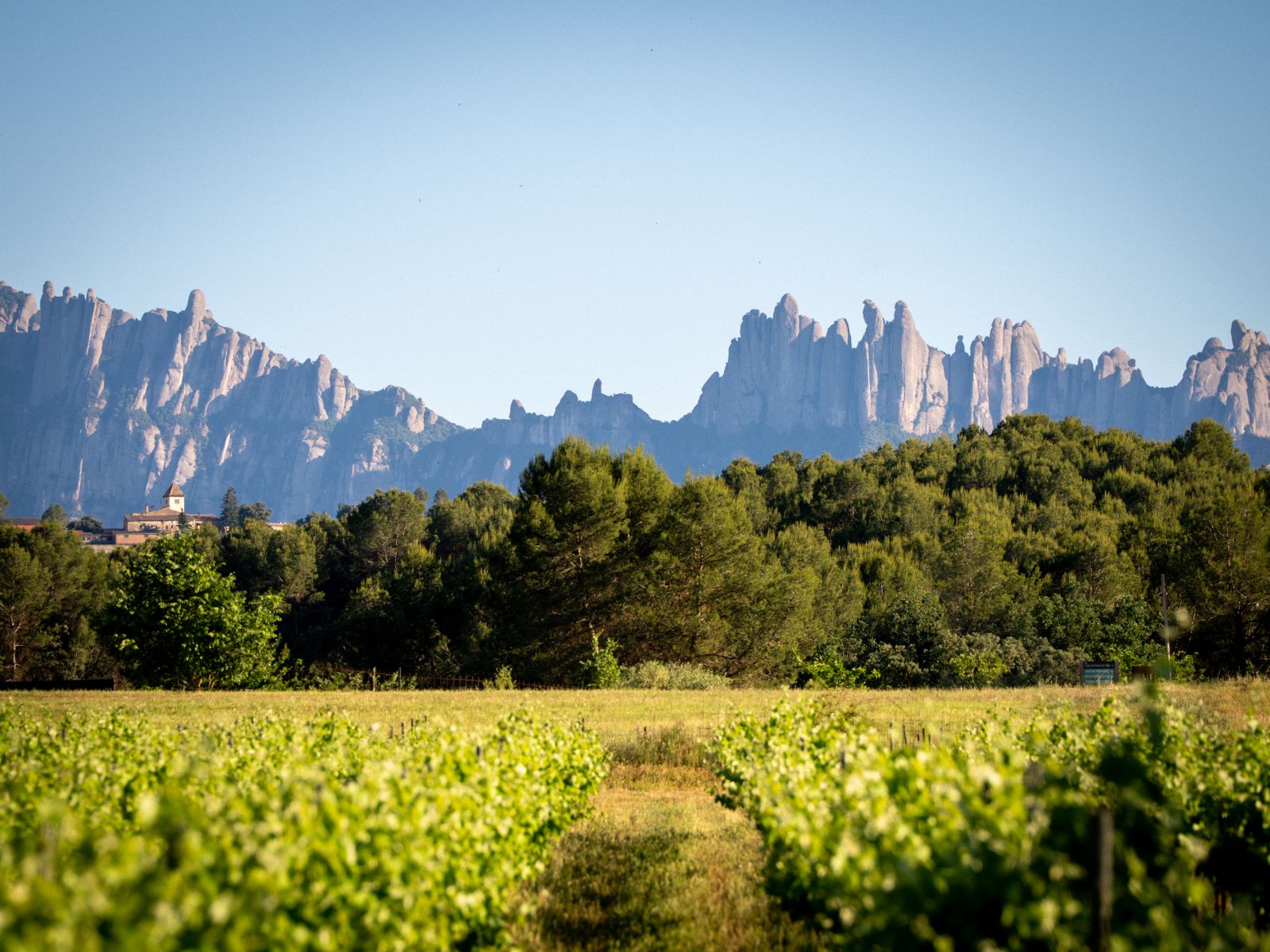
A small DO of just 500 ha/1,236 ac, Pla de Bages is located northwest of Barcelona. Soils are mostly clay and limestone, and there are countless traditional styles made here, from dry to sweet to sparkling. Until recently it was known principally for crisp whites, and today there is growing interest in indigenous red varieties such as the herbal Picapoll Negro, aromatic Mandó and crisp Sumoll.
DOP Empordà
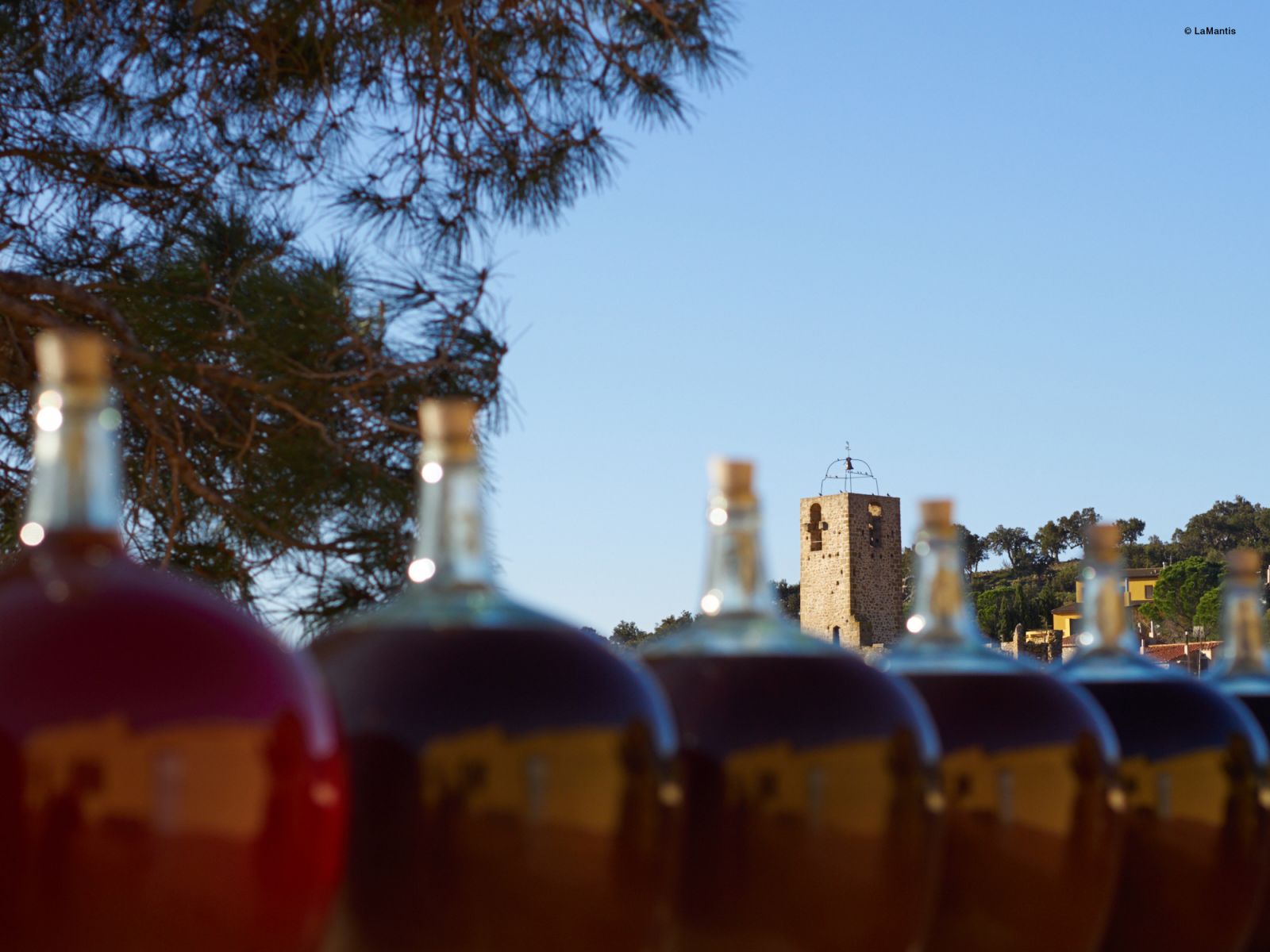
Empordà is situated in the extreme northeast corner of Cataluña just over the border from France. It has two different zones of production: Alt Empordà to the north, with slate and granite terraces rising up to 260 m/853 ft above sea level, buffeted by the Tramontana wind; and more southerly Baix Empordà, lower-lying, with mainly alluvial soils. It’s best known for powerful red wines built around low-yielding Cariñena and Garnacha, though small amounts of white, rosado, sweet and sparkling wines are made too.
DOP Alella
Lastly, follow the coastline northeast of Barcelona and you come to the little DO of Alella. The temperate maritime climate here leads local winemakers to work primarily with white wines, specializing in Xarel·lo, known locally as Pansa Blanca. Sadly, the vineyard area is shrinking due to urbanization. Today just seven wineries remain.