
BLOG
Italian Wine
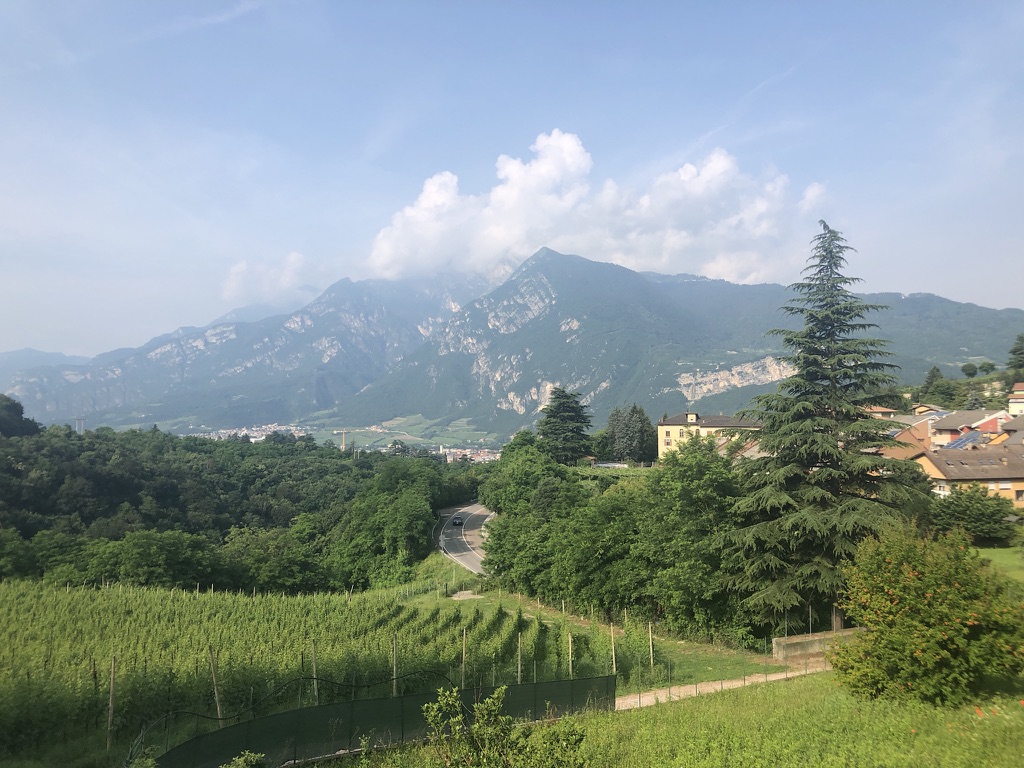
When most Italian wine consumers think about Italy, they envision the rolling hills of Tuscany or the sun-drenched shores of the Amalfi coast. However, there is much more to Italy and its wines than these landscapes. This month at WSG we turn our attention northward to the land of the Alps and the Dolomites, where a whole other Italy exists. Some of Italy's most distinctive wines come from its far north where alpine viticulture is the norm and snowfall and sunshine shape the vineyard seasons.
Trentino-Alto Adige, Valle d’Aosta and parts of Lombardia form Italy's alpine wine heartland. Here, altitude replaces latitude as the defining climatic factor and centuries of mountain farming have produced wines of tension, precision and remarkable site expression.
Below are 10 things you might not know about Alpine Italy — and why they matter.
This article has been published in partnership with World of Fine Wine and Wine Scholar Guild.
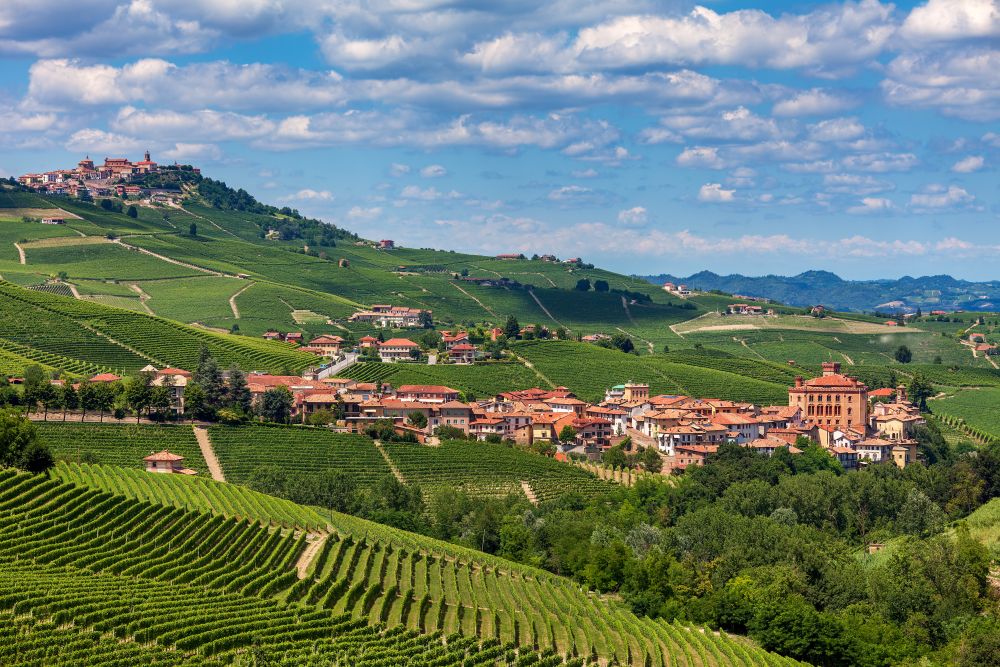
A topsy-turvy 2019 Barolo growing season set many challenges for growers who produced wines that are classical in structure, with firm tannins and high acidity but less of the density and richness of recent warmer years, says Andrew Jefford, who was joined by Bruno Besa and Michael Palij MW.
The Italian wine world is full of wine-related terminology that many consumers struggle to understand. Learning the meaning of a few key terms can increase your confidence level and help you make informed decisions when selecting your next glass, or bottle, of vino. We have compiled a list of 25 common terms and phrases that we know will help you navigate the delicious world of vino Italiano!
Italy’s wealth of grape varieties presents wine connoisseurs with many tantalizing prospects, particularly on the red wine spectrum. While Sangiovese and Nebbiolo still reign supreme, numerous grape varieties have re-emerged from hiding in recent years to spellbind wine lovers around the world. In Italy, the story of how some of these grapes transitioned from obscurity to fashionably cool can be just as compelling as the wines themselves. In many cases, the wines from these grapes are shining in a way they never have before, thanks to more informed decisions in the vineyard and winery.
Here are five up-and-coming Italian red grapes to pay attention to. While all of these grapes have been around for centuries, their resurgence has meant a quality revolution and increased interest from the international marketplace.
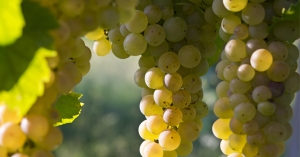
While Italian red wines still garner much of the attention, there are, without doubt, many outstanding white wines that deserve consideration. While white wines like Soave, Verdicchio dei Castelli di Jesi or Fiano di Avellino, are already well-known, there are also lesser-known — but rightfully trending — Italian white grape varieties that today produce exciting wines worth seeking out.
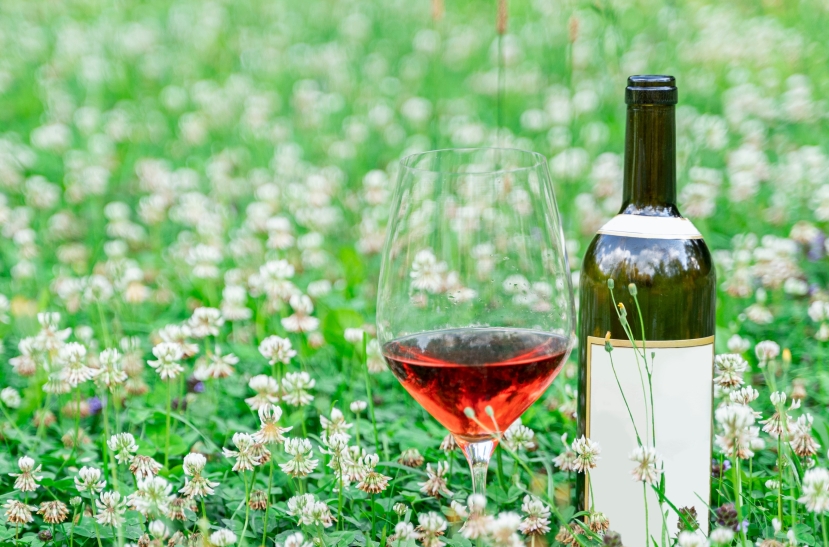
Wine is fermented grape juice…in theory. However, in practice, modern wine may be made by using a wide array of compounds aimed at facilitating the winemaking process, enhancing the product’s organoleptic qualities, or simply fixing problems before or after they arise.
Any wine student or lover of Italian wines can name the country’s most famous red wines, such as Barolo, Brunello di Montalcino or Amarone della Valpolicella. But given the variety of Italian wines and grape types, it stands to reason that there are many more examples produced throughout the country. This article is the first in a series about a few of the lesser known red wines of Italy; we begin with Piemonte.
While there are three famous red varieties in Piemonte – Nebbiolo, Barbera and Dolcetto – there are several others that produce very expressive wines.
In the previous post, we considered lesser known red grape varieties and wines from Piemonte. For this article, we will examine similar wines and grapes from Trentino, Friuli Venezia Giulia and Sicily.
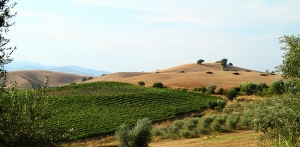
Mention the red wines of Tuscany and immediately examples such as Brunello di Montalcino, Chianti Classico and Vino Nobile di Montepulciano come to mind. Produced primarily or exclusively from the Sangiovese grape variety, these celebrated red wines truly define this region’s viticultural excellence. Over the last three decades, the distinctive red wines of Bolgheri, crafted from Bordeaux grape varieties from vineyards along Tuscany’s coast, have also become icons of Tuscan wine.
Yet there are other sublime red wines from this region that are notable yet lack the renown of the wines mentioned above. Carmignano, Morellino di Scansano and Montecucco are three other important red wines of Tuscany that reflect a sense of place and represent not only special quality, but impressive value as well.
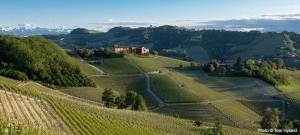
Thanks to a string of successful vintages, there has been a great deal of recent publicity regarding Barolo and Barbaresco wines.
Produced entirely from Nebbiolo, these two iconic wines have changed in style over the past 20-30 years; where once, the wines were reserved upon release, today, the wines are riper and more forward. This is largely due to climate change, as warmer temperatures throughout the growing season have necessitated Nebbiolo harvests some two to three weeks earlier these days than in the 1980s, ‘70s and prior; while late October to early November was normal for a Nebbiolo harvest thirty and forty years ago, today, harvest is more typically in early-mid October.
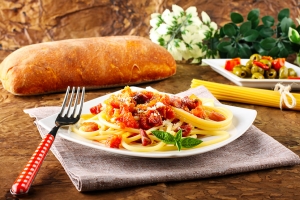
Recently, Barbara Philip MW hosted a virtual food and wine tour webinar for the Wine Scholar Guild. The cuisine of central Italy is as fascinating as it is delicious. This is where tomatoes and olive oil begin to replace the butter and cream of the north. Heavy, stuffed pastas give way to long pastas and are joined by more vegetables. The food of central Italy reflects the agricultural treasures provided by the warmer climate. Local grape varieties also enjoy their time in the sun, ripening to juicy perfection, creating wines that really reflect their surroundings.
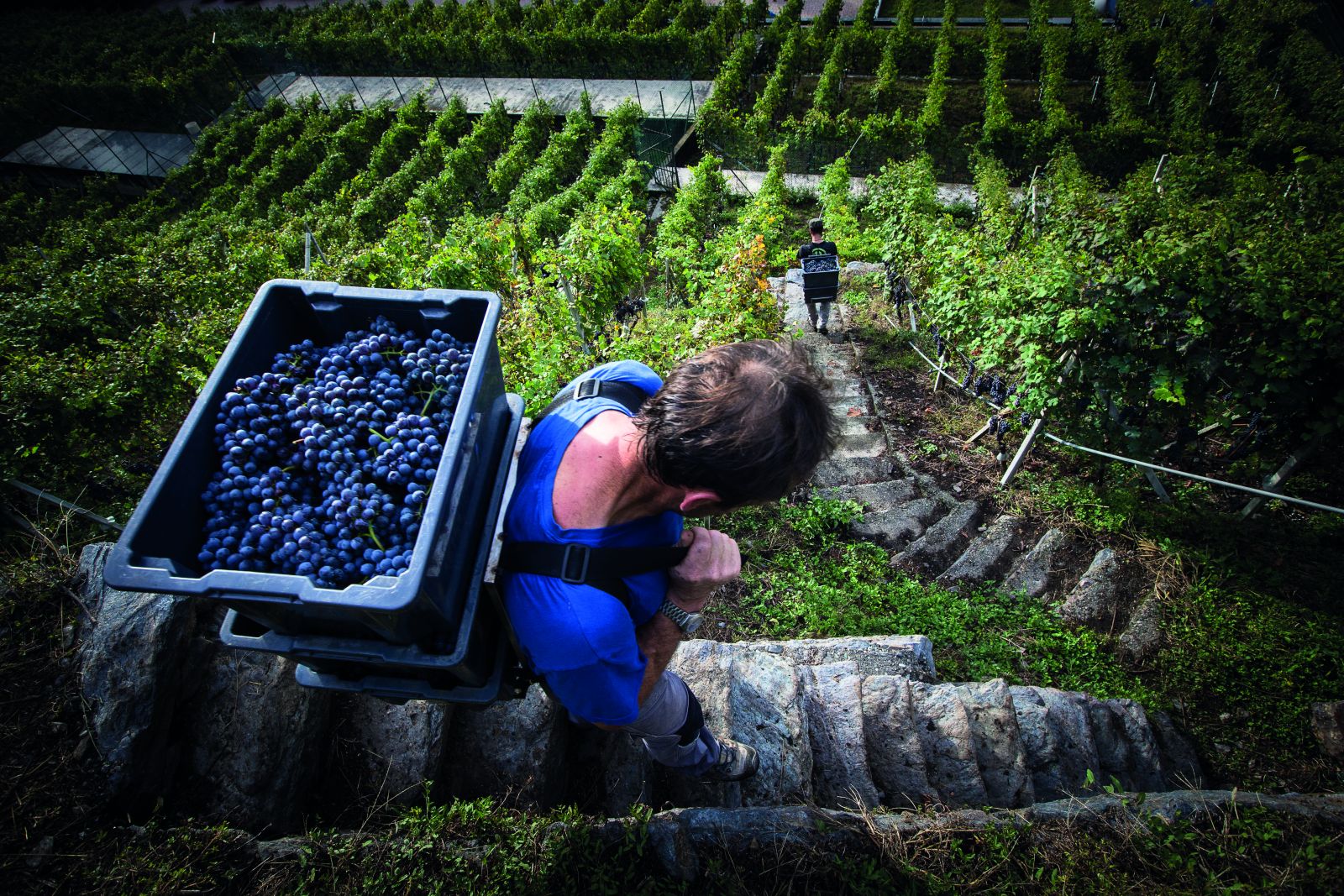
Matt Walls investigates the influence of altitude on the wines of the Italian Alps.

Italy has a rich and diverse history of winemaking, old vines and traditional grape varieties that contribute to the country's ancient wine culture, which has evolved throughout the centuries.
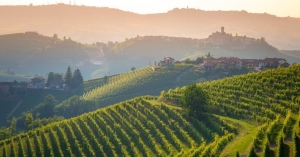
Apart from the Côte d’Or in Burgundy, perhaps no other wine territory has been dissected in greater detail than the Barolo zone. This makes perfect sense, as these are arguably the two most ideal representations of the concept of terroir; just as Pinot Noir from one village in Burgundy reveals different flavors than that of another nearby hamlet, so too offerings of Barolo from various communes often display diverse characteristics, despite the fact that every wine here is made exclusively from Nebbiolo.
There are 11 approved communes in the Barolo production zone. For this article, we will deal primarily with the five largest: La Morra, Serralunga d’Alba, Monforte d’Alba, Castiglione Falletto and Barolo itself. The remaining six are Cherasco, Diano d’Alba (interestingly, planted more to Dolcetto than Nebbiolo), Grinzane Cavour, Roddi, Verduno and Novello; these last two are home to two of the most in-demand vineyards in the entire zone: Monvigliero in Verduno and Ravera in Novello.
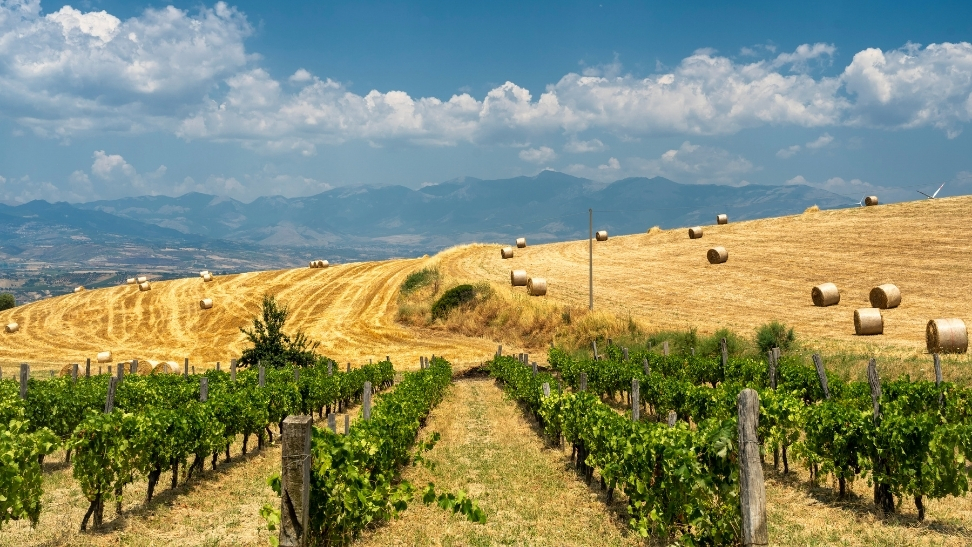
Calabria, the rugged southern tip of Italy’s boot, is a region where ancient history and modern revival intertwine in compelling ways. Though long overshadowed by more famous Italian wine regions, Calabria possesses one of the most storied viticultural lineages on the peninsula. Over millennia, Calabria’s fortunes have risen and fallen, yet today a new generation of producers is bringing this historic region back into the spotlight, crafting wines that express both their deep roots and their contemporary aspirations.
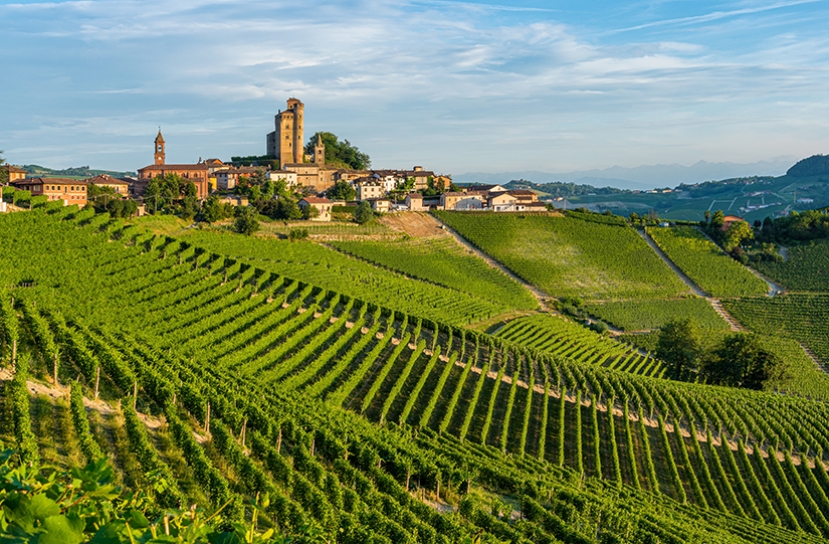
Wine professionals and consumers share a similar aspiration when they visit a wine region; they want to enjoy the area’s best dining experiences so they can pair their favorite local wines with the territory’s typical food offerings.
While commonplace throughout Italy, this situation is nowhere more prominent than in Piedmont, especially in the region’s southern Langhe district. Lunch or dinner in the Barolo and Barbaresco production zones here is more than a simple pleasure; this is wine, and food pairing elevated to an art form.
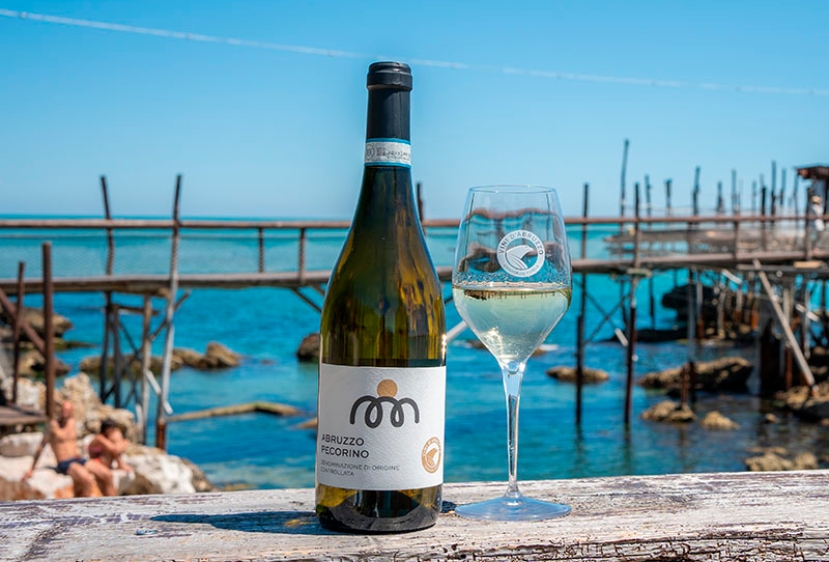
WSG is thrilled to collaborate with The San Francisco Wine School, a WSG Approved Program Provider, for a FREE 2-part educational series dedicated to the discovery of the wines of Abruzzo, Italy. These two online events will be hosted by Master Sommelier David Glancy, Andrea Eby, Italian Programs Director at Wine Scholar Guild, and a special guest from the region.
We invite you to come explore the unique history, terroir and to taste Abruzzo's most renowned signature white, rosé,
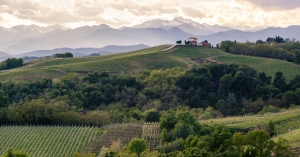
The best-known wines of Piemonte, such as Barolo, Barbaresco, Roero Arneis and Moscato d’Asti are produced from grapes grown in the southern sector of the region; this includes the province of Cuneo and Asti, in districts such as the Langhe and Roero. But farther north, Alto Piemonte is a territory that is home to some of the region’s most complex, yet least understood wines. Gattinara, Boca and Ghemme are a few of these selections, and these days, greater attention is being paid to these wines and this relatively unknown viticultural outpost.
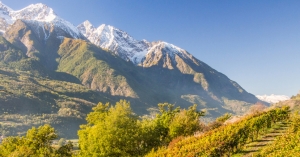
Whether it is in the bilingual wine labels of Alto Adige, or the occasional Slavic grape name in Friuli Venezia Giulia, Italian wine often reveals the duality of culture present in some of the country’s border regions. Tucked into Italy’s northwestern corner, Valle d’Aosta certainly demonstrates this, as its language, cuisine and wine seem to have one foot in Italy and another in France.
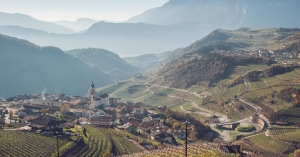
The story goes that a couple of years ago, at a high society charity event in Milan a noted British rock star was served a sparkling wine that impressed him so much that he asked to be introduced to its producer who happened to be present at the event, and to whom he is reported to have said “This is the greatest Prosecco I’ve ever tasted”. The wine was in fact a metodo classico riserva made by one of Franciacorta’s top producers. The anecdote may be apocryphal, but it could easily be true. The big wide world (and not only – the misconception is also becoming common in Italy) has started to perceive anything Italian with bubbles as Prosecco, without distinction of origin or refermentation method.