
BLOG
Aligoté
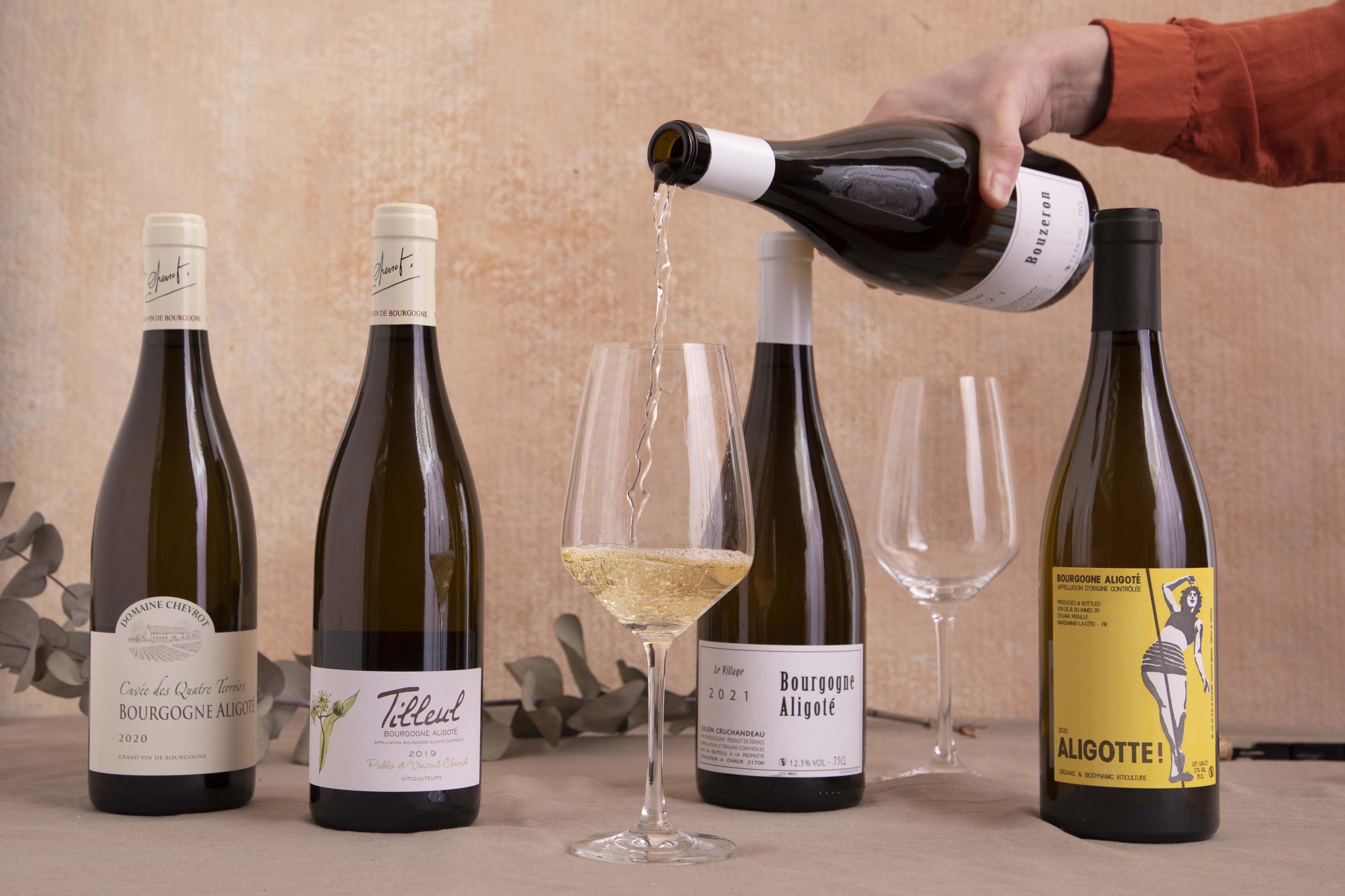
Everyone loves an underdog. And when the underdog emerges, bruised and battered but nonetheless victorious, these triumphs become powerfully motivational. Take the 2004 UEFA Cup Final, for example. Greece, one of this soccer tournament’s less-favoured teams, faced off against much-fancied hosts Portugal in Lisbon – and won. The victory of the team of ‘Greek Gods’ (as the newspapers soon named them) filled countless sport enthusiasts, myself included, with sentiments of hope and optimism.
Summary:
Aligoté has been getting increasingly more attention in the last 10 years or so in Bourgogne by producers and drinkers alike due to a combination of factors, including climate change and massale selections.
This webinar will focus on Bourgogne’s ‘Second White Grape’ by delving into its history, attributes, viticulture, winemaking, appellations and producers
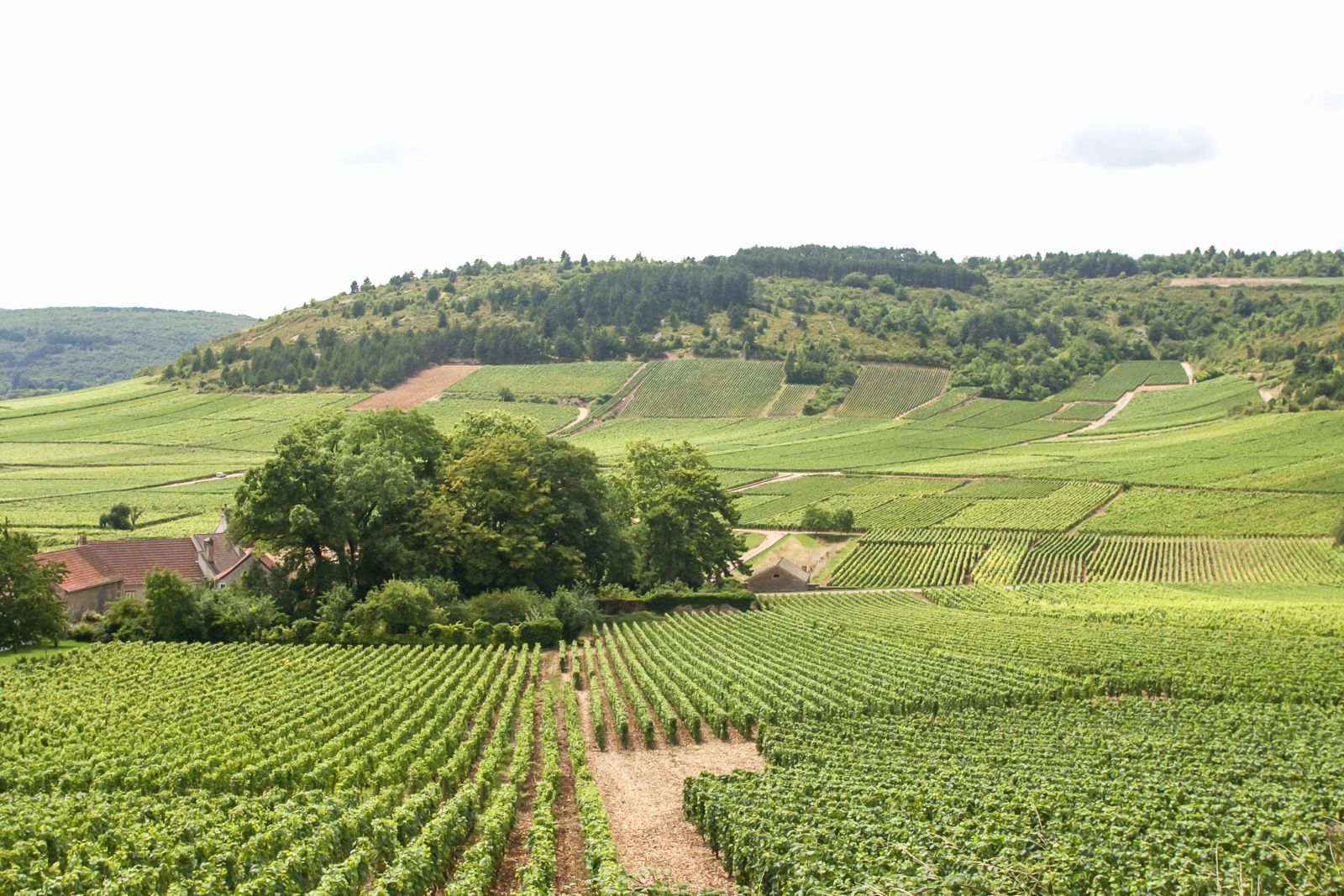
Over the past 10 years, interest in Aligoté has been rising in Bourgogne–and so have prices. Charlie Geoghegan examines the ascendency of this lesser-known white grape.
Poor Aligoté. It’s had a difficult few centuries as Bourgogne’s other white grape. Charges levelled against Aligoté include its excessive acidity, unpleasant tartness and tendency to taste rather dilute. Reference books will tell you how much more palatable it becomes with a dash of crème de cassis (blackcurrant liqueur). It’s not a flattering depiction. Thankfully, though, it’s no longer an accurate one.