BLOG
The Renaissance of Aligoté
Charlie Geoghegan
Regions and Producers
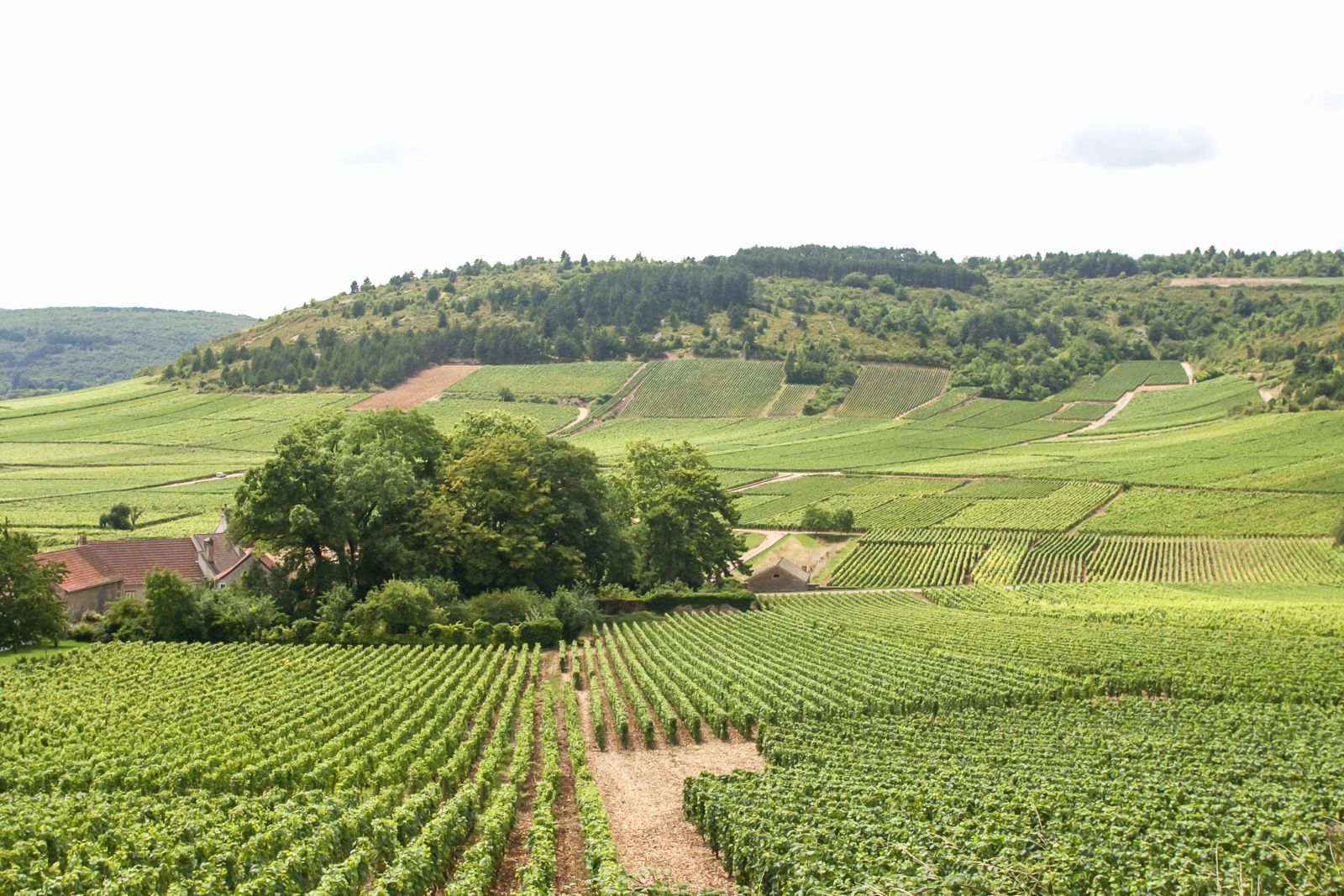
Over the past 10 years, interest in Aligoté has been rising in Bourgogne–and so have prices. Charlie Geoghegan examines the ascendency of this lesser-known white grape.
Poor Aligoté. It’s had a difficult few centuries as Bourgogne’s other white grape. Charges levelled against Aligoté include its excessive acidity, unpleasant tartness and tendency to taste rather dilute. Reference books will tell you how much more palatable it becomes with a dash of crème de cassis (blackcurrant liqueur). It’s not a flattering depiction. Thankfully, though, it’s no longer an accurate one.
Aligoté ascends
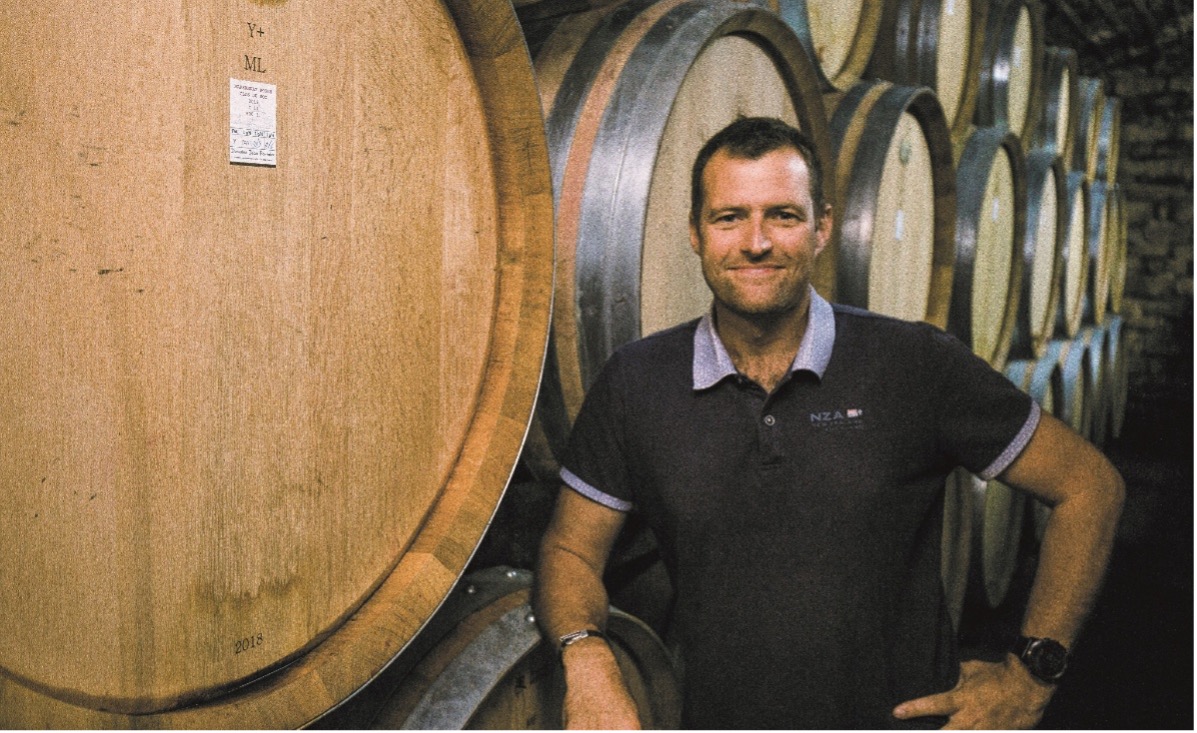
“The image of Aligoté has been changing for the last ten or fifteen years,” says Laurent Fournier of Domaine Jean Fournier. He is a founding member of Les Aligoteurs, an association of seventy-odd producers banging the drum for the variety since launching in 2018. Their individual approaches vary, but the group rallies against the status quo of high yields and neutral-tasting wines.
Whether it’s correlation or causation, Aligoté has gotten better. Warmer growing seasons have not been universally welcomed in Bourgogne, though there is at least one beneficiary. “Climate change is allowing Aligoté to successfully achieve physiological and phenolic ripeness,” says micro-négociant Róisín Curley MW. “It is able to shine as a result.”
Aligoté’s intrinsic zip and zing fit neatly with a wider trend towards wines with lower alcohol and higher acidity. Even in these warmer vintages, the grape retains its natural acidity along with relatively modest alcohol. Charles Lachaux, Vosne-Romanée grower and micro-négociant, considers this an advantage over Chardonnay, which he believes can become “too much” in warm years.
There is also an economic consideration. Fournier suggests that rising prices for Chardonnay have encouraged customers to try Aligoté instead and be “very pleasantly surprised”. Though Aligoté is typically a producer’s cheapest white wine, it’s worth noting that the top examples are already comparable in price to many Grands Crus.
“Siblings and rivals”
Aligoté shares it parentage (Gouais Blanc x Pinot) with Chardonnay. Curley calls the pair “siblings and rivals”, which feels apt.
Where Chardonnay can make high-quality wines at relatively high yields, Aligoté simply can’t. But with Aligoté achieving second-rate prices, many growers sought large crops just to make up the commercial shortfall. Doing so consigns the variety to a doom-spiral of thin, uninspiring wines. Lower yields are crucial for “good terroir expression”, says Fournier. Curley explains that yields can be limited by pruning short, “leaving just the first buds, as they are less productive and give smaller, better berries”.
Aligoté and Chardonnay are both susceptible to fungal infection. Aligoté is “more sensitive to downy mildew than Chardonnay, while Chardonnay is very sensitive to oidium [powdery mildew],” says Curley. “These differences in sensitivities mean both won’t suffer from disease to the same extent [in] the same year.” Both are sensitive to grey rot. Overall, Curley considers Chardonnay the easier of the two “to cultivate, control yields and ripen”.
Both grapes ripen early, with Aligoté generally ripening later. Some producers pick their Aligoté especially late, like Domaine Michel Lafarge’s Raisins Dorés, usually picked at the very end of harvest. Others don’t wait so long, though picking too early can yield a bitter and green character.
Like Chardonnay, good Aligoté expresses its origins. Fournier draws clear distinctions between Aligoté from Chablis (“more mineral”) and the Mâconnais (“yellow fruit”), for example. Winemaking also plays a role, however, and there’s plenty of debate on how to best handle Aligoté in the cellar.
Some growers swear by fermentation and maturation in stainless steel; others use oak to a greater or lesser extent. Of the latter, some opt for new wood while others don’t touch it. Some, like Thibault Liger-Belair, use skin contact for additional texture. Curley treats her Aligoté and Chardonnay exactly the same in the winery, including natural-yeast fermentation in barrel, full malolactic conversion and at least a year’s élevage. She always finds her Aligoté more vibrant — though it “can be as mineral and as steely” as some of her Chardonnays.
Aligoté’s true potential
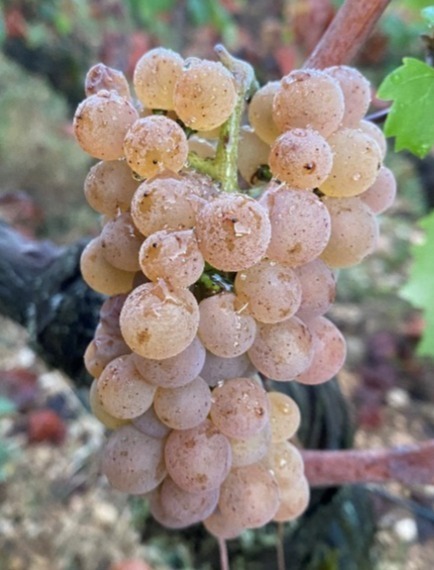
We’re still in the early stages of seeing what Aligoté can do. Lachaux stresses the importance of using older plant selections (“and not the clonal ones”) for Aligoté to reach its full potential. France has seven certified clones of Aligoté, though you’re more likely to hear growers talk of two “types”: Aligoté Doré and Aligoté Vert. The former, Curley explains, is “the ancient and pre-clonal version, [which is] of higher quality, lower yielding with golden berries and better ripening than the more productive, green-skinned Aligoté Vert”.
The Aligoteurs are spearheading a project to build up stocks of high-quality massal selections from throughout Bourgogne. “It’s essential to preserve genetic diversity,” says Fournier.
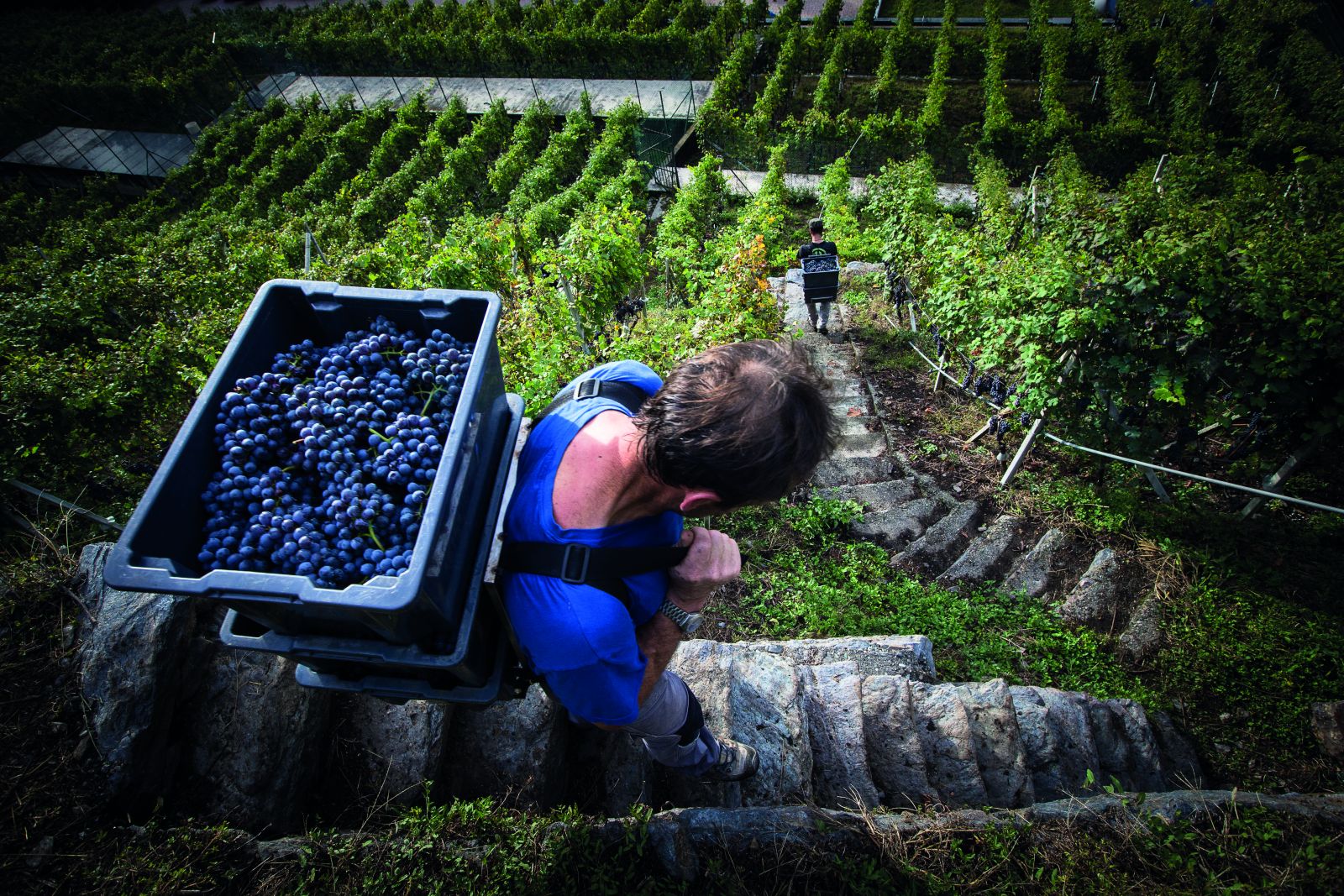
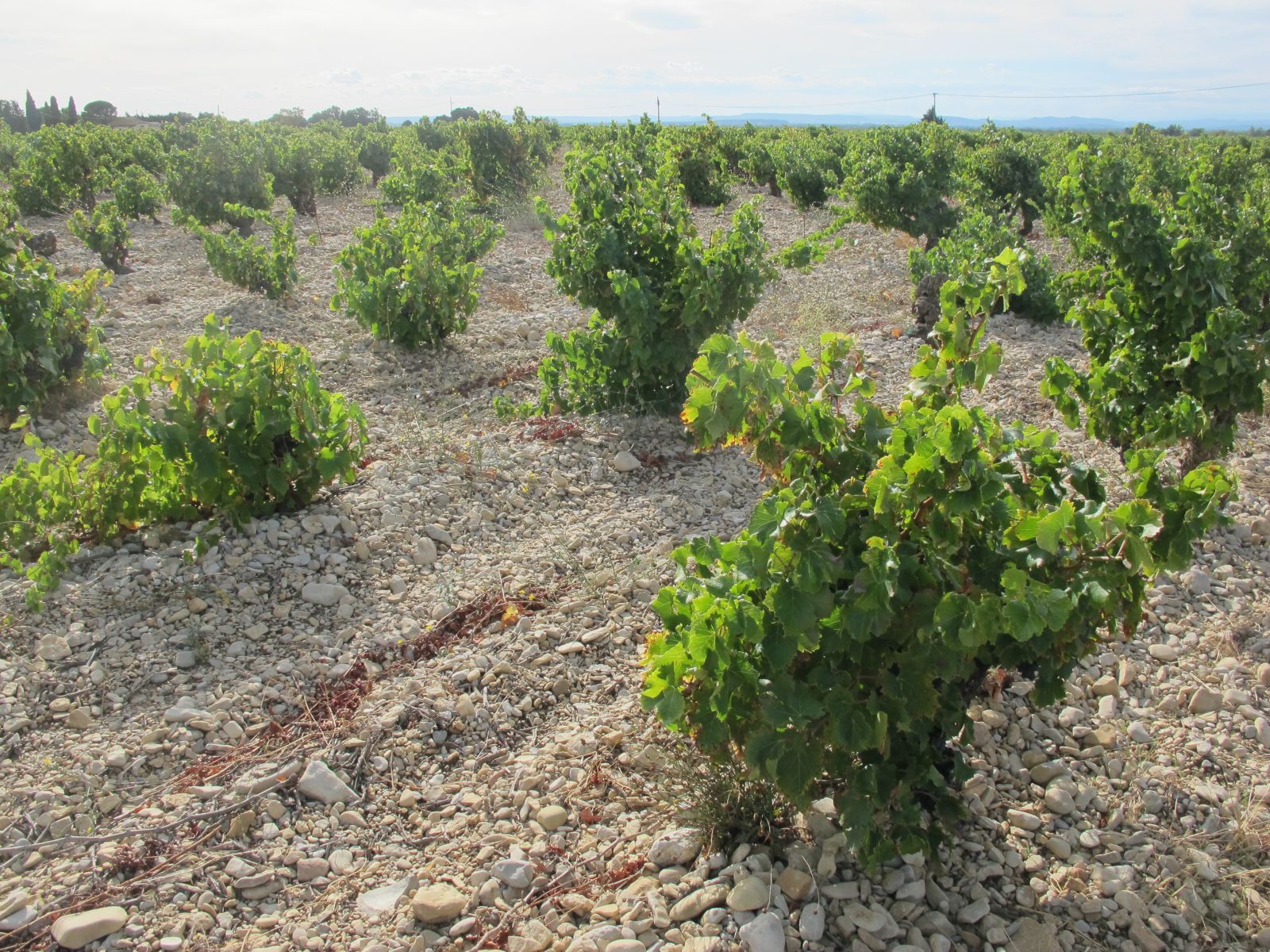
The grape’s historical sidelining has meant that much of its plantings are on flat plains with heavy, fertile soils — meaning bigger yields of uninteresting wines. Prized sites are mostly reserved for Chardonnay. There are already notable, high-quality exceptions, however, where Aligoté sits on slopes and poorer soils.
“Aligoté has just as great ageing potential as Chardonnay if made well,” says Curley. “And I believe it has the ability to reach serious heights in terms of quality when in the right hands.” Lachaux is even more bullish, considering Aligoté’s quality potential to be “really high, maybe more than Chardonnay”.
Where do we go from here, then? In truth, nobody really knows. The Aligoteurs’ massal selections will take some years to come on stream and we may not truly see the results for decades. But with these efforts, combined with a growing number of ambitious, conscientious producers, I wouldn’t bet against Aligoté.
Aligoté’s major players
You’ll find Aligoté at some of Bourgogne’s most hallowed domaines, up to and including Auvenay (whose Sous Chatelet is the most expensive Bourgogne Aligoté on Wine-Searcher) and Leroy. Charles Lachaux’s Les Champs d’Argent is catching up in both price and fame. Critic William Kelley’s offering has quickly gained a cult following.
Laurent Fournier and Sylvain Pataille each bottle an expression of Marsannay’s well-regarded Champ Forey among various other Aligotés. Thibault Liger-Belair made a wonderful example from Clos des Perrières la Combe in Nuits-St Georges; sadly his contract there ended with the 2024 vintage.
Domaine Ponsot has the distinction of making the only Premier Cru Aligoté, with its Clos des Monts Luisants in Morey-Saint-Denis. In contrast, Claire Naudin bottles her flagship, Le Clou 34, as a humble Vin de France. Thoughtful micro-négociants including Róisín Curley, Benjamin Leroux and Gautheron d’Anost have also embraced the variety. Domaine de Villaine in Bouzeron is widely credited with that appellation’s creation and continues to fly the flag for it.