
BLOG
french wine essentials
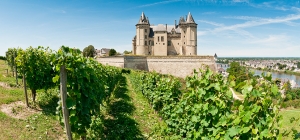
The Loire Valley is one of France’s most dynamic wine regions. For every famous, household-name wine (such as Sancerre), there is at least two lesser known wines just waiting to be discovered!
The Loire has it all: dry and sweet, still and sparkling, white and red. It has so much to offer… Did you know that:
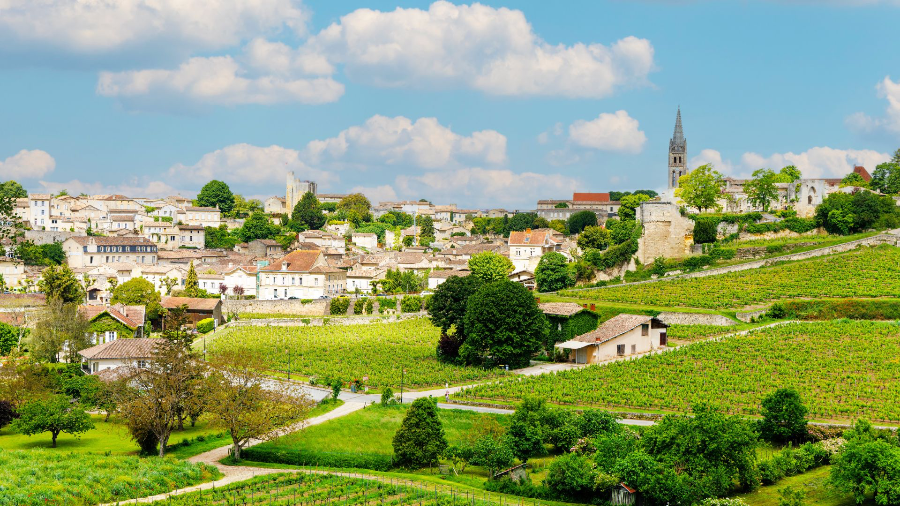
1. Bordeaux is big
Bordeaux is almost four times the size of Burgundy and represents 14% of total French wine production. There are 103,200 hectares of vines over 65 different appellations. It is the largest PDO vineyard of France and represents over 1/4 of the AOP vineyard area in France.
One could argue that France is the philosophical heart of fine wine. Much of what the world now does, from vineyard practices to winemaking techniques, can be traced back to the viticultural motherland. Here are some must-know terms for exploring the wines of France.
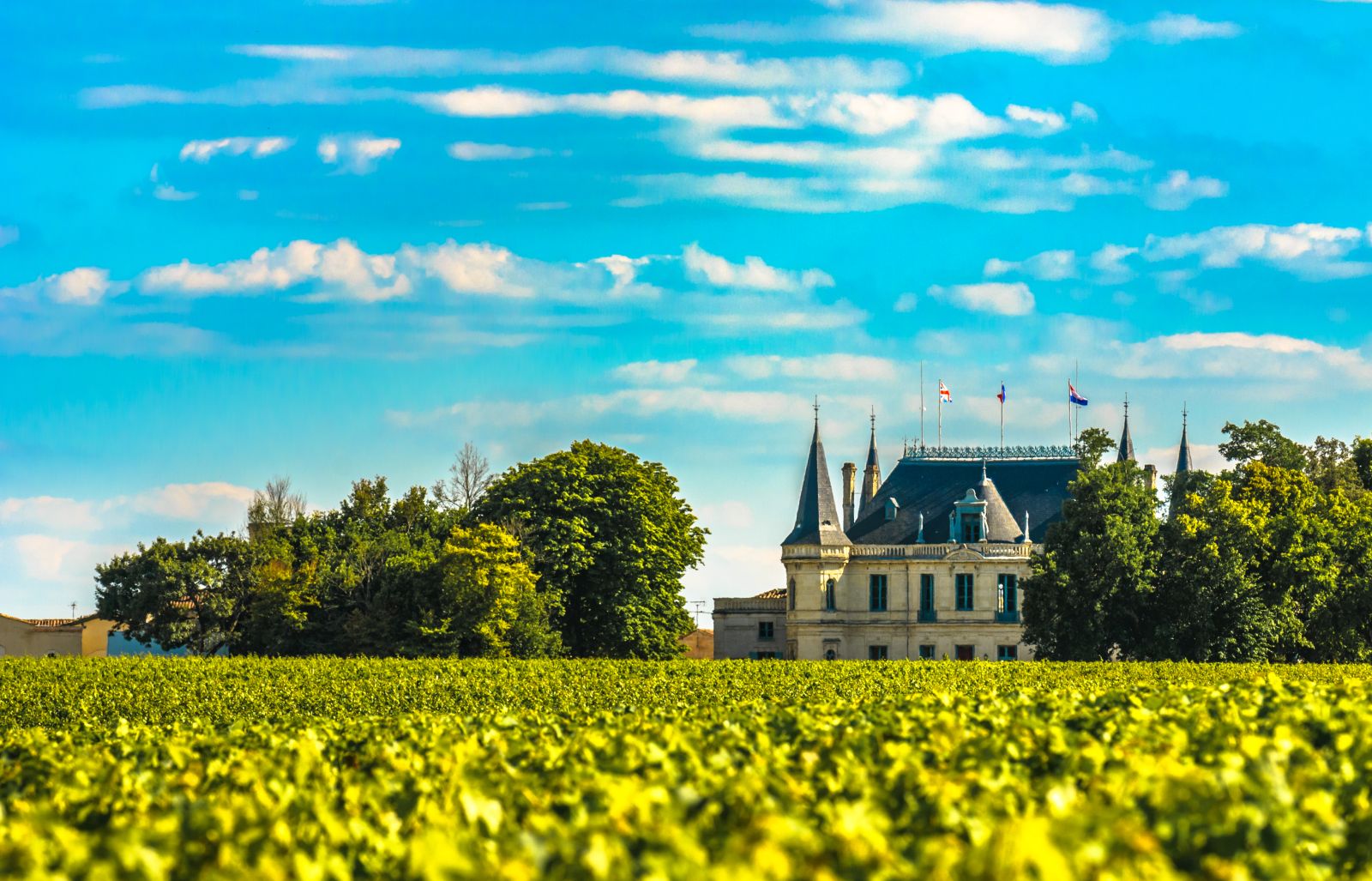
Bordeaux, the capital of France’s Nouvelle-Aquitaine region, is synonymous with world-class wine, stunning architecture, and a rich cultural heritage. While many know it as the home of some of the most prestigious vineyards in the world, there’s much more to this historic city and its surrounding region than meets the eye. Its history is deeply intertwined with royalty, international trade, and even egg yolks! Here are five fascinating facts about Bordeaux that might just surprise you.
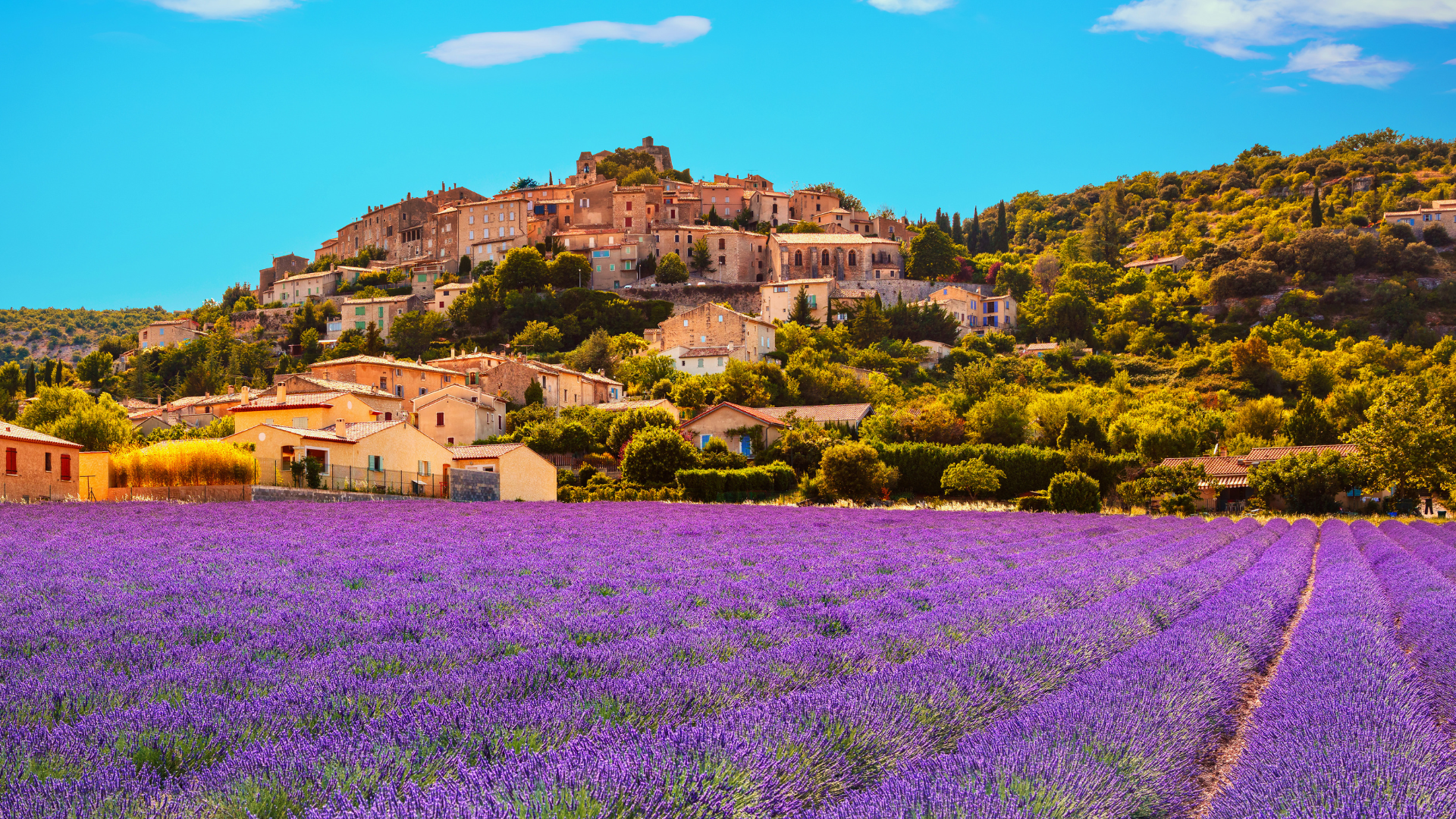
Dappled sunshine, joie de vivre holidays, and endless lavender fields are just the tip of Provence's appeal. The other is its world-famous rosé.
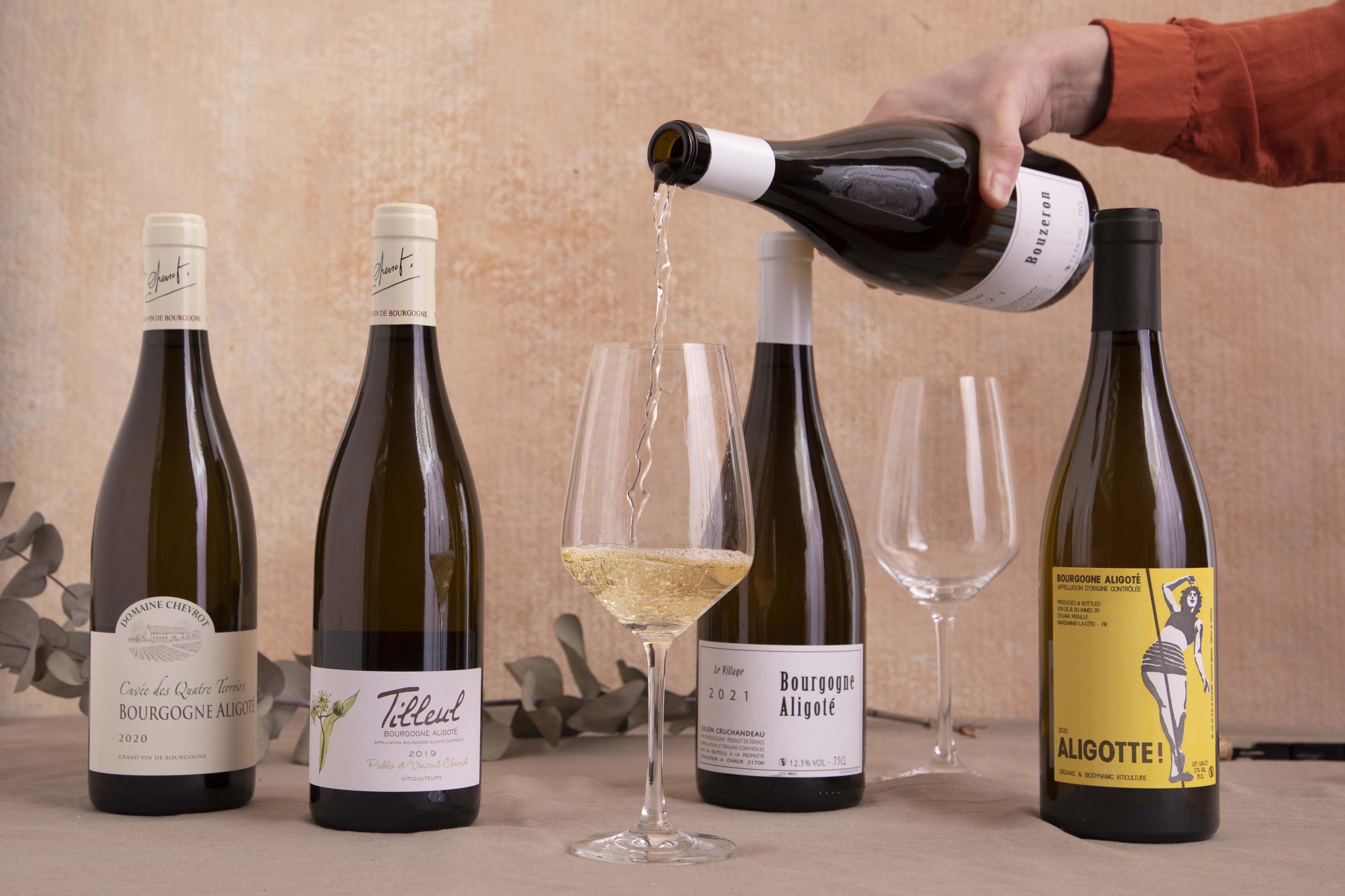
Everyone loves an underdog. And when the underdog emerges, bruised and battered but nonetheless victorious, these triumphs become powerfully motivational. Take the 2004 UEFA Cup Final, for example. Greece, one of this soccer tournament’s less-favoured teams, faced off against much-fancied hosts Portugal in Lisbon – and won. The victory of the team of ‘Greek Gods’ (as the newspapers soon named them) filled countless sport enthusiasts, myself included, with sentiments of hope and optimism.

How did that happen? Call it what you want (fashion, peer-group pressure, herd instinct, a historical hangover) but somehow or other Alsace has ended up as France’s most neglected and misunderstood wine region.
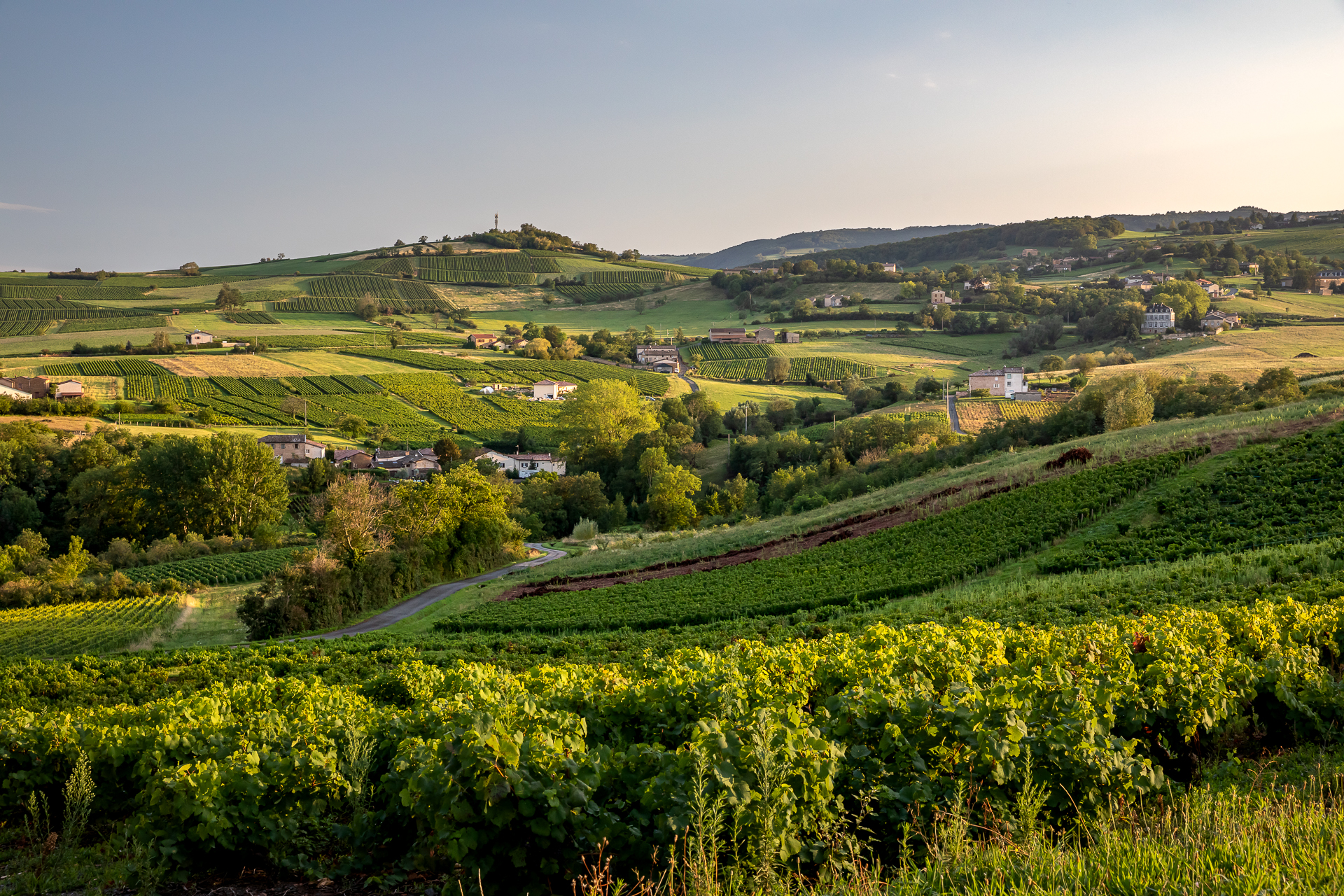
Kids in France grow up reading about the adventures of Asterix the Gaul.
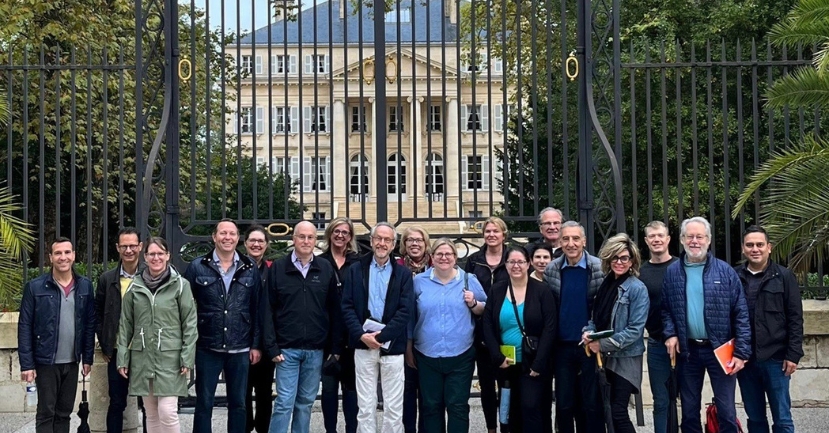
In Zen, there’s something called "Beginner’s Mind". It’s a state of mind where you aren’t hemmed in by your judgements. You are able to see the world fresh--without pre-conceptions. That’s an apt description of how I was feeling as I began a weeklong deep-dive into Bordeaux with twenty Wine Scholar Guild compatriots.
Summary:
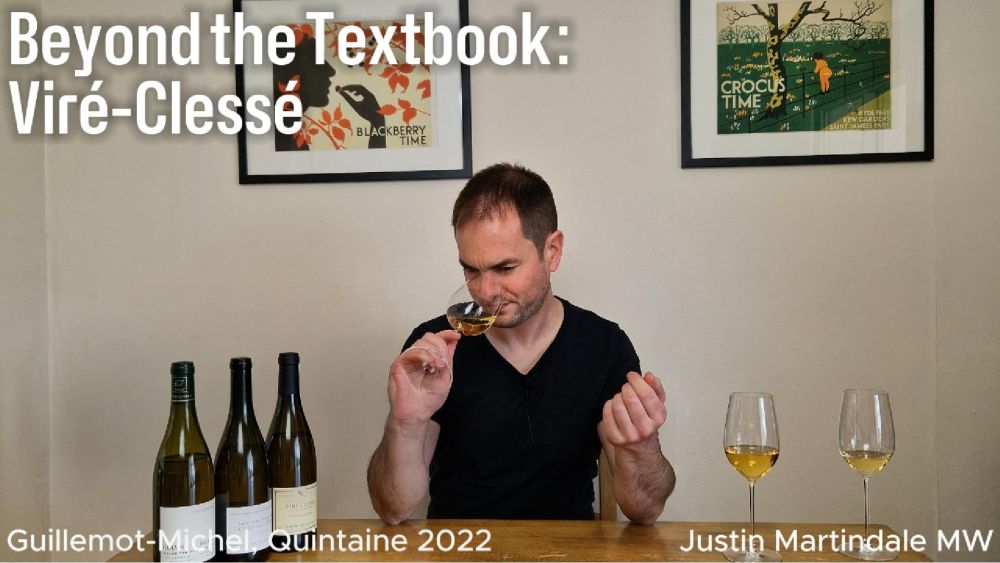
The 'Beyond the Textbook' series seeks to get under the skin of specific varieties and regions from around the world. Here Justin tastes 3 amazing, but very different style from Viré-Clessé. It's Chardonnay, but not as you know it...
Details of all three wines can be found in the attached pdf
About the Speaker:
Justin Martindale is the Wine Scholar Guild Membership Manager and one of our in-house Masters of Wine. Justin passed the
Summary:
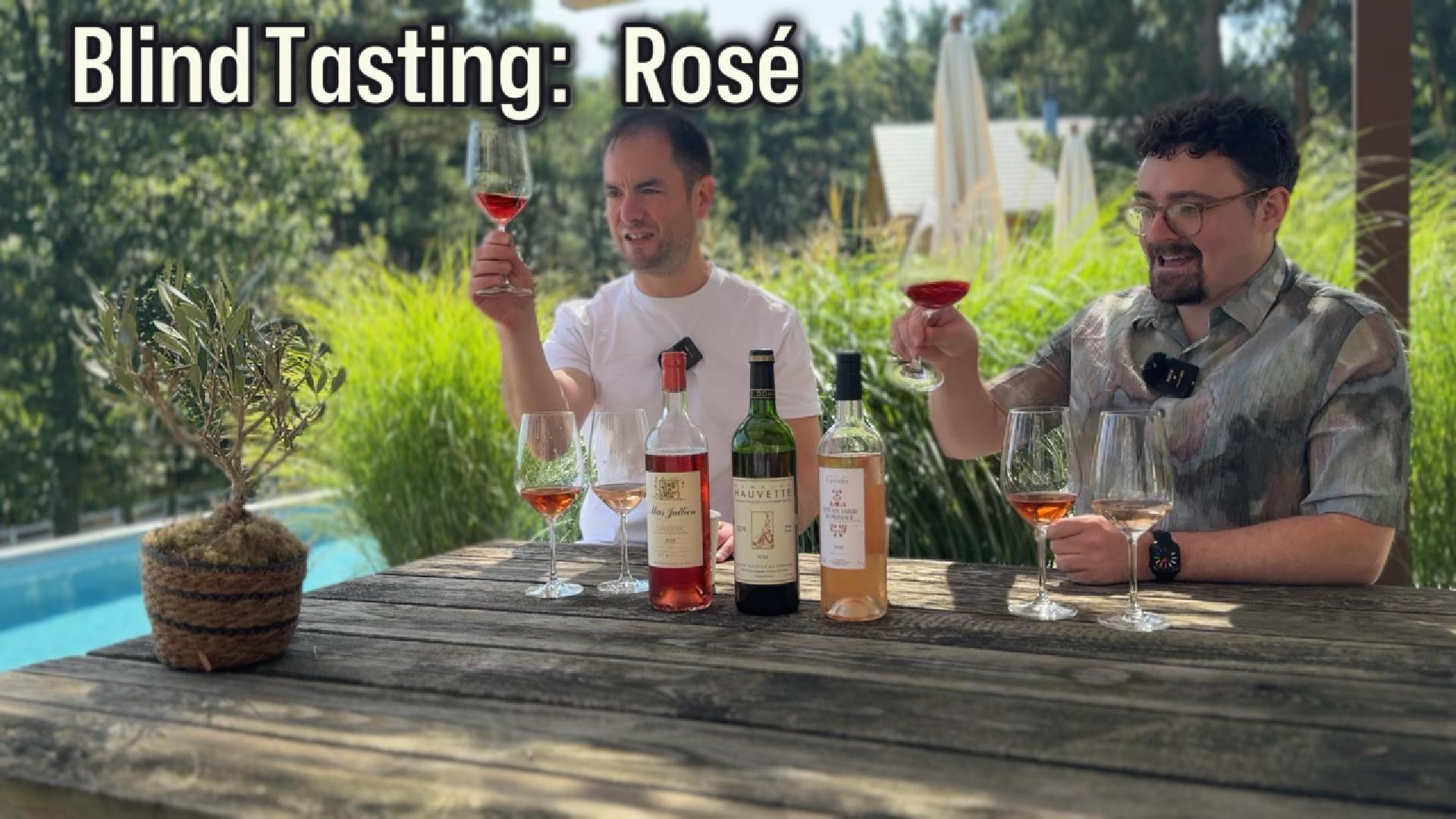
In this video Justin and Chris explore the world of Rosé, sharing tips and techniques around how to taste quality and starting to make arguments for logical regions of origin. We cover colour, winemaking signatures and what makes a great Rosé through a tasting of three very different wines from the south of France.
Full details of all the wines can be found in the pdf document above.
About the
A History of innovation
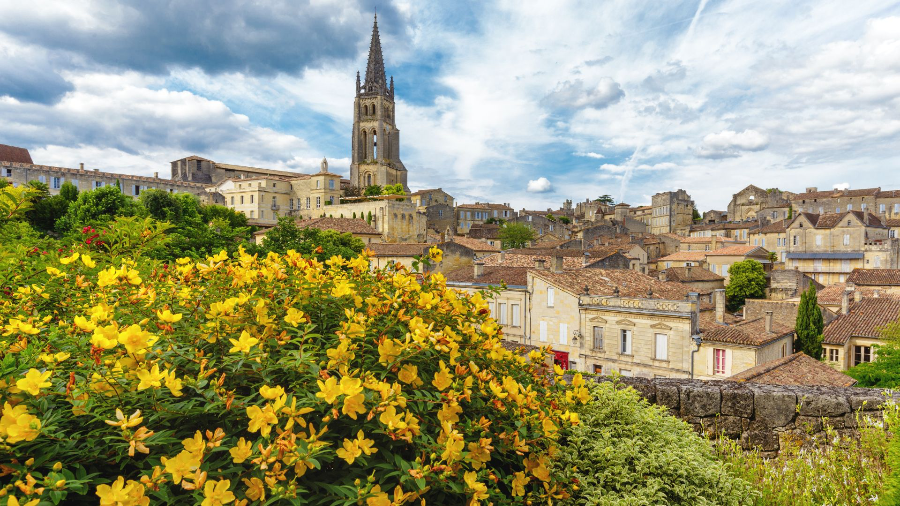
There’s a long history of innovation in Bordeaux; introducing topping up and sulphur to produce the ‘New French Claret’ in the 17th century, solving Mildew with the Bordeaux mixture in 1878 to the introduction of stainless steel in the 1960’s, when Château Haut Brion was accused by its peers for producing wine made in a dairy!
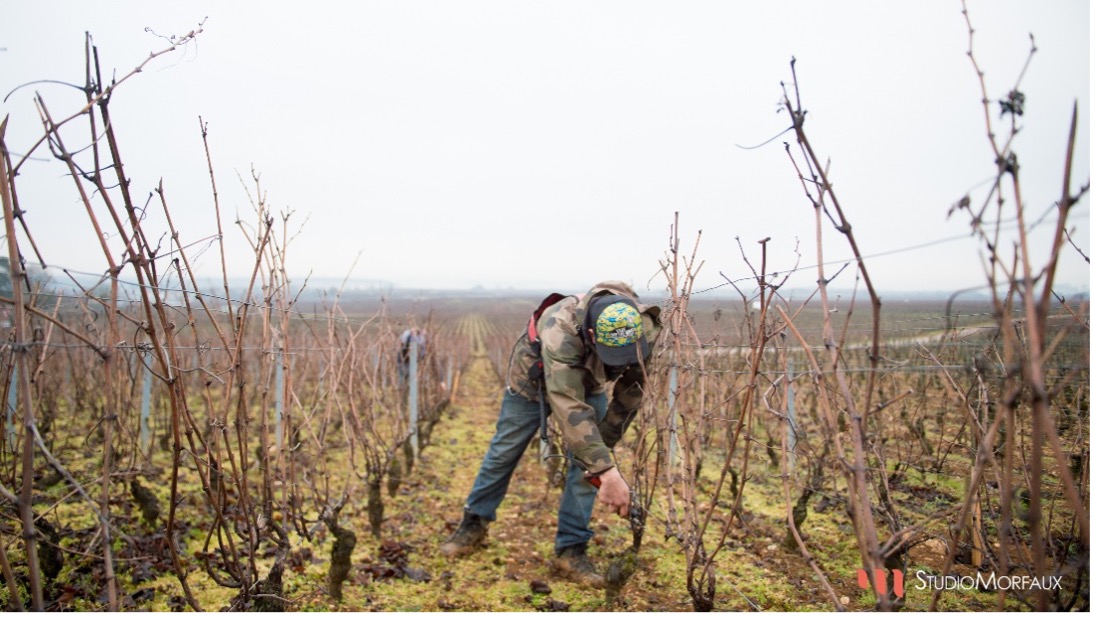
With increasingly unpredictable weather in the Côte de Nuits, Matt Walls wonders what the region will look like in 20 years’ time.
The past five years in Bourgogne have seen it all. From the hard frost of 2021, to the endless rains of 2024, then the scorching heatwave of 2025. What will the next 20 years bring? I asked some leading winemakers to look ahead and predict what 2045 might look like in the Côte de Nuits and beyond.
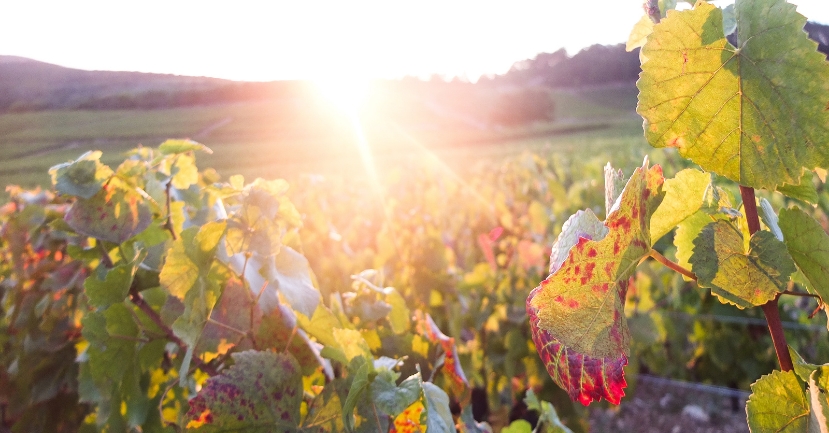
One of the most significant trends happening in Bourgogne today, is a movement towards sustainable, organic and biodynamic viticulture. Due to the warming of temperatures, increase in sunlight and shift in rainy season, there has been less vineyard mildew pressure, drier soil and earlier harvests. This change in climate, combined with the desire for a more ecologically sustainable growing model by Bourgogne producers, has led to the recent trend towards Green Farming.
There have been moments in my career as a professional winophile where I’ve realized I haven’t retained a bit of information that perhaps I should have learned in grade school had I been paying attention. Everyone needs a refresher once in a while and this series of blog posts aims to fill in possible gaps of knowledge that your grade-school mind may not have realized you would use in your fabulous wine career.
Estuary is a term that surfaces a lot when talking about Bordeaux. Though it is often used interchangeably with the word “river,” estuary has a very specific meaning.
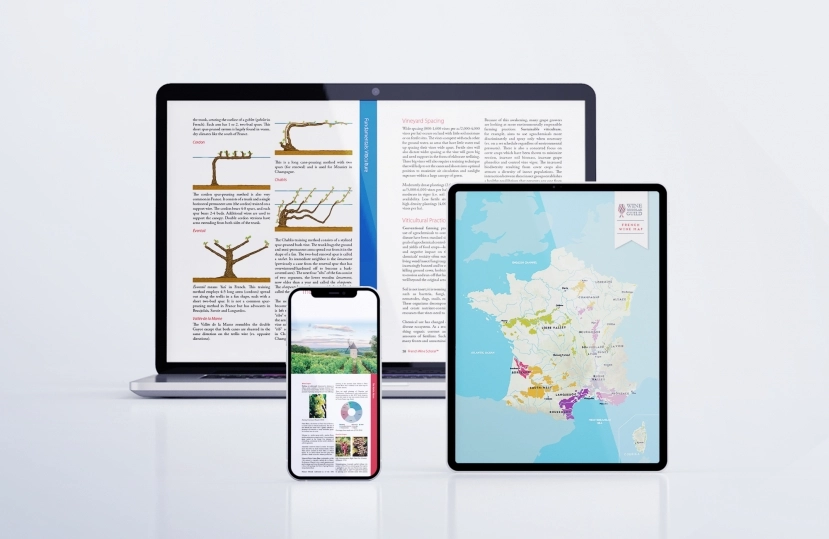
It's official! We have launched the 7th version of the French Wine Scholar® program!
The updated study manual, state-of-the-art e-learning modules, and instructor resources have been carefully enhanced to create the most current program on the wines of France.
This newest version is the product of tremendous work from our Education and E-Learning Teams, enabling us to offer students a brand-new experience of our most popular study program. Every aspect of FWS has been
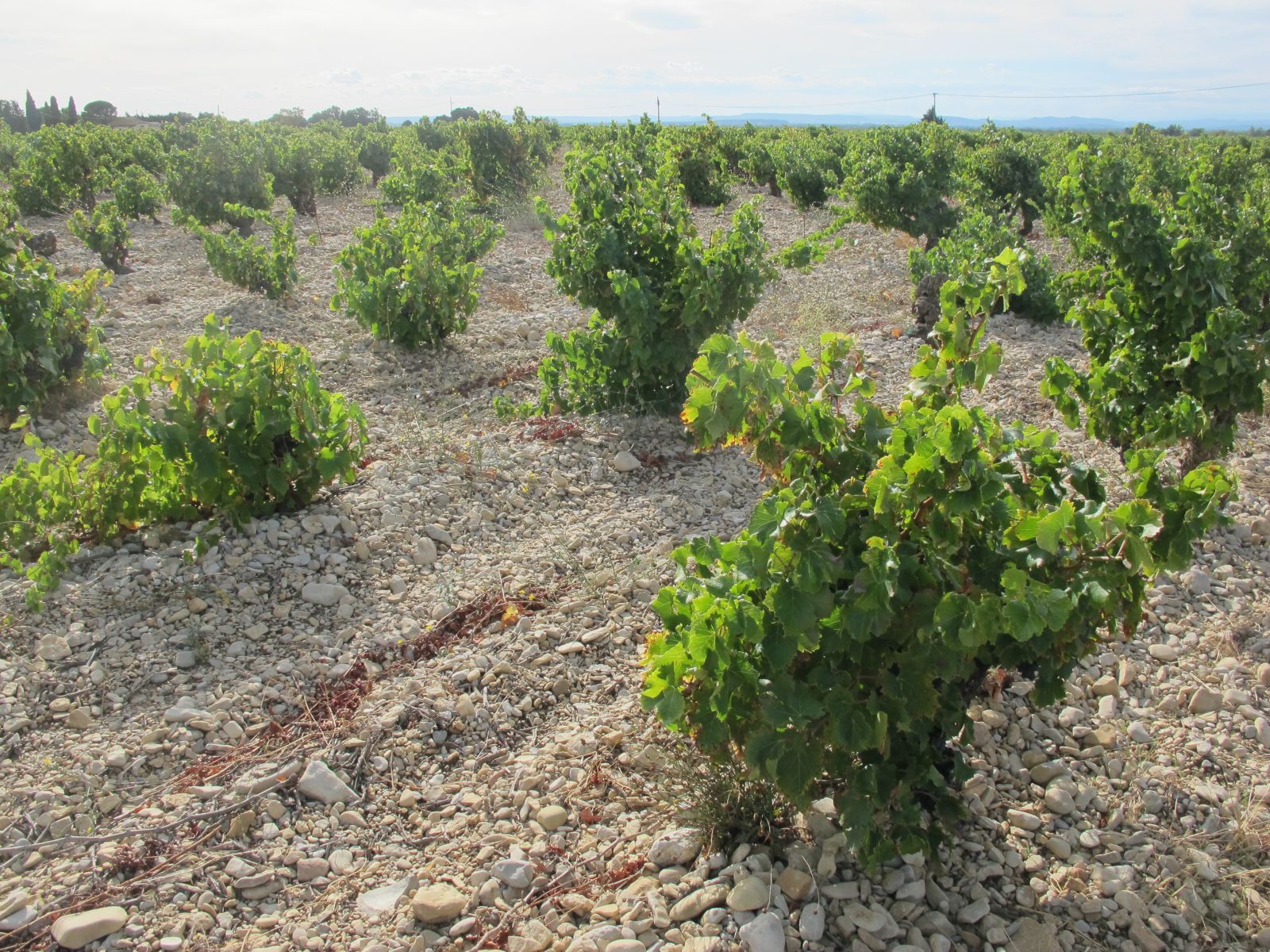
To understand the Southern Rhône, get to grips with Grenache, says Matt Walls.
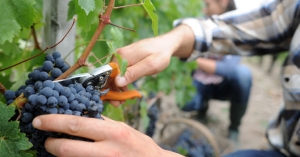
The 2024 vintage was an exhausting and finally disheartening one for most French winegrowers. Some claimed that they had spent twice as long in the vineyards, made twice as many anti-fungal treatments and spent twice as much on chemical products and on labour as they usually did – at the end of which they were finally rewarded with a harvest that was 23.5% smaller than the admittedly generous harvest of 2023. France’s 2024 total of 36.1 million hl (OIV figures, published April 2025) means that this was the nation’s smallest harvest since 2017 and historically one of the smallest since 1945 (alongside 1957 and 1991).
After a generous 2018 French-wine harvest, nature has dialed back on its beneficence by around 12% in 2019: initial estimates put the crop at around 43.4 million hl compared to 49.4 m hl last year. That’s not disastrous, though, especially since clouds have been gathering over the export scene in the last few months: the USA has imposed 25% tariffs on French wines under 14% abv, while sales to Hong Kong (often the preferred route into China for French fine wines) dropping by 26% over the last six months of political turmoil there. The generally hot weather of 2019, of course, may give French wines a helping hand back into the US if those tariffs linger: it wasn’t hard to produce wine over 14% this year.
Let's face it: Bordeaux is struggling. A recurring theme during my latest visit was producers lamenting declining sales, despite their wines tasting rather delicious. In January, the Gironde Chamber of Agriculture reported that more than 1,320 winegrowers were facing financial challenges – a situation that prompted the agriculture ministry to allocate €57 million to support the uprooting of nearly 10,000 hectares of vines in the region.