
BLOG

Bourgogne 2045

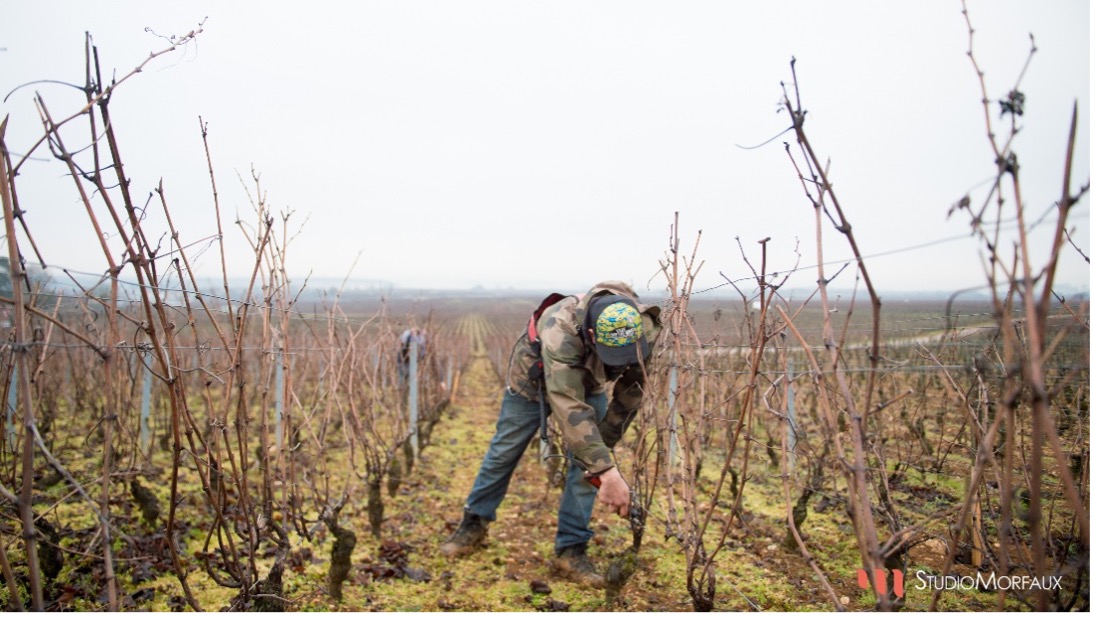
Winemaker pruning vines
Pruning at Domaine Drouhin-Laroze, Studio Morfaux

With increasingly unpredictable weather in the Côte de Nuits, Matt Walls wonders what the region will look like in 20 years’ time.

The past five years in Bourgogne have seen it all. From the hard frost of 2021, to the endless rains of 2024, then the scorching heatwave of 2025. What will the next 20 years bring? I asked some leading winemakers to look ahead and predict what 2045 might look like in the Côte de Nuits and beyond. 

One extreme to another

Climate change is, if you’ll excuse the pun, a hot topic. But the term itself is misleading. According to Pierre Duroché of Domaine Duroché in Gevrey-Chambertin, the weather “is not necessarily hotter, it’s more extreme”.

Amélie Berthaut of Domaine Berthaut-Gerbet in Fixin agrees that it’s the excesses of hot and cold, and wet and dry, that make her job so challenging. The problem is the unpredictability.

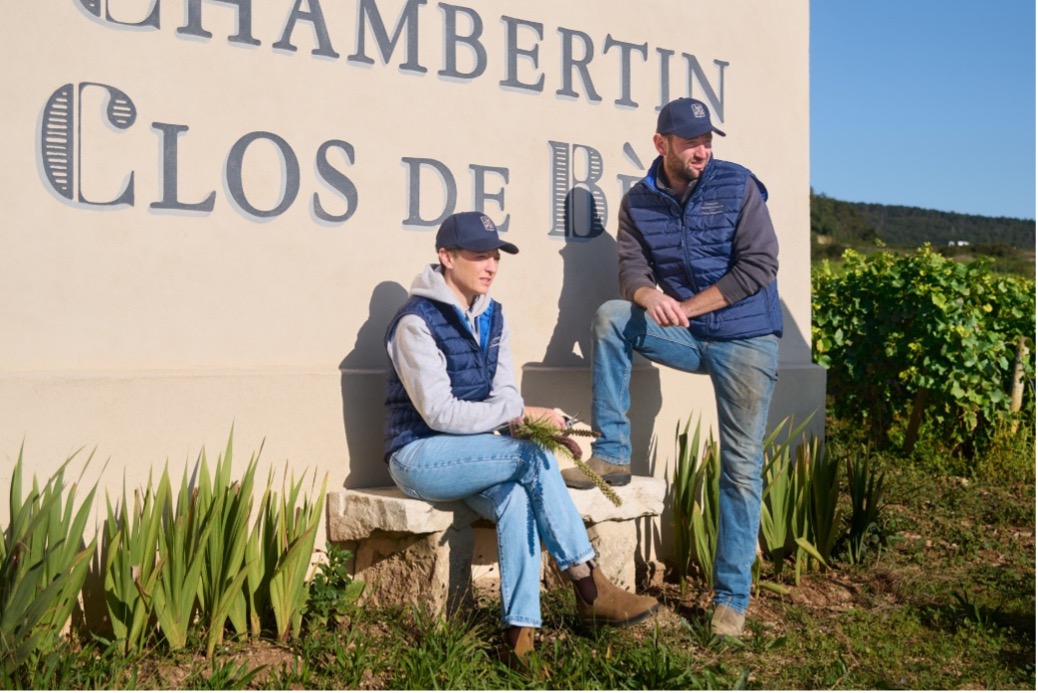
Amélie Berthaut and Nicolas Faure standing among vineyard rows in Bourgogne, illustrating hands-on estate management and grower presence.
Amelie Berthaut and Nicolas Faure, Domaine Berthaut-Gerbet, Antoine Martel

The 2024 growing season was particularly tough. “It was a nightmare,” says Berthaut. “It rained all the time. It started in the winter, which is good; but then all through spring and summer.” The region was badly hit by downy mildew due to the damp conditions. “We only lost half [our crop]; that’s OK compared to others,” she says.

It was an exhausting battle. In 2021, all the damage occurred over three freezing nights in early April, but in 2024 the damage was cruelly drawn out. “Every day you fight but you see less grapes,” says Berthaut. At least she is pleased with the final quality and the classic style of the vintage.

Then 2025 “was kind of the opposite,” she says. Everything was running smoothly until early August, when the temperatures suddenly shot up to peaks of 38°C/100.4°F in the Côte-d'Or. Growers had to rush back from their holidays to pick.

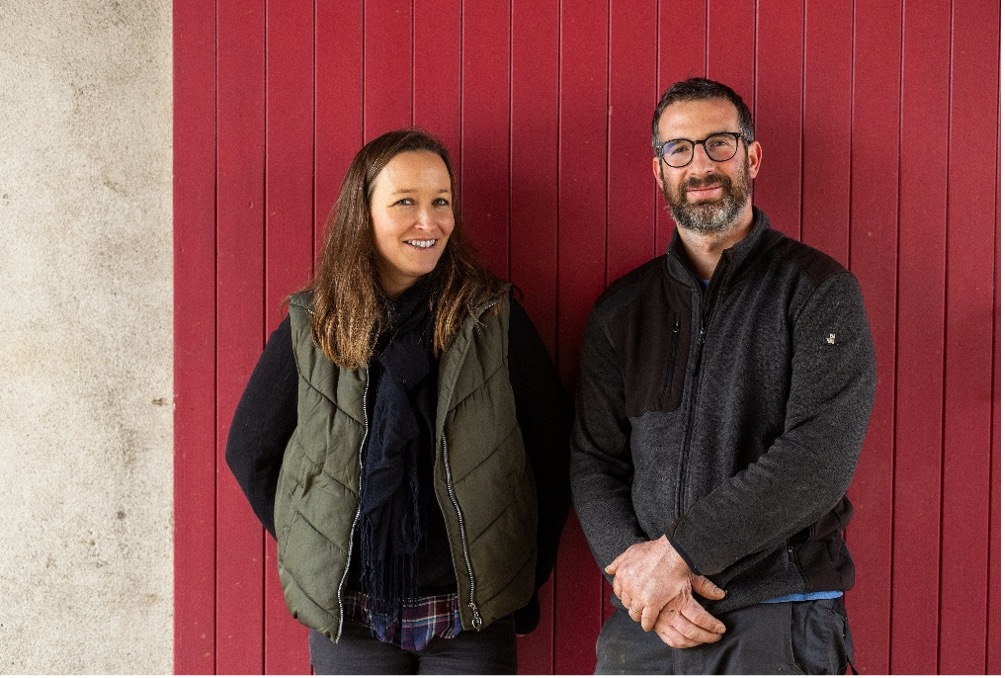
Caroline Drouhin and Nicolas Drouhin at Domaine Drouhin-Laroze, highlighting a family-run Bourgogne winery adapting to climate shifts.
Caroline Drouhin and Nicolas Drouhin of Domaine Drouhin-Laroze, Studio Morfaux

Caroline Drouhin of Domaine Drouhin-Laroze in Gevrey-Chambertin was surprised by the results in 2025. She harvested “small berries, very dense, with beautiful tannins,” she says, but despite the heat they only came in at 12% abv. “It was down to blockages in maturity–the first time we’ve seen this,” she says. “It was shocking. We really expected it to be ripe.”

Evolution in the vineyards

For many winemakers in Bourgogne, it’s the roasting 2003 vintage, just over 20 years ago, that represents the start of climate change proper. But what if we look forward 20 years? The landscape might look very different.

Will we see different grape varieties being grown? Perhaps we’ll see a proportion of Aligoté permitted in more white appellations to help preserve acidity and tension.

As for reds, “I’m trying to be positive;” says Berthaut. “I hope we will still have Pinot vines.” But she’s keen to experiment with Syrah. It’s not too far-fetched, given that good examples are already being produced further north, for example Baden in Germany.

Duroché feels confident that Pinot Noir will adapt, adding that enjoyable expressions are made today in regions that are warmer than his. Jason Haynes, founding director of UK importer Flint Wines, suggests “trying different clones before trying different grape varieties is a more sensible approach”.

The way that growers work with Pinot might have to evolve though. Berthaut wonders if lower-density plantings might be required if the climate gets increasingly hot and dry, perhaps 7,000 vines per hectare instead of the typical 10,000. Higher trellising could offer more shade to the fruit. 

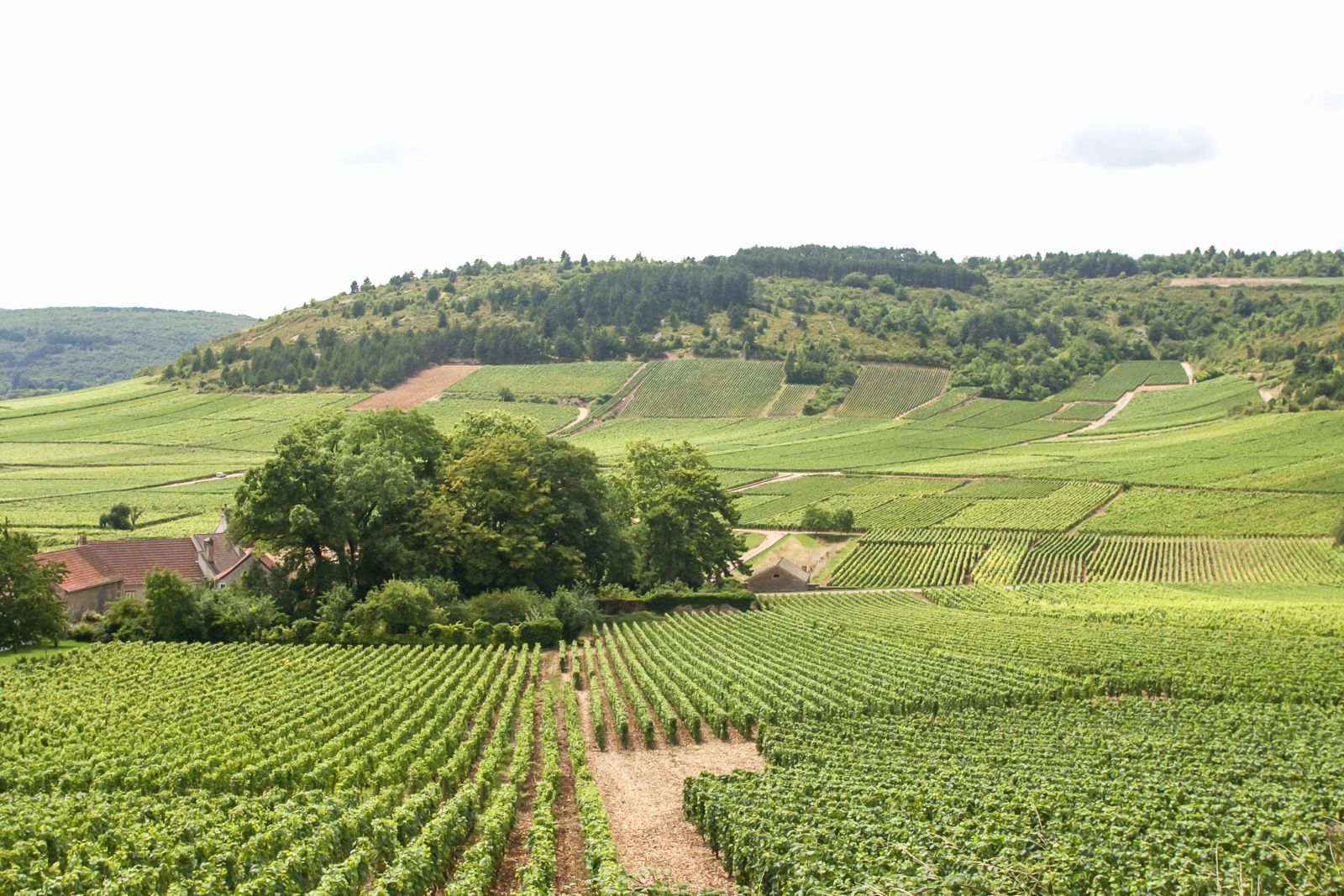
Panoramic view of Côte de Nuits vineyards surrounding Domaine Drouhin-Laroze, showing rolling slopes and classic Bourgogne terroir.
Vineyards of Domaine Drouhin-Laroze,  Baptiste Paquot

“I think the landscape will change,” says Berthaut “with lots of young trees in the vineyards.” Beneficial not just for biodiversity, they would also offer valuable shade to vineyard workers. This is how the area used to look 50 to 60 years ago, she points out, before trees were pulled out to make way for tractors.

With an increasingly unpredictable and extreme climate, the recent gains that have been made in organic viticulture could be lost if growers are forced to use synthetic chemicals in the face of losing their harvest to pests or disease. Happily, Bourgogne is comparatively wealthy, so growers are relatively well placed to sacrifice volume for quality if needs be–as many did in 2024.

Adjustments in the cellar

Berthaut has already made changes in her cellar to account for a hotter climate. She’s improved the air conditioning to help keep temperatures down, and she’s installed a cold room to chill the harvest down to 8°C/46.4°F before fermentation to ensure a slow and gentle instigation, rather than a volcanic one.

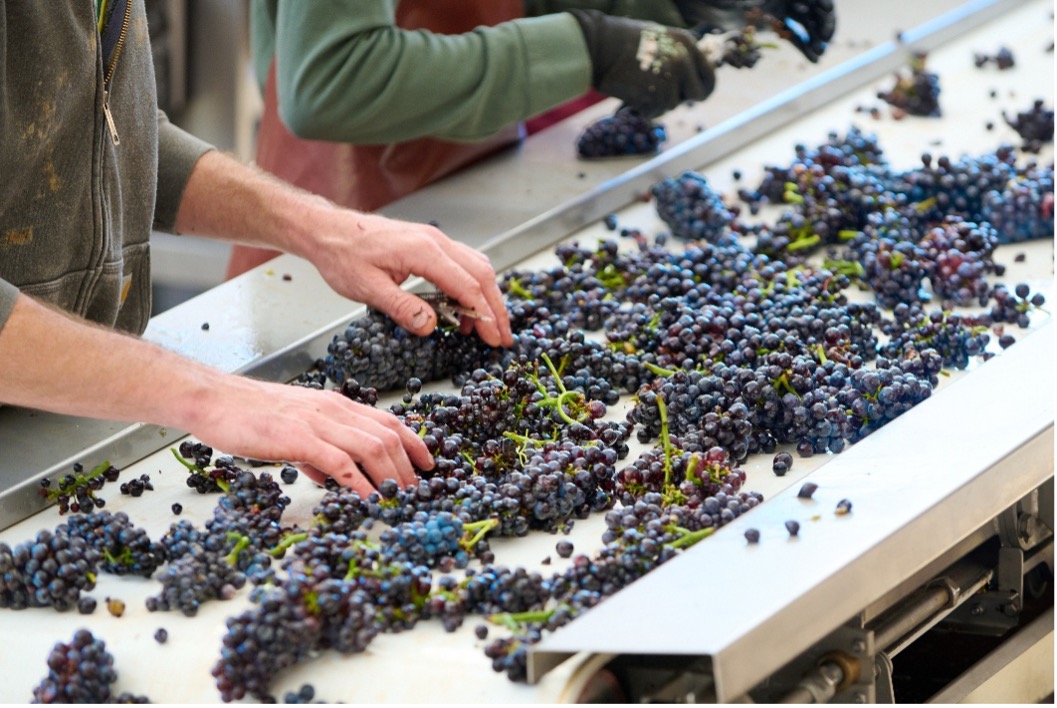
Harvest sorting table in a Bourgogne cellar at Domaine Drouhin-Laroze, where grapes are selected before fermentation.
Sorting table at Domaine Drouhin-Laroze, Studio Morfaux

Haynes notes that more winemakers are moving away from oak and towards more neutral containers such as stainless steel and ceramic, which can help keep a crisper, cleaner profile. If the climate continues to heat up, no doubt we’ll see more winemakers move in this direction.

Winners and losers

Climate change has already engendered some stylistic changes among the villages of Bourgogne and if it continues at a similar rate there will no doubt be further shifts. Haynes says that certain appellations, such as Auxey-Duresses, have benefited. “For Pinot it was really difficult there,” he says, “but now it’s a really interesting place to be.” It’s a similar story for Monthélie and he thinks that both should still be performing well by 2045.

Others sites have fared less well. “On the flip side, some villages are struggling a little bit,” says Haynes, such as Volnay and Chambolle-Musigny, which don’t always exhibit the subtlety and delicacy today for which they’ve long been prized.

Many agree that a major beneficiary of the hotter climate is the Hautes Côtes de Nuits. Berthaut says that it was historically difficult to ripen Pinot Noir there, but she predicts “a lot will be going on in the Hautes Côtes; with global warming it’s working well now.” Perhaps by 2045 an updated vineyard classification will be imposed.

Duroché believes that the slopes, rather than flatter ground or hilltops, will remain the most “consistent and resilient” terroirs, however and “the grands crus and premiers crus will stay the best places”. Nonetheless he thinks the Hautes Côtes could be a worthwhile investment: “you don’t put all your eggs in one basket,” he says.

Duroché is following his own advice: He’s now collaborating on a still red Pinot Noir with Danbury Ridge, from Essex, England. In 2025, he started picking his Gevrey-Chambertin on 26 August; in Essex, he started picking on 6 October. “I was very surprised by the quality,” he says, picking clean, ripe fruit with good acidity.

Beyond climate

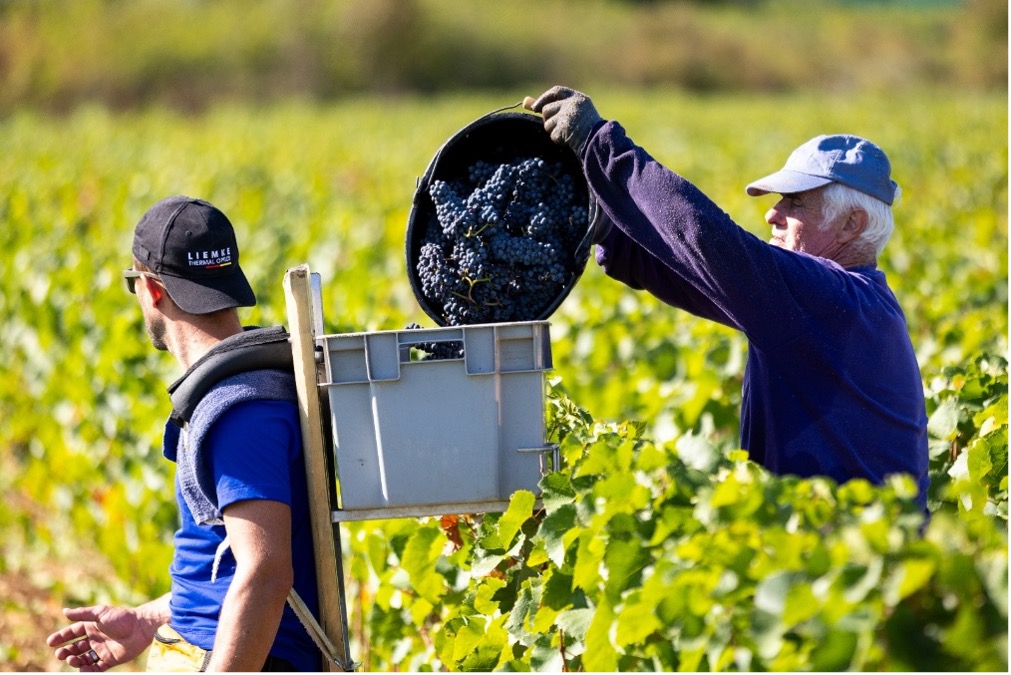
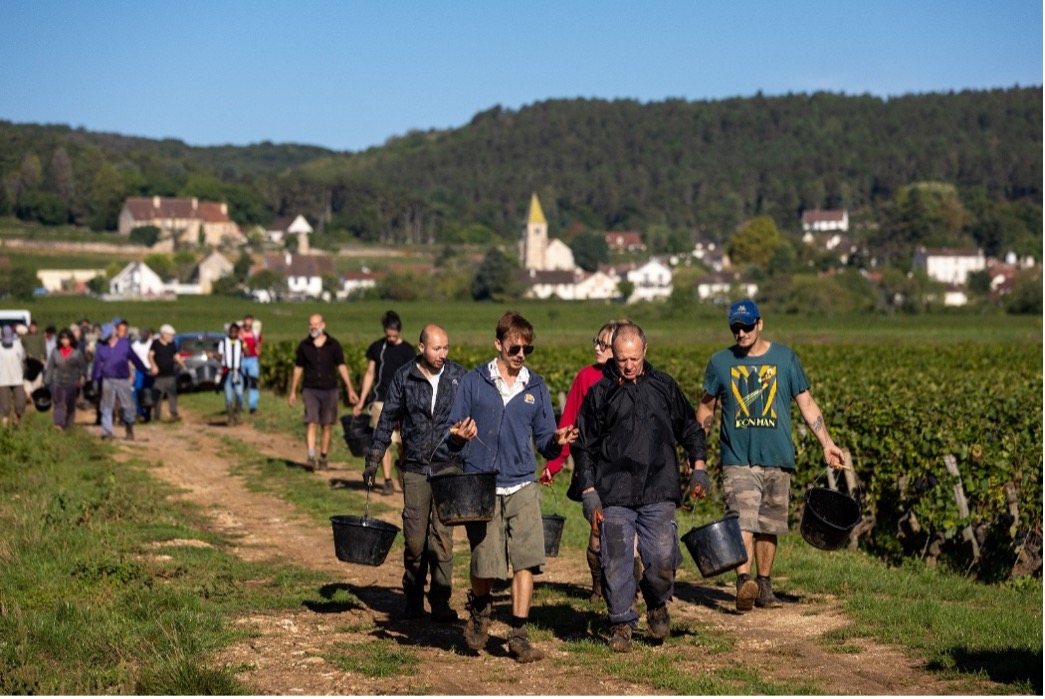
Grape harvest in Bourgogne with vineyard pickers working on steep Côte de Nuits slopes during vintage season.
Pickers at Domaine Drouhin-Laroze, Baptiste Paquot

But Burgundy faces challenges beyond just climate change. For Caroline Drouhin: “The climate for me is not the main problem,” and, for the moment at least, has made for better wines. She believes that pests such as flavescence dorée, a disease with no cure spread by the American grapevine leafhopper, could pose a more serious threat. To this, she adds the economic difficulties caused by spiraling land prices and inheritance taxes: “We have to open our mind to all the other problems. Our family estates are in danger.”

But my most surprising conversation was with Hombeline Guyon of Domaine Antonin Guyon in Savigny-lès-Beaune who feels confident that the vines will adapt. “Twenty years is nothing… Nothing will change in twenty years,” she says. If that’s the case, I’ll eat my sunhat.

Matt Walls

Matt Walls is an award-winning freelance wine writer, author and consultant who contributes to various UK and international publications such as Club Oenologique and Decanter, where he is a contributing editor. He also judges wine and food competitions, develops wine apps and presents trade and consumer tastings. Matt is interested in all areas of wine, but specialises in the Rhône Valley – he is Regional Chair for the Rhône at the Decanter World Wine Awards.

Alongside his blog contributions, Matt brings his knowledge to the vineyard as a brilliant guide for WSG’s Educational Wine Tours.
Related Articles