
BLOG
french wine essentials
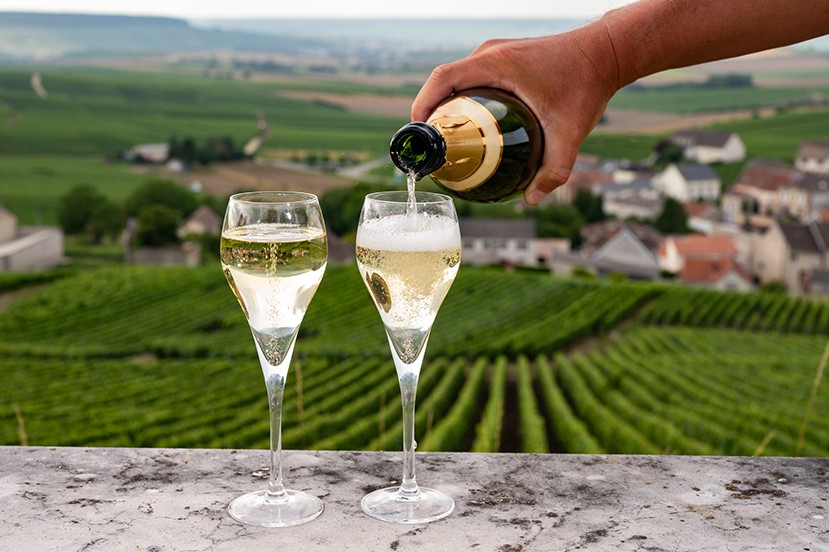
North vs. south
For over a century, the unanimity of the Champagne region has been called into question. Separated by departmental lines (départements being administrative regions in France), the Côte des Bar in the southern Aube department was often considered as that distant cousin who always embarrasses themselves at parties. The big houses of “mainland” Champagne in the northern Marne department did indeed buy loads of grapes from
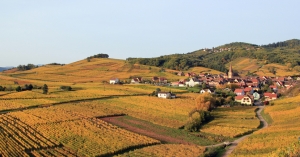
There’s no wine region I enjoy visiting more than Alsace.
It’s beautiful, of course – and not just the half-timbered houses around which a profusion of flowers seem to float, or the grand hillside vineyards romping up to the forested Vosges mountains, always somehow bigger and more imposing in scale than those of Burgundy. The growers are fascinating characters, too, as if their historical and geographical position, wedged between (and much fought-over by) France and Germany, has given them an independence of thought which eludes those with a more settled position in each wine culture.
Then there’s the wines. It’s commonplace to say that Alsace wines are underappreciated -- but it’s true. For me, no white wine region can offer more diversity and intrigue than Alsace, nor does any single regional range of white wines appeal more to my palate...
Every wine appellation in France has a cahier des charges, a set of regulations that delineates the production zone and specifies viticultural practices and production standards.
In many instances, a single cahier des charges references one zone of production and multiple wine styles within it (e.g. Lirac red, white, and rosé; Rasteau dry red, plus red, white and rosé Vins Doux Naturels). Some single cahiers also incorporate complementary geographic denominations or dénominations géographiques complémentaires (DGCs) such as Languedoc Montpeyroux or Bourgogne Hautes Côte de Nuits. Other times, very different wines can be grouped under one single cahier as is the case for Beaujolais, Beaujolais Supérieur, Beaujolais + Named Commune, and Beaujolais-Villages.
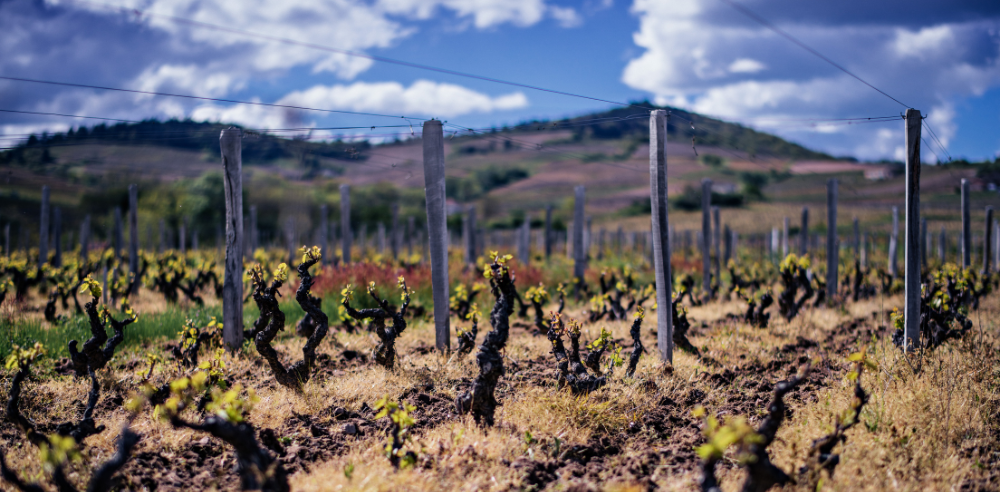
WSG is proud be the first Educational Partner of The Old Vine Conference. Read more to find out how this dynamic non-profit organization is actively creating a global network of old-vine disciples while raising awareness through education.
The economic and social relevance of old vines is real, but the structure of the global wine industry stacks the odds against the regenerative commercial viability of old vines. The result is that healthy old vineyards of cultural resonance and unique qualitative potential are lost because they can’t be made to pay.
The Old Vine Conference is a non-profit organisation whose aim is to bring together a global network to create a new category for wine from heritage vineyards. The Old Vine Conference works to safeguard old vines of cultural and ecological value by connecting, educating and inspiring the global wine industry through conferences, research, partnerships, tastings and fieldtrips.
On the surface, promoting Beaujolais’s best vineyards to premiers crus might appear entirely beneficial for the region. But the situation is more complex than it looks, says Beaujolais expert Natasha Hughes MW.
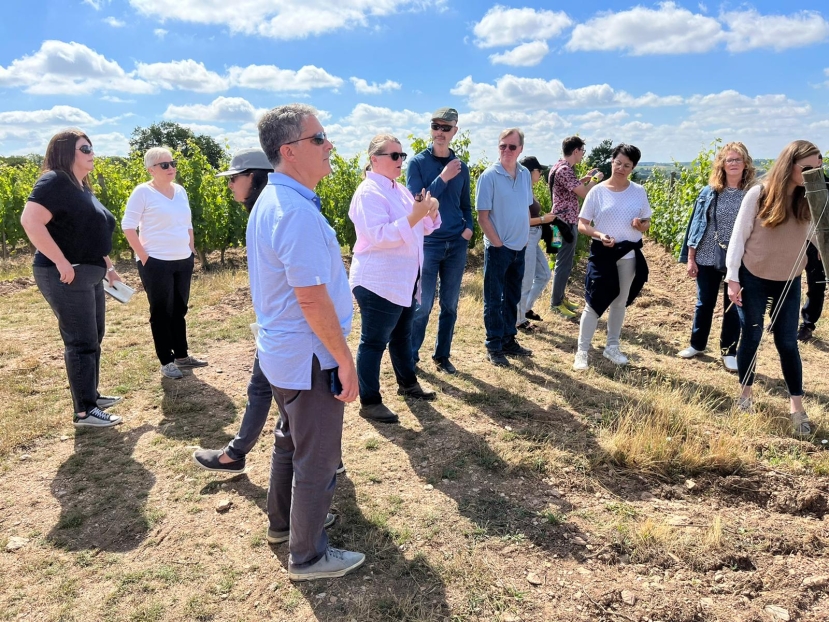
On a blistering June day, my suitcase rattling over the hot cobblestones, I made my way by through the village of Amboise in the Loire Valley, where my tour with the Wine Scholar Guild was about to begin. That night, in an 18th century hotel decorated in a style my spouse describes as “manic grandma,” the group toasted our safe arrival and talked about what had brought each of us there. Though we were a diverse set—with wine professionals from all over the map, and a handful of enthusiasts outside the industry—we all seemed to agree on one thing

Earlier this year, I embarked on the French Wine Scholar (FWS) program; version 7 being the latest update to this ever-popular certification offered by Wine Scholar Guild to wine enthusiasts and professionals alike. Here are my top study tips for passing the French Wine Scholar program!
What is France’s greatest undiscovered wine region? Where do you find the greatest value for money in French wine? Where would you look around France to find potential fine-wine quality at affordable wine prices? Three questions … and from me the same answer to each: South West France.
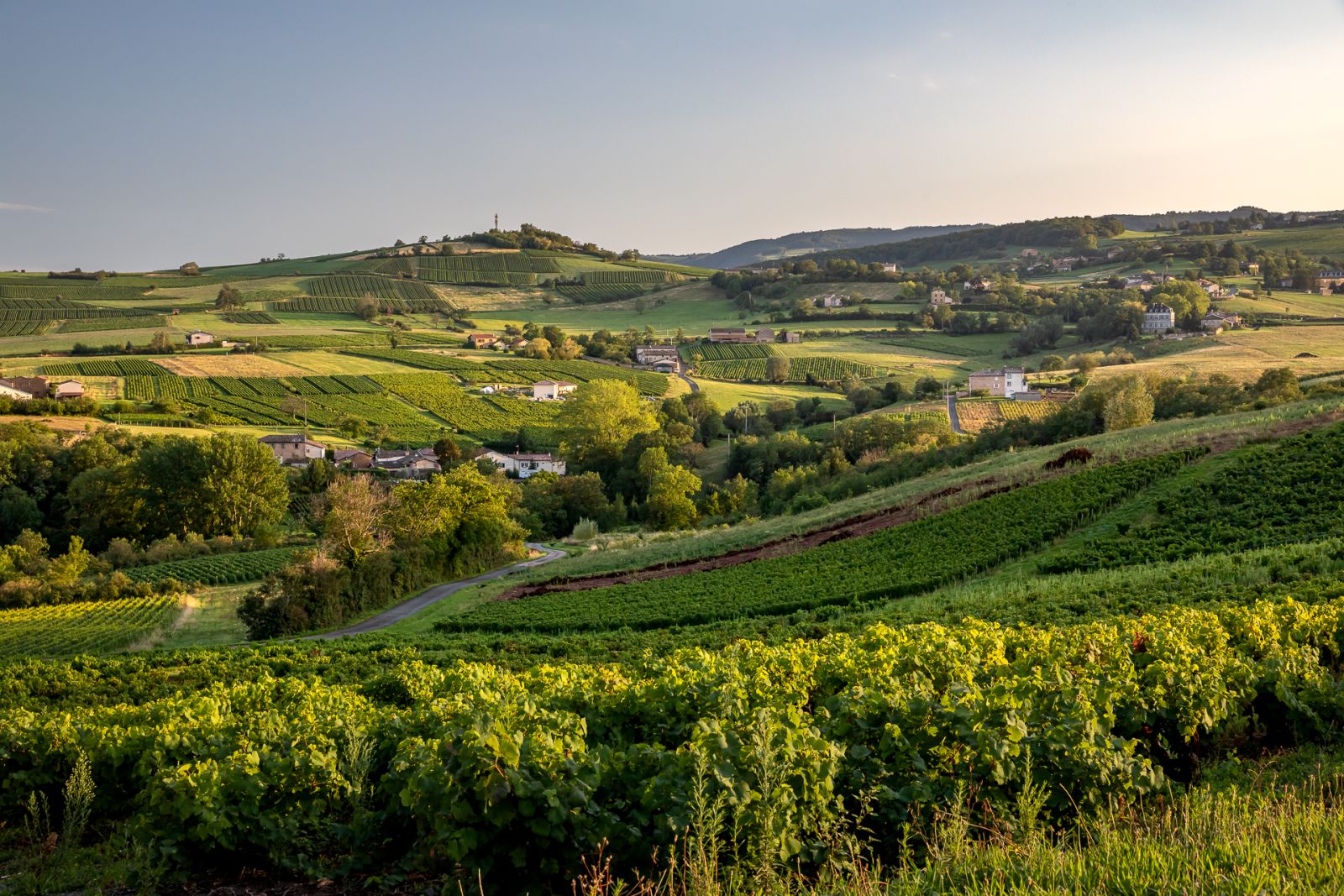
Over the past 20 years, the restoration of Beaujolais has been one of the great success stories in French wine. For decades it was best known for simple Beaujolais Nouveau, rushed out for consumption on the third Thursday of November every year, but the hullaballoo around this marketing stunt is now dissipating as the potential quality of its cru wines draws the spotlight.
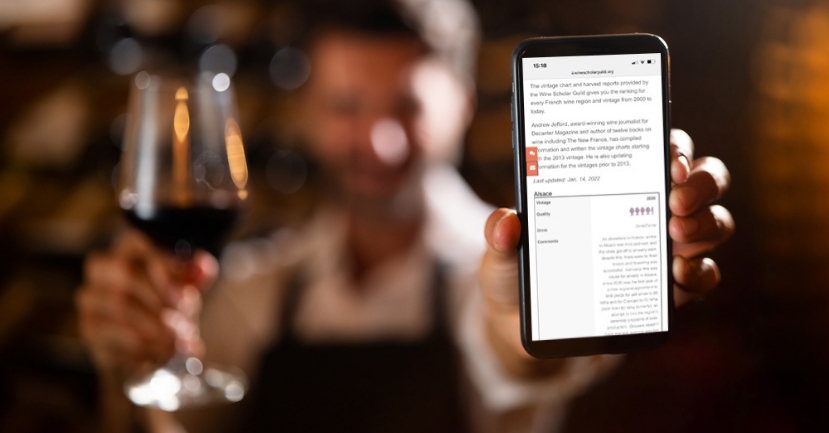
The vintage chart and harvest report provided by the Wine Scholar Guild give you the ranking for every French wine region and vintage from 2000 to today. The most recent vintage report is published two years following the vintage, i.e. the 2021 vintage report was published in 2023. Andrew Jefford gives us his insight about the 2021 vintage in France. Andrew is an award-winning author and columnist of Decanter and World of Fine Wine, Co-Chair of Decanter World Wine Awards; Vice-Chair of Decanter Asia Wine Awards, gives us
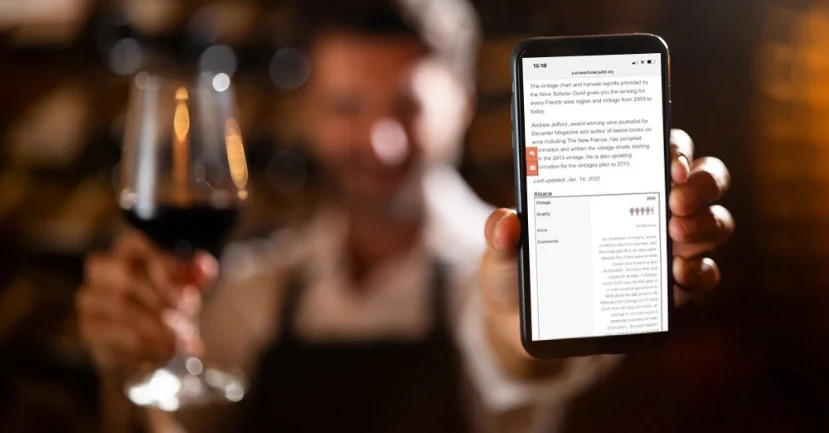
The 2022 vintage was, in general, a great year for France. Weirdly. Look at the data. It shouldn’t have been: the gauges for both drought and heat were often flashing red. What happened?
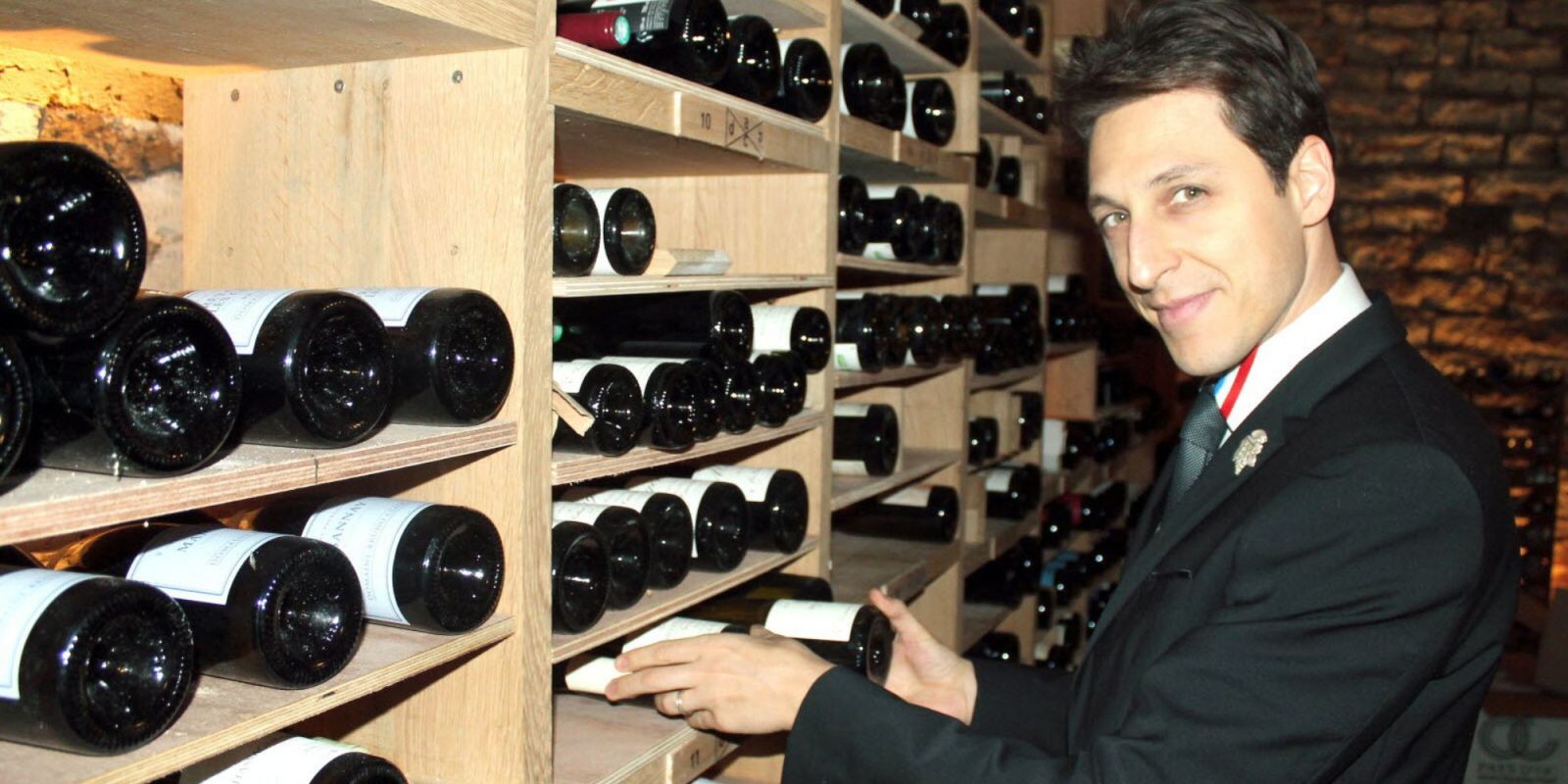
In the world of wine, the sommelier holds a position of both reverence and responsibility. More than just a connoisseur, a sommelier is an interpreter of terroir, a storyteller of vintages and above all a master of human connection. Philippe, a world-renowned sommelier from France's Jura region, spoke with WSG’s Founder and President Julien Camus recently, with rare authenticity about what defines excellence in this noble craft.
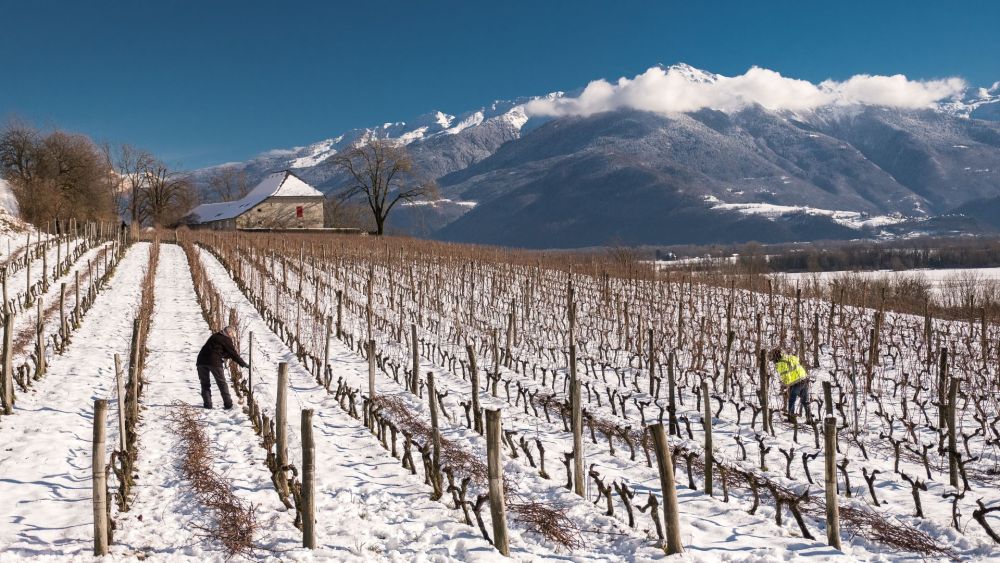
Despite its location in the French Alps, Savoie has long been overshadowed by its more famous neighbors. Yet with its distinct grape varieties, alpine terroir and rich viticultural heritage, this niche French region—bordering Switzerland and Italy—offers a taste of all that makes wine captivating.
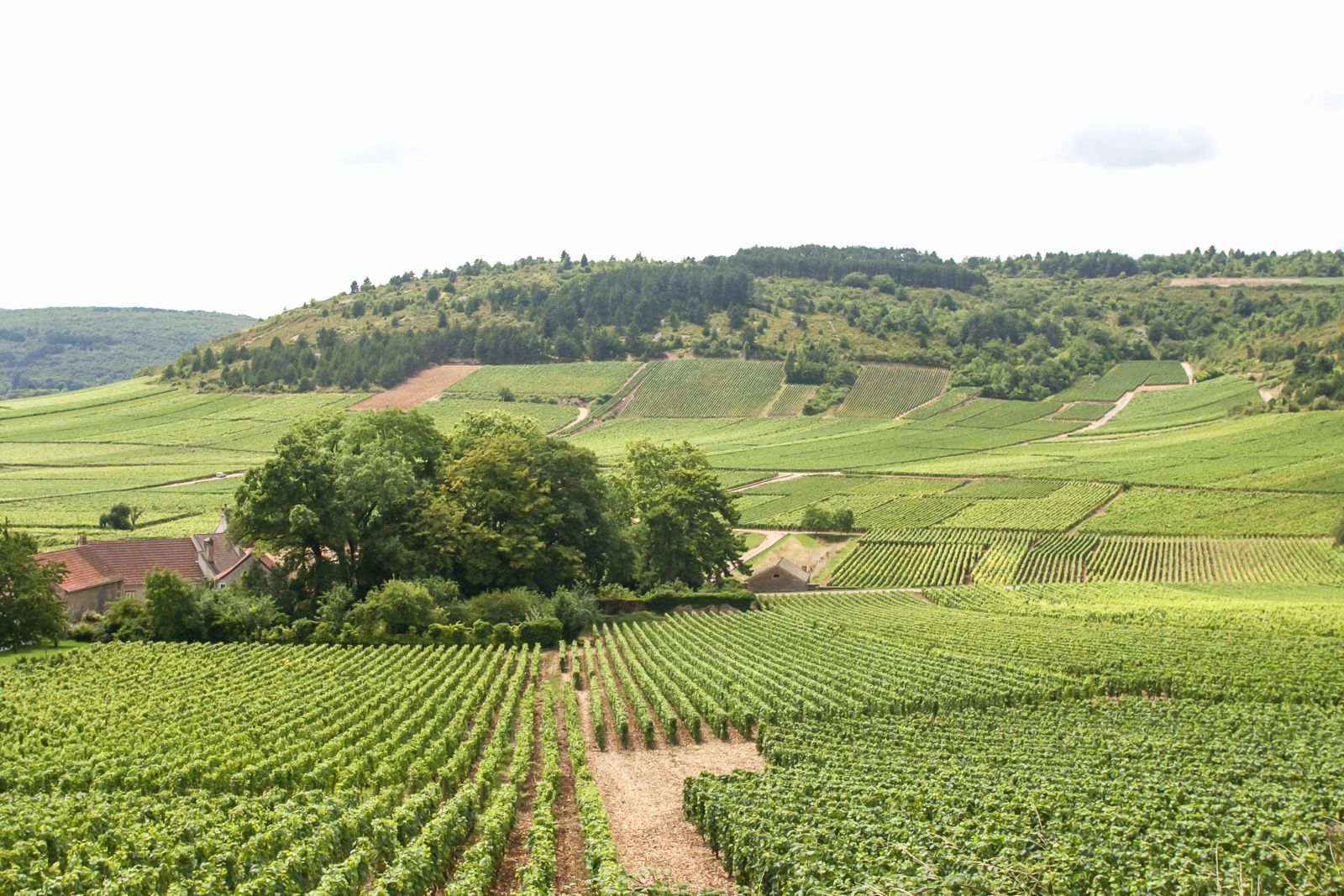
Over the past 10 years, interest in Aligoté has been rising in Bourgogne–and so have prices. Charlie Geoghegan examines the ascendency of this lesser-known white grape.
Poor Aligoté. It’s had a difficult few centuries as Bourgogne’s other white grape. Charges levelled against Aligoté include its excessive acidity, unpleasant tartness and tendency to taste rather dilute. Reference books will tell you how much more palatable it becomes with a dash of crème de cassis (blackcurrant liqueur). It’s not a flattering depiction. Thankfully, though, it’s no longer an accurate one.
In a world where wine has evolved from a drink to a culture, understanding what’s in your glass goes beyond mere taste—it’s about appreciating the stories, landscapes and craftsmanship behind each label.
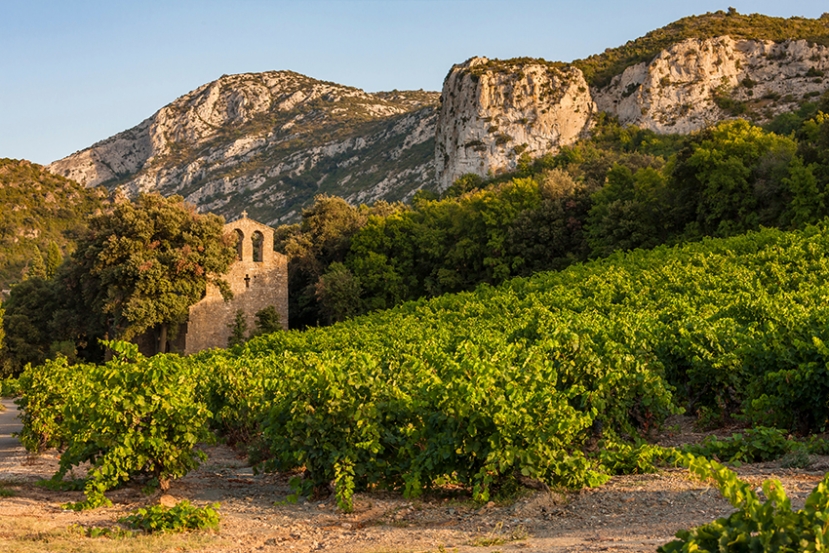
For wine lovers, there are two Languedocs...
In the second part of our three-part series, acclaimed wine writer and critic Andrew Jefford surveys the latest wine trends in Alsace. From larger vineyards to the prospect of Premier Crus — not to mention the impacts of climate change on the region’s bevy of varieties — let’s take a look at Alsace’s recent history and where the region as a whole is headed.
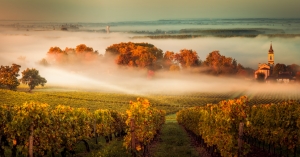
Author of Inside Bordeaux, a book that has been described as the 'bible' by Le Figaro newspaper and a 'category buster' by Jamie Goode, Jane Anson has lived in Bordeaux since 2003. Here she takes a look at the wine trends that are shaping the region, its economy, its climate, the industry and its winemakers.
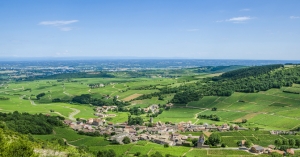
As a wine region, Burgundy embodies both the past and the future. On the one hand, Grands Crus that have been celebrated for centuries remain in the hands of multi-generational family domaines. On the other hand, outside investment, adjustments to the appellation system, and the realities of climate change (which have necessitated adaptations in viticulture and winemaking) have all combined to bring about change in recent years. This duality lies at the heart of modern Burgundy, and here to sort much of it out for us is acclaimed wine writer and critic Andrew Jefford. Below, he takes a look at the numbers that have shaped Burgundy’s recent history, and what that means for its future.
As an accomplished wine writer Andrew Jefford has decades of experience watching the French wine industry evolve. Here, he takes a look at the wine trends that are shaping the Champagne region, its landscape, its climate, the industry and ultimately, how winemakers are adapting in the cellar.