
BLOG
blind tasting
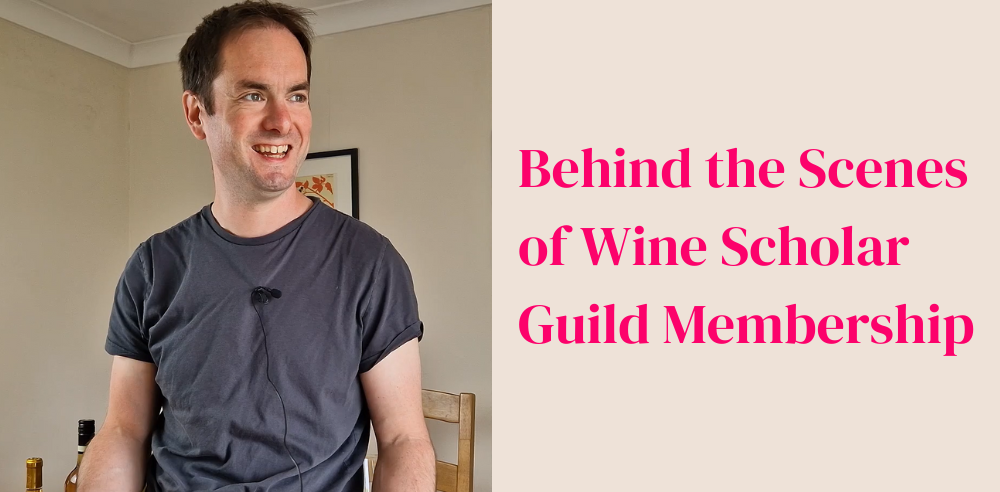
We recently caught up with Justin Martindale MW, our Membership & Community Manager, to find out what’s happening in the WSG Membership program and how it all gets put together.

Summary:
In this video, Justin and Chris explore ageabilty in rosé wines by tasting two vintages of the esteemed Clos Cibonne winery in Provence. They discuss ageabilty, quality, oak and how to spot aged characteristics in this style of wine.
About the Speakers:
Justin Martindale is the Wine Scholar Guild Membership Manager and one of our in-house Masters of Wine. Justin passed the notoriously challenging MW tasting exam with the Madame Bollinger Award,
Summary:
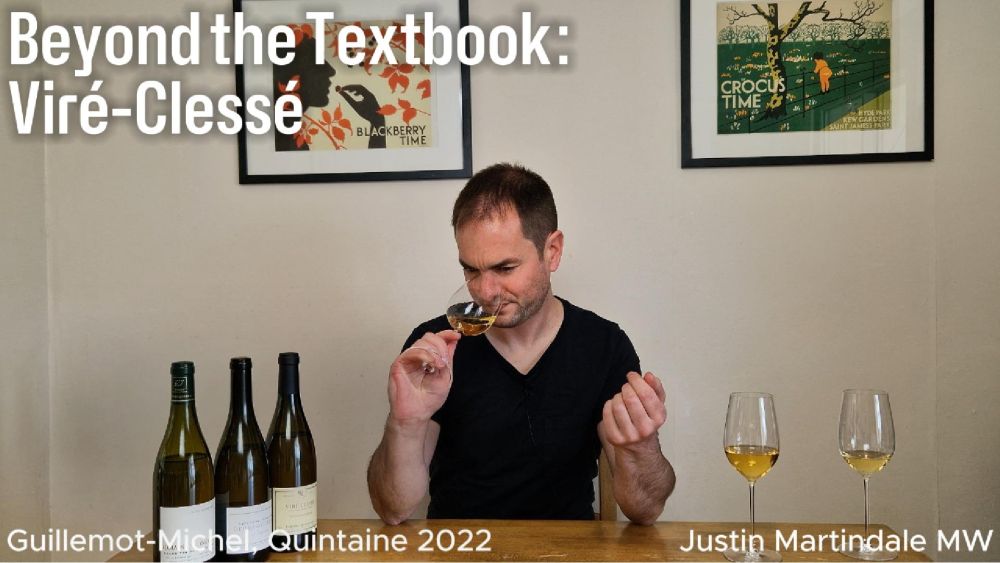
The 'Beyond the Textbook' series seeks to get under the skin of specific varieties and regions from around the world. Here Justin tastes 3 amazing, but very different style from Viré-Clessé. It's Chardonnay, but not as you know it...
Details of all three wines can be found in the attached pdf
About the Speaker:
Justin Martindale is the Wine Scholar Guild Membership Manager and one of our in-house Masters of Wine. Justin passed the
Summary:
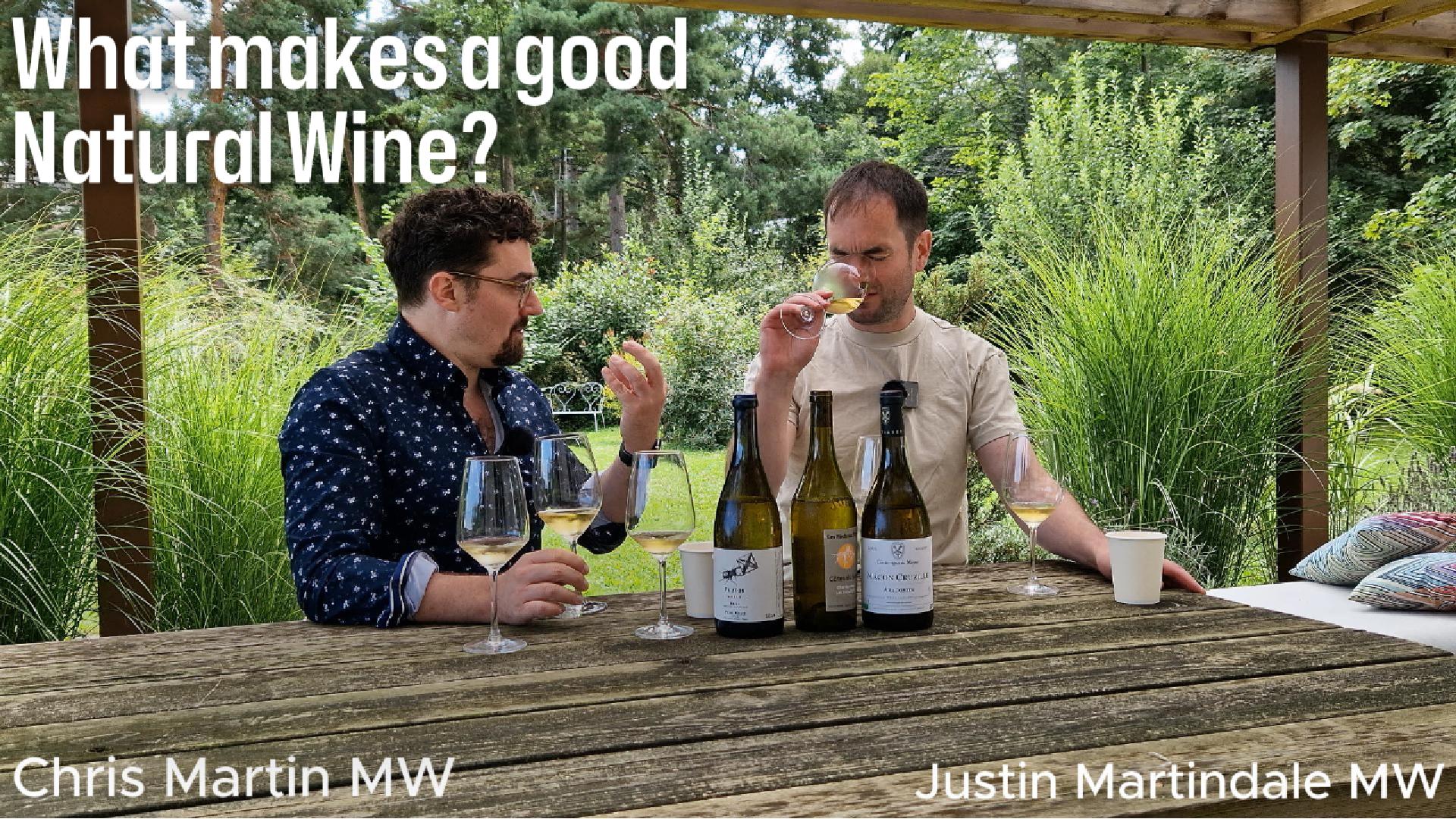
What is a 'natural wine' anyway? In the latest in our series of blind tasting videos, Justin is once again joined by Chris Martin MW, to discuss all things natural. They taste three outstanding low-intervention wines and talk about how you might recognise the signatures of naturalness, how to assess quality and finding the line between funk and faulty.
We'd love to hear your thoughts about natural wine, so please start a discussion in the comments!
Details
Summary:
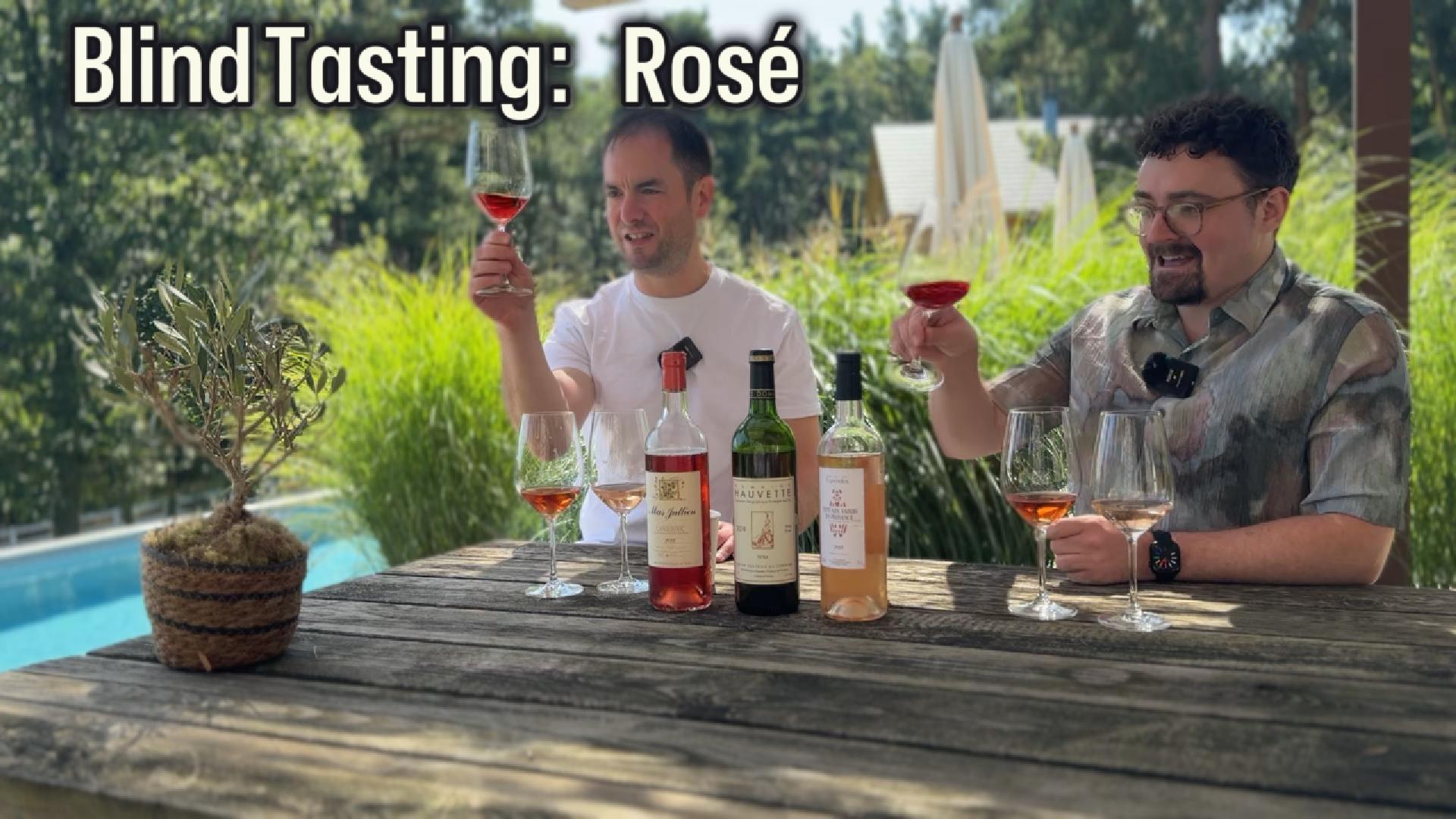
In this video Justin and Chris explore the world of Rosé, sharing tips and techniques around how to taste quality and starting to make arguments for logical regions of origin. We cover colour, winemaking signatures and what makes a great Rosé through a tasting of three very different wines from the south of France.
Full details of all the wines can be found in the pdf document above.
About the

Summary:
In this video we'll taste 3 different Syrahs of different styles, quality and origins, and see how we might make some arguments for deciding the variety, where in the world they come from and how good they are using evidence from the glass.
All the details about the wines can be found in the pdf link above.
About the Speaker:
Justin Martindale is the Wine Scholar Guild Membership Manager and one of our in-house Masters of Wine. Justin

Summary:
In this video we explore the limitations of the various wine tasting grids, and Justin introduces the cross system as an alternative method. Both systems are perfectly valid, but this might appeal to you if you share the same frustrations and want to give a different method a try!
About the Speaker:
Justin Martindale is the Wine Scholar Guild Membership Manager and one of our in-house Masters of Wine. Justin passed the notoriously challenging MW
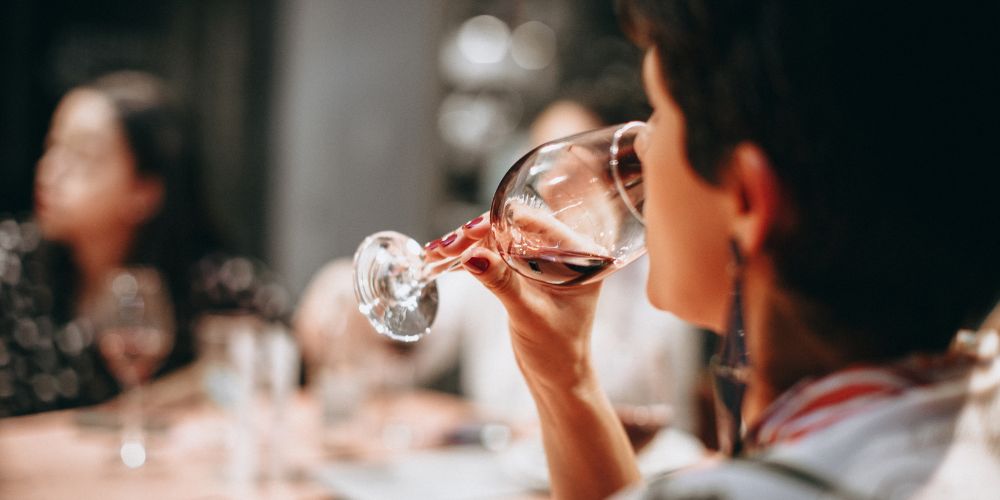
Wine education has historically been built around a sensible goal: creating structure in a complex world. For decades, education has helped professionals and enthusiasts navigate regions, grapes, appellations, tasting frameworks and technical language — all in a wine industry that has become increasingly globalised and commercially sophisticated.
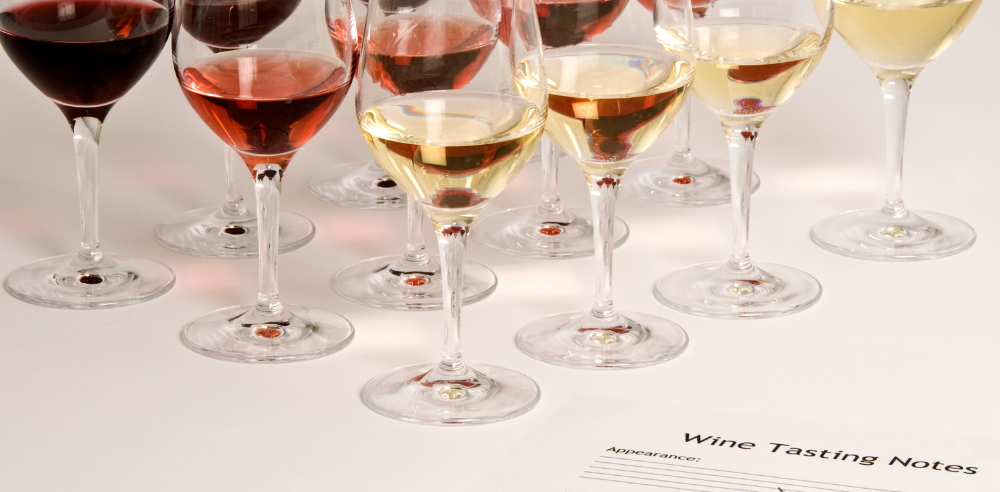
If there’s one thing in the world I love, it’s judging. From driving, to elite sport, to other people’s parenting, if you’re looking for someone to cast ill-informed opinions out into the wind, I’m your man. So, when the opportunity arose to contribute to what is probably the world’s greatest wine judging competition, I signed myself up quicker than you can say ‘baby-lead weaning’. Thankfully this is one area where I’m at least a little more qualified to apply
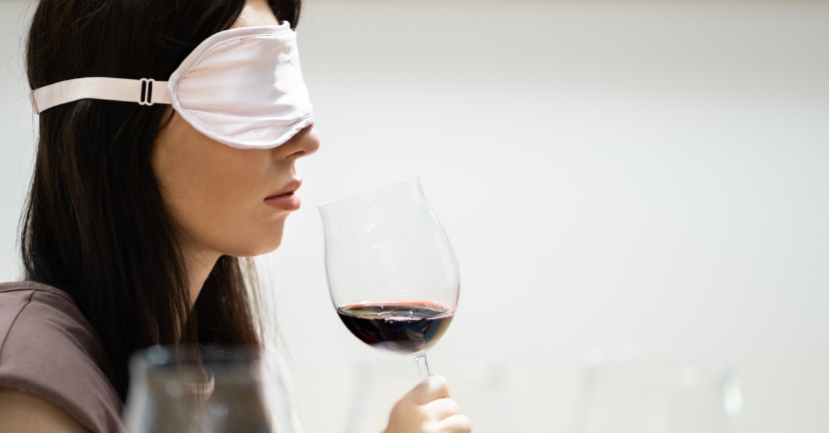
This article is the first of an upcoming series by French neuroscientist Gabriel Lepousez. Gabriel is part of the Scientific Committee formed by WSG in the context of its "Architecture of Taste Research Project". He has also presented a fascinating segment on "The Neuroscience of Wine Tasting" as part of The Science of Wine Tasting Webinar Series which will resume with new episodes in the Spring of 2022.
The wine tasting paradox
There is a real paradox in the experience of tasting a product like wine. Tasting is such a familiar, instinctive, and seemingly obvious act; something that we take for granted. At the same time, wine is a one of the most complex sensory objects that we put into our mouths.
Indeed, wine is one of the rare sensory objects of our daily life which solicits all at the same time:
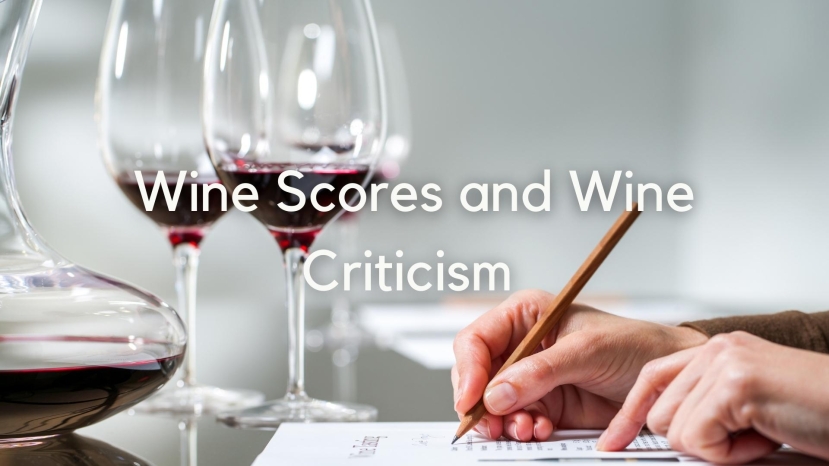
It is a regular occurrence, even for the most accomplished wine aficionado: a loss of words to describe exactly what’s going on in the glass. Try as we might, the language of wine will always be a tricky landscape to navigate. But, as educators and students of wine, it is a necessity. Whether scratched into a notepad or typed into a report, tasting notes help us commit our experience to memory, and serve as a vital avenue for sensory translation.
Nonetheless, issues abound when it comes to finding a common understanding of these experiences.
In this edition of our Great Debate series, Andrew Jefford — wine journalist and critic — is joined by William Kelley, wine critic for Robert Parker’s Wine Advocate, to discuss a host of issues facing the language of wine and its primary vehicle of communication: the celebrated (or maligned, depending on your point of view) tasting note.
“A good tasting note should communicate as relatably and usefully as possible the character and perceived quality of the wine,” notes Kelley, who reviews roughly 5,000 wines annually from Burgundy and Champagne for his publication. However, he cautions, “it is a very limiting genre.”
By and large, Jefford agrees, but he also calls for “an equivalent of the ‘natural wine’ movement for wine writing” to refresh the possibilities and broaden the perspectives of wine language worldwide.
In the end, this debate is a fascinating look into the process of crafting tasting notes from two of the industry’s most accomplished practitioners. But both admit that there remains plenty of open area for discussion on how to best utilize language to communicate the magic (or lack thereof) in the glass.