
BLOG
bourgogne
The white wines of France offer unrivaled perfection. With few exceptions, every vineyard growing white grapes is so planted not because reds won’t grow well there, but because whites will flourish. France’s white wines are not an afterthought or a consolation prize. These are vinous treasures worth exploring.
Bourgogne has applied some new math to count its AOCs. They have shed their claim to 100 AOCs and reorganized their appellations to fit within a count of 84.
Sadly, time has marched on, since the fantastic Bourgogne Immersion Trip I took with the Wine Scholar Guild lead by Andrew Jefford, October 23 – 28, 2016. Everyone on the trip was definitely a “wine nerd” but the group was composed of a mix of wine industry professionals, wine students of all levels that had “day jobs” and just wine appreciators. I had been on a few wine trips previously that were organized by friends or non-winegroups like Backroads (biking and wine). However, I had never gone on such a blockbuster, action-packed wine trip as this one. So for future participants here are 5 items to keep in mind so you have an incredible trip.
Summary:
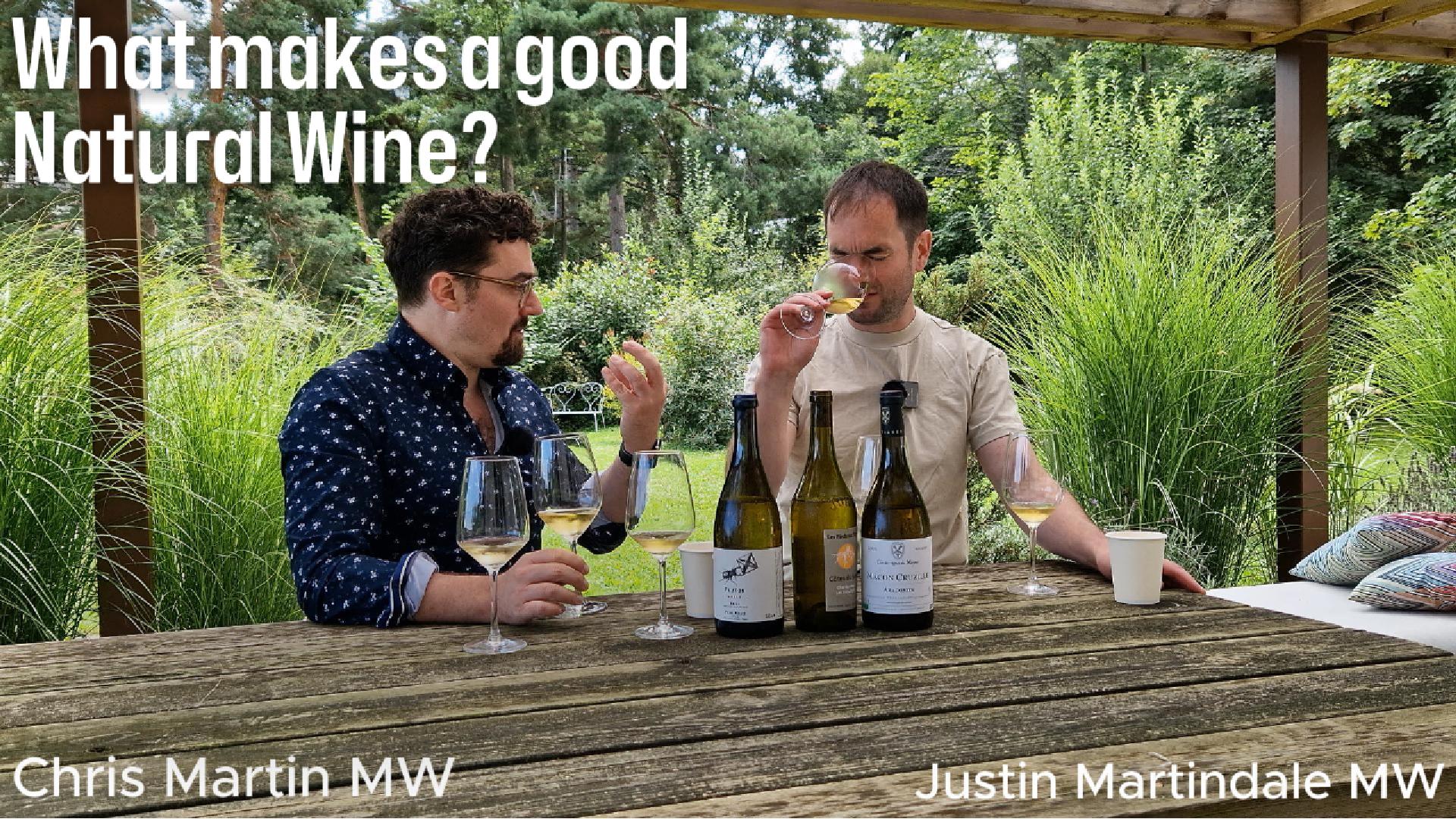
What is a 'natural wine' anyway? In the latest in our series of blind tasting videos, Justin is once again joined by Chris Martin MW, to discuss all things natural. They taste three outstanding low-intervention wines and talk about how you might recognise the signatures of naturalness, how to assess quality and finding the line between funk and faulty.
We'd love to hear your thoughts about natural wine, so please start a discussion in the comments!
Details
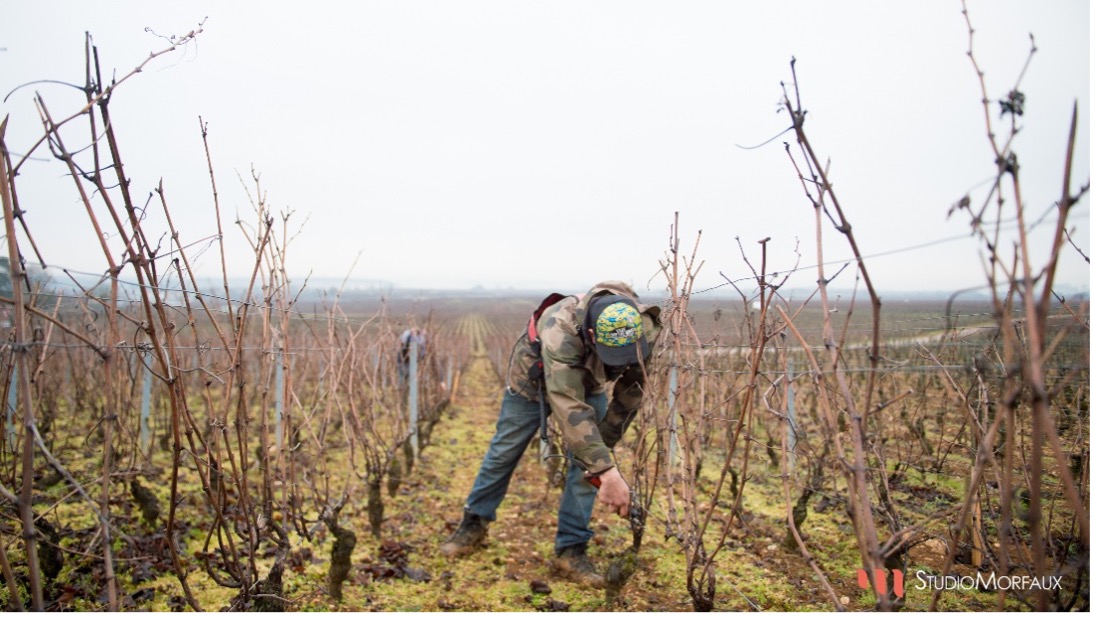
With increasingly unpredictable weather in the Côte de Nuits, Matt Walls wonders what the region will look like in 20 years’ time.
The past five years in Bourgogne have seen it all. From the hard frost of 2021, to the endless rains of 2024, then the scorching heatwave of 2025. What will the next 20 years bring? I asked some leading winemakers to look ahead and predict what 2045 might look like in the Côte de Nuits and beyond.
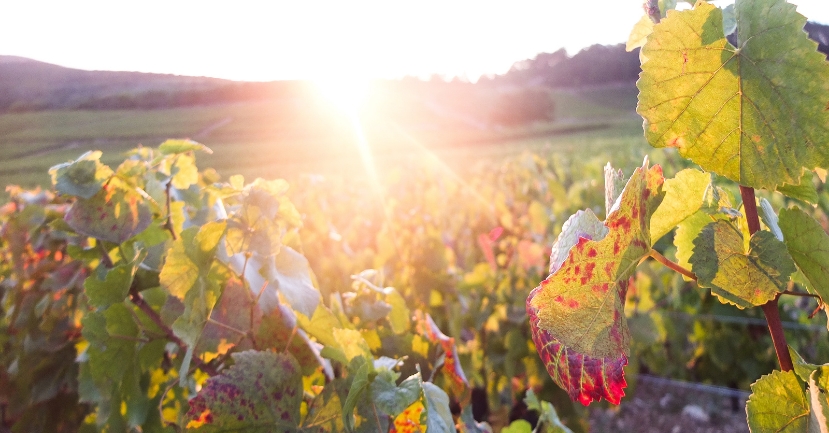
One of the most significant trends happening in Bourgogne today, is a movement towards sustainable, organic and biodynamic viticulture. Due to the warming of temperatures, increase in sunlight and shift in rainy season, there has been less vineyard mildew pressure, drier soil and earlier harvests. This change in climate, combined with the desire for a more ecologically sustainable growing model by Bourgogne producers, has led to the recent trend towards Green Farming.
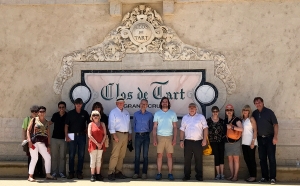
I am pleased to share my Burgundy wine tour experience with the Wine Scholar Guild, as it was the trip of a lifetime. My wife and I arrived a couple of days early and enjoyed fine wine and dining in Paris before our quick train trip over to Beaune (via Dijon). We spent Sunday on our own, touring the Hospices de Beaune, wandering the city streets and having a lovely dinner.
In 2024 Wine Scholar Guild proudly announced the Albert Sheen Memorial Scholarship in memory of our dear friend and dedicated wine traveler, Albert Sheen. The scholarship application invited applicants to discuss the challenges of climate change in Bourgogne. We received a number of truly exceptional submissions and thank all our participants for their in-depth essays and perspectives. The selection committee has selected Marek Zelewski and is pleased to share his winning essay below. Marek has been awarded a seat on our upcoming Bourgogne Masters Immersion taking place in May 2024.
Albert would have been honored to witness the positive energy and enthusiasm that this scholarship has ignited.
A medium-acidity, off-dry, full-bodied white with aromas of baked yellow apple, starfruit, mango and ripe pineapple, pronounced notes of lemon curd, vanilla and pie crust, paired with elevated alcohol lingering on the palate. While it sounds delicious if one’s looking for a fun wine substitute for a tiki cocktail, hardly anybody would place this Chardonnay on the map anywhere close to Burgundy. However, given the predicted increase in its average temperatures (1), fast forward to 2050 and it could well be a glass of Mâconnais. While certainly not great for those taking blind-testing exams, the consequences of climate change for the French wine industry will be way more far-reaching.
Every wine appellation in France has a cahier des charges, a set of regulations that delineates the production zone and specifies viticultural practices and production standards.
In many instances, a single cahier des charges references one zone of production and multiple wine styles within it (e.g. Lirac red, white, and rosé; Rasteau dry red, plus red, white and rosé Vins Doux Naturels). Some single cahiers also incorporate complementary geographic denominations or dénominations géographiques complémentaires (DGCs) such as Languedoc Montpeyroux or Bourgogne Hautes Côte de Nuits. Other times, very different wines can be grouped under one single cahier as is the case for Beaujolais, Beaujolais Supérieur, Beaujolais + Named Commune, and Beaujolais-Villages.
Decanter’s Andrew Jefford talks with us about Burgundy’s “Terroir Dreamland” or the Côte d’Or.
Timothy Magnus, of Magnus Vinum in Zurich, is a Bourgogne Wines Official Ambassador, a Weinakademiker, and holds the WSET Diploma in Wine & Spirits. He will be teaching the Wine Scholar Guild’s first ever Master-Level Intensive in Beaune in May 2020.
Over the past 10 years, interest in Aligoté has been rising in Bourgogne–and so have prices. Charlie Geoghegan examines the ascendency of this lesser-known white grape.
Poor Aligoté. It’s had a difficult few centuries as Bourgogne’s other white grape. Charges levelled against Aligoté include its excessive acidity, unpleasant tartness and tendency to taste rather dilute. Reference books will tell you how much more palatable it becomes with a dash of crème de cassis (blackcurrant liqueur). It’s not a flattering depiction. Thankfully, though, it’s no longer an accurate one.
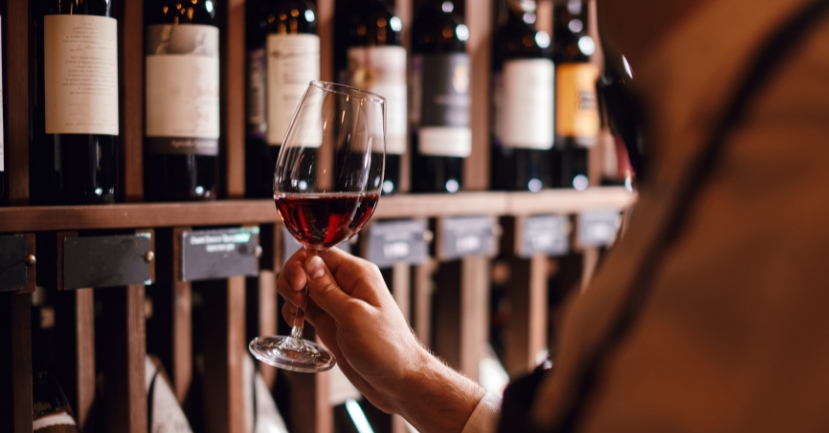
The best way to make sense of French red wines is to simply start tasting them. France offers the perfect red wine for every occasion—from steak frites on Monday, to boeuf bourguignon with the in-laws on Sunday.
Many of France’s best red wines are labeled with the name of the wine appellation, rarely by grape variety.
If you’ve ever felt completely overwhelmed while browsing a French wine section, knowing just a few key wine names will help keep your shopping trip focused and ensure that you have the perfect wine to drink at a moment’s notice.
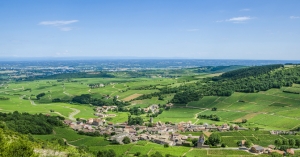
As a wine region, Burgundy embodies both the past and the future. On the one hand, Grands Crus that have been celebrated for centuries remain in the hands of multi-generational family domaines. On the other hand, outside investment, adjustments to the appellation system, and the realities of climate change (which have necessitated adaptations in viticulture and winemaking) have all combined to bring about change in recent years. This duality lies at the heart of modern Burgundy, and here to sort much of it out for us is acclaimed wine writer and critic Andrew Jefford. Below, he takes a look at the numbers that have shaped Burgundy’s recent history, and what that means for its future.