
BLOG
food and wine pairing
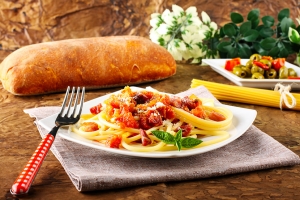
Recently, Barbara Philip MW hosted a virtual food and wine tour webinar for the Wine Scholar Guild. The cuisine of central Italy is as fascinating as it is delicious. This is where tomatoes and olive oil begin to replace the butter and cream of the north. Heavy, stuffed pastas give way to long pastas and are joined by more vegetables. The food of central Italy reflects the agricultural treasures provided by the warmer climate. Local grape varieties also enjoy their time in the sun, ripening to juicy perfection, creating wines that really reflect their surroundings.

Burgundy is a very dynamic region in a constant state of flux. On one hand it’s a region deeply rooted in tradition. Just take a look at the Fête de la Saint-Vincent tournante – a festival celebrating the patron saint of winemakers – and you clearly see that this is a region with one foot in the past. On the other hand...

Most wine lovers live to eat, so at best wine tourism is also a gastrotourism. The restaurant scene is Champagne is not quite as bubbly as the name suggests, but thanks to champagne houses’ entertaining and champagne tourism, the region has many fine restaurants: L’Assiette Champenois with three Michelin stars, Les Crayères and Racine with two stars and a handful of one-star places. Outside the top restaurants, the local cuisine is rather traditional, so do not expect gastronomic triumphs all around. It is worthwhile getting to know the best places in advance. Here are my 10 favourite addresses around Reims and Epernay.
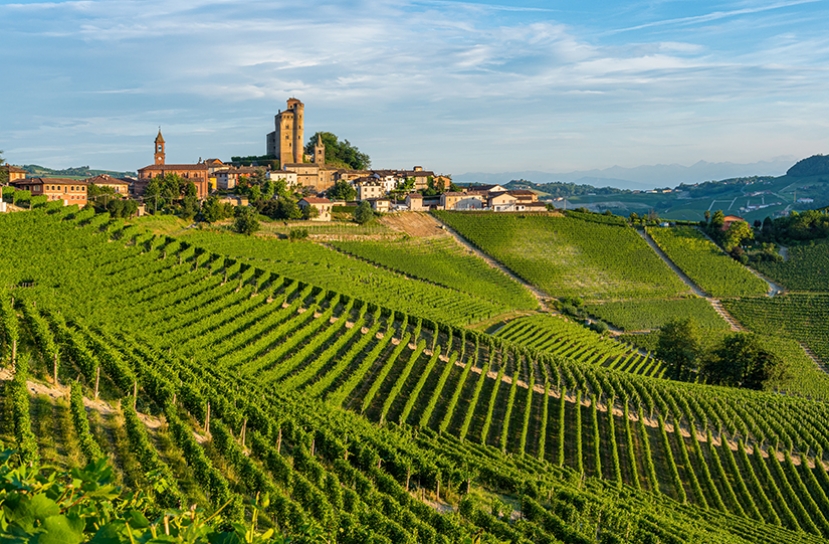
Wine professionals and consumers share a similar aspiration when they visit a wine region; they want to enjoy the area’s best dining experiences so they can pair their favorite local wines with the territory’s typical food offerings.
While commonplace throughout Italy, this situation is nowhere more prominent than in Piedmont, especially in the region’s southern Langhe district. Lunch or dinner in the Barolo and Barbaresco production zones here is more than a simple pleasure; this is wine, and food pairing elevated to an art form.
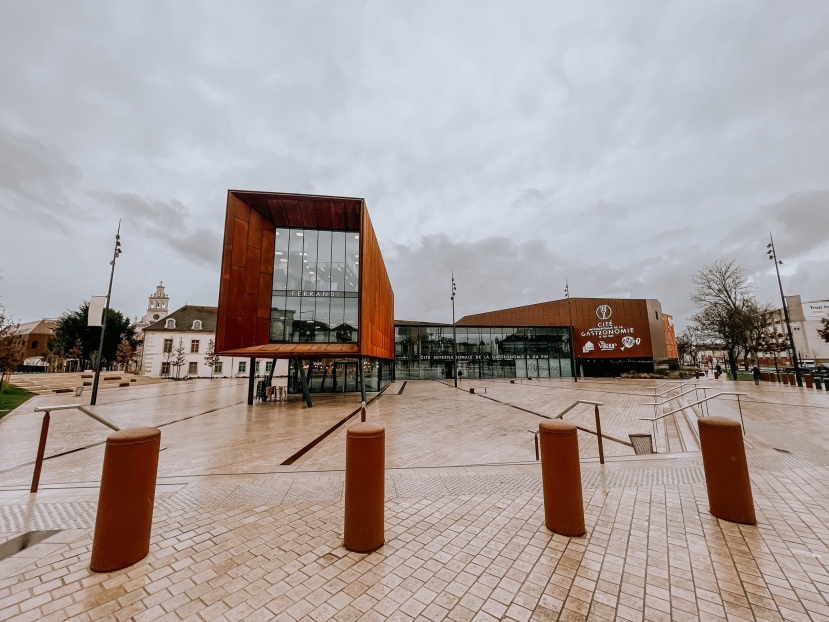
Uncovering the Secrets of Burgundy's Winemaking Tradition through Immersive Exhibitions, Workshops and Tastings...
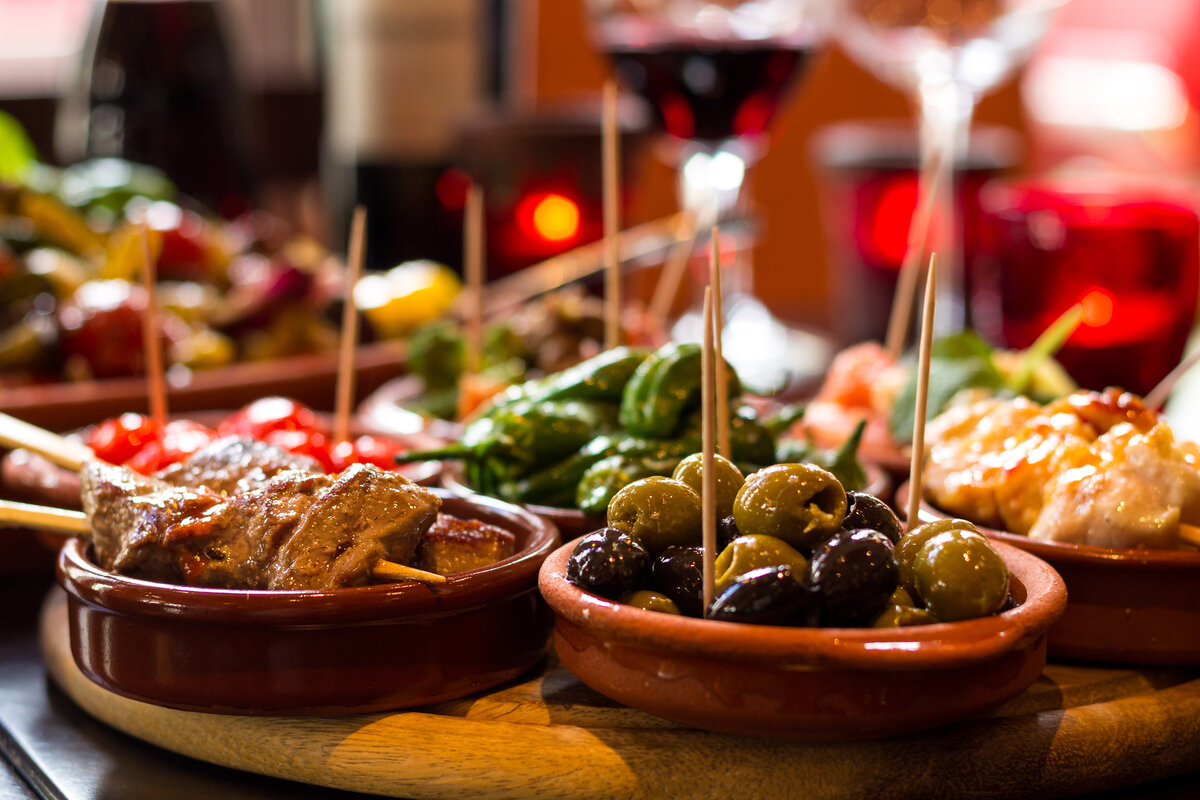
There is a man in Logroño’s Calle Laurel who makes garlic mushrooms. It’s the one and only thing on the menu, not that there is a menu. Griddled mushrooms, served on toast, drowning in garlic butter with a small slice of prawn on top. They are miraculous. I think about him and this bar often, as I lurch between life crises, as I think he may possibly have discovered the ultimate secret to a life of happiness and contentment. For me, this dish in this place is
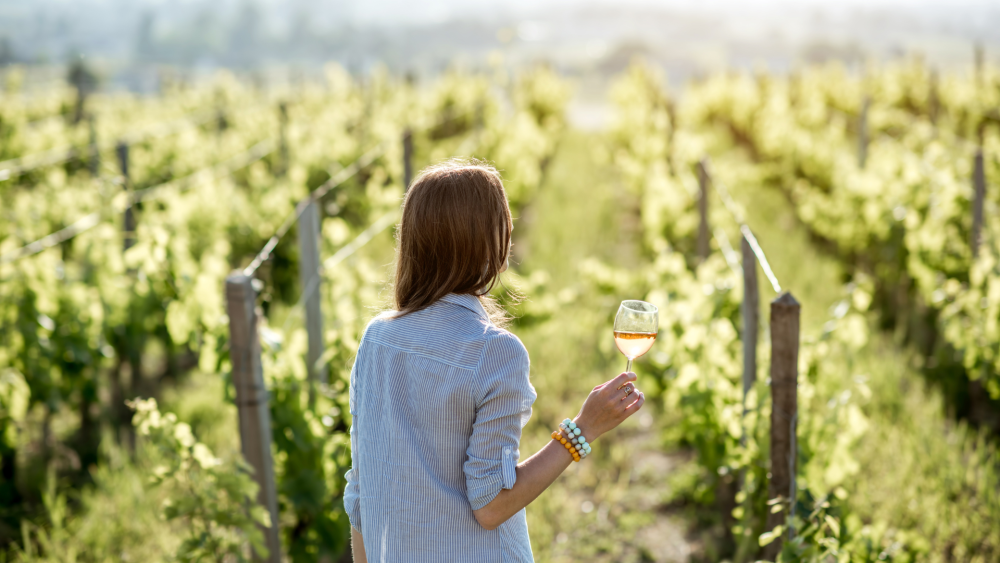
In a world where wine has evolved from a drink to a culture, understanding what’s in your glass goes beyond mere taste—it’s about appreciating the stories, landscapes and craftsmanship behind each label.

The best thing about studying wine is the moments that call into question every “truth” you think you know. These are the tiny lightbulbs that impel questions to be asked, that engender reflection and that ultimately serve as the springboard to a deeper understanding of wine. It is often the interaction of wine and food that delivers these teachable moments for me—when I am relaxed, not hurried, and free to ponder at will. This series of blog posts shares my memorable discoveries about what happens when wine meets food. Read part 2 and part 3.