
BLOG
modern wine tasting
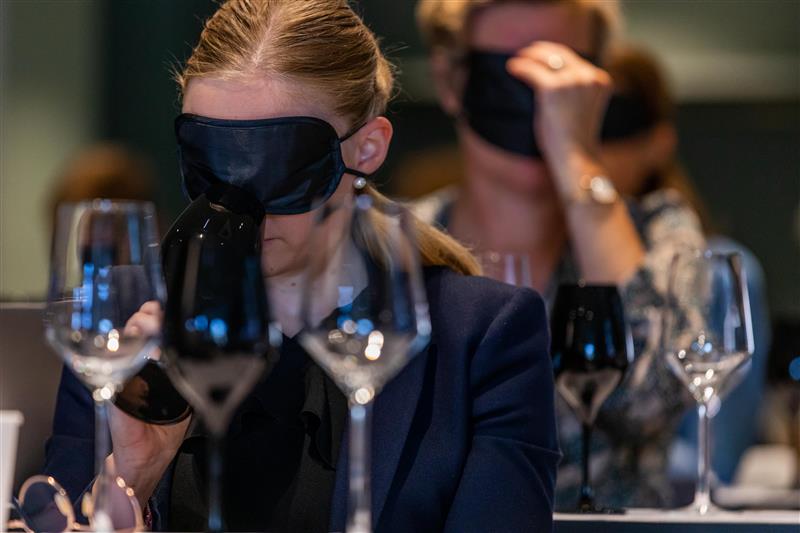
Picture a wine student in an exam, glass in hand, working methodically through the grid: clarity, intensity, aroma, palate, structure. She's been trained to be objective, to leave her biases at the door, to divide the whole into its component parts: acidity, tannin, fruit, oak—and reassemble them into a neat summation. She might even get the ‘right’ answer, but has she actually tasted the wine?
This scene plays out in tasting rooms and wine schools around the world, every day. It's the foundation of modern wine education: systematic, analytical, replicable. And for certain purposes—building vocabulary, developing sensory memory, passing standardized exams—it works. It corresponds perfectly to the reductionist paradigm from which it springs. And yet, something essential is missing. Wine becomes an object to be decoded and dominated rather than an experience to be lived and moved by. The taster becomes a technician rather than a participant.
What happens when the very act of tasting wine no longer keeps pace with the wines themselves? What if the way we teach tasting is no longer fit for purpose—not for students, not for wines and certainly not for the future of wine culture?
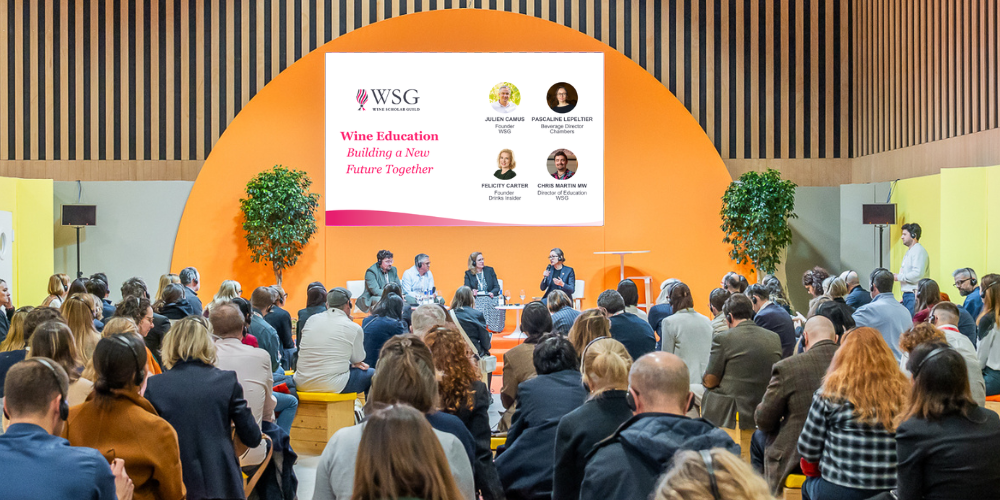
This article explores themes connected to the panel discussion led by WSG at Wine Paris on February 9, 2026.
Wine is one of the most culturally rich, emotionally resonant traditions in the world. It connects people and place like few earthly things can. Yet the wine industry finds itself on the edge of a precipice. Declining consumption, shifting demographics, climate chaos and fierce competition from spirits and non-alcoholic alternatives all call wine's future into question. External forces aren't the only culprits. Within the industry, wine education itself has unwittingly become part of the problem—actively contributing to the disconnect between wine and the people who might love it.