
BLOG
viticulture
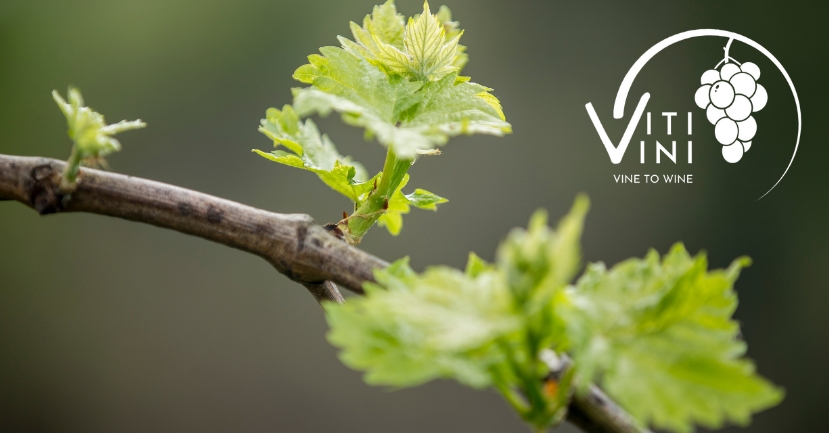
After frost season, bloom (flowering) is the first real milestone of the vintage. Harvest follows approximately 100 days after this event. Now that the growing season is in full swing, weather has real repercussions for how the vintage shapes up.
Grapevines have what are known as “perfect flowers.” They have both male and female parts; they self-pollinate. This means that they do not need insects such as bees for pollination to occur (as is common in many other fruits), nor is wind necessary (as is common in some tree species).
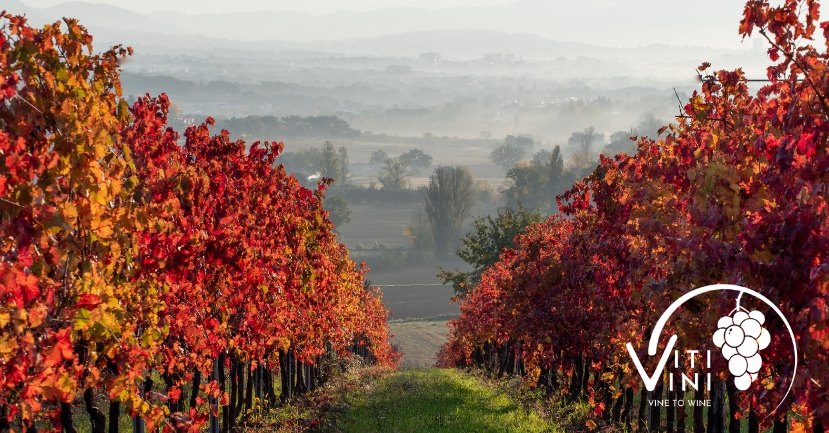
At the start of November, areas with long growing seasons are still wrapping up harvest, but most wineries in the northern hemisphere have brought their grapes into the winery. An exception to this rule is any fruit being left out for ice wine production.
Ice Wine ProductionGrapes destined for ice wine production must hang on the vine until temperatures reach a consistent 20°F/-7°C or below. Only at this point, can the frozen berries be harvested.
November begins with a lot of activity in the winery and ends with everyone taking a collective sigh of relief. The growing season is at an end and most wine production professionals can take a moment to reconnect with their families and friends and take a well-deserved vacation.
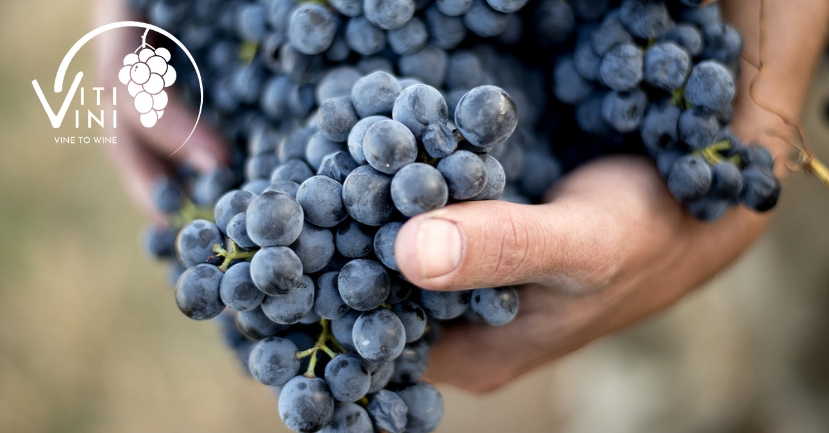
In October, most areas of the northern hemisphere are in harvest and going full out!
Many white varieties finish in early October. Although some reds (particularly early-ripening Pinot Noir) may have started harvest in September, generally, October is the month when most red varieties are picked.
In September’s post, we explored the harvest parameters for white grapes. The factors that a winemaker considers when picking red grapes are similar… flavor, acid, sugar, etc. However, there are two key harvest parameters that are more important (and impactful) for reds than whites: tannin ripeness and anthocyanin accumulation (color).
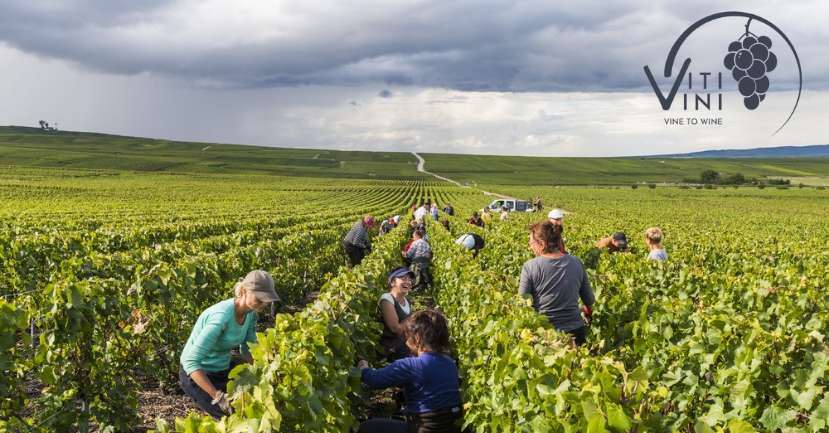
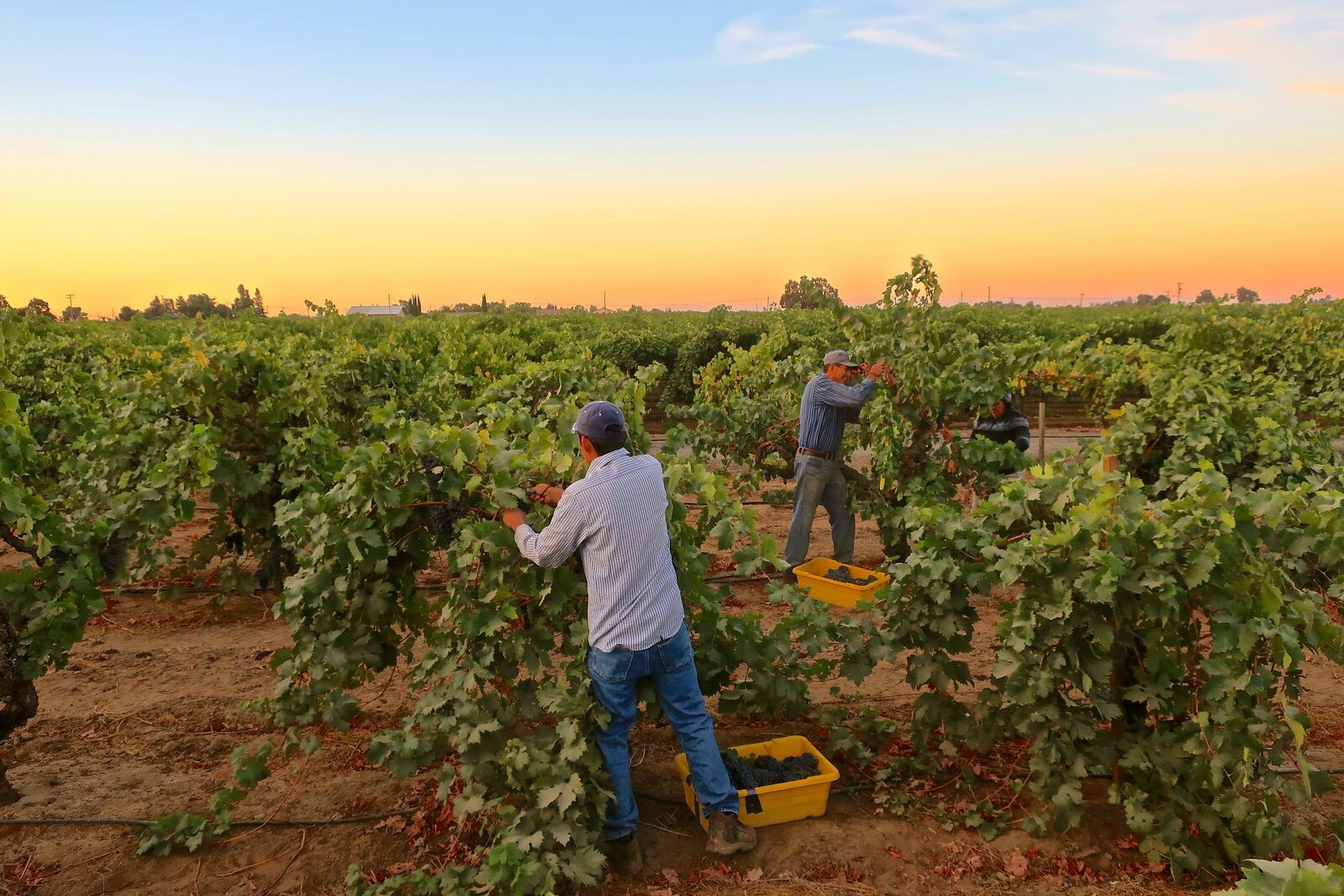
Now that fall has arrived, winemakers turn their attention to the harvest. In most of the northern hemisphere, harvest usually begins by the middle of this month, if not earlier. It is an exciting time. The culmination of all the hard work in the vineyards is realized in the moments the grapes are picked. Vineyard managers can relax now, but the winemaker’s job is just getting started.
WSG is proud be the first Educational Partner of The Old Vine Conference. Read more to find out how this dynamic non-profit organization is actively creating a global network of old-vine disciples while raising awareness through education.
The economic and social relevance of old vines is real, but the structure of the global wine industry stacks the odds against the regenerative commercial viability of old vines. The result is that healthy old vineyards of cultural resonance and unique qualitative potential are lost because they can’t be made to pay.
The Old Vine Conference is a non-profit organisation whose aim is to bring together a global network to create a new category for wine from heritage vineyards. The Old Vine Conference works to safeguard old vines of cultural and ecological value by connecting, educating and inspiring the global wine industry through conferences, research, partnerships, tastings and fieldtrips.
Old vines are officially a thing.