
BLOG
winemaking
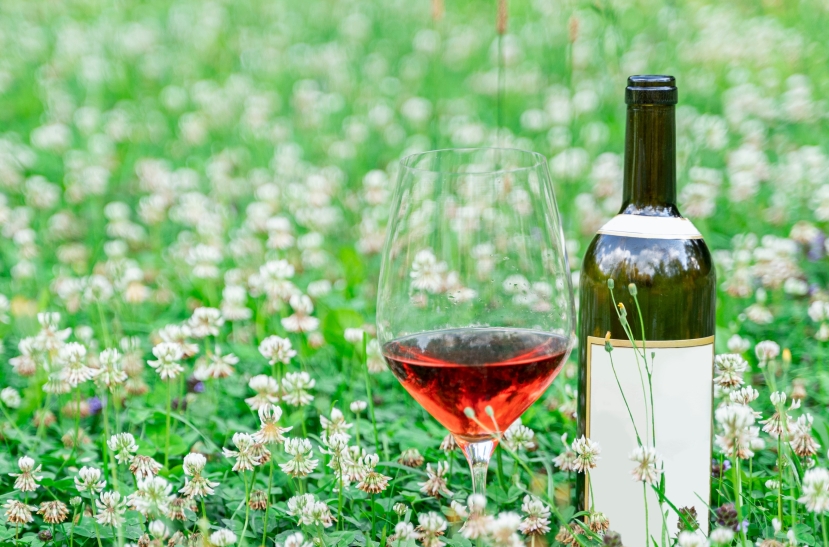
Wine is fermented grape juice…in theory. However, in practice, modern wine may be made by using a wide array of compounds aimed at facilitating the winemaking process, enhancing the product’s organoleptic qualities, or simply fixing problems before or after they arise.
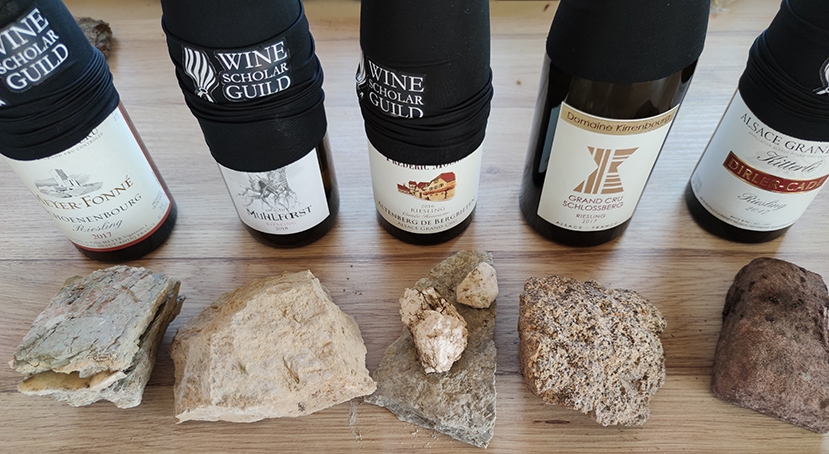
Is a wine horizontal or vertical? Square or round? Hollow or dense? Relaxed or tensed? Grainy or smooth? This is a small sample of GeoSensorial Tasting vocabulary — a method that seeks to empower the taster to feel, interpret and give voice to wines of place.
By focusing on mouthfeel and assessment criteria such as energy, salivation, geometry, texture and consistency, this methodology helps you to better understand the nuances that a specific terroir, among other factors, brings to wine and helps you to express those nuances. It puts light on how, for example, Chenin Blanc wines from the schist soils of Savennières, the tuffeau of Saumur and the flint-clay and limestone-clay of Vouvray differ from one another. Quite an ambitious undertaking!
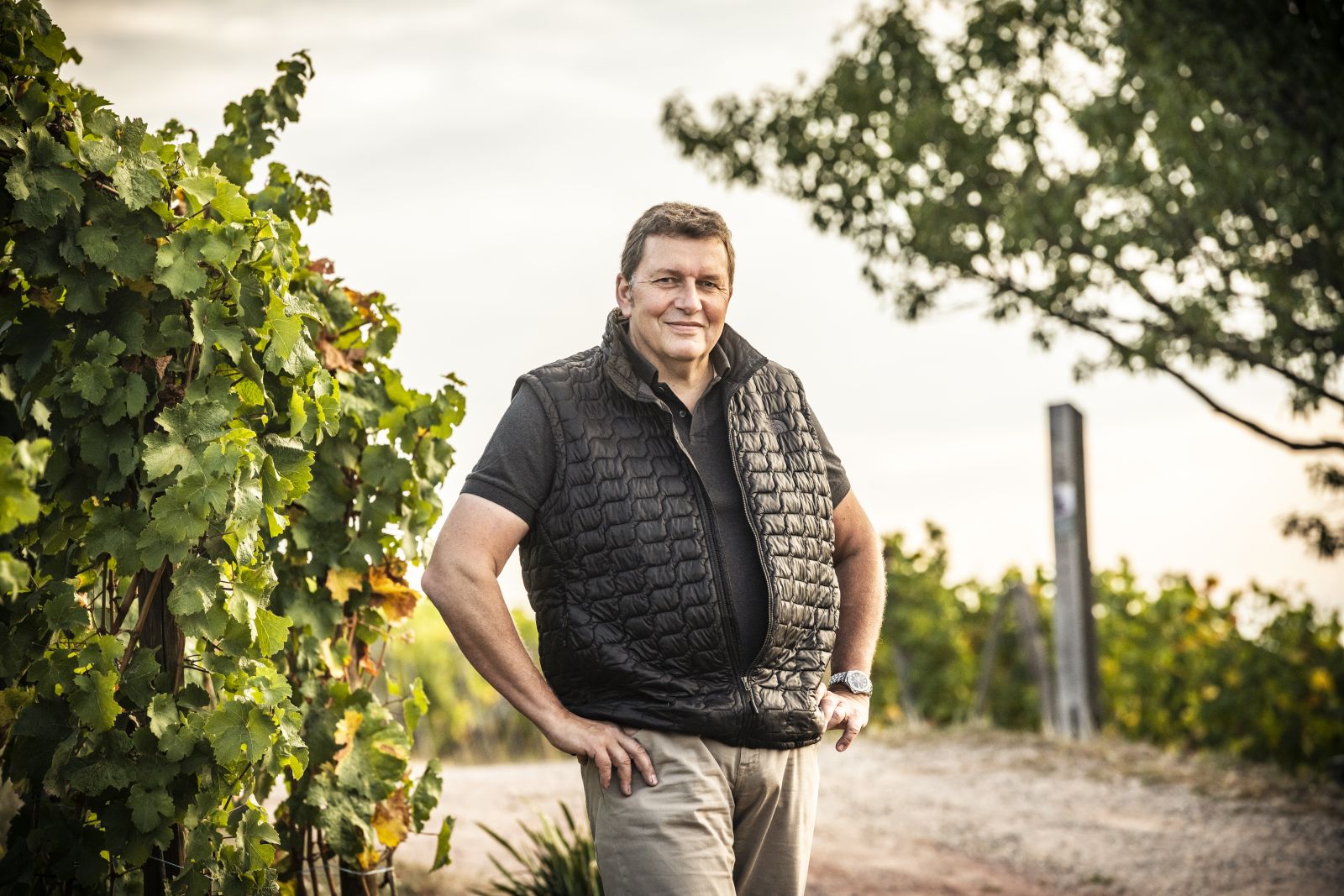
Olivier Humbrecht MW is one of the most influential winemakers of Alsace. Matt Walls speaks to him about his journey so far, taking in changing styles, biodynamics and the future of the region.

The term natural wine conjures a plethora of reactions. To some it symbolizes a cultural movement towards honest winemaking, to others it is merely a fad for funky wines. The term is as vague as it is vast.
There are some who believe natural should refer only to zero-zero wines (wines that have no added sulfites and apply a minimalist winemaking approach). However, the term is more generally understood as an umbrella status which encompasses any wine made with an attention to the ecosystem and biodiversity, low intervention vinification, and an authentic representation of terroir.
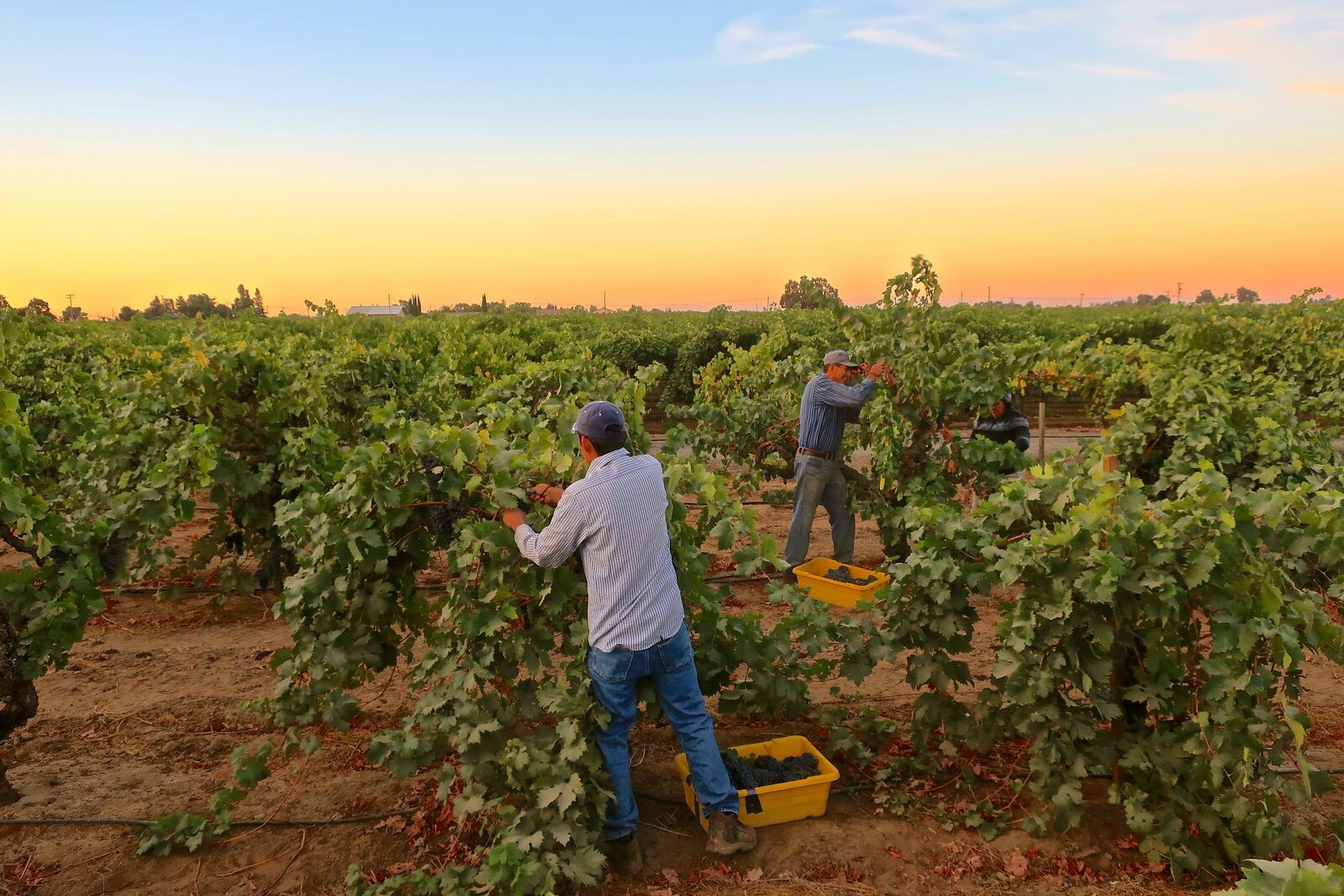
WSG is proud be the first Educational Partner of The Old Vine Conference. Read more to find out how this dynamic non-profit organization is actively creating a global network of old-vine disciples while raising awareness through education.
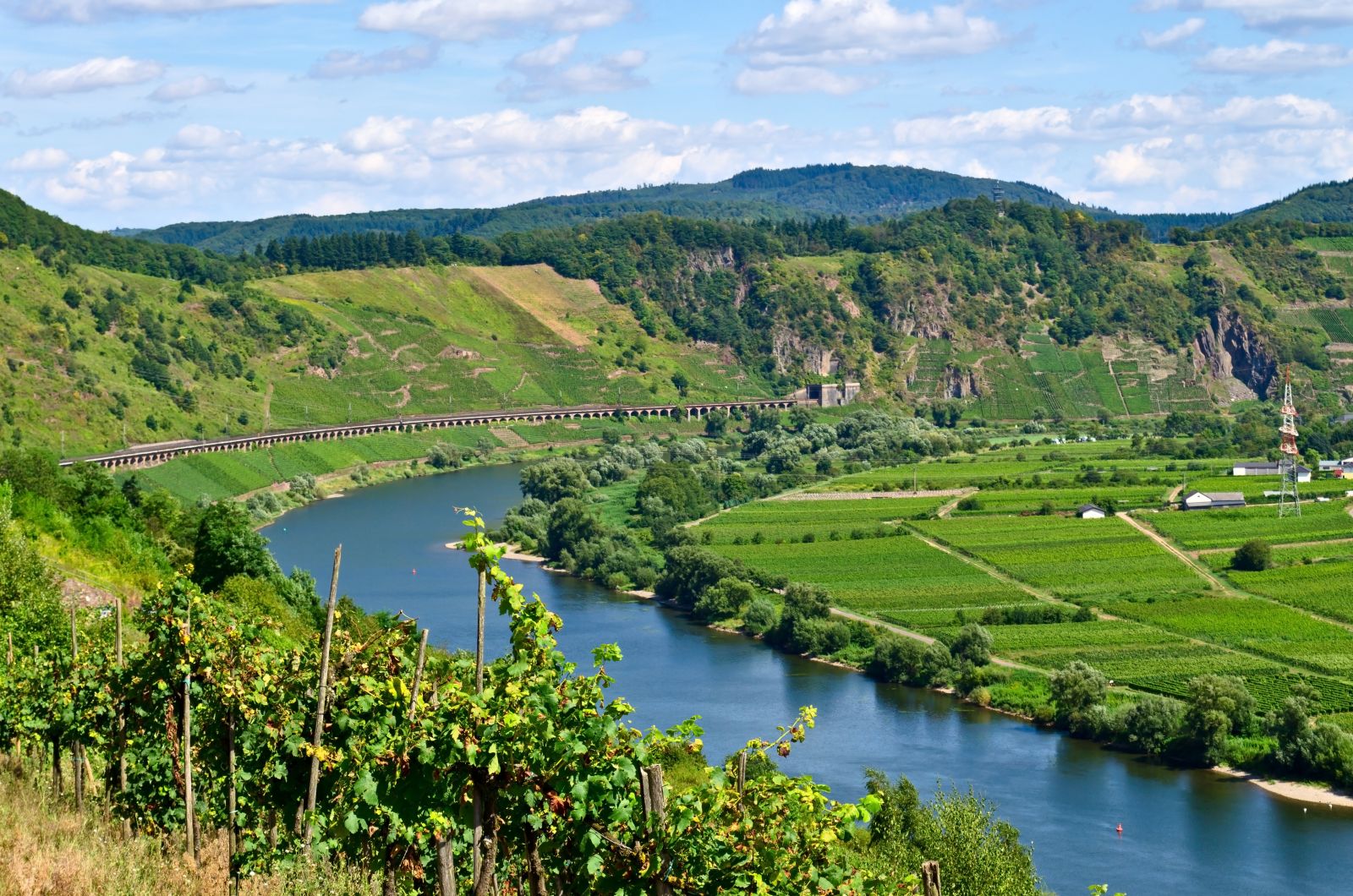
Germany’s most mythic and misunderstood wine region has always balanced on a knife’s edge. Today is no different. Only the elemental forces have changed. To understand the Mosel requires an appreciation of what animates — and challenges — it. There is a sense of urgency to preserve what has long felt timeless and immutable, but is proving all too susceptible to market and climate shifts. Overall, the current dynamic is one of pressured if positive convergence. There are peerless steep slopes where growers set global benchmarks for Riesling. There are forgotten side valleys. There is virtuosic skill honed over generations. There is raw, fresh talent. For decades, these existed in a hierarchy of tested value. Today, the deck is shuffled. Wines from a 14th-century estate may be as coveted as those of a start-up. In some cases, the ancient winery and the start-up are one in the same.
With warmer weather, bud break comes quickly. The tiny buds swell and then quickly reveal small, fuzzy, green leaves as the shoot primordia begin to elongate. These shoot primordia will become fully developed shoots over the next few weeks!
Although the exact timing of bud break varies from location to location and from year to year, cooler growing areas can have bud break as late as May; warmer regions as early as March. Either way, bud break officially starts the new vintage for the vines!
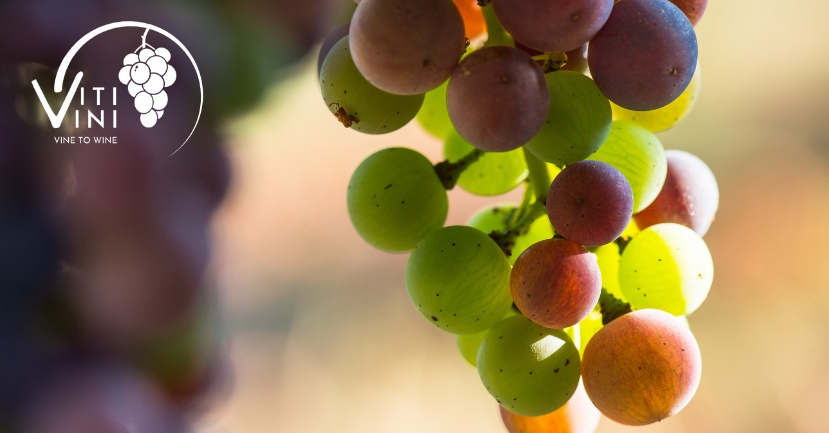
August is the calm before the harvest storm. Vegetative growth has slowed considerably and, in some climates, stopped completely due to water stress. The vine now turns its efforts to ripening the fruit that it has developed earlier in the season. Although the berries are close to their final size, the skins will begin to thin, change color, and gain considerably more weight as they fill with sugar produced by the leaves. In climates that experience rain during this period, splitting becomes a risk.
Finally, we have reached the end of the winemaking year.
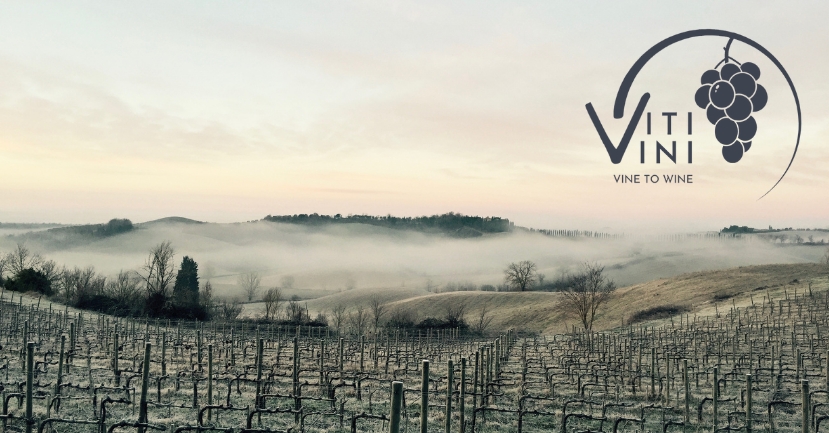
In the vineyard, soil health is a common topic of discussion now that the vines are dormant. This is a great time to dig soil pits and send samples off to discover more about the composition of the soil layers around the root system of the vines.
Soil pH plays a large part in the health of a vineyard as it controls nutrient uptake. Even if the soil contains plenty of a particular nutrient, if soil pH is wrong, that nutrient might not be available in a form that the plant can use. This can lead to micronutrient deficiencies or toxicities. For this reason, it is very important to manage the soil pH.
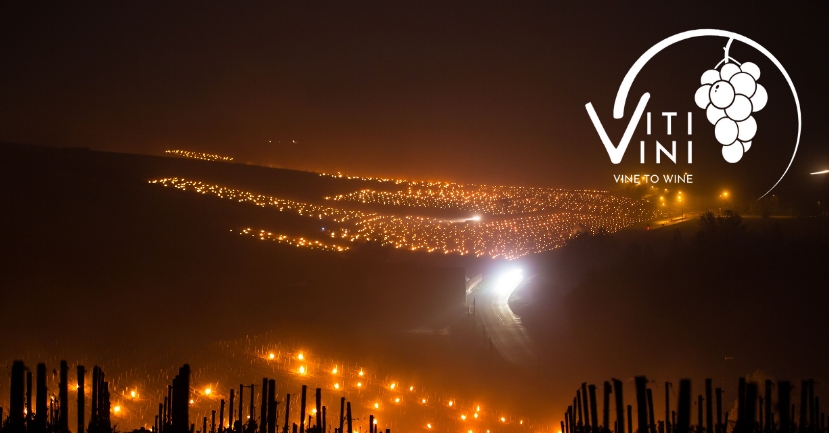
February is still a relatively quiet time in the vineyard. Pruning continues in warm climates while in cold climates it may not begin until March or later. This is primarily due to the risk of winter bud kill. Different varieties have different tolerances for cold. February, in the northern hemisphere, has historically been the coldest month in the calendar year and a cause for worry.
WSG launches “Vine to Wine,” an exciting, new blog series that will chronicle what is happening in the vineyard and in the winery each and every month of the calendar year. Nova Cadamatre, MW and winemaker, will author these authoritative and detailed posts drawing upon her studies (Cornell Viticulture and Enology graduate) as well as her winemaking experience in California, China and the Finger Lakes.Each “Vine to Wine” installment will detail that month’s vineyard and winery tasks with deep dives into a particular grape growing or wine making topic such as pruning methods and training systems or barrel aging and fermentation vessels.The series is designed to give wine students and educators an opportunity to develop or hone their technical savvy.
January is a very quiet time for the winery in the northern hemisphere. It is the in between time when the last vintage is quietly waiting in maturation and the next vintage has yet to start. In cold climates, all eyes are still on the weather to ensure that the depths of winter do not bring damage to the dormant buds. The buds hold the entire shoot and cluster primordia (more on this in February’s post) for the new vintage and each variety has a different tolerance to the cold… so monitoring the risk of damage is very important.
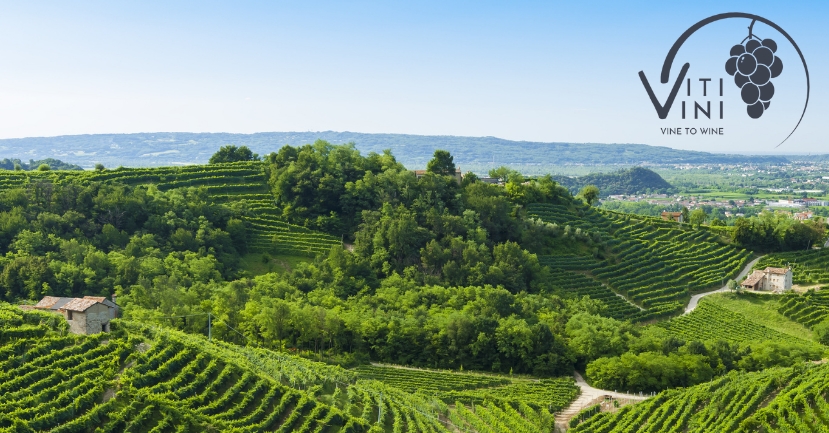
By July, the period of rapid shoot growth is over. The vine has now created all the leaves needed to ripen its fruit. In wet climates, shoot growth may continue but at a much slower pace. In dry climates, shoot growth stops completely. In very dry areas, the tendrils on the shoot can even dry out completely!
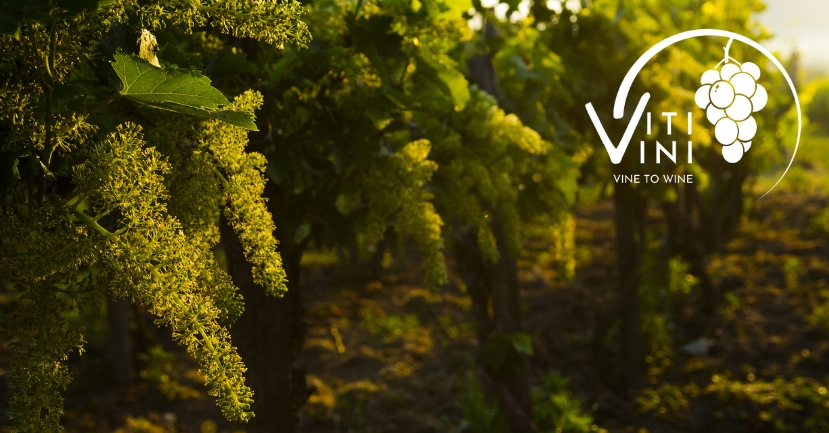
June is a time of great change in the vineyard. At the beginning of the month, the vines have short shoots with berries that have just set. By the end of the month, the shoots are almost fully grown and have discernable clusters. This is a period of rapid cell division for the berries. With regard to the clusters, the number of individual cells within each berry increases in preparation for the next phase of cell expansion (to be covered in July) when the final berry size is largely determined.
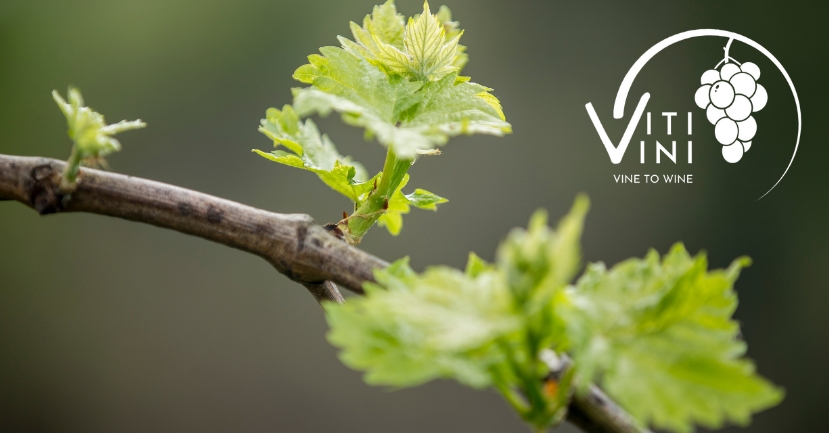
After frost season, bloom (flowering) is the first real milestone of the vintage. Harvest follows approximately 100 days after this event. Now that the growing season is in full swing, weather has real repercussions for how the vintage shapes up.
Grapevines have what are known as “perfect flowers.” They have both male and female parts; they self-pollinate. This means that they do not need insects such as bees for pollination to occur (as is common in many other fruits), nor is wind necessary (as is common in some tree species).
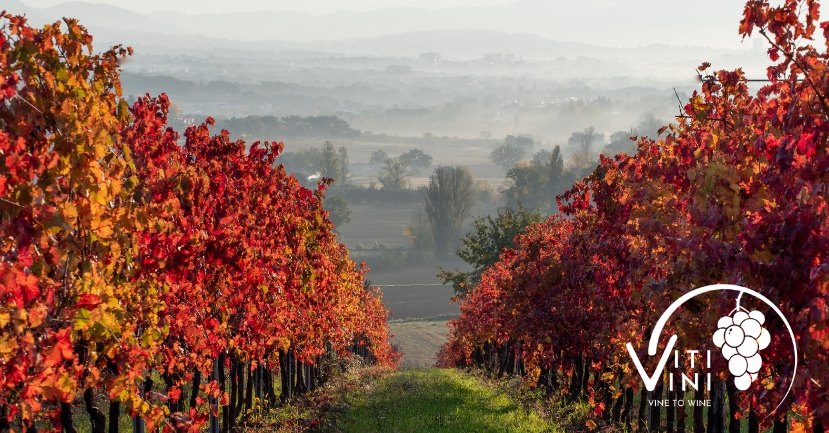
At the start of November, areas with long growing seasons are still wrapping up harvest, but most wineries in the northern hemisphere have brought their grapes into the winery. An exception to this rule is any fruit being left out for ice wine production.
Ice Wine ProductionGrapes destined for ice wine production must hang on the vine until temperatures reach a consistent 20°F/-7°C or below. Only at this point, can the frozen berries be harvested.
November begins with a lot of activity in the winery and ends with everyone taking a collective sigh of relief. The growing season is at an end and most wine production professionals can take a moment to reconnect with their families and friends and take a well-deserved vacation.
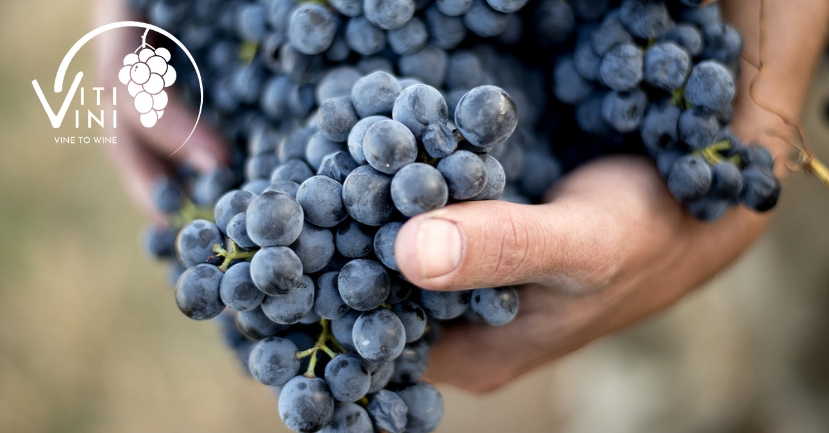
In October, most areas of the northern hemisphere are in harvest and going full out!
Many white varieties finish in early October. Although some reds (particularly early-ripening Pinot Noir) may have started harvest in September, generally, October is the month when most red varieties are picked.
In September’s post, we explored the harvest parameters for white grapes. The factors that a winemaker considers when picking red grapes are similar… flavor, acid, sugar, etc. However, there are two key harvest parameters that are more important (and impactful) for reds than whites: tannin ripeness and anthocyanin accumulation (color).
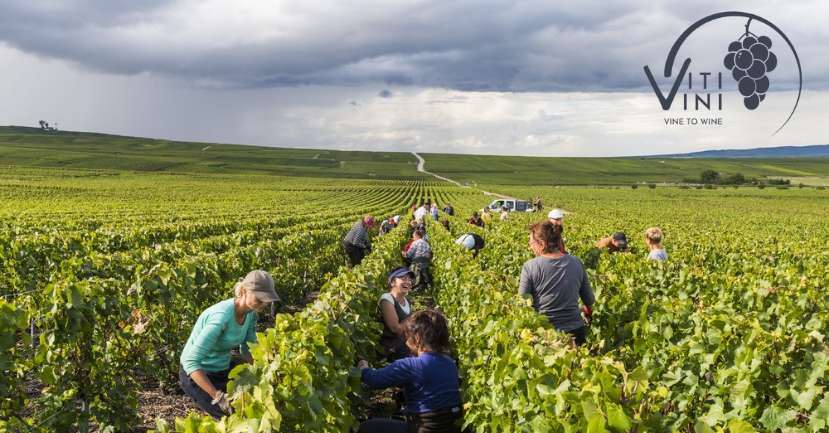
Now that fall has arrived, winemakers turn their attention to the harvest. In most of the northern hemisphere, harvest usually begins by the middle of this month, if not earlier. It is an exciting time. The culmination of all the hard work in the vineyards is realized in the moments the grapes are picked. Vineyard managers can relax now, but the winemaker’s job is just getting started.