
BLOG
Climate change
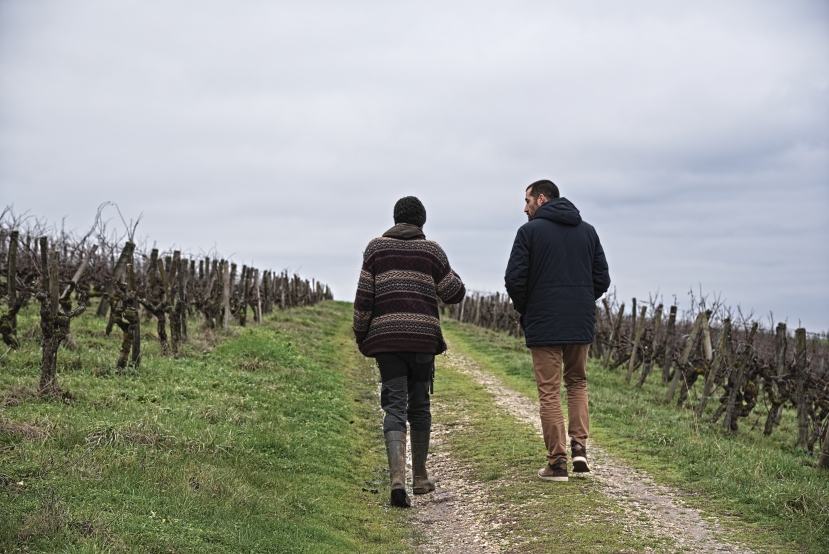
“We have a very particular history,” says Miguel Aguirre, vineyard manager at Premier Cru Sauternes estate, Château La Tour Blanche. “After his death, our last owner gave the estate to the French State asking to open a free school in return for his gift. That is why you see so many young people around here. Every year we get about 150 students who come here to learn about the wine trade and wine production.”
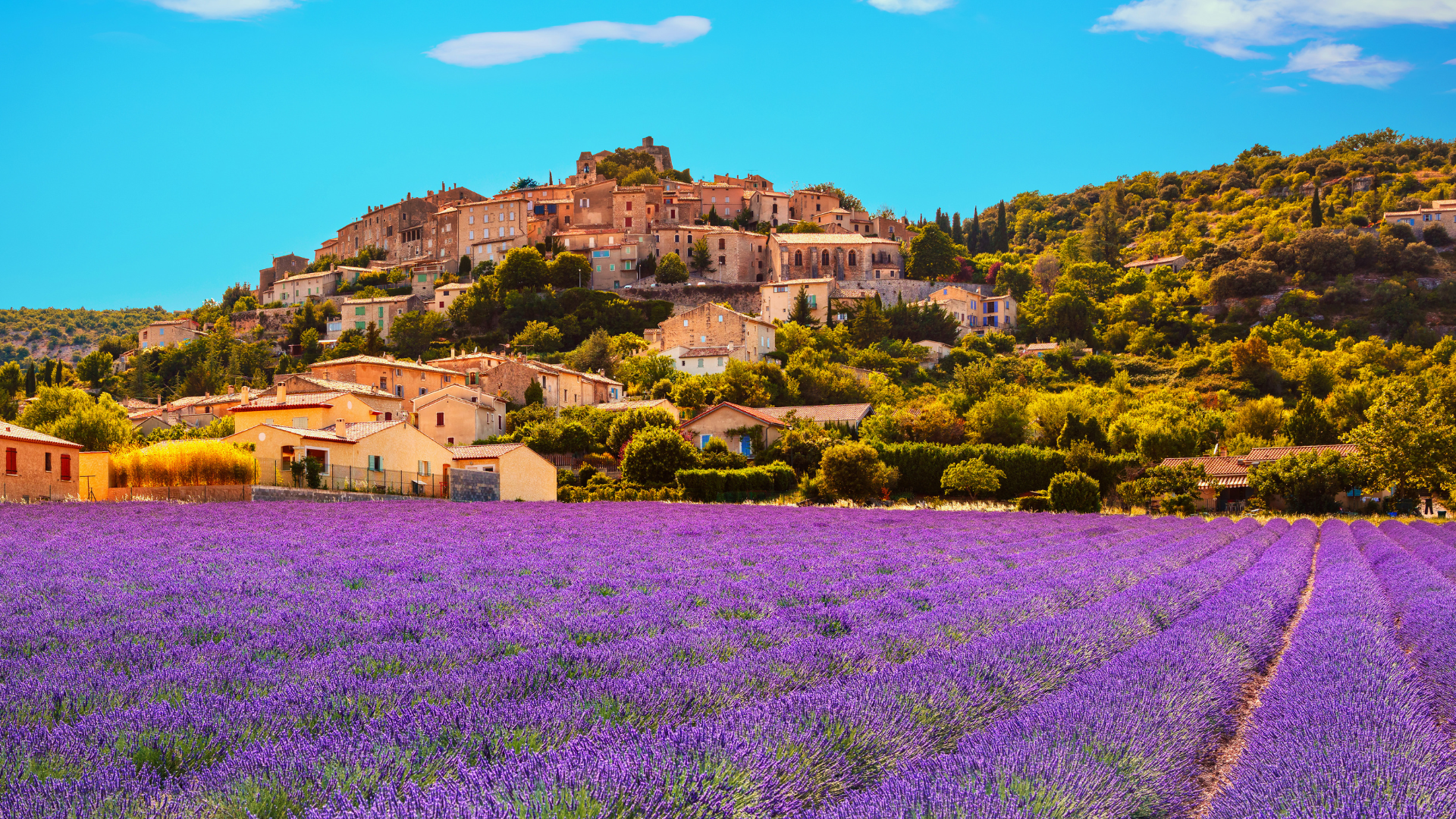
Dappled sunshine, joie de vivre holidays, and endless lavender fields are just the tip of Provence's appeal. The other is its world-famous rosé.
Everyone loves an underdog. And when the underdog emerges, bruised and battered but nonetheless victorious, these triumphs become powerfully motivational. Take the 2004 UEFA Cup Final, for example. Greece, one of this soccer tournament’s less-favoured teams, faced off against much-fancied hosts Portugal in Lisbon – and won. The victory of the team of ‘Greek Gods’ (as the newspapers soon named them) filled countless sport enthusiasts, myself included, with sentiments of hope and optimism.
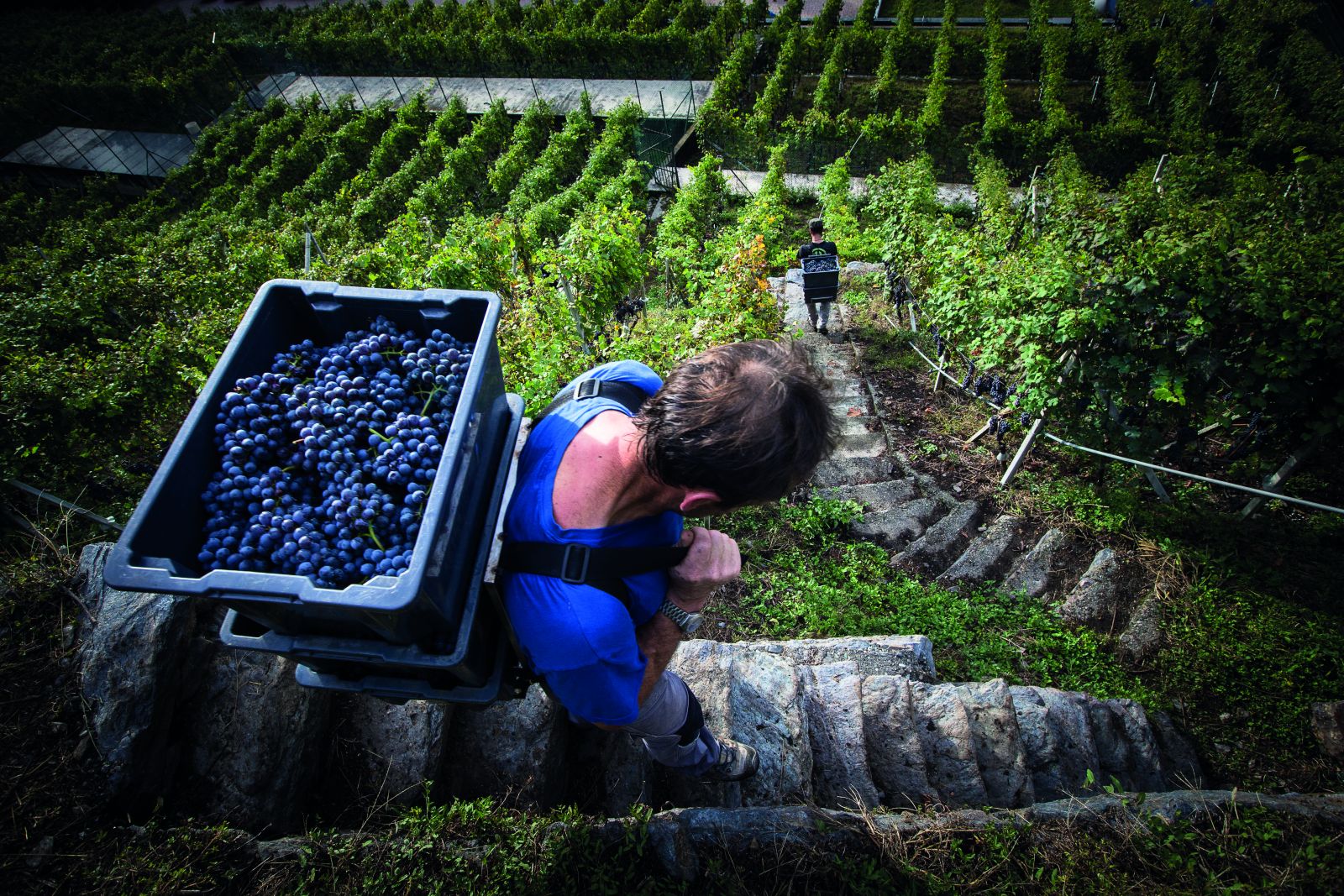
Matt Walls investigates the influence of altitude on the wines of the Italian Alps.
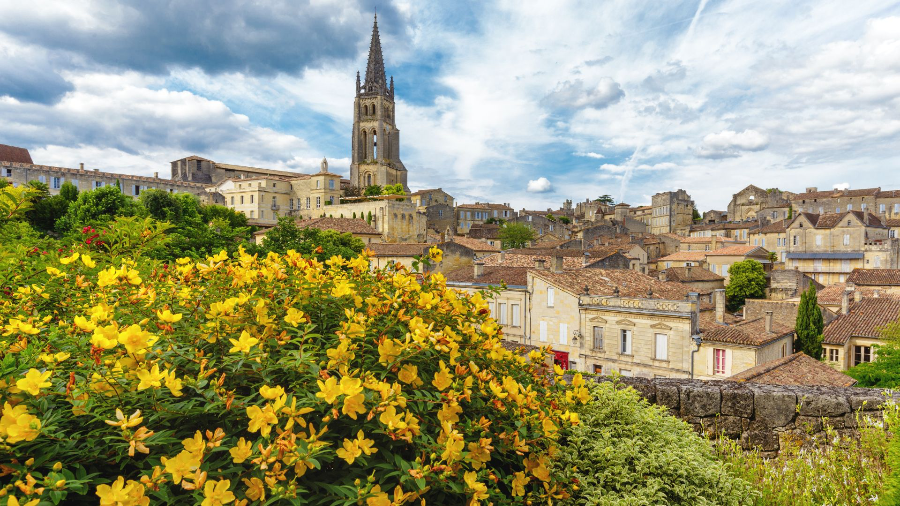
A History of innovation
There’s a long history of innovation in Bordeaux; introducing topping up and sulphur to produce the ‘New French Claret’ in the 17th century, solving Mildew with the Bordeaux mixture in 1878 to the introduction of stainless steel in the 1960’s, when Château Haut Brion was accused by its peers for producing wine made in a dairy!
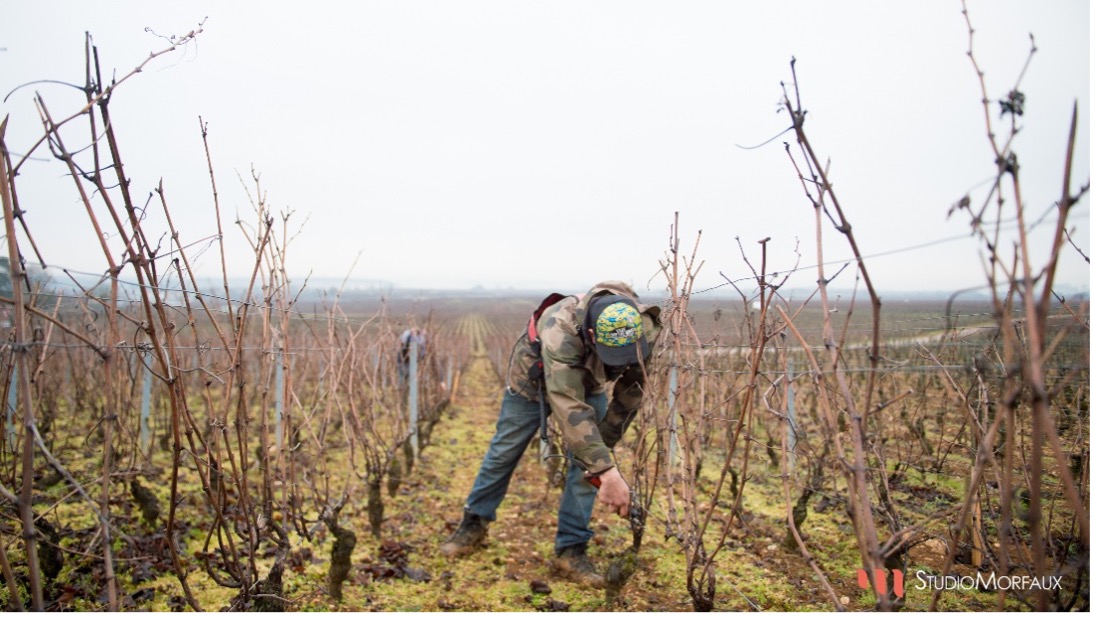
With increasingly unpredictable weather in the Côte de Nuits, Matt Walls wonders what the region will look like in 20 years’ time.
The past five years in Bourgogne have seen it all. From the hard frost of 2021, to the endless rains of 2024, then the scorching heatwave of 2025. What will the next 20 years bring? I asked some leading winemakers to look ahead and predict what 2045 might look like in the Côte de Nuits and beyond.
Where are we headed? This is a question which all of us have probably asked ourselves at some point during 2020, as a global pandemic unfolds chaotically across a planet experiencing runaway climate change. Both challenges have directly affected French wine growers, with trade tariffs imposed by the USA on European winegrowers forming a third stress-inducing headwind.
Read the Wine Journalist and Critic, Andrew Jefford’s Keynote Speech to the 2020 Vancouver International Wine Festival in this specially prepared written version for the Wine Scholar Guild blog. Andrew is happy to respond to any questions or comments you may have about this post. Use the "Comments" feature at the bottom of this page.
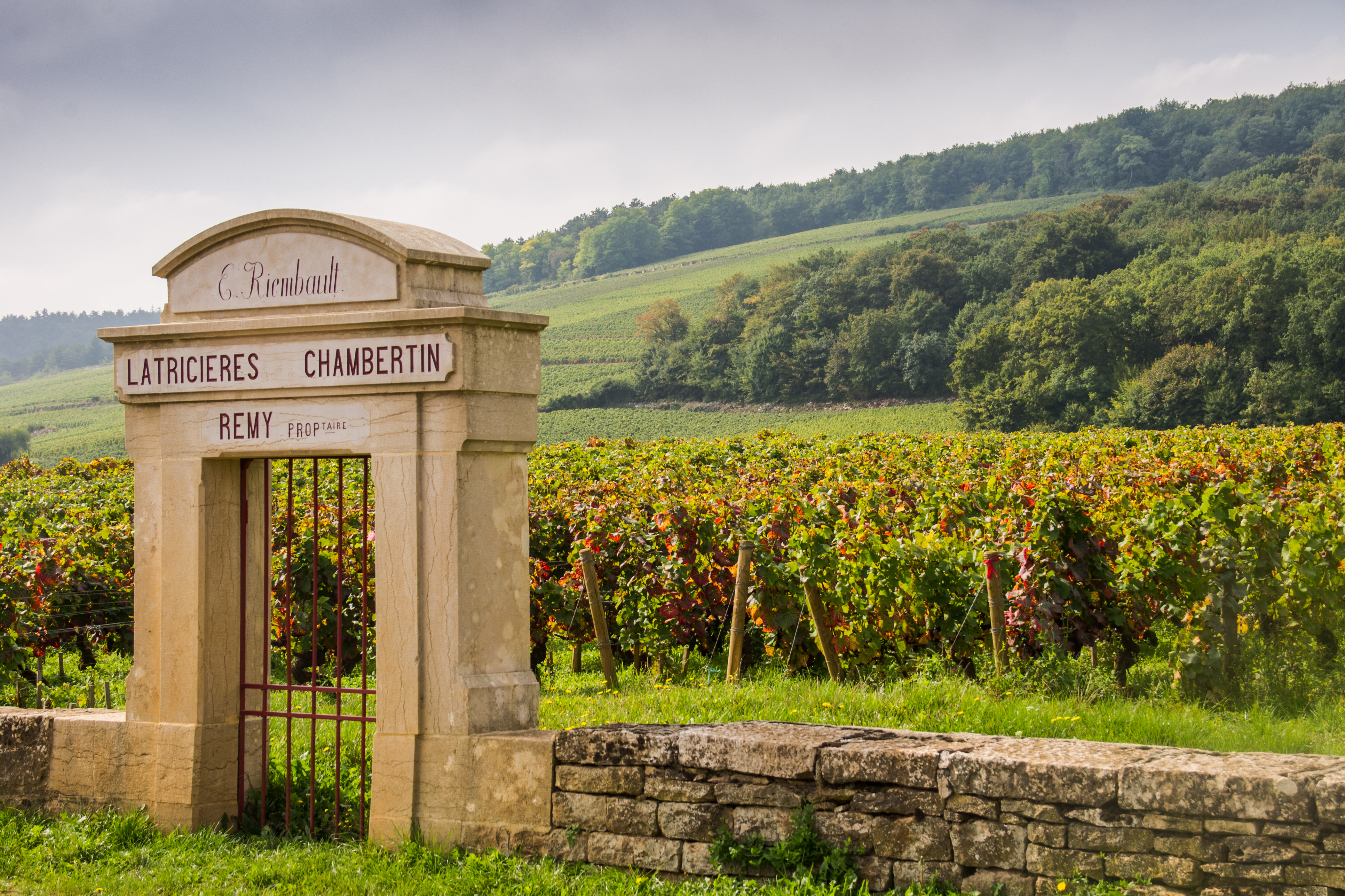
In 2024 Wine Scholar Guild proudly announced the Albert Sheen Memorial Scholarship in memory of our dear friend and dedicated wine traveler, Albert Sheen. The scholarship application invited applicants to discuss the challenges of climate change in Bourgogne. We received a number of truly exceptional submissions and thank all our participants for their in-depth essays and perspectives. The selection committee has selected Marek Zelewski and is pleased to share his winning essay below. Marek has been awarded a seat on our upcoming Bourgogne Masters Immersion taking place in May 2024.
Albert would have been honored to witness the positive energy and enthusiasm that this scholarship has ignited.
A medium-acidity, off-dry, full-bodied white with aromas of baked yellow apple, starfruit, mango and ripe pineapple, pronounced notes of lemon curd, vanilla and pie crust, paired with elevated alcohol lingering on the palate. While it sounds delicious if one’s looking for a fun wine substitute for a tiki cocktail, hardly anybody would place this Chardonnay on the map anywhere close to Burgundy. However, given the predicted increase in its average temperatures (1), fast forward to 2050 and it could well be a glass of Mâconnais. While certainly not great for those taking blind-testing exams, the consequences of climate change for the French wine industry will be way more far-reaching.
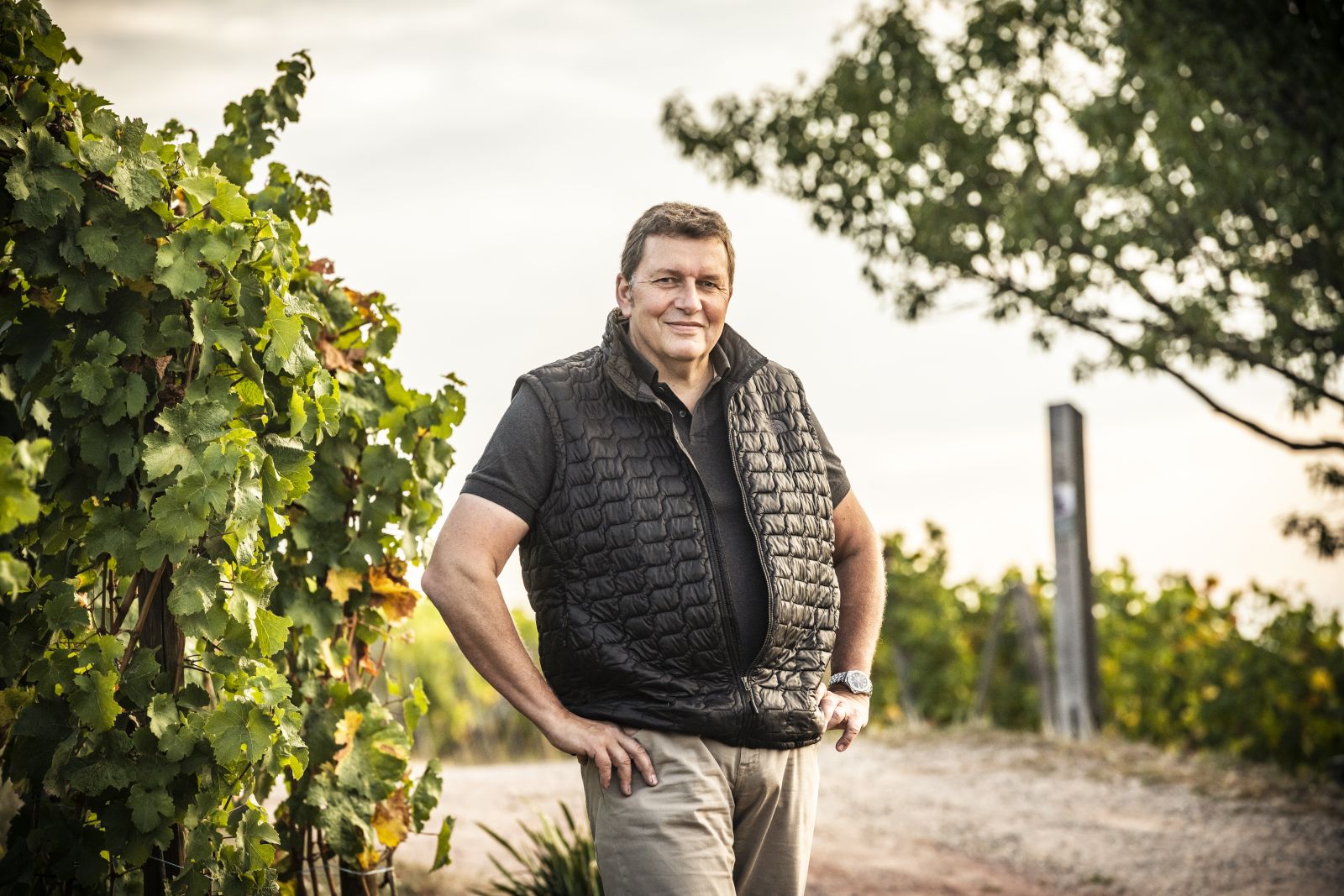
Olivier Humbrecht MW is one of the most influential winemakers of Alsace. Matt Walls speaks to him about his journey so far, taking in changing styles, biodynamics and the future of the region.
The loud pop, the lively bubbles; no wonder Champagne has long been associated with festivities. If the overarching brand could be reduced to one word, it would surely be this: celebration. This simple proposition, so easy to understand, has brought it huge success and popularity.
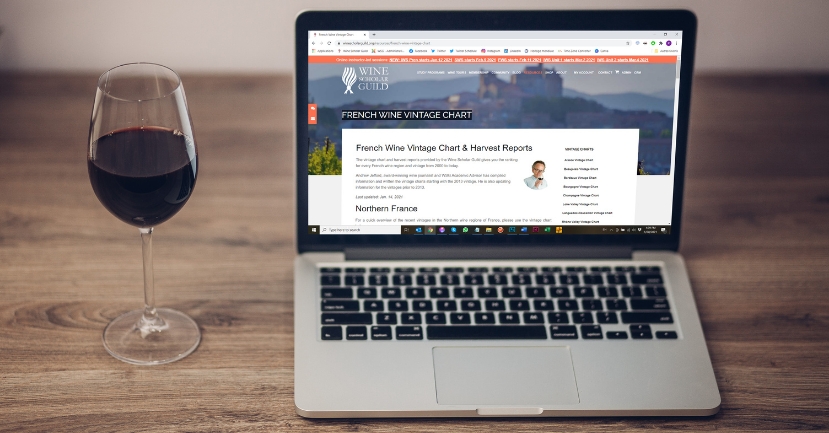
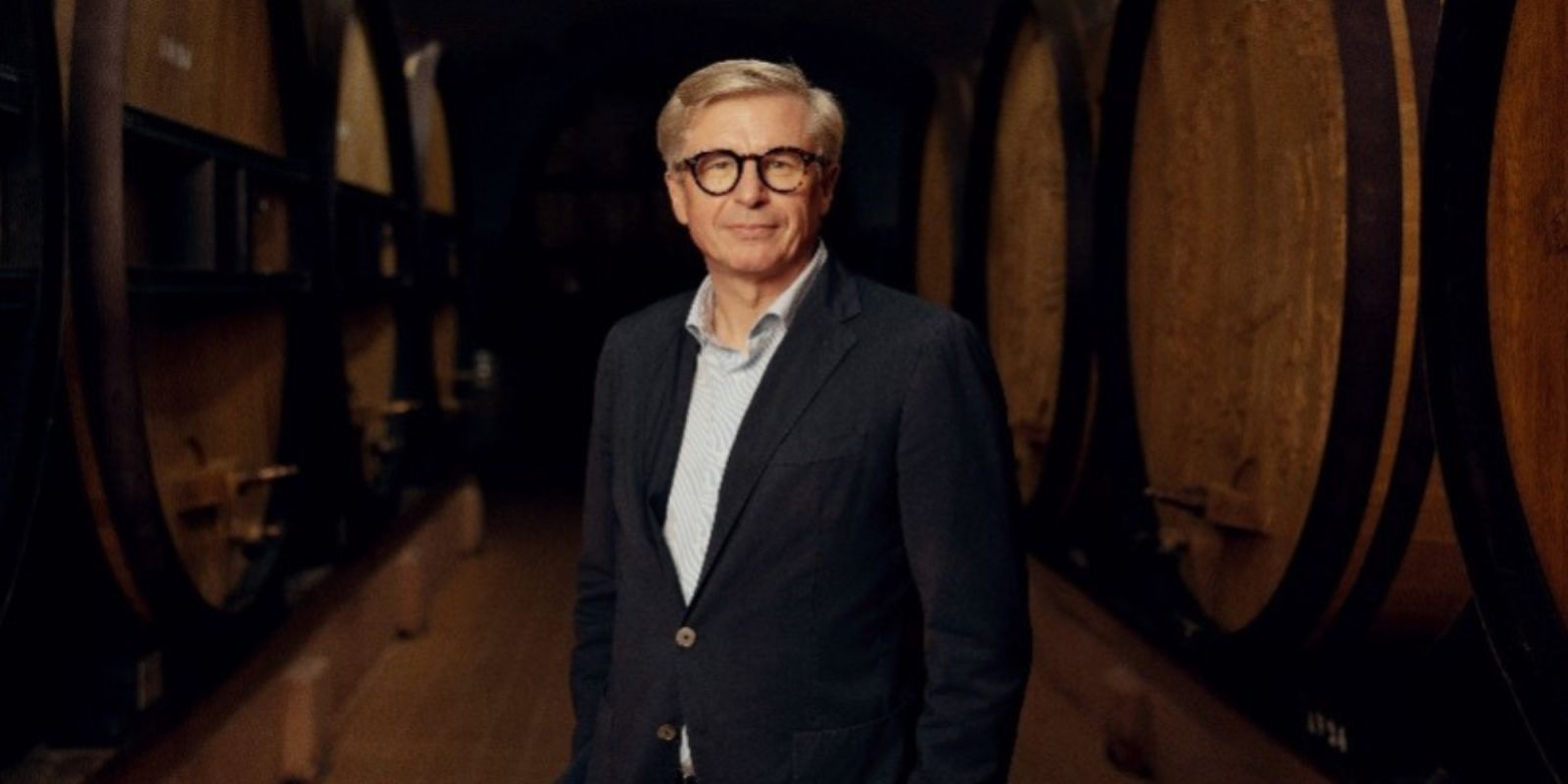
Andrew Jefford, award-winning author and columnist in every issue of Decanter and World of Fine Wine, Co-Chair Decanter World Wine Awards; Vice-Chair Decanter Asia Wine Awards, gives us his insight about the 2019 vintage in France.
The beat goes on. The 2019 vintage in France marked five continuous years (since 2015) of warmer-than-average weather. Global warming is with us and accelerating – but so far, for the wine growers of France, it has been merciful.
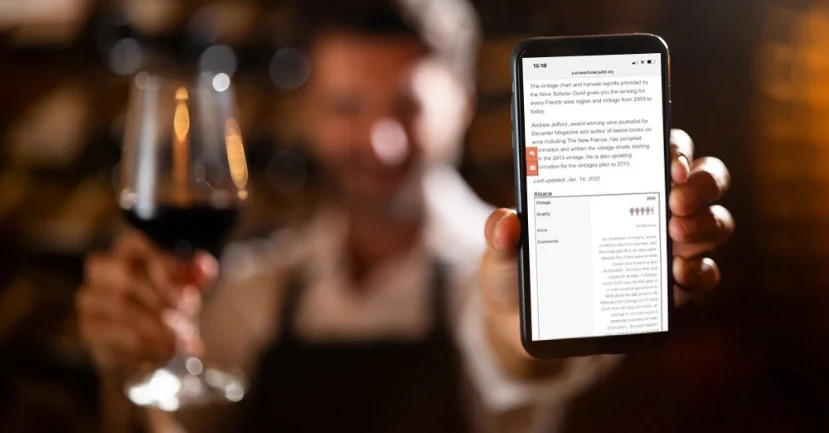
The 2022 vintage was, in general, a great year for France. Weirdly. Look at the data. It shouldn’t have been: the gauges for both drought and heat were often flashing red. What happened?
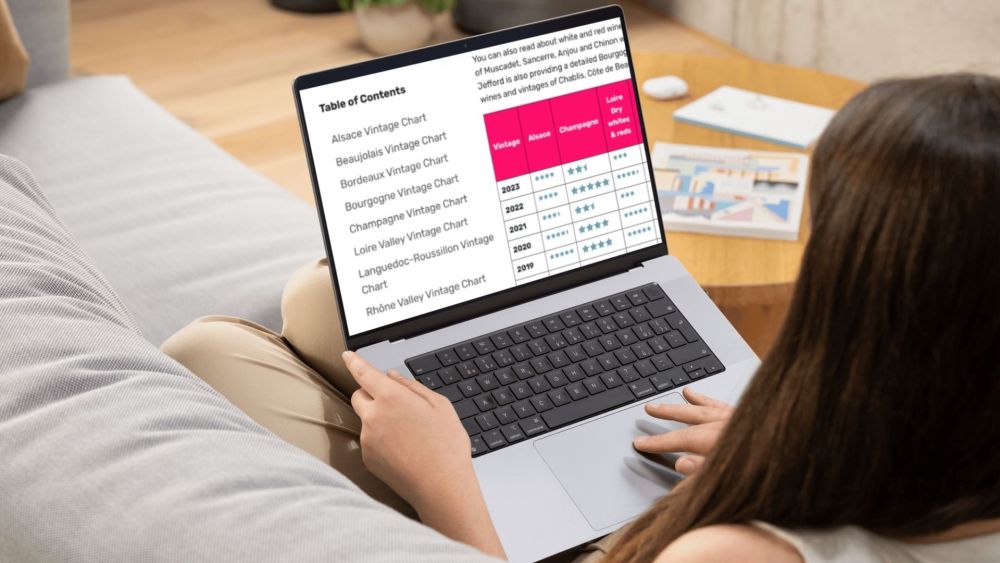
Was 2023 a good vintage in France? Or a bad one? It was both – and neither. The word that probably best sums it up is ‘chaos’; it was France’s most chaotic vintage since 2017. This is exactly what winegrowers should expect as we slide towards 2030, setting fire to the 2015 Paris Climate Agreement goals as we go. Climate change will, we know, bring climate chaos; 2023 offered a foretaste.
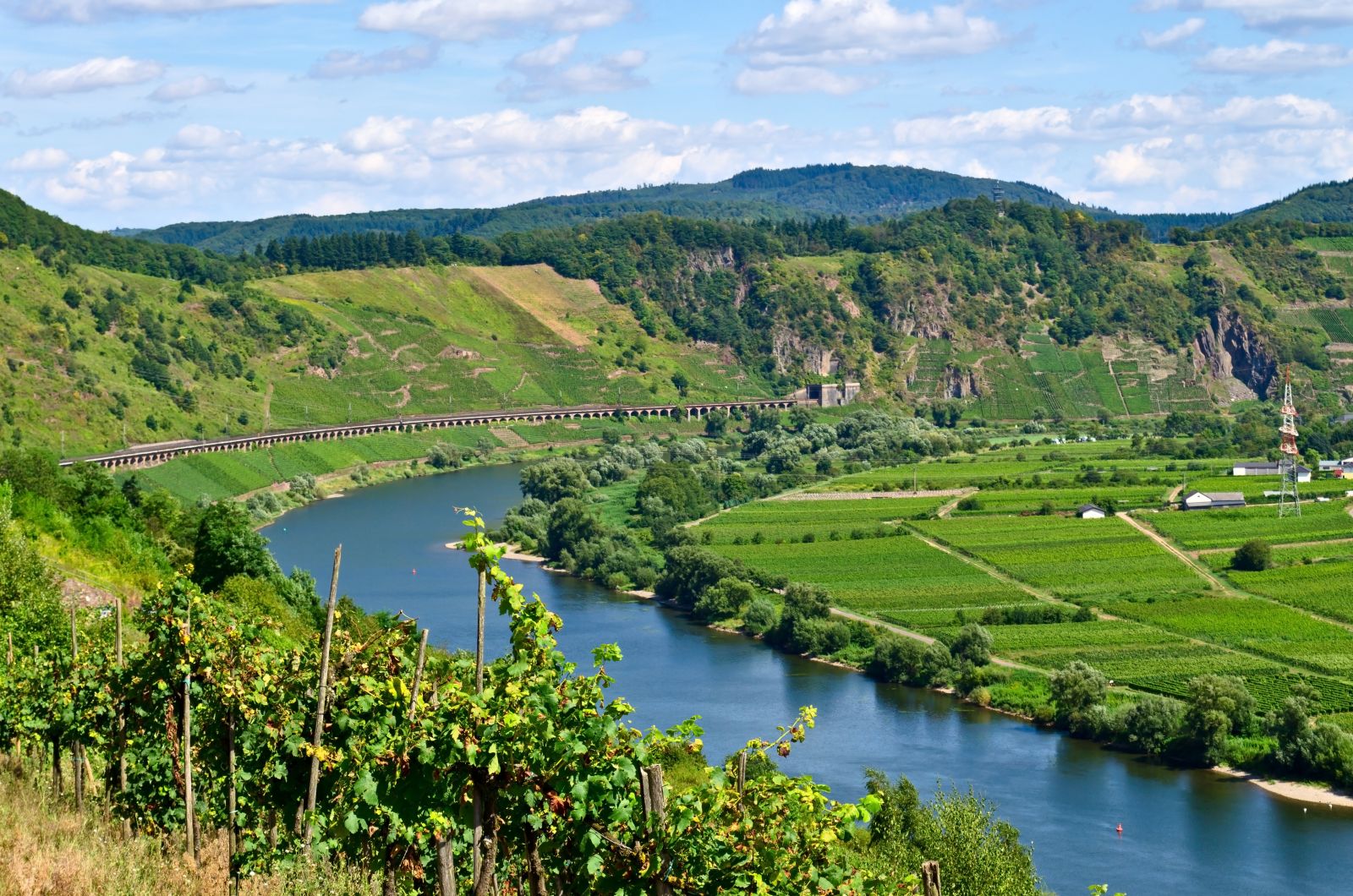
Germany’s most mythic and misunderstood wine region has always balanced on a knife’s edge. Today is no different. Only the elemental forces have changed. To understand the Mosel requires an appreciation of what animates — and challenges — it. There is a sense of urgency to preserve what has long felt timeless and immutable, but is proving all too susceptible to market and climate shifts. Overall, the current dynamic is one of pressured if positive convergence. There are peerless steep slopes where growers set global benchmarks for Riesling. There are forgotten side valleys. There is virtuosic skill honed over generations. There is raw, fresh talent. For decades, these existed in a hierarchy of tested value. Today, the deck is shuffled. Wines from a 14th-century estate may be as coveted as those of a start-up. In some cases, the ancient winery and the start-up are one in the same.

WSG is proud be the first Educational Partner of The Old Vine Conference. Read more to find out how this dynamic non-profit organization is actively creating a global network of old-vine disciples while raising awareness through education.
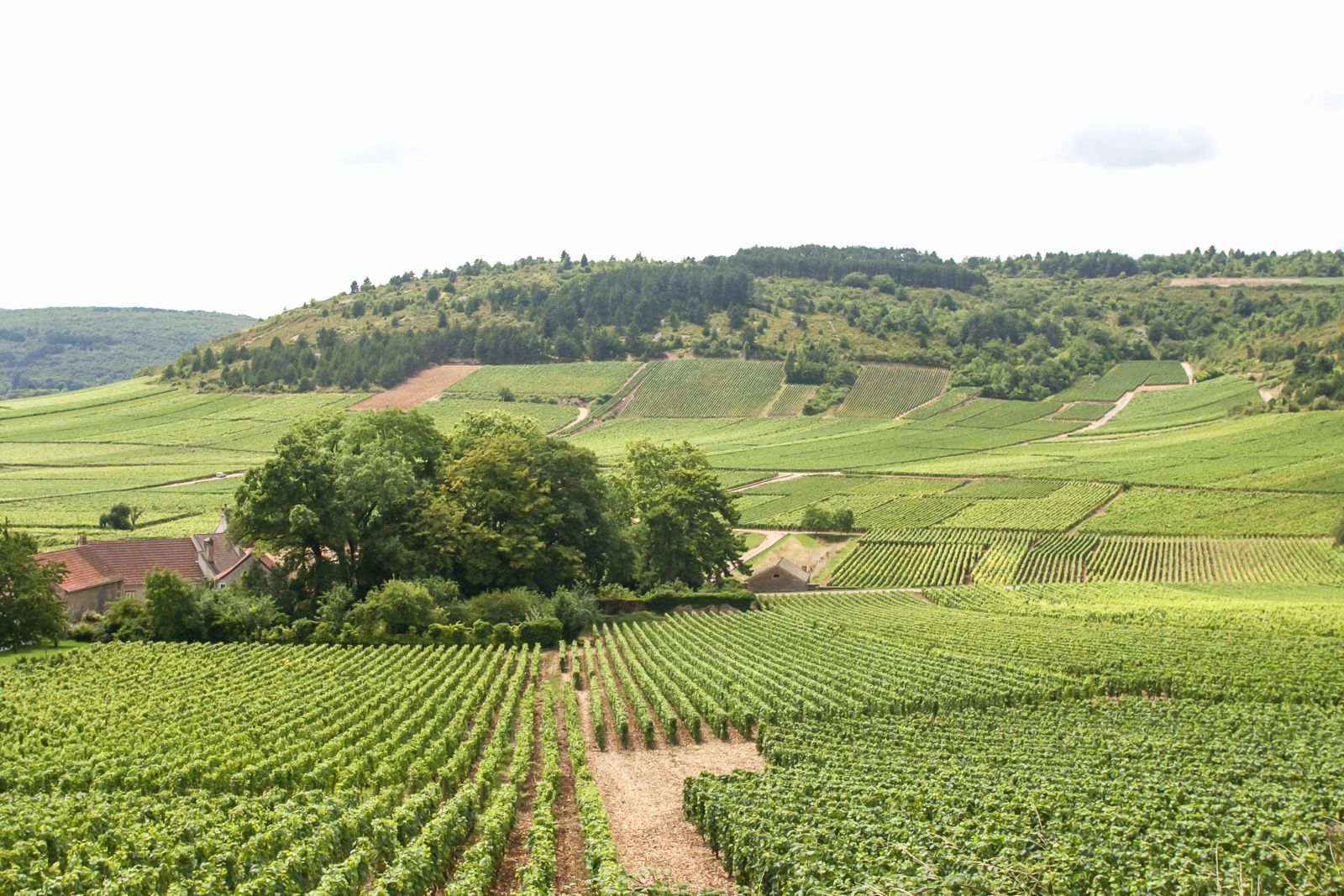
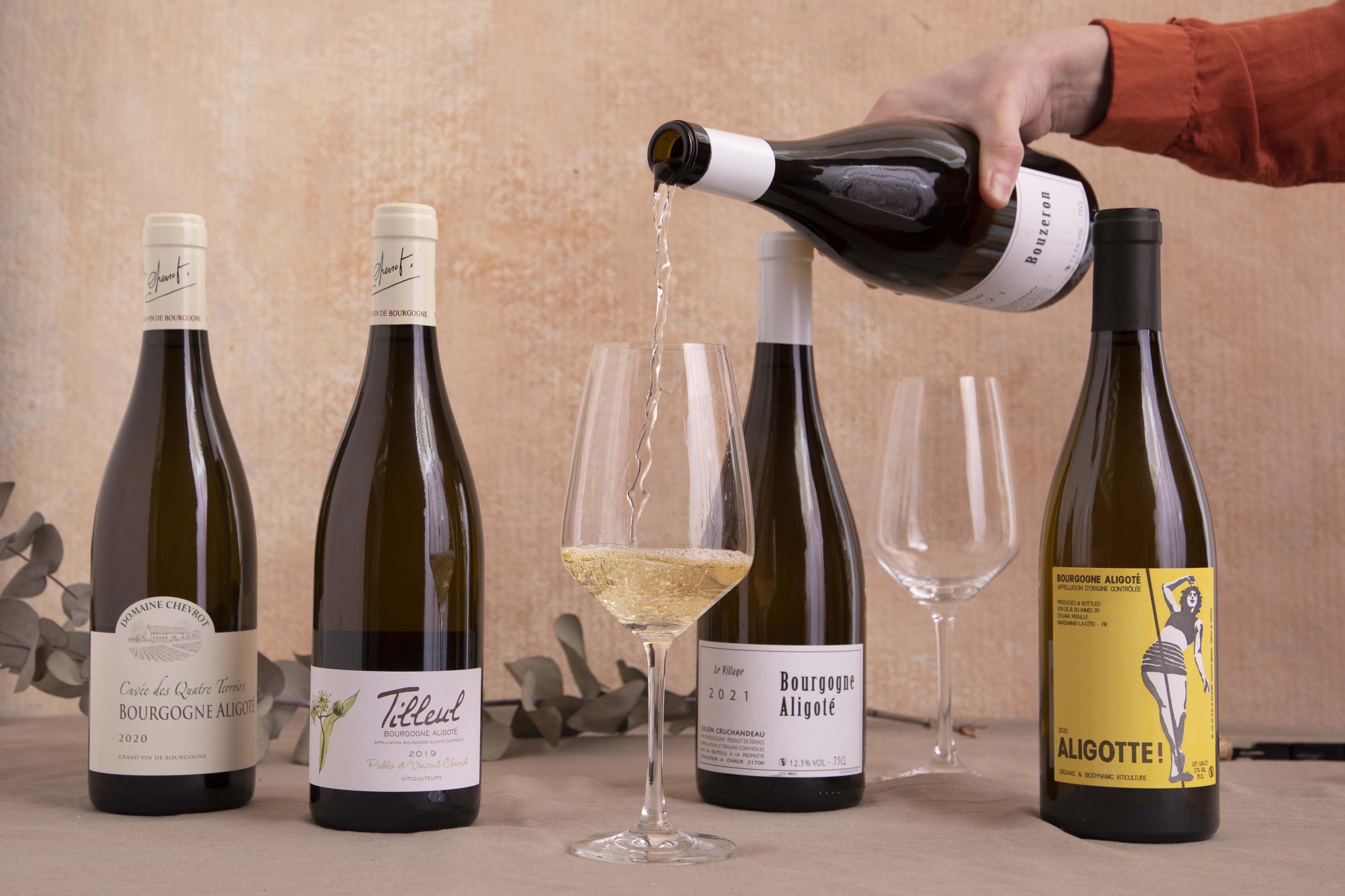
Over the past 10 years, interest in Aligoté has been rising in Bourgogne–and so have prices. Charlie Geoghegan examines the ascendency of this lesser-known white grape.
Poor Aligoté. It’s had a difficult few centuries as Bourgogne’s other white grape. Charges levelled against Aligoté include its excessive acidity, unpleasant tartness and tendency to taste rather dilute. Reference books will tell you how much more palatable it becomes with a dash of crème de cassis (blackcurrant liqueur). It’s not a flattering depiction. Thankfully, though, it’s no longer an accurate one.
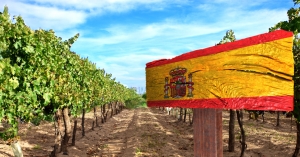
Are you ready to dive into one of the world’s greatest wine-producing countries? If so, our next Spanish Wine Scholar Instructor-Led course is about to start, and we would love to have you join us! If you still aren’t sure, then take a look at these ten reasons why you should be studying Spanish wine.
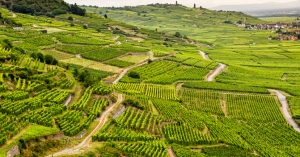
In the second part of our three-part series, acclaimed wine writer and critic Andrew Jefford surveys the latest wine trends in Alsace. From larger vineyards to the prospect of Premier Crus — not to mention the impacts of climate change on the region’s bevy of varieties — let’s take a look at Alsace’s recent history and where the region as a whole is headed.
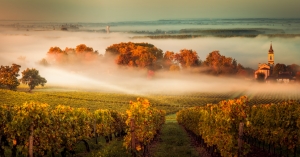
Author of Inside Bordeaux, a book that has been described as the 'bible' by Le Figaro newspaper and a 'category buster' by Jamie Goode, Jane Anson has lived in Bordeaux since 2003. Here she takes a look at the wine trends that are shaping the region, its economy, its climate, the industry and its winemakers.