
BLOG
WSG
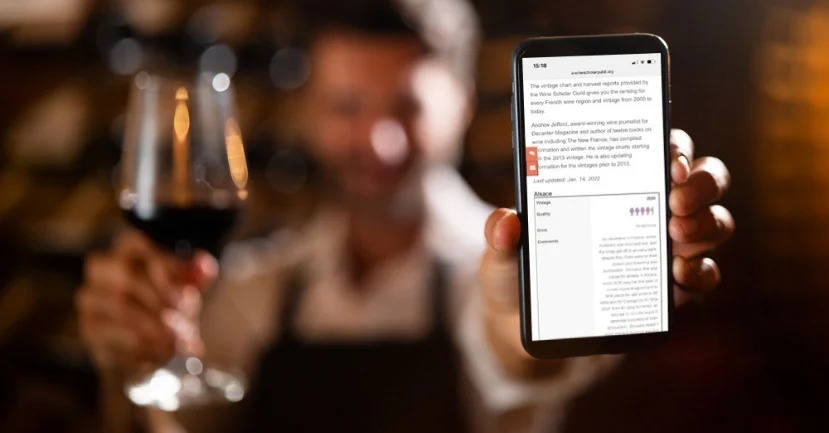
The 2022 vintage was, in general, a great year for France. Weirdly. Look at the data. It shouldn’t have been: the gauges for both drought and heat were often flashing red. What happened?

The WSG is delighted to announce our support for The Golden Vines Diversity Scholarships in association with Liquid Icons and the Gerard Basset Wine Education Charitable Foundation.
Liquid Icons, the fine wine research and content production company founded by the late, great Gerard Basset OBE MW MS and Lewis Chester DipWSET, are hosting The Golden Vines Award Ceremony, Dinner & After-Party at Annabel’s Private Members Club, London’s preeminent private members’ club, on Thursday
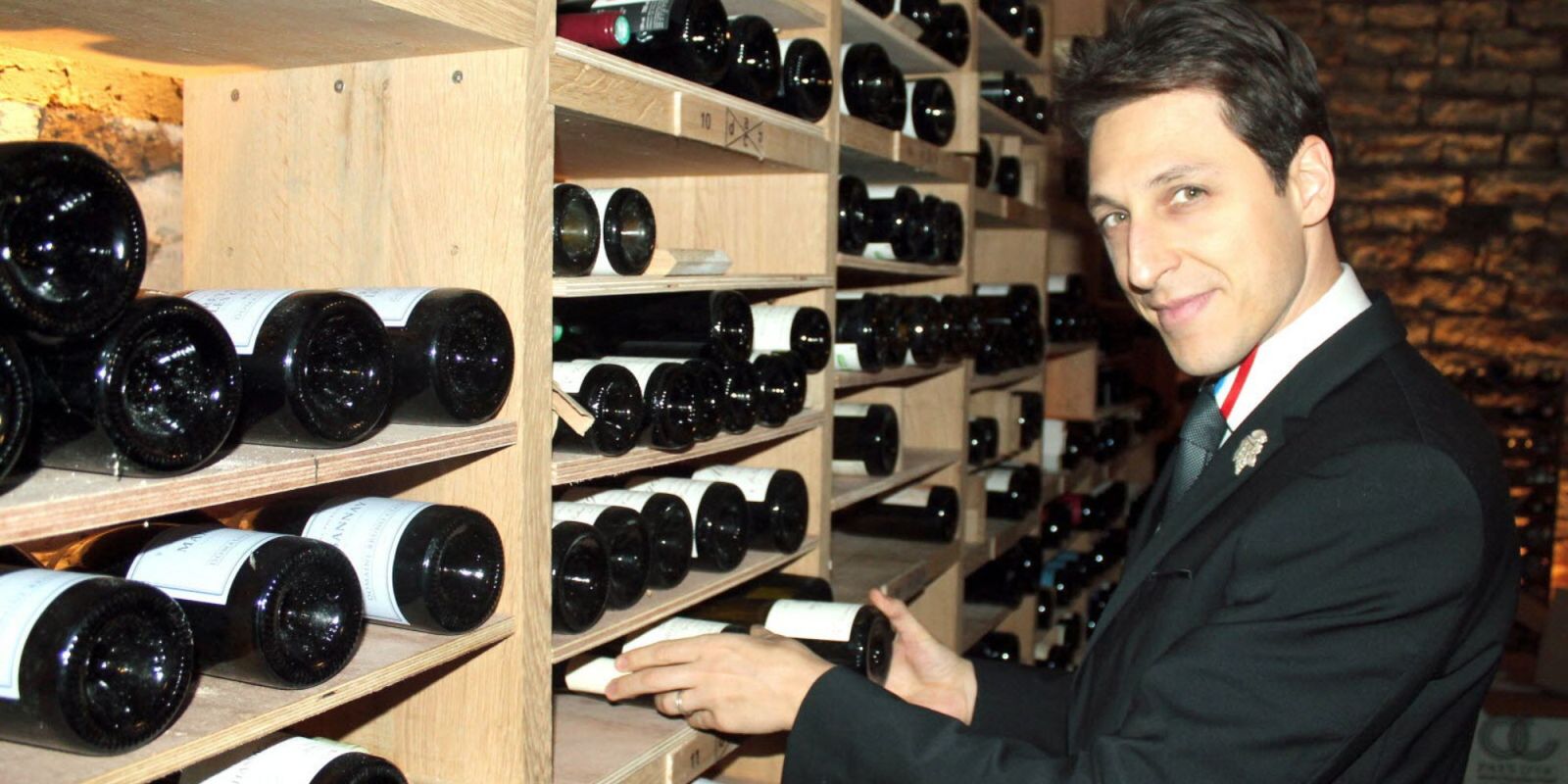
In the world of wine, the sommelier holds a position of both reverence and responsibility. More than just a connoisseur, a sommelier is an interpreter of terroir, a storyteller of vintages and above all a master of human connection. Philippe, a world-renowned sommelier from France's Jura region, spoke with WSG’s Founder and President Julien Camus recently, with rare authenticity about what defines excellence in this noble craft.

WSG is proud be the first Educational Partner of The Old Vine Conference. Read more to find out how this dynamic non-profit organization is actively creating a global network of old-vine disciples while raising awareness through education.
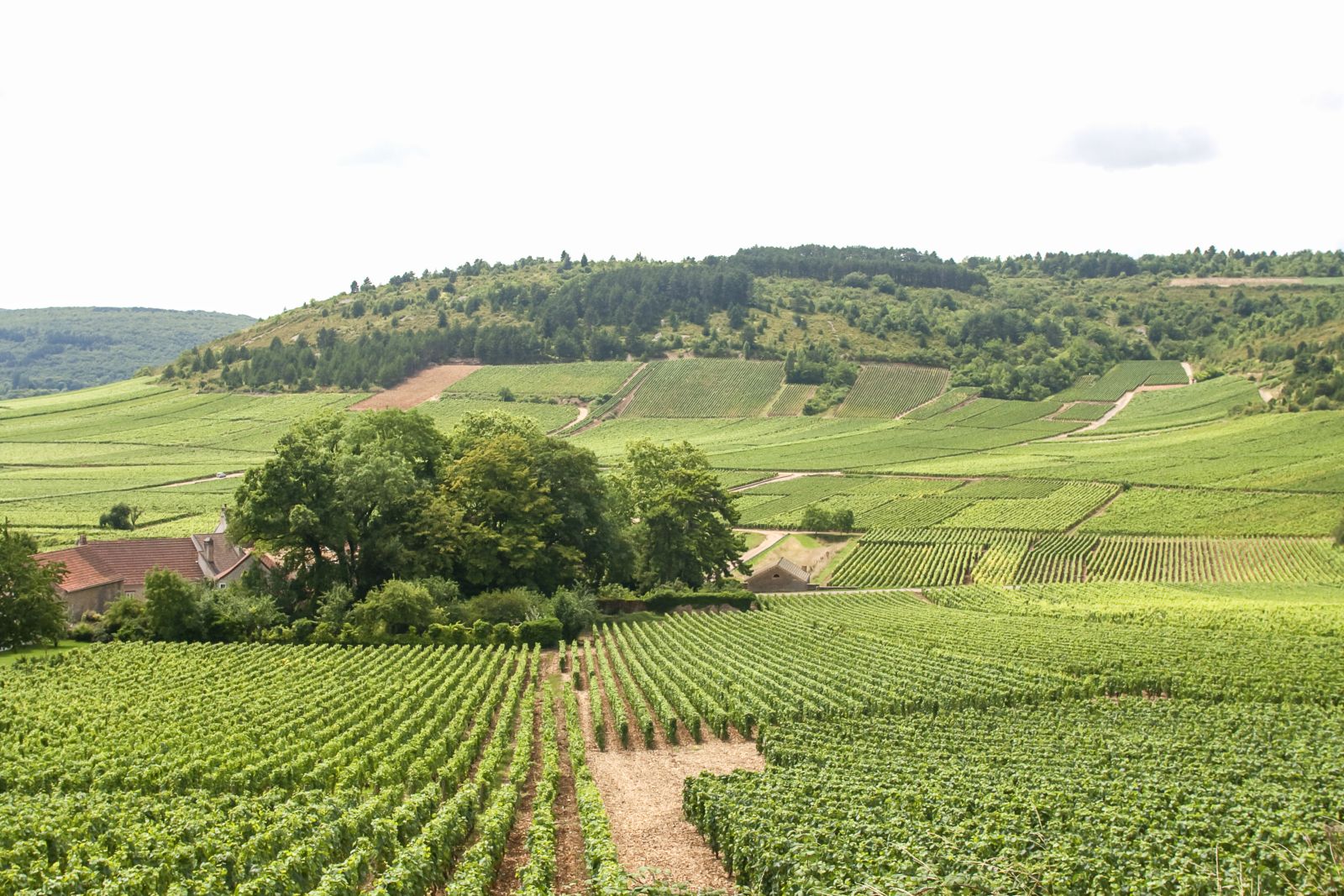
Over the past 10 years, interest in Aligoté has been rising in Bourgogne–and so have prices. Charlie Geoghegan examines the ascendency of this lesser-known white grape.
Poor Aligoté. It’s had a difficult few centuries as Bourgogne’s other white grape. Charges levelled against Aligoté include its excessive acidity, unpleasant tartness and tendency to taste rather dilute. Reference books will tell you how much more palatable it becomes with a dash of crème de cassis (blackcurrant liqueur). It’s not a flattering depiction. Thankfully, though, it’s no longer an accurate one.
In a world where wine has evolved from a drink to a culture, understanding what’s in your glass goes beyond mere taste—it’s about appreciating the stories, landscapes and craftsmanship behind each label.

Thinking about signing up for the French Wine Scholar program? Be inspired by what our students are saying about the program and the top ten reasons they give for enrolling.
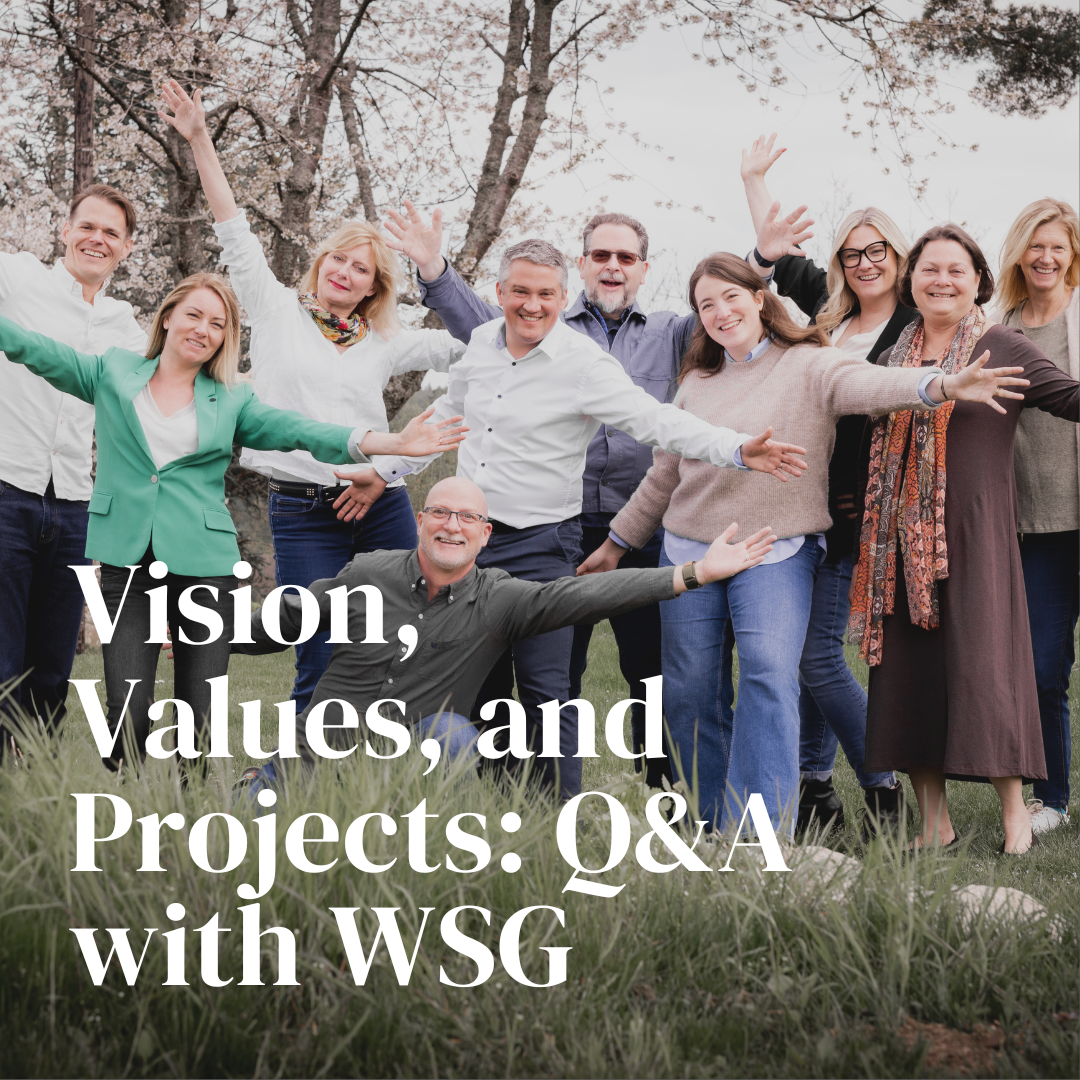
Earlier last month, I ran my first webinar for Wine Scholar Guild (WSG) — an overview of what it means to be a wine journalist and what it takes to turn this into a viable and successful career choice. Ahead of a series of stories I’m going to be regularly writing for the blog and a brand-new podcast due to launch later this year (more on this further down), the webinar’s topic was the ideal means to introduce myself to the WSG audience.
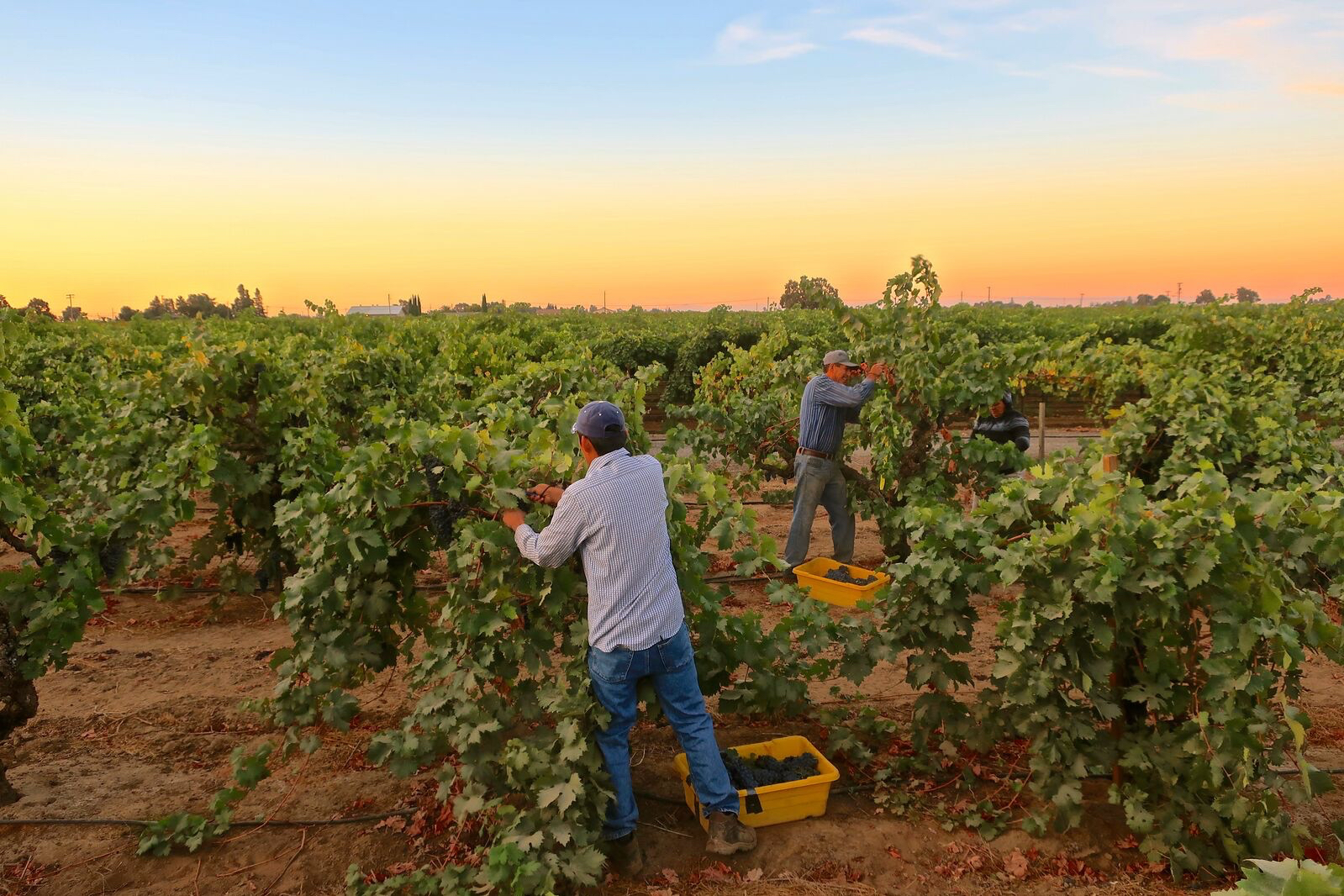
WSG is proud be the first Educational Partner of The Old Vine Conference. Read more to find out how this dynamic non-profit organization is actively creating a global network of old-vine disciples while raising awareness through education.
The economic and social relevance of old vines is real, but the structure of the global wine industry stacks the odds against the regenerative commercial viability of old vines. The result is that healthy old vineyards of cultural resonance and unique qualitative potential are lost because they can’t be made to pay.
The Old Vine Conference is a non-profit organisation whose aim is to bring together a global network to create a new category for wine from heritage vineyards. The Old Vine Conference works to safeguard old vines of cultural and ecological value by connecting, educating and inspiring the global wine industry through conferences, research, partnerships, tastings and fieldtrips.
Old vines are officially a thing.
What happens when the very act of tasting wine no longer keeps pace with the wines themselves? What if the way we teach tasting is no longer fit for purpose—not for students, not for wines and certainly not for the future of wine culture?
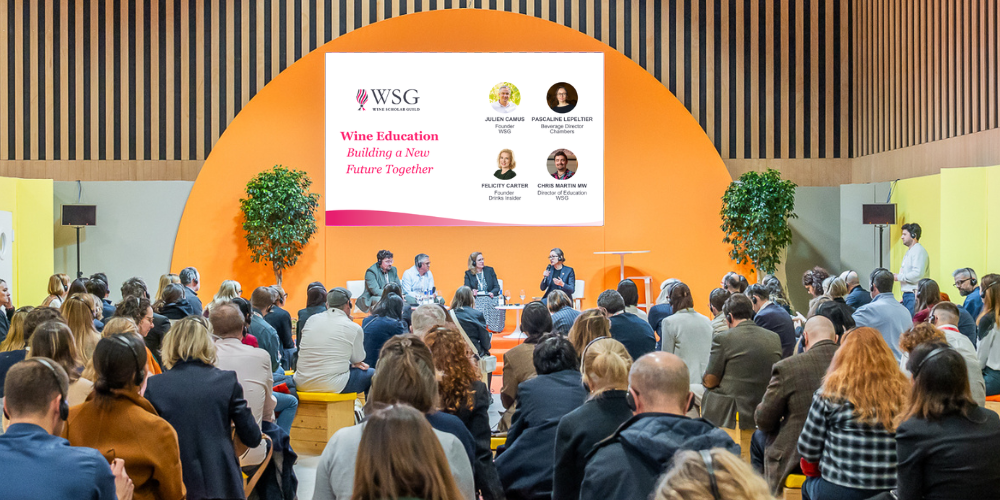
This article explores themes connected to the panel discussion led by WSG at Wine Paris on February 9, 2026.
Wine is one of the most culturally rich, emotionally resonant traditions in the world. It connects people and place like few earthly things can. Yet the wine industry finds itself on the edge of a precipice. Declining consumption, shifting demographics, climate chaos and fierce competition from spirits and non-alcoholic alternatives all call wine's future into question. External forces aren't the only culprits. Within the industry, wine education itself has unwittingly become part of the problem—actively contributing to the disconnect between wine and the people who might love it.

The best thing about studying wine is the moments that call into question every “truth” you think you know. These are the tiny lightbulbs that impel questions to be asked, that engender reflection and that ultimately serve as the springboard to a deeper understanding of wine. It is often the interaction of wine and food that delivers these teachable moments for me—when I am relaxed, not hurried, and free to ponder at will. This series of blog posts shares my memorable discoveries about what happens when wine meets food. Read part 2 and part 3.

Over the course of 15 years, Wine Scholar Guild has enabled committed students of wine to expand beyond general wine knowledge curricula and specialize in the three leading wine producing countries in the world: France, Italy, and Spain.
Acclaimed for the academic rigor of
The Wine Scholar Guild (WSG) has initiated an ambitious undertaking aimed at developing a new way to assess wine: the Architecture of Taste Research Project (ATRP)
The Architecture of Taste Research Project aspires to find a way to empower the individual to taste and describe wine with an enriched and universal lexicon that not only dives deeper into assessing the qualities of a wine’s building blocks but also into the nature of a wine’s personality and, where relevant, its corresponding terroir signature.
Just as significantly, the research project aims to develop a new set of assessment criteria that uses the body’s own reflexive reactions as a tuning fork to capture a wine’s inherent signal—a message that incorporates not only sensory perceptions but also perceived energy, the emotions it triggers and evocative elements that, once again, might link a wine to “place.”

We are thrilled to announce the arrival of WSG Studio, a digital hub featuring an extensive collection of live and on-demand wine education content! With WSG Studio, wine students of all levels can curate their own independent learning paths to complement their studies, or simply connect to stay current in their knowledge.
Building on our rich library of recorded member events, WSG Studio features up-to-date perspectives on wine history, wine trends and regulations, regions,

The Wine Scholar Guild is excited to announce the list of 2017 top exam scorers from around the world!
French Wine Scholar®: Riccardo Vanossi, FWS - 100 pts (Milano, Italy)
Italian Wine Scholar®: Chia-Jui Tsai, FWS, IWS - 99.5 pts (Taipei City,

The Wine Scholar Guild is excited to announce the list of the 2018 top exam scorers for each category...

Twenty years ago, Wine Scholar Guild began with a clear mission: to deepen the world’s understanding of France’s wines through education. It was 2005, and I was 23 years old, working as a trade attaché at the French Embassy in Washington, DC. This was a time of anti-French sentiment in the US, and French wine—something I knew to be an expression of place, people and culture—was caught in the crossfire.

We are delighted to announce that our Blog was ranked #12 on the list of the Top 101 Wine Writers Of 2020 Award by Corking Wines!

The Wine Scholar Guild would like to announce that their own Tanya Morning Star (WSG program provider in the Seattle area through her school Cellar Muse) has embarked on an exciting project with the Consorzio of Orvieto DOC, with an aim to bring awareness to a historical wine region, it’s exceptional terroirs and wines. Acting as Orvieto DOC’s first official Ambassador of Orvieto Wines, Tanya is embarking on a comprehensive Master Class project to be launched via Wine Scholar Guild member webinar, and in schools teaching Wine Scholar Guild programs globally in 2020.