BLOG

Châteauneuf-du-Pape: A User Guide

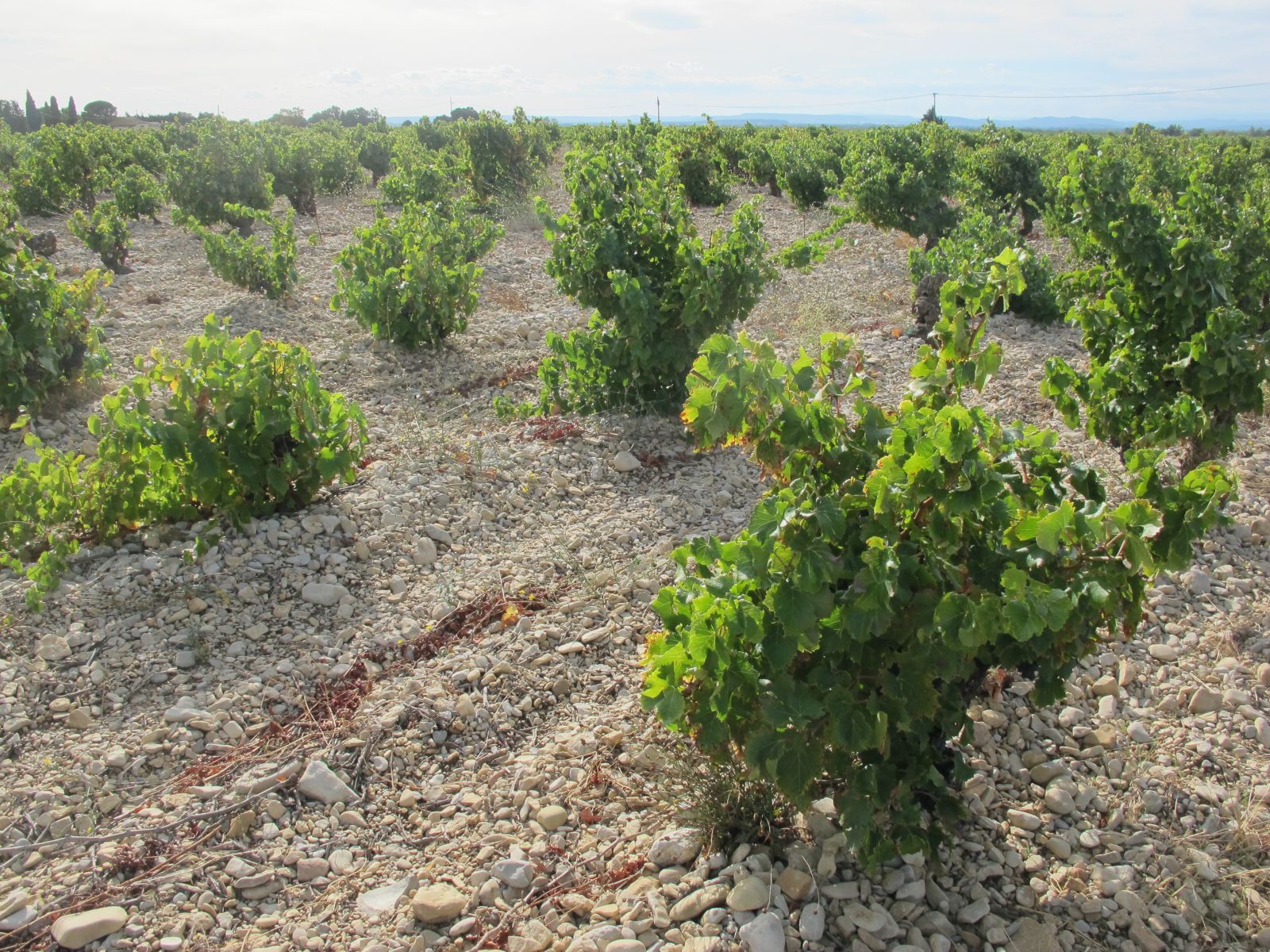
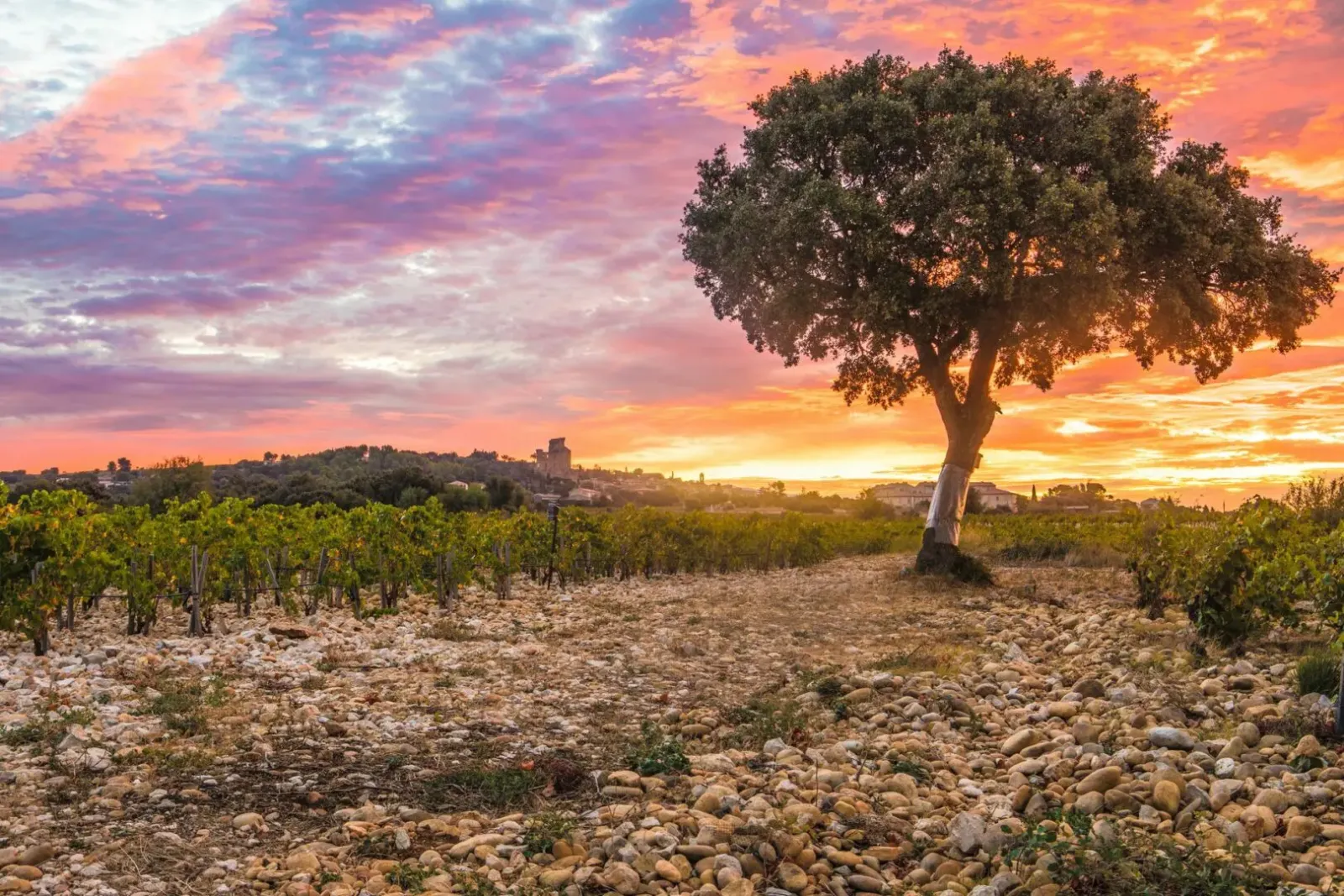
Châteauneuf-du-Pape vineyards.
Châteauneuf-du-Pape vineyards. Guenhaël Kessler

Châteauneuf-du-Pape is the largest appellation in the Southern Rhône, which can make it hard to handle. Matt Walls suggests some ways of breaking it down to make it more accessible.

For wine students, the French appellation d’origine contrôlée system of classifying vineyards can be helpful: defining growing areas, stipulating grape varieties and laying out production methods. But some appellations are so vast that they are still hard to get to grips with. Châteauneuf-du-Pape is a case in point.

At 3,150 ha/7,784 ac, it’s a huge appellation – it’s even bigger than the entire Côte de Nuits of Bourgogne. And while the Côte de Nuits is split into countless village, premier cru and grand cru vineyards, Châteauneuf-du-Pape has no such finer detail. There are, however, some other ways of carving up this appellation to make it more digestible.

By color

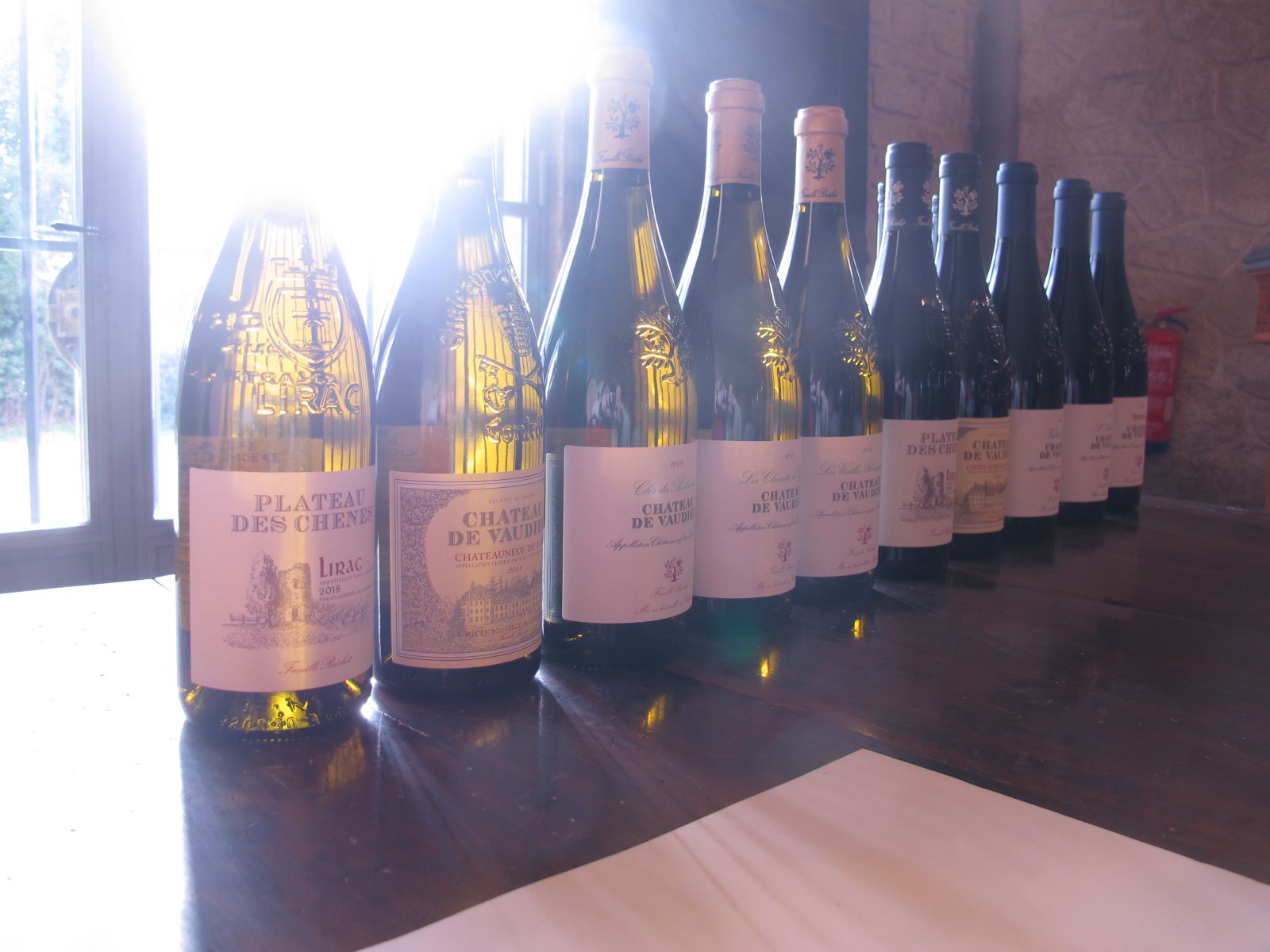
The whites of Château de Vaudieu.

The whites of Château de Vaudieu. Matt Walls

The first and most obvious way to break down Châteauneuf’s production is by color. The production of white wine is gradually increasing and has just hit 8% for the first time.

As with the reds, there is a considerable breadth of style: anything from medium-bodied (try Domaine Juliette Avril, Domaine la Boutinière, Domaine du Père Caboche) to rich and opulent (Château de Beaucastel, Château de Nalys, Domaine de la Janasse). They are rarely aromatic or high in acidity, however, and tend to focus more on texture than aroma.

The proportion of red is still much higher, but given the quality and longevity of the whites, they deserve our attention too. There’s no rosé produced here, however; just red and white.

By soil type

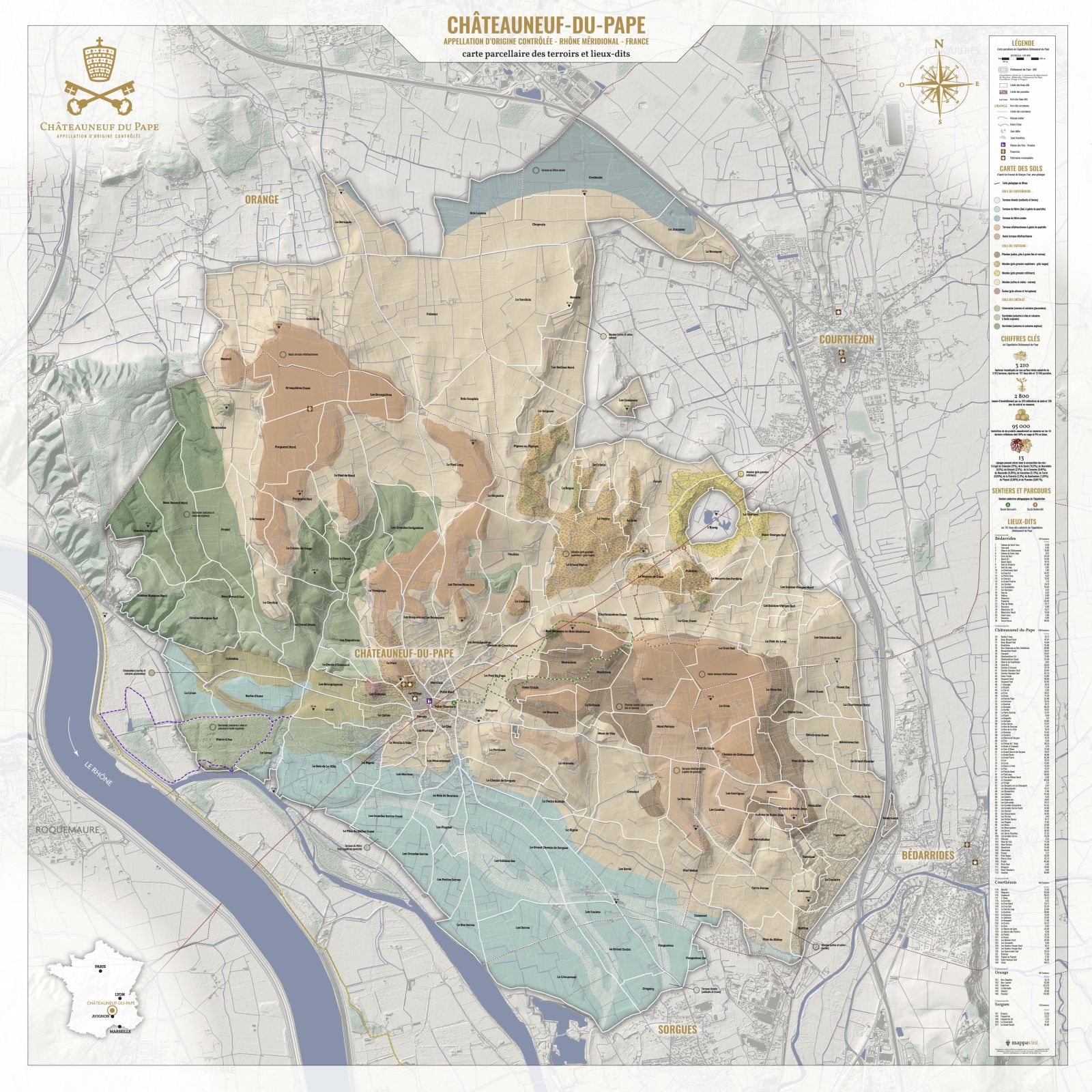
One of the most effective ways to categorize the wines of Châteauneuf is by soil. There are four main soil types: large rounded pebbles known as galets roulés, limestone, red clay and sand. Deposits are quite localized, as you can see on the map below, and each one gives a different accent to the resulting wines.

Châteauneuf soil map.

Châteauneuf soil map. Maison des Vignerons de Châteauneuf-du-Pape

The galets roulés are the most emblematic soil of Châteauneuf. The oldest deposits, from the Villafranchian era, lie in two large terraces; one to the north of the village, the other (known as La Crau) to the east. Wines from these areas are particularly muscular and concentrated. Try Domaine du Vieux Télégraphe, Château la Nerthe ‘Les Clavelles’, Domaine de la Charbonnière ‘Les Hautes Brusquières’.

There are more recent pebbly deposits to the south and southeast of the village (in blue on the map) which are from the more recent Würm era. This is a hot, dry terroir that produces wines with power and potency. Try Famille Isabel Ferrando, Domaine Guiraud ‘Les Gallimardes’, Mas Saint Louis.

The sandy soils, found primarily near Courthézon to the northeast of the appellation (in yellow on the map), are increasingly sought-after. Their wines can be less structured than those from galets roulés, but are relatively fine and fragrant. Try Font de Courtedune, Clos du Caillou ‘Les Safres’, Domaine Eddie Féraud.

The limestone soils to the west and northwest are useful in the blend, contributing a fresh edge and inner tension. They are particularly well suited to whites.

It’s traditional for estates to have multiple parcels of vines around the appellation and to blend across soils types, particularly for their main blend (known locally as their tradition). But since the late 1980s, estates are increasingly producing smaller bottlings too (known as cuvées spéciales) which commonly spotlight single parcels of vines–so these are a better hunting ground for wines from specific soil types.

By grape blend

Compared to the other crus of the Southern Rhône, Châteauneuf is permissive when it comes to blending rules. In fact, as long as you use one or more of the 18 permitted grape varieties you can do whatever you like. Using white grapes in a red wine? Sure. Bottling pure Grenache, Syrah, or even Vaccarèse? No problem. A blend of all 18? Let’s go.  

The 18 Châteauneuf-du-Pape grape varieties 

Black grapes                                       White or pink-skinned grapes     

Grenache                                           Grenache Blanc

Syrah                                                  Clairette Blanche

Mourvèdre                                         Roussanne

Cinsault                                             Bourboulenc

Counoise                                           Clairette Rose

Muscardin                                         Piquepoul Blanc

Vaccarèse                                         Picardan

Terret Noir                                        Grenache Gris

Piquepoul Noir                                 Piquepoul Gris       

Grenache is by far the most widely planted and terroir-reflective grape, making up around ¾ of plantings. To understand Châteauneuf, it’s important to appreciate why this variety is so prized and the best way to do that is to taste some pure examples. Try Domaine de Cristia ‘Vieilles Vignes’, Olivier Hillaire ‘Les Petits Pieds d’Armand’, Domaine la Barroche ‘Pure’.

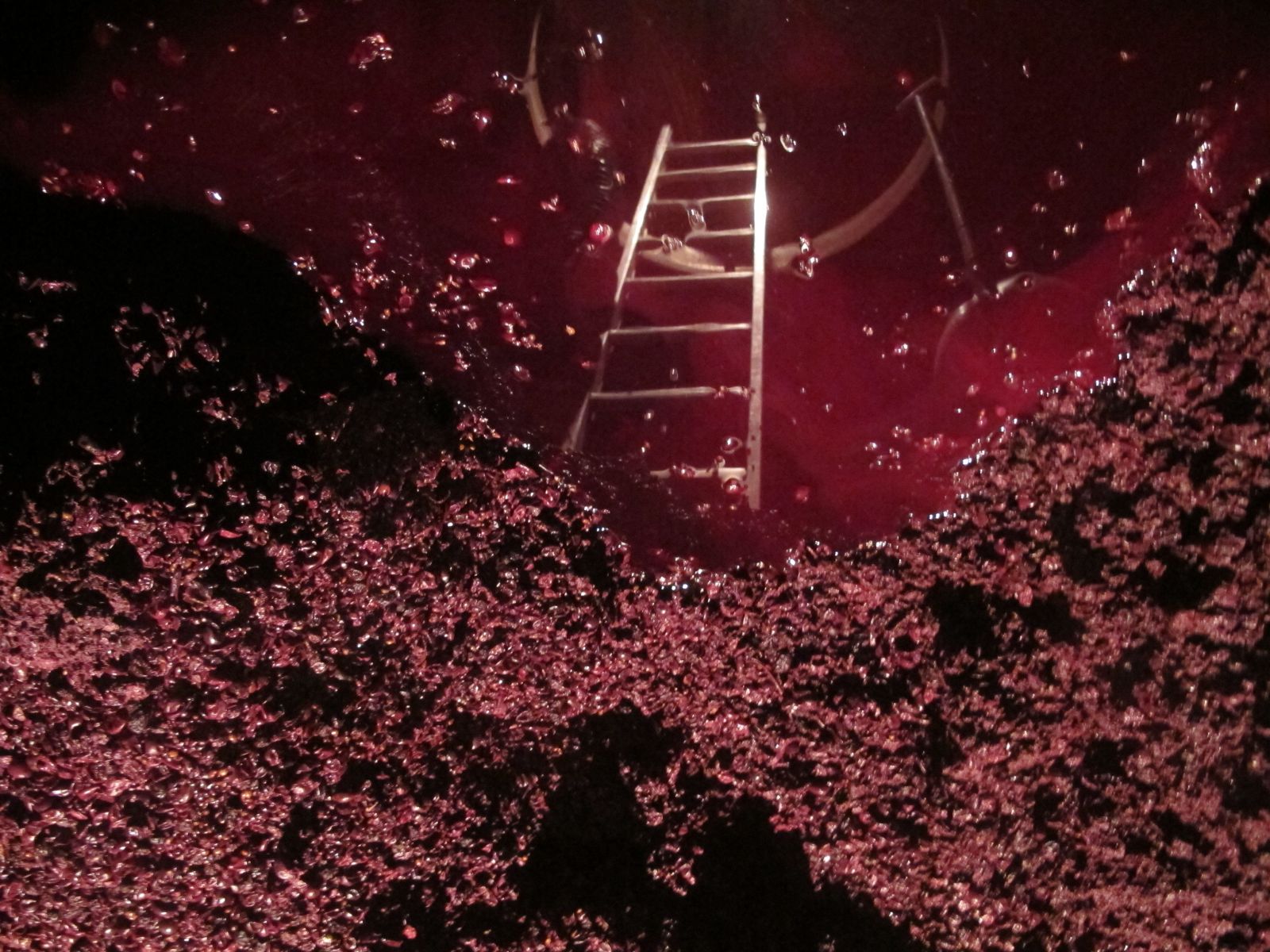
Tank of red Châteauneuf.

Tank of red Châteauneuf.  Matt Walls

The other two most widely planted red varieties, Syrah and Mourvèdre, help to provide the color and tannin that Grenache can lack. Compare some pure Grenache with classic blends such as Clos des Papes (65% Grenache, 20% Mourvèdre, 10% Syrah, 5% others) or Domaine de Beaurenard (65% Grenache, 15% Syrah, 10% Mourvèdre, 10% others).

To get a feel for the individual white grapes of Châteauneuf, compare Domaine Raymond Usseglio’s ‘Pure Roussanne’ with its ‘Pure Clairette’; or compare Château de Vaudieu’s varietal bottlings: ‘Clos de Belvédère’ (pure Grenache Blanc), ‘Les Clairette de Gabriel’, ‘Les Vieilles Roussanne’ and ‘Le Picardan’.

By age 

Châteauneuf has an extraordinary ability to age and develop in bottle and this is a crucial aspect of its appeal. It’s not just the best producers or the greatest vintages; most reds from this terroir will age for eight years or more. Great wines from top vintages can last over 50 years.

Red Châteauneuf can be enjoyed for its fruit and exuberance when young, from two to five years from vintage. It starts to take on additional interest at around eight years, and many better examples take on beguiling complexity between 12 and 20 years. Beyond that, it depends on the individual wine.

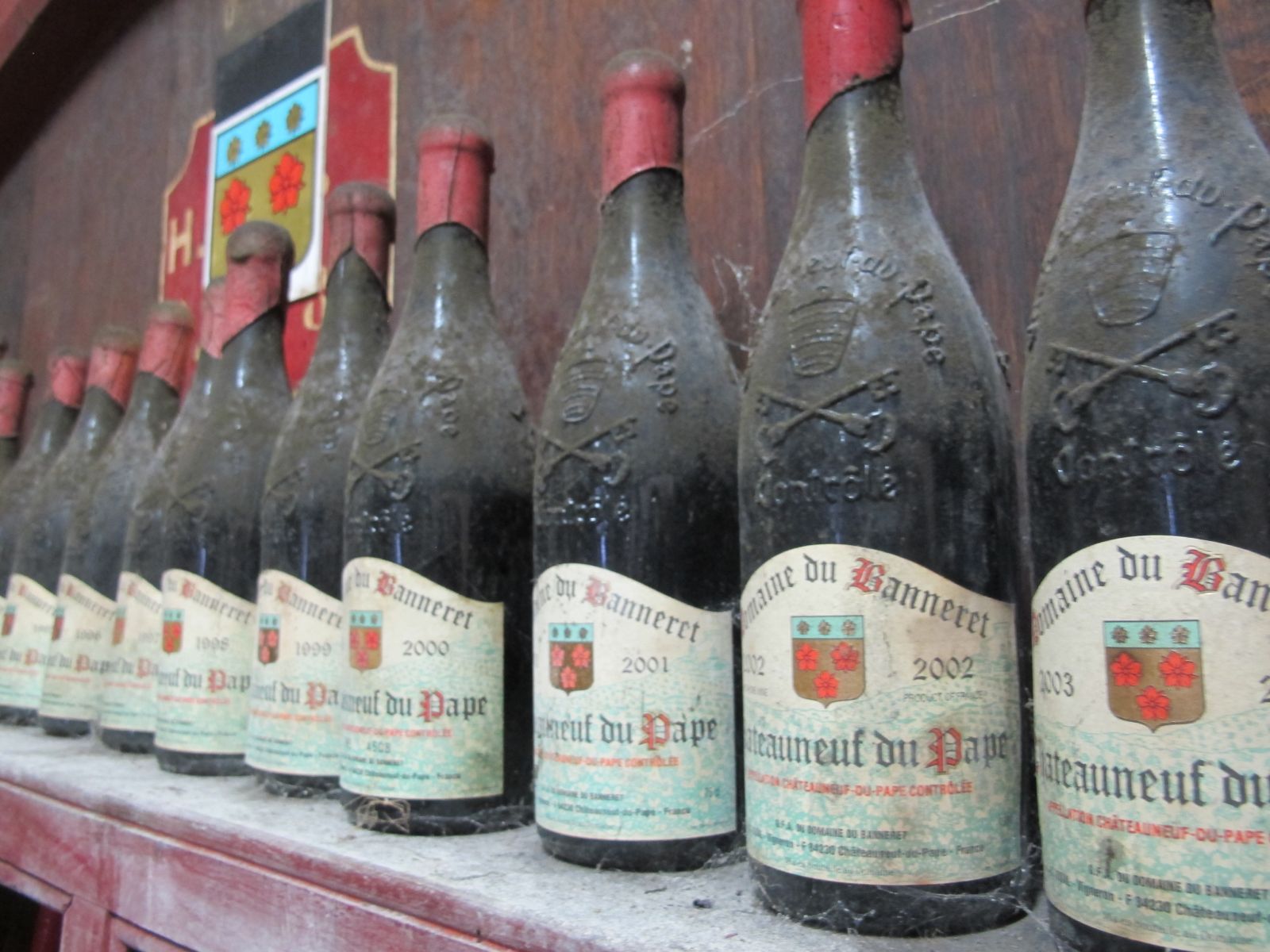
The wines of Domaine du Banneret age particularly well.
The wines of Domaine du Banneret age particularly well. Matt Walls

Thanks to the volume of wine produced, the amount exported (two-thirds of production) and its well-known propensity to age, tracking down mature bottles in key export markets such as the US and UK is relatively easy. Tasting across a wide range of ages is illuminating; older wines often convert sceptics to the style.

The older the wine, the more important it is to choose a good vintage. Some reliable options include 2023, 2020, 2019, 2016, 2015, 2012, 2010, 2009, 2007, 2006, 2001, 1998, 1995, 1990, 1989, 1985, 1983 and 1978.

Further possibilities

Tasting across a range of price levels can be interesting, as can tasting across a range of critics’ scores.

Comparing different winemaking styles is another option, particularly when focusing on the most consequential decisions, such as whether or not to use whole bunch fermentation or new oak for ageing.

The most useful, simplest and most reliable way of subdividing Châteauneuf, however, is by producer. But with 310 to choose from, it takes time to taste them all. I’m still working on it! Hopefully, this article will serve as a kind of roadmap to help identify which ones speak to you–and why.

French Wine Scholar 


Matt Walls

Matt Walls is an award-winning freelance wine writer, author and consultant who contributes to various UK and international publications such as Club Oenologique and Decanter, where he is a contributing editor. He also judges wine and food competitions, develops wine apps and presents trade and consumer tastings. Matt is interested in all areas of wine, but specialises in the Rhône Valley – he is Regional Chair for the Rhône at the Decanter World Wine Awards.

Alongside his blog contributions, Matt brings his knowledge to the vineyard as a brilliant guide for WSG’s Educational Wine Tours.

Related Articles