
BLOG
Italian Wine Regions
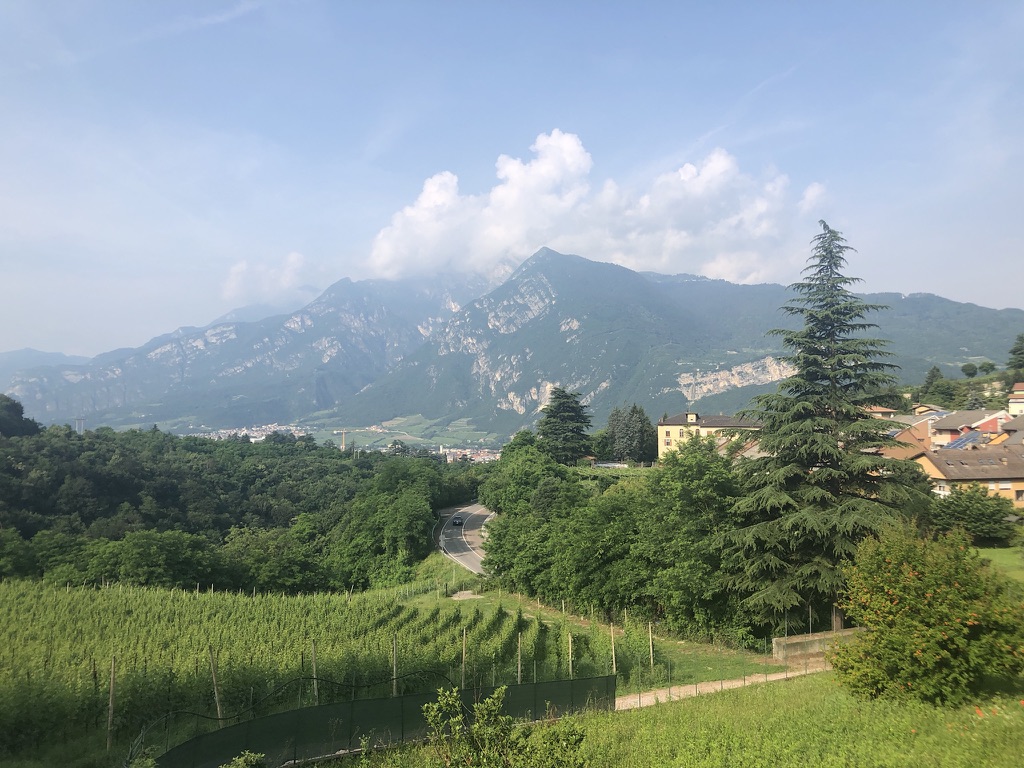
When most Italian wine consumers think about Italy, they envision the rolling hills of Tuscany or the sun-drenched shores of the Amalfi coast. However, there is much more to Italy and its wines than these landscapes. This month at WSG we turn our attention northward to the land of the Alps and the Dolomites, where a whole other Italy exists. Some of Italy's most distinctive wines come from its far north where alpine viticulture is the norm and snowfall and sunshine shape the vineyard seasons.
Trentino-Alto Adige, Valle d’Aosta and parts of Lombardia form Italy's alpine wine heartland. Here, altitude replaces latitude as the defining climatic factor and centuries of mountain farming have produced wines of tension, precision and remarkable site expression.
Below are 10 things you might not know about Alpine Italy — and why they matter.
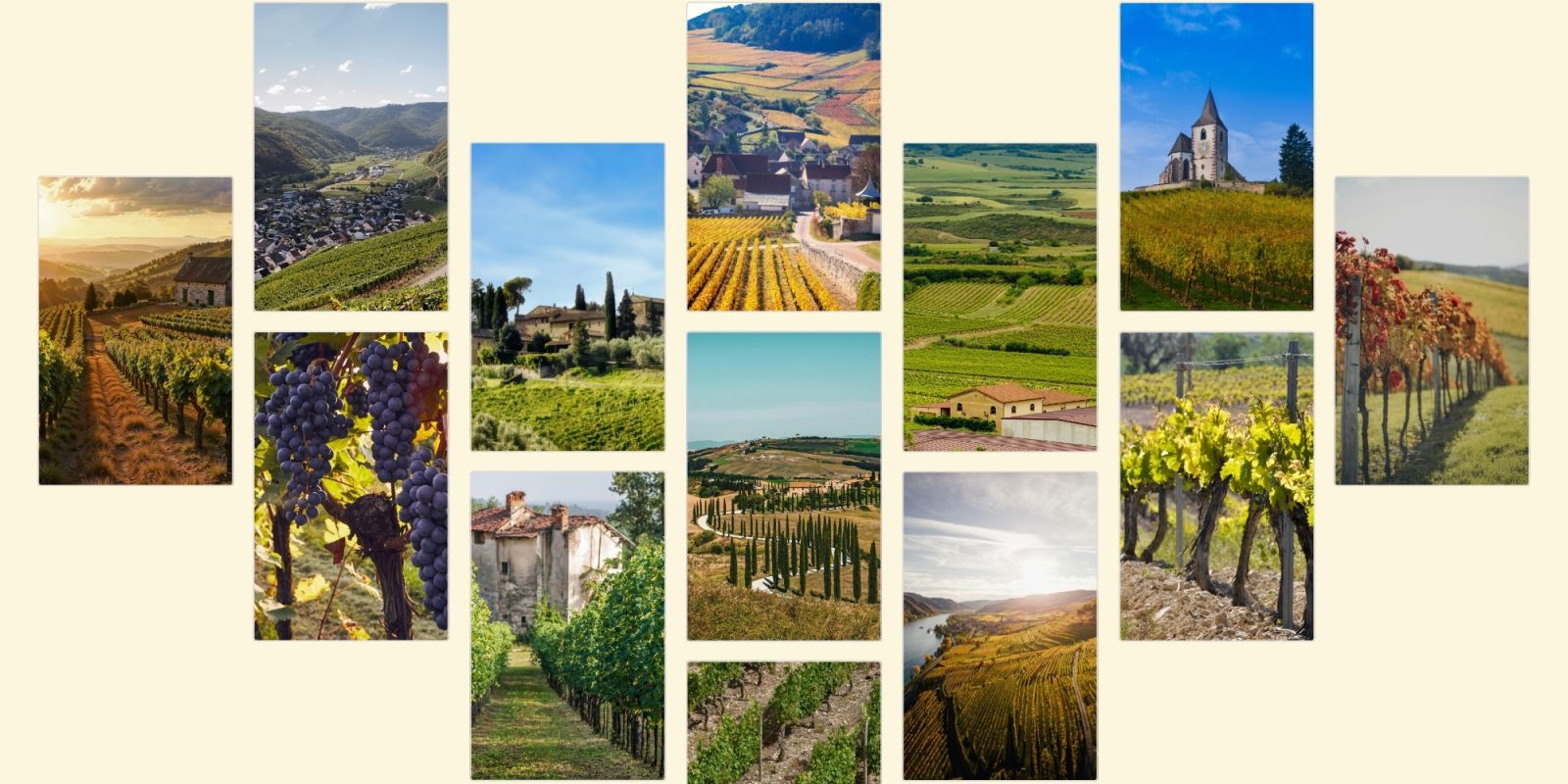
A new season of educational wine tours, in the most iconic wine regions. See where we're headed in 2027, then get on the mailing list to be first to know when bookings open.
The Italian wine world is full of wine-related terminology that many consumers struggle to understand. Learning the meaning of a few key terms can increase your confidence level and help you make informed decisions when selecting your next glass, or bottle, of vino. We have compiled a list of 25 common terms and phrases that we know will help you navigate the delicious world of vino Italiano!
Wine is fermented grape juice…in theory. However, in practice, modern wine may be made by using a wide array of compounds aimed at facilitating the winemaking process, enhancing the product’s organoleptic qualities, or simply fixing problems before or after they arise.
Any wine student or lover of Italian wines can name the country’s most famous red wines, such as Barolo, Brunello di Montalcino or Amarone della Valpolicella. But given the variety of Italian wines and grape types, it stands to reason that there are many more examples produced throughout the country. This article is the first in a series about a few of the lesser known red wines of Italy; we begin with Piemonte.
While there are three famous red varieties in Piemonte – Nebbiolo, Barbera and Dolcetto – there are several others that produce very expressive wines.

Italy has a rich and diverse history of winemaking, old vines and traditional grape varieties that contribute to the country's ancient wine culture, which has evolved throughout the centuries.
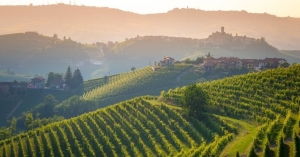
Apart from the Côte d’Or in Burgundy, perhaps no other wine territory has been dissected in greater detail than the Barolo zone. This makes perfect sense, as these are arguably the two most ideal representations of the concept of terroir; just as Pinot Noir from one village in Burgundy reveals different flavors than that of another nearby hamlet, so too offerings of Barolo from various communes often display diverse characteristics, despite the fact that every wine here is made exclusively from Nebbiolo.
There are 11 approved communes in the Barolo production zone. For this article, we will deal primarily with the five largest: La Morra, Serralunga d’Alba, Monforte d’Alba, Castiglione Falletto and Barolo itself. The remaining six are Cherasco, Diano d’Alba (interestingly, planted more to Dolcetto than Nebbiolo), Grinzane Cavour, Roddi, Verduno and Novello; these last two are home to two of the most in-demand vineyards in the entire zone: Monvigliero in Verduno and Ravera in Novello.
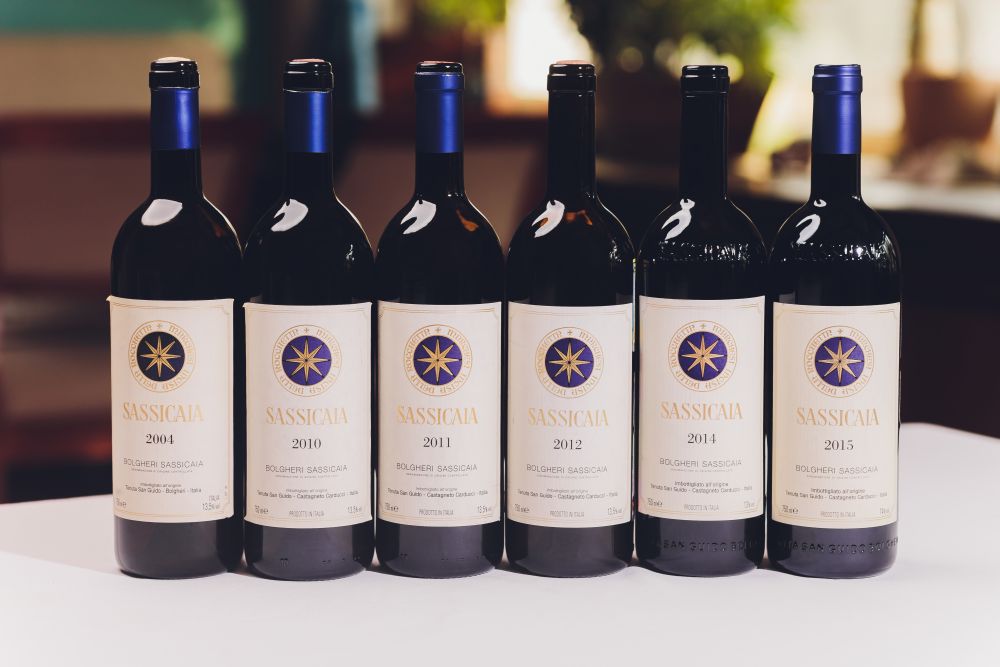
When I first joined the wine industry some 16 years ago, I was thrown in at the deep end specialising in selling the world’s finest wines to the well-heeled customers of Northwest London. In those early days, one of the topics that frequently plunged me under the water was when I had to sound knowledgeable about Italian wines. In my first couple of weeks on the job I was given a great piece of advice by one of my seasoned veteran colleagues: if you know just one
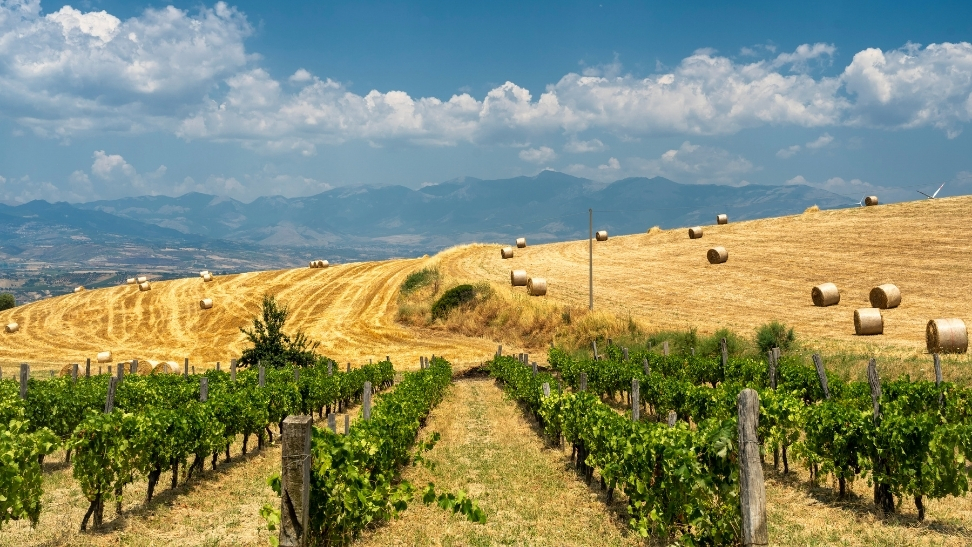
Calabria, the rugged southern tip of Italy’s boot, is a region where ancient history and modern revival intertwine in compelling ways. Though long overshadowed by more famous Italian wine regions, Calabria possesses one of the most storied viticultural lineages on the peninsula. Over millennia, Calabria’s fortunes have risen and fallen, yet today a new generation of producers is bringing this historic region back into the spotlight, crafting wines that express both their deep roots and their contemporary aspirations.
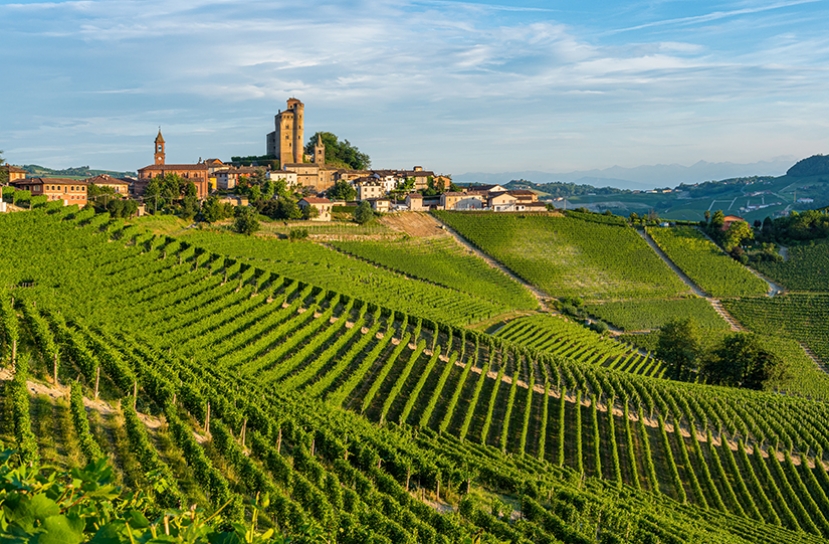
Wine professionals and consumers share a similar aspiration when they visit a wine region; they want to enjoy the area’s best dining experiences so they can pair their favorite local wines with the territory’s typical food offerings.
While commonplace throughout Italy, this situation is nowhere more prominent than in Piedmont, especially in the region’s southern Langhe district. Lunch or dinner in the Barolo and Barbaresco production zones here is more than a simple pleasure; this is wine, and food pairing elevated to an art form.
The best-known wines of Piemonte, such as Barolo, Barbaresco, Roero Arneis and Moscato d’Asti are produced from grapes grown in the southern sector of the region; this includes the province of Cuneo and Asti, in districts such as the Langhe and Roero. But farther north, Alto Piemonte is a territory that is home to some of the region’s most complex, yet least understood wines. Gattinara, Boca and Ghemme are a few of these selections, and these days, greater attention is being paid to these wines and this relatively unknown viticultural outpost.
Whether it is in the bilingual wine labels of Alto Adige, or the occasional Slavic grape name in Friuli Venezia Giulia, Italian wine often reveals the duality of culture present in some of the country’s border regions. Tucked into Italy’s northwestern corner, Valle d’Aosta certainly demonstrates this, as its language, cuisine and wine seem to have one foot in Italy and another in France.

Walking along the path that leads to the summit of the Cartizze hill, the town of Santo Stefano gradually emerges in the distance, its bell tower and a few quaint houses standing as a punctuation mark amidst the harmonious mosaic of woodland patches and vineyards.
Like real-life topographic contour lines, the intricately arranged, labyrinthine rows of Glera vines ascend and wind through the characteristic, humpy “hogback” hills. Ciglioni – small, narrow cultivated terraced plots that have been utilised here since at least the 17th century – lend rigour and a sense of order to the vegetative profligacy of this landscape.
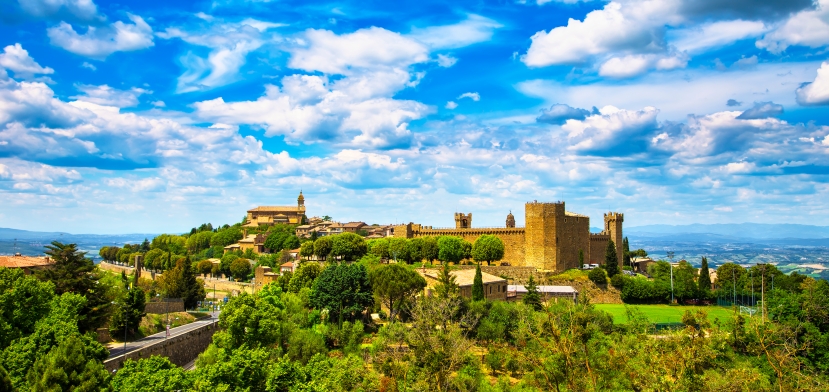
When the Consorzio Brunello di Montalcino was established in 1967, one year after the wine received DOC status (it became one of the initial DOCG wines in 1980), there were only twenty-five members. Today, there are more than two hundred Brunello producers; given the reputation of this wine for its ability to age for twenty-plus years in the finest vintages, this is hardly surprising.
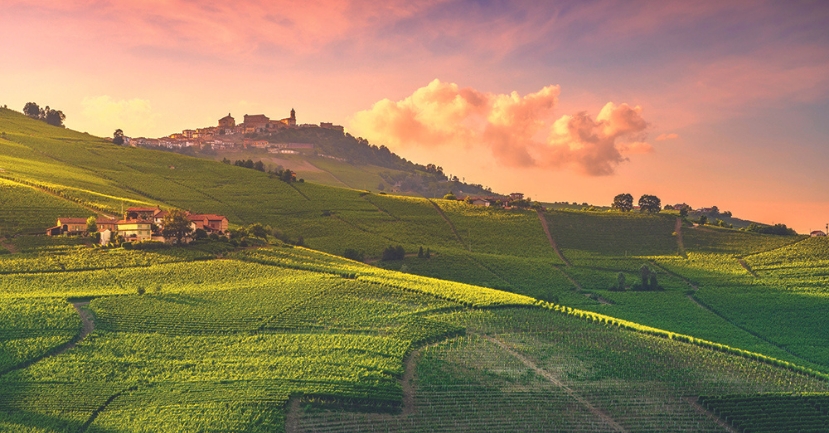
Wine Scholar Guild is pleased to provide its readers with vintage and harvest reports for some of Italy’s most famous regions, from 2010 onward. We felt it was time that we expand our assessment of vintages and harvest reports outside of France and Italy was first on our list. To compile this in-depth report, we reached out to Italian wine specialist Tom Hyland. Tom seemed like the perfect fit for this project, as he has been reporting on and promoting Italian wines for more than twenty years as a journalist, educator, and photographer. He has made more than 75 trips to wine regions throughout all of Italy from his home in Chicago. In that time, he has written for numerous publications, including Decanter, wine-searcher.com and most recently Wine Spectator. He has written two books on Italian wine: Beyond Barolo and Brunello (2013) and The Wines and Foods of Piemonte (2016). Tom has conducted seminars on Italian wine for the trade and public; over the past year, he has led more than two dozen webinars with Italian producers; among these were several for Wine Scholar Guild. He also served as US ambassador for Consorzio I Vini del Piemonte for five years. He is also an accomplished photographer, having been named Wine Photographer of the Year (Category: Places) in 2020 at the prestigious Pink Lady competition in England. Andrea Eby, Italian Programs Director, asked Tom to provide a short blog article describing how he went about compiling this fantastic resource. We hope you enjoy the article and find the vintage charts as useful as we do. As always, we look forward to your questions and comments!

For as long as Italians have eaten good food, they have enjoyed good wine. The country is the world’s second-largest wine producer and besides a few hiccups after the fall of Rome, has been a consistent leader in viticulture for centuries.

Vineyards on the shores of Lake Garda
Did someone say Lake Garda? You had me at Lake! Those were my first thoughts when asked to visit the area close to Italy’s largest lake and home of the Lugana DOC.

Vineyard landscape in Marsala
Marsala, the fortified wine hailing from the sun-soaked hills of Sicily. A wine that embodies the rich tapestry of history and culture of an Island just a stone’s throw from mainland Italy. Having recently returned from visiting the region here is a brief introduction and exploration of one of the world’s most underrated wines.

“Andreeeeea! There is no plane from Napoli to Ancona!” This was the incredulous cry that I heard from my Campanian friends when I told them how I was leaving their beautiful region to visit Marche. They were sure that when I arrived at the terminal, that what I thought was going to be a plane would, in fact, turn out to be a bus. They were so adamant that no such flight existed that even I began to doubt the authenticity of the travel itinerary I had received. My relief was therefore clearly visible when I was able to check in for my evening flight to Ancona.
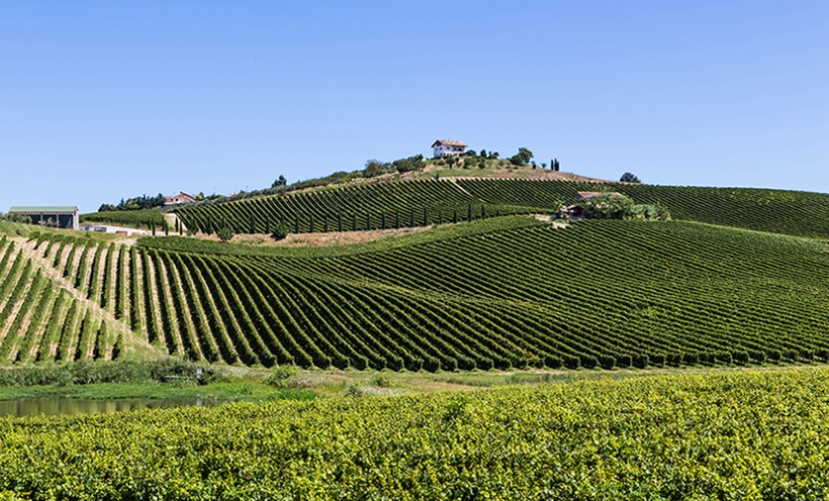
For much of the wine history of Abruzzo, large cooperatives established a perception that the region’s wines were pleasant and technically correct, but offered little in the way of excellence. Today, the image of Abruzzese wine has taken on a new light, as dozens of smaller producers are crafting more sophisticated offerings that not only display superior complexity, but also offer greater elegance and aging potential as compared with the typical wines of the past.