BLOG

New trends in Champagne with Jean-Baptiste Lécaillon of Champagne Louis Roederer

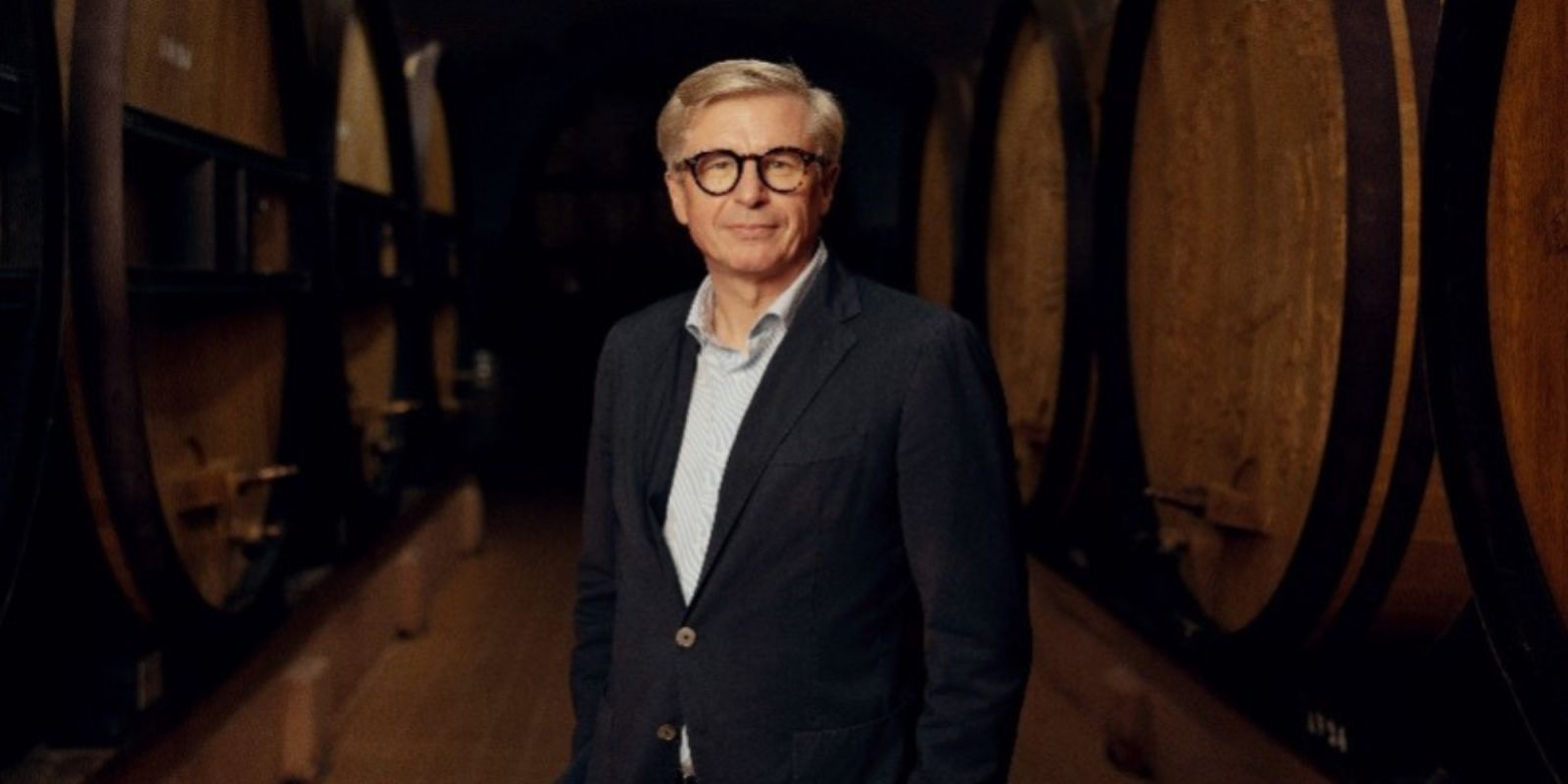
Jean-Baptiste Lécaillon, Champagne Louis Roederer

The loud pop, the lively bubbles; no wonder Champagne has long been associated with festivities. If the overarching brand could be reduced to one word, it would surely be this: celebration. This simple proposition, so easy to understand, has brought it huge success and popularity.

This outward simplicity is deceiving. Sparkling wines are innately more complex than still wines, due to the additional processes needed to create the bubbles. For curious wine lovers, lifting the lid on Champagne reveals an intricate world to explore. And as we’ve seen over the past 25 years, this complexity creates plentiful opportunities to innovate.  

Jean-Baptiste Lécaillon, chef de cave at Champagne Louis Roederer, has worked at the company since 1989, so he has experienced most of these developments first-hand. I asked him for his take on recent trends in the region and what’s driving them.

Chardonnay rising

“Champagne is always moving… we have so many tools to innovate,” says Lécaillon. But it’s not just for the sake of it. “We have to adapt. It’s not because we want to do it or because the market says ‘we want this or that.’ We need to rethink what Champagne is.” The cause? Climate change.

Ripening cycles are getting shorter; harvests are getting earlier. “And that’s really changing the ingredients, the grapes are quite different.” As a result, Lécaillon is using more Chardonnay in his blends. “Chardonnay is a very strong, robust, resilient grape variety,” he says, delivering regular yields and dependable quality.

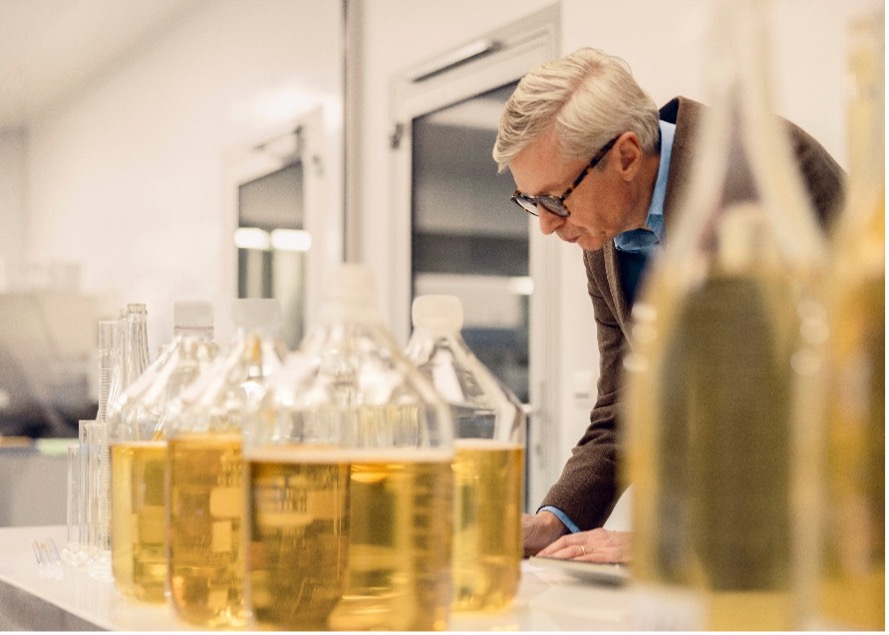
Jean-Baptiste Lécaillon at work.
Jean-Baptiste Lécaillon at work, Champagne Louis Roederer 

“Pinot Noir is quite stable,” he says, but it’s become riper and juicier in recent years, which calls for more Chardonnay in the blend to mitigate this. For him, Pinot Noir brings the structure, while Chardonnay delivers “the citrus, the salinity, the freshness, the lightness”.

“Meunier is more subject to variations… It was a grape [originally] identified to ripen in difficult conditions, in wet, cold years. So it has a short cycle… because of climate change it’s getting even shorter.” He says this is changing Meunier’s balance and aromatics, making it a less reliable player.

A grape that’s seen growing interest of late is Chardonnay Rose, which has just been added to the list of permitted varieties in the AOC Champagne cahier des charges (appellation rule book). It’s a natural mutation that turns Chardonnay’s green skins pink. Nobody is yet propagating it en masse, but the door is now open to this possibility. Lécaillon says it’s very similar to Chardonnay but slightly more acidic, which is useful in a heating climate. 

The dosage pendulum

Another trend in Champagne over the last 25 years has been the gradual reduction in dosage (the addition of a small amount of sugar and reserve wine just before the bottle is sealed, measured in grams of sugar per liter). “It’s not just seasoning, it’s much more than that… it’s rebalancing, it’s a final touch to make the wines more civilized,” says Lécaillon.

Reducing dosage has become possible thanks to riper grapes. “The trend is a consequence of climate change. We have riper fruit, lower acidity, the wines are more expressive so you need less dosage.”

While many producers have lowered their levels, some have gone even further, by omitting sugar altogether. It makes for an austere style, which some have since rowed back on. “Some people push the envelope further by doing zero dosage… but some people have found that they prefer to have one, two or three grams to have a more balanced extra brut… But clearly, we are all going in the extra brut direction.”

Focus on terroir

“But more and more people now prefer to go to more terroir-expressive Champagnes, and if you want to aim for that, you need a lower dosage to let the terroir speak,” says Lécaillon. “So that would be another trend; more and more terroir-driven Champagne.”

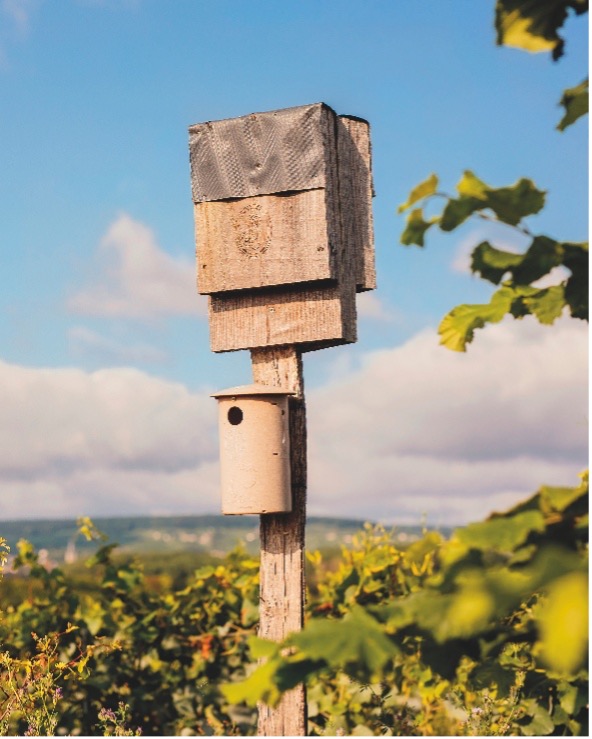
Bird boxes in the vineyards
Bird boxes in the vineyards, Champagne Louis Roederer

Twenty years ago, the non-vintage blend reigned supreme; single vineyard or even single village Champagnes were rare. Since then, a proliferation of terroir-driven Champagnes has appeared, driven in part by the explosion of grower Champagnes, giving rise to new voices, often with highly localized vineyard holdings with subtle differences they are keen to express. Many large Champagne houses have followed suit.

This focus on terroir has encouraged a new type of consumer into the Champagne market. “We see more and more people coming from still wine to Champagne,” says Lécaillon, particularly fans of Bourgogne (Burgundy).

Numbered cuvées

Another recent trend is the “numbered cuvée”. Like all non-vintage cuvées, it’s a blend of different vintages that’s produced every year. But giving each release a specific number makes it traceable, so you can look up exactly what the blend contains: the grapes, the vineyards, the winemaking minutiae. If you buy a traditional non-vintage, you have no way of knowing which year it was released, so any further details remain obscure.

Krug and Jacquesson both produce numbered cuvées as part of their offering. Roederer launched their Collection range of numbered cuvées in 2020. It began with 241, as “it’s the 241st blend since the foundation of Roederer”.

“It’s to follow the trend for more terroir-driven wines; it means more discussion about the wine itself,” says Lécaillon. “When you drink a non-vintage with no number, what you drink is ‘comfortable house style’… and that can be great quality. But if you’re a wine lover, you want to know more.” Numbered blends enable deeper conversations.

Perpetual reserves

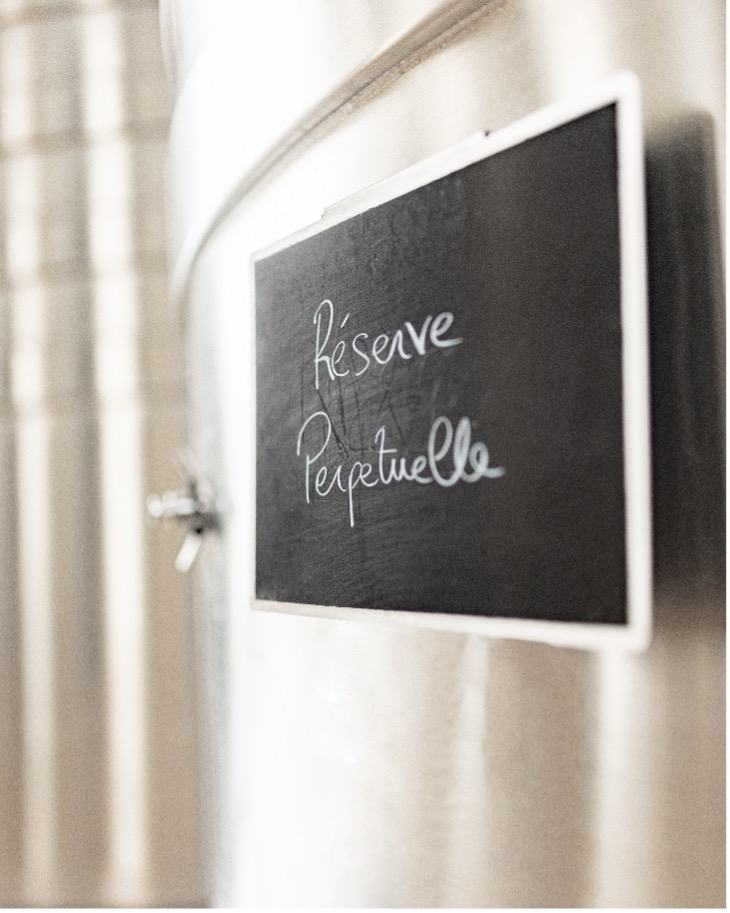
An increasingly common term on Champagne labels over the past 20 years is “perpetual reserve”. It refers to a tank or large barrel that contains a blend of different vintages all maturing together. Over time, the blend mellows, taking on depth and complexity. Every year, some is drawn off and it’s refreshed with the most recent vintage.

It can be used as a blending component or simply bottled as it is. One of the first proponents was Champagne A&J Demière in Fleury, and it’s now a tool used by many houses including Jacques Selosse, Huré Frères and Stéphane Regnault.

Perpetual reserve tank.
Perpetual reserve tank, Champagne Louis Roederer

Because it’s a blend of different years, including hot, cold, wet and dry, it helps to mitigate the extremes of climate change and “neutralize the climate impact,” says Lécaillon. He uses around 35% of his perpetual reserve each year for his annual Collection blend.

“It’s a very strong tool. The only difficulty is to keep it fresh, reductive. Because it can go quickly into something too mature,” he says. Slowing down the maturation process by keeping a cool, constant temperature is crucial; so is employing large containers and avoiding any oxygen ingress. Not all of Roederer’s reserve wines are stored this way; they also have smaller wooden barrels containing single unblended vintages and specific sites.  

The mother of invention

The many innovations that we’ve witnessed over the past 25 years in Champagne have largely been a response to a heating climate. But an unintentional result is that these have developed Champagne’s credentials in the eyes of wine lovers as a terroir wine of unusual complexity.

“Forty years ago, when I started, Champagne was all about celebration… it’s still about celebration, but by making it more terroir-driven, by focusing on farming, by making more efforts in the vineyards, our wines are now more serious.”

There will always be people who buy Champagne primarily to pop corks and splash bubbles. But for committed wine lovers, Champagne has never been more fascinating.

Sébastien Lecaillon is also a contributor to WSG’s Champagne Masters program, where he shares his expertise and insights on Champagne. For more information, visit Champagne Masters.


Matt Walls

Matt Walls is an award-winning freelance wine writer, author and consultant who contributes to various UK and international publications such as Club Oenologique and Decanter, where he is a contributing editor. He also judges wine and food competitions, develops wine apps and presents trade and consumer tastings. Matt is interested in all areas of wine, but specialises in the Rhône Valley – he is Regional Chair for the Rhône at the Decanter World Wine Awards.

Alongside his blog contributions, Matt brings his knowledge to the vineyard as a brilliant guide for WSG’s Educational Wine Tours.
Related Articles