BLOG
French Vintage Chart 2024
Andrew Jefford
Blog
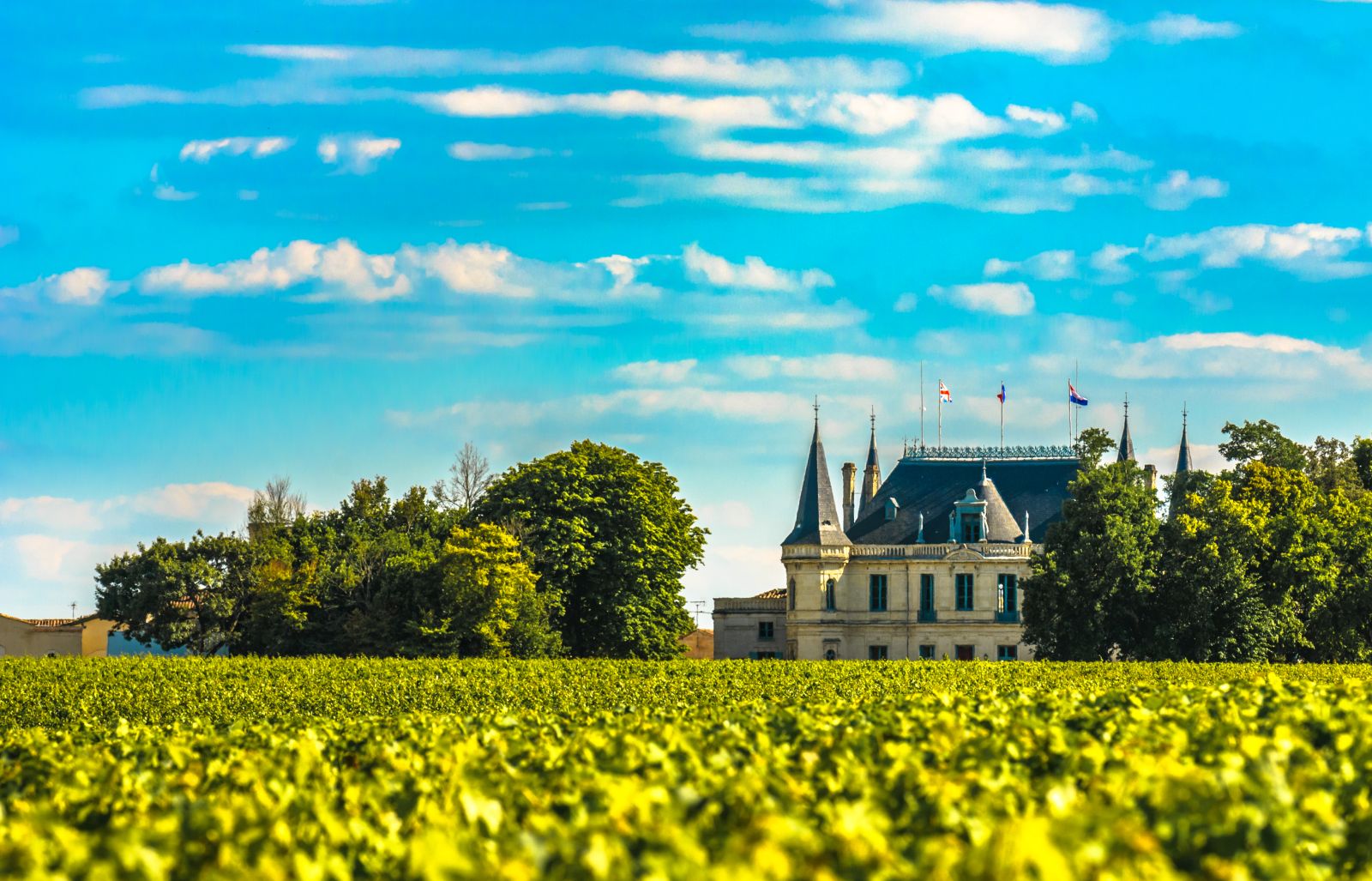
The 2024 vintage was an exhausting and finally disheartening one for most French winegrowers. Some claimed that they had spent twice as long in the vineyards, made twice as many anti-fungal treatments and spent twice as much on chemical products and on labour as they usually did – at the end of which they were finally rewarded with a harvest that was 23.5% smaller than the admittedly generous harvest of 2023. France’s 2024 total of 36.1 million hl (OIV figures, published April 2025) means that this was the nation’s smallest harvest since 2017 and historically one of the smallest since 1945 (alongside 1957 and 1991).
What went wrong? Rain, in a word, and too much of it. March, April, May and often June were sodden months with record-breaking rainfall. As both February and March were in the main very warm months, that meant early budburst, with critical frost damage in Champagne (especially in the Aube) and minor damage in Chablis. More significantly, it meant downy mildew (Peronospera) attacks even on the season’s earliest vegetation, so spring and early summer entailed repeated spraying for most French growers – expensive, laborious and physically damaging in some vineyards.
It was so wet in spring 2024, that rarer and more exotic diseases and mishaps were apparent. Black rot (Guignardia bidwellii), a fungal disease that causes necrotic lesions on the stems leaves and eventually fruit too, was almost as widespread as downy mildew this year. While Muscadet suffered a rare attack of filage or bunch stem necrosis. When what were initially grape-bearing shoots revert to tendril status due to cold April weather and waterlogged soils. The intemperate weather also affected flowering in most regions with both coulure (poor flower set) and millerandage (poor grape development) a common phenomenon. It was clearly going to be a modest crop from flowering onwards. To complete the misery, hail cut the crop further in Chablis, Sancerre, Beaujolais, Provence and Western Languedoc (Corbières and Limoux).
The weather slowly improved during July. August was a fine, hot month, bringing growers some respite. Everything then hung on September’s weather – and again fortune turned against France. September throughout most of the country was wetter and colder than the long-term average. There were dryer intermissions during which harvesting was possible, but it was far from being the month of salvation that most had hoped for.
Winners and losers? As always, it is a complex picture that resists easy summary, but in general the Loire Valley had a growing season of extraordinary and extended challenges, as did Champagne’s Aube. Alsace, by contrast, escaped relatively lightly. In most French regions (including Bordeaux and Bourgogne – and both halves of the Rhône Valley) it’s a vintage in which consumers would be best advised to prefer white wines over reds.
France’s deep south merits special mention. Roussillon and Western Languedoc, in contrast to every other part of France, missed out on the generous spring rains and continued to suffer from their extended drought, so they have produced tiny crops but without any of the problems of dilution and inadequate ripening seen elsewhere. Eastern Languedoc and Provence, meanwhile, have produced good to very good crops, since the additional rainfall which fell in these regions was welcome, as was a season without the modern challenges of heat spikes and drought. It’s an excellent year for Provence rosé, for example – though much of that will already have been drunk.